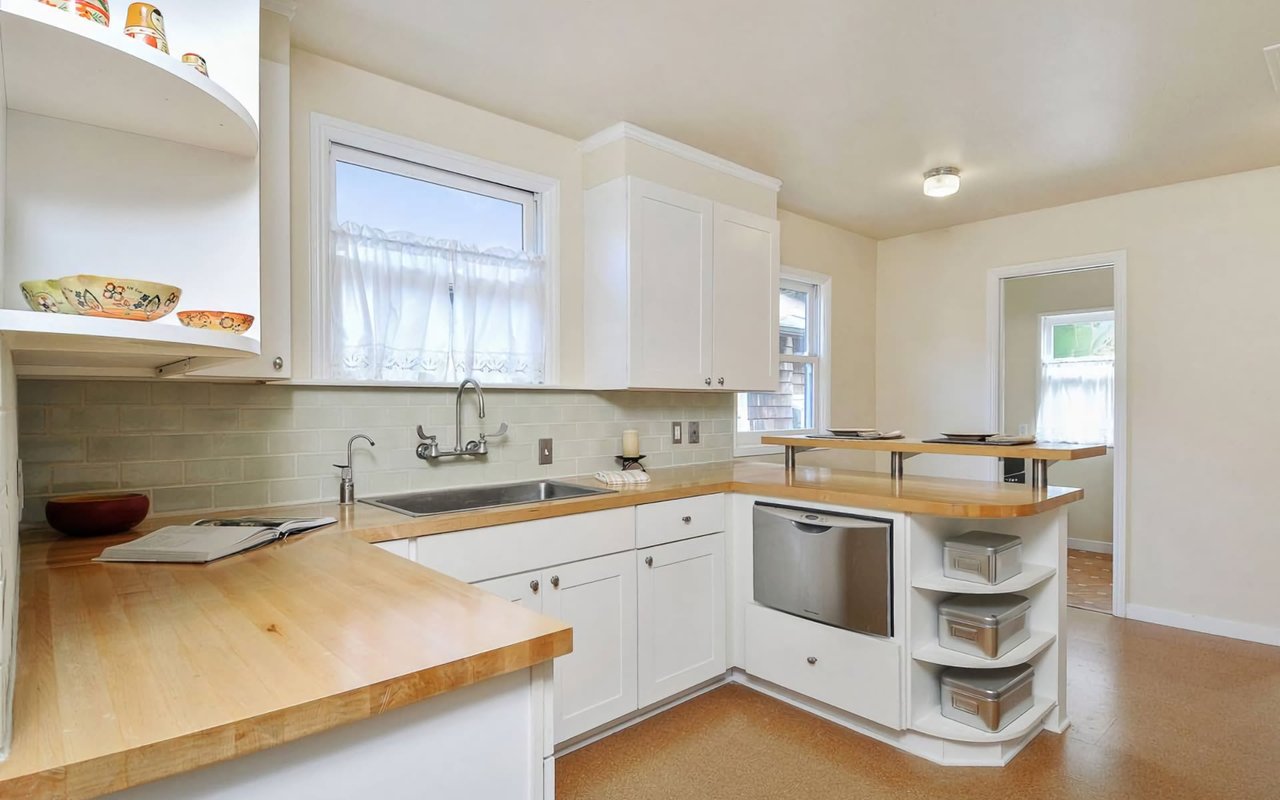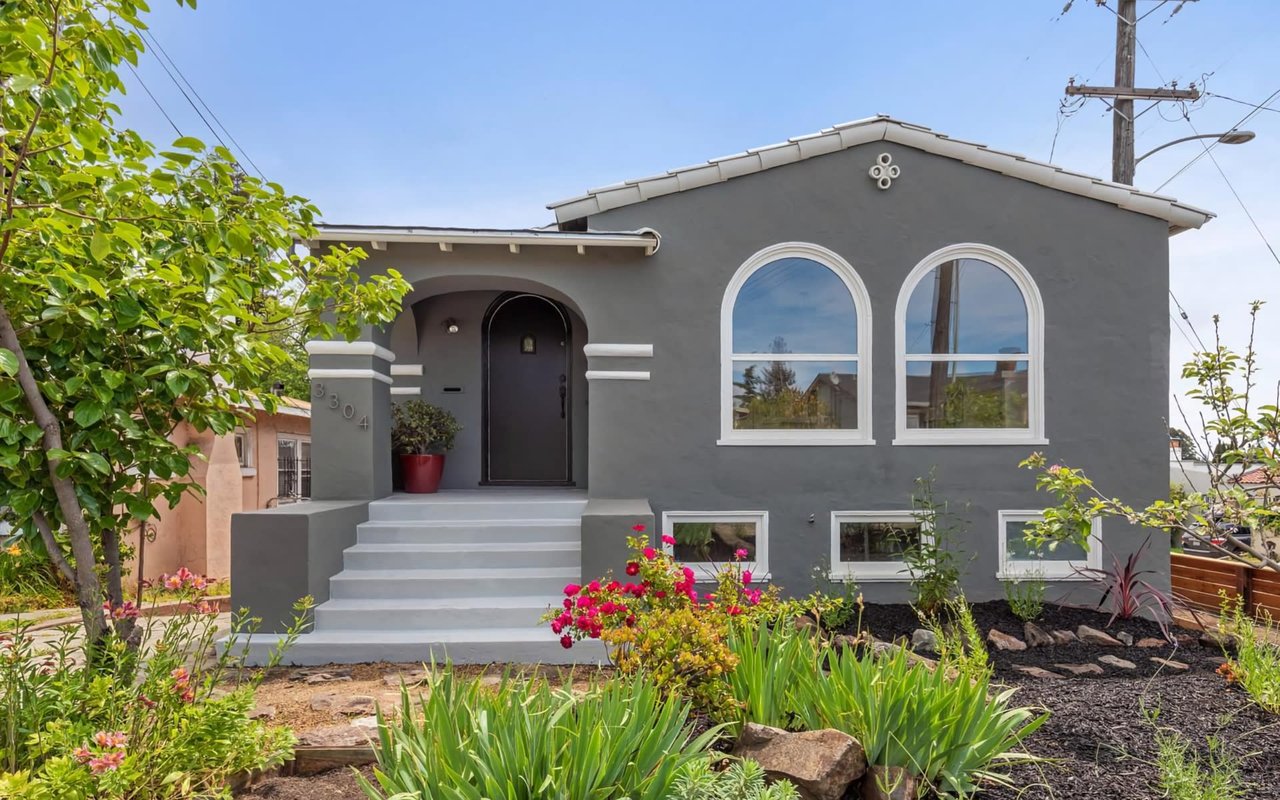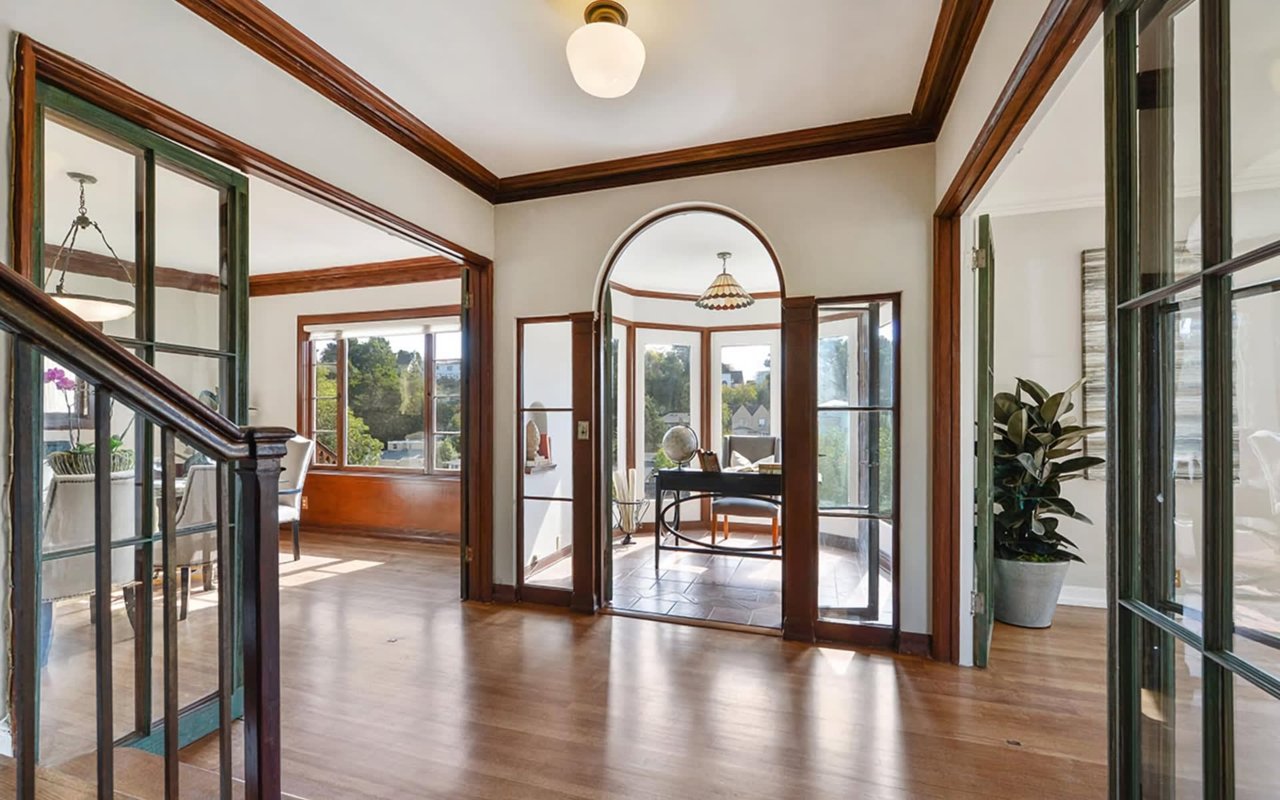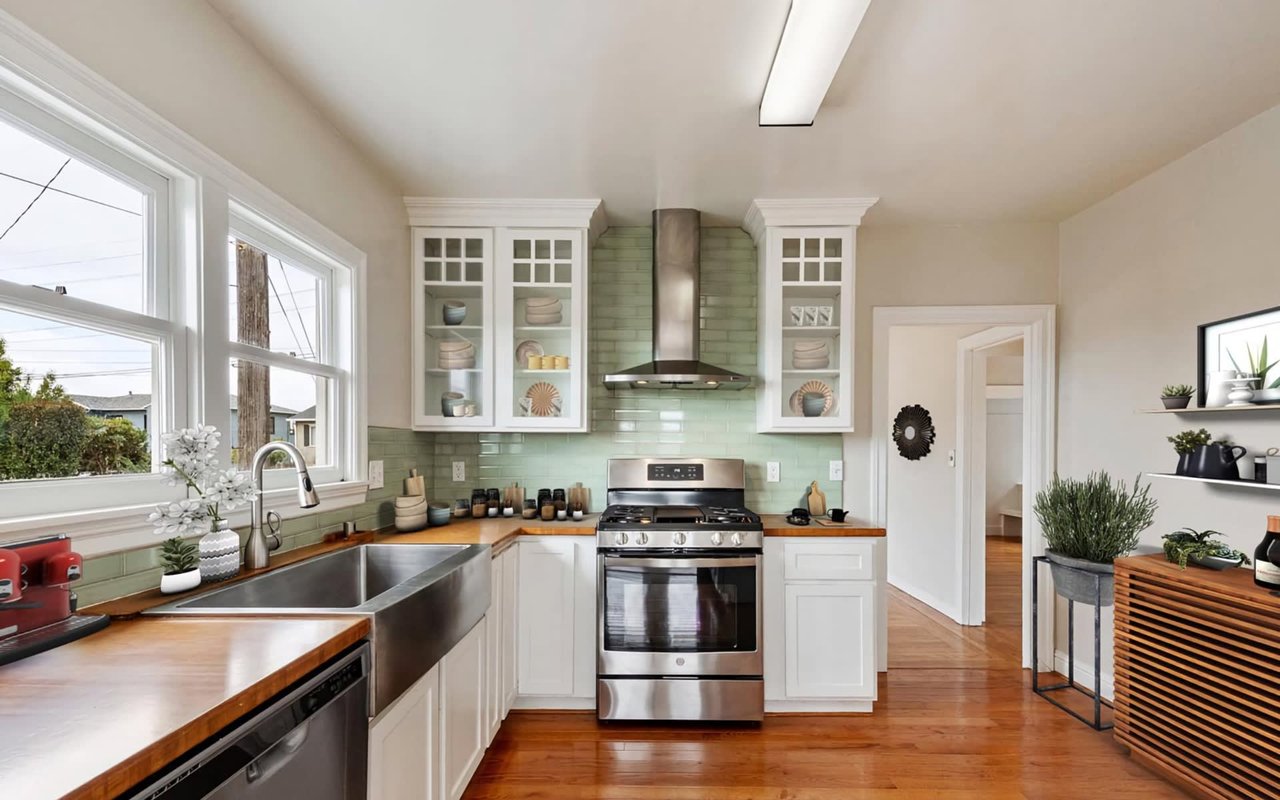
Thinking about buying a fixer-upper in Alameda County? It can be a smart way to get into a competitive East Bay market, but it can also get expensive fast if you misjudge the renovation scope, permit path, or resale potential. If you want to buy with confidence, the key is to understand how pricing, inspections, financing, and local rules all work together. Let’s dive in.
Why Alameda County Fixer-Uppers Need Careful Math
A fixer-upper in Alameda County is not a one-size-fits-all opportunity. Recent market data shows the countywide median sale price is about $1.2 million, while the median owner-occupied housing value is about $1.09 million. That high starting point means your purchase price matters just as much as your renovation budget.
City-level prices also vary a lot. Recent median sale prices were about $1.10 million in Alameda, $1.50 million in Berkeley, $884,000 in Oakland, and $870,000 in San Leandro. Before you even think about upgrades, your entry cost changes dramatically depending on where you buy.
That is why after-repair value, often called ARV, should be based on the immediate neighborhood, not broad county averages. In Oakland alone, recent price snapshots ranged from about $560,000 in Old City to $1.2 million in Temescal and $1.5 million in Montclair. The same renovation budget can lead to very different outcomes depending on the block.
Use Sold Comps, Not Asking Prices
In competitive markets like Alameda and Berkeley, homes often sell above list price. That can make asking prices look like useful benchmarks, but they are not the best way to evaluate a fixer-upper. Recent sold comparables in the same neighborhood give you a much more reliable picture of what a home may be worth after improvements.
This matters because overestimating ARV is one of the easiest ways to turn a promising project into a financial strain. A home that looks like a bargain on paper may not pencil out once you factor in acquisition cost, repairs, permits, insurance, and carrying costs. The closer your comp set is to the subject property, the better your decision-making will be.
Keep Your Due Diligence Strong
When you buy a fixer-upper, due diligence is not the place to cut corners. The Consumer Financial Protection Bureau advises scheduling an independent home inspection as soon as possible so the inspector is accountable to you and can identify serious issues before contingencies expire. That step is especially important in fast-moving East Bay markets.
It also helps to understand that an appraisal and an inspection are not the same thing. An appraisal supports the lender’s value decision, while an inspection looks at the home’s condition. If the inspection uncovers major repair needs, the lender may require repairs before closing or may use a repair escrow.
In competitive areas like Alameda and Berkeley, it is wise to keep your inspection and financing contingencies in place until professional reviews are complete. That gives you room to assess the real condition of the property before you are fully committed.
Review Disclosures Early
California buyers should expect key seller disclosures during the transaction. The California Department of Real Estate says buyers are entitled to the Transfer Disclosure Statement and the Agency Relationship Disclosure. These documents can help you spot known issues and better understand the condition and representation structure tied to the sale.
You should also watch for hazard-related disclosures. The California Geological Survey says properties in mapped Seismic Hazard Zones must be disclosed. In a region where seismic risk is part of the landscape, that information can affect both repair planning and long-term budgeting.
If the home was built before 1978, lead-based paint rules matter too. Federal lead disclosure requirements apply, and renovation work that disturbs lead paint must follow lead-safe practices. For older Alameda County housing stock, this can directly shape your contractor scope, timeline, and cost.
Alameda-Specific Issues to Check
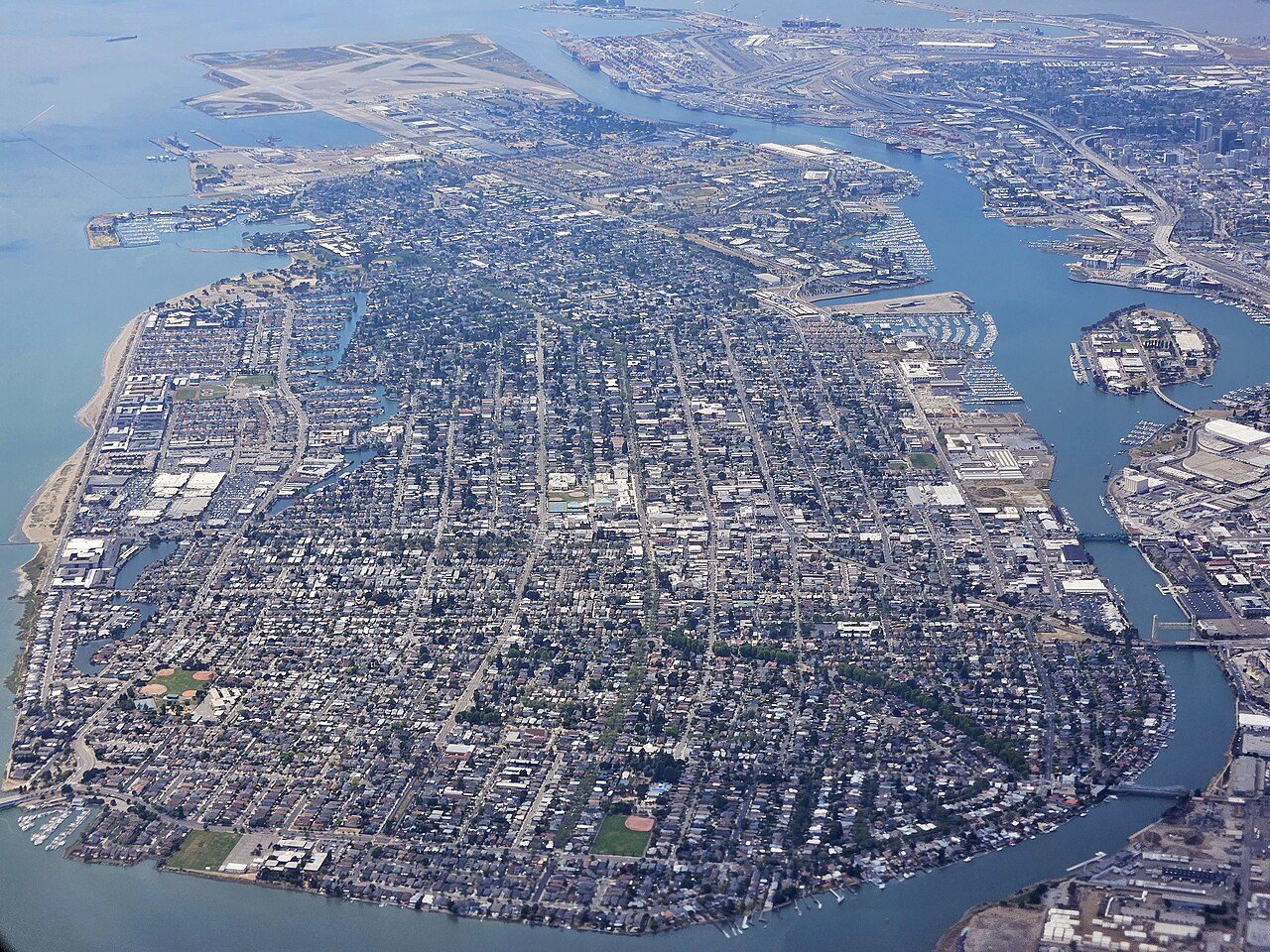
If you are buying in the City of Alameda, flood risk deserves early attention. The city says flood risk is driven by high tides, storm surge, and heavy rainfall, and more than 1,000 properties are in a Special Flood Hazard Area. That can affect insurance costs and future renovation planning.
Most homeowners insurance policies do not cover flood damage. Because of that, it makes sense to get an insurance estimate early and confirm flood-zone status before you spend money on plans or permit work. The city’s shoreline planning also anticipates adaptation for up to two feet of sea-level rise in the estuary area, which can add another layer to long-term property planning.
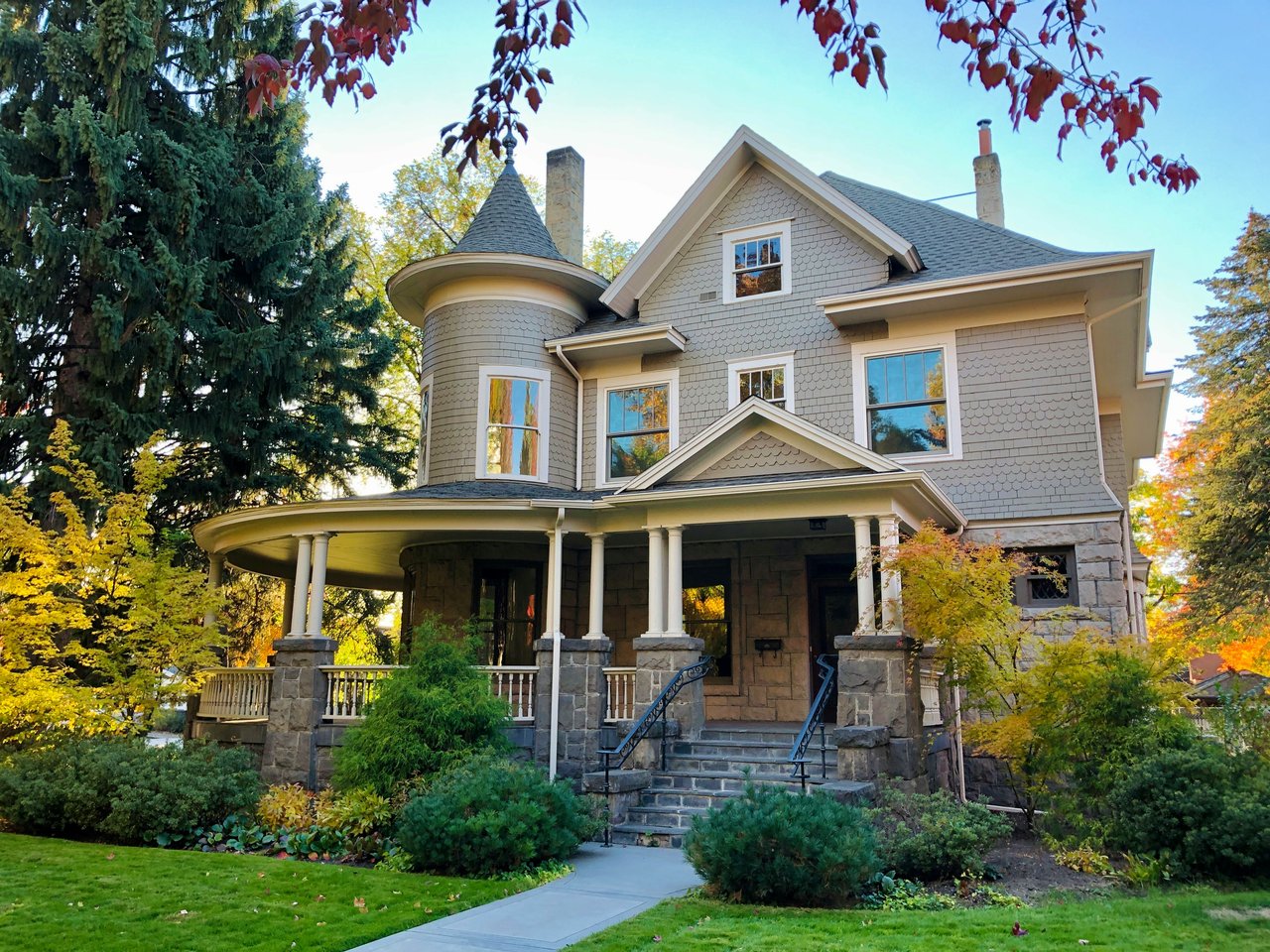
Historic review is another important issue in Alameda. The city says it has more than 10,000 buildings constructed before 1930 and maintains historic-resource lists. Some projects may require a Certificate of Approval, and properties on the Historical Buildings Study List are also subject to the State Historical Building Code.
Permits Can Shape the Project
Many buyers focus on finishes first, but permits often define what is truly possible. In Alameda, structural cuts, load-bearing changes, and plumbing, electrical, gas, or other system changes generally require permits. If your renovation plan goes beyond minor cosmetic work, permit review should be part of your budget and timeline from day one.
The city also notes that contractors need a current City of Alameda business license for permit work. If a project does not qualify for an express permit, it moves through a Building Pre-Application process with plan review and construction drawings. That can affect how quickly you can start and how much design coordination you need.
For many buyers, this is where a full-service advisory approach becomes valuable. A fixer-upper purchase is rarely just about finding the property. It is about coordinating the property search, renovation scope, financing, and transaction timing in a way that supports your goals.
Build the Right Renovation Team
The Contractors State License Board recommends verifying a contractor’s license status before hiring. It also recommends using written contracts for home improvement projects over $500, limiting down payments to the lesser of $1,000 or 10% of the contract price, and keeping all change orders in writing.
Those steps may sound basic, but they can protect your budget and reduce confusion once the work begins. On a fixer-upper, small decisions add up fast. Clear documentation helps you stay in control of scope, schedule, and cost.
Your team may also include an inspector, lender, and in some cases an engineer or architect. On more complex homes, especially older or historically sensitive properties, that professional support is part of the investment model, not an optional extra.
Financing Options to Discuss
If you are not paying cash, renovation financing is worth discussing with your lender before you make an offer. The main options referenced in the research include FHA 203(k), Fannie Mae HomeStyle Renovation, and Freddie Mac CHOICERenovation. These programs can help you finance the purchase and approved improvements in a single loan structure.
According to the research, financed renovation work can include items like roof replacement, kitchen and bath remodels, additions, insulation, windows, doors, and appliances. That makes these products especially relevant for buyers who want to improve function, safety, comfort, and future resale appeal.
The CFPB advises shopping multiple lenders and getting preapproved before making offers. When you talk with lenders, be sure to cover the acquisition price, renovation budget, contingency reserve, permit fees, insurance, and any temporary carrying costs if you need to live elsewhere during construction.
Prioritize Repairs in the Right Order
Not every renovation item carries the same urgency. For many fixer-uppers, the typical priority starts with roof and water intrusion, then structural or seismic concerns, drainage, plumbing, and electrical safety. After that, buyers usually move to kitchens, baths, flooring, paint, and curb appeal.
That order matters because cosmetic improvements rarely solve bigger building problems. A beautiful kitchen will not protect you from a failing roof or unresolved drainage issues. In older homes, practical work often needs to come first.
Energy-efficiency improvements can also be a smart part of the plan. The research points to insulation, windows, doors, and appliances as common renovation categories that can improve comfort and add resale appeal. In a higher-cost market, these upgrades can help balance day-to-day livability with long-term value.
What ROI Looks Like by Submarket
Return on renovation is not uniform across Alameda County. In Alameda and Berkeley, the higher acquisition basis means buyers often benefit more from careful, permit-clean, mid-scope renovations than dramatic overbuilds. Historic review or flood constraints can also limit how far a project can go.
Oakland offers some of the widest value-add spread, but it also requires the most precise neighborhood-level analysis. With recent pricing snapshots ranging from about $560,000 in Old City to $1.5 million in Montclair, the same scope of work may produce very different returns from one neighborhood to another.
San Leandro can offer a lower entry point, but the lower median sale price may create a lower ARV ceiling. In that setting, cost control becomes even more important. Bigger remodels need to be tested carefully against likely resale value.
When a Fixer-Upper Makes Sense
A fixer-upper in Alameda County tends to make the most sense when five pieces line up: acquisition price, renovation scope, permit path, insurance reality, and neighborhood comps. If even one of those pieces is off, the project can become more stressful and less rewarding than expected.
That does not mean you should avoid these homes. It means you should evaluate them with a clear process and local guidance. In a market this varied, the right opportunity is usually the one with a realistic scope and a strong support team behind it.
If you are considering a fixer-upper in Alameda, Berkeley, Oakland, San Leandro, or elsewhere in the East Bay, working with advisors who understand neighborhood pricing, renovation coordination, and transaction strategy can make all the difference. For a tailored home strategy, connect with Katie & Mark Lederer.
FAQs
What should you check before buying a fixer-upper in Alameda County?
- You should review recent sold comps, schedule an independent home inspection, keep contingencies in place until reviews are complete, and study disclosures, permit needs, insurance costs, and neighborhood-specific risks.
How do you estimate fixer-upper value in Oakland or Alameda?
- You should base value on recent sold comparables in the immediate neighborhood because price ranges can vary sharply even within the same city.
- Comps tell you what the finished house is worth; the other half is what the work costs, which our renovation advisors can price before your contingencies expire.
Do older Alameda County homes come with extra renovation rules?
- Yes. Older homes may involve lead-safe renovation requirements for pre-1978 properties, seismic hazard disclosures, and in some cases historic review or use of the State Historical Building Code.
Do fixer-upper projects in the City of Alameda require permits?
- Many do. Structural cuts, load-bearing changes, and plumbing, electrical, gas, or other system changes generally require permits, and contractors need a current City of Alameda business license for permit work.
What financing options can help you buy and renovate a fixer-upper?
- Options discussed in the research include FHA 203(k), Fannie Mae HomeStyle Renovation, and Freddie Mac CHOICERenovation, which can help combine purchase and renovation costs into one loan structure.
Why is flood insurance important for some Alameda properties?
- The City of Alameda says more than 1,000 properties are in a Special Flood Hazard Area, and most homeowners policies do not cover flood damage, so early insurance review is important.