Thinking about swapping a longer East Bay commute for a morning walk to coffee and a quick train ride to work? You are not alone. Many East Bay buyers look to San Francisco for walkability, rich dining, and daily convenience, but they also want clear expectations on space, parking, and price. In this guide, you will see how SF micro-neighborhoods line up with specific lifestyles, which commute options work best, and what tradeoffs to plan for. Let’s dive in.
How SF living compares
San Francisco is compact and walkable. Most daily errands, coffee runs, and dinners out can happen within a few blocks in many neighborhoods. In return, you will likely trade some private space and parking for proximity to restaurants, cultural venues, and parks.
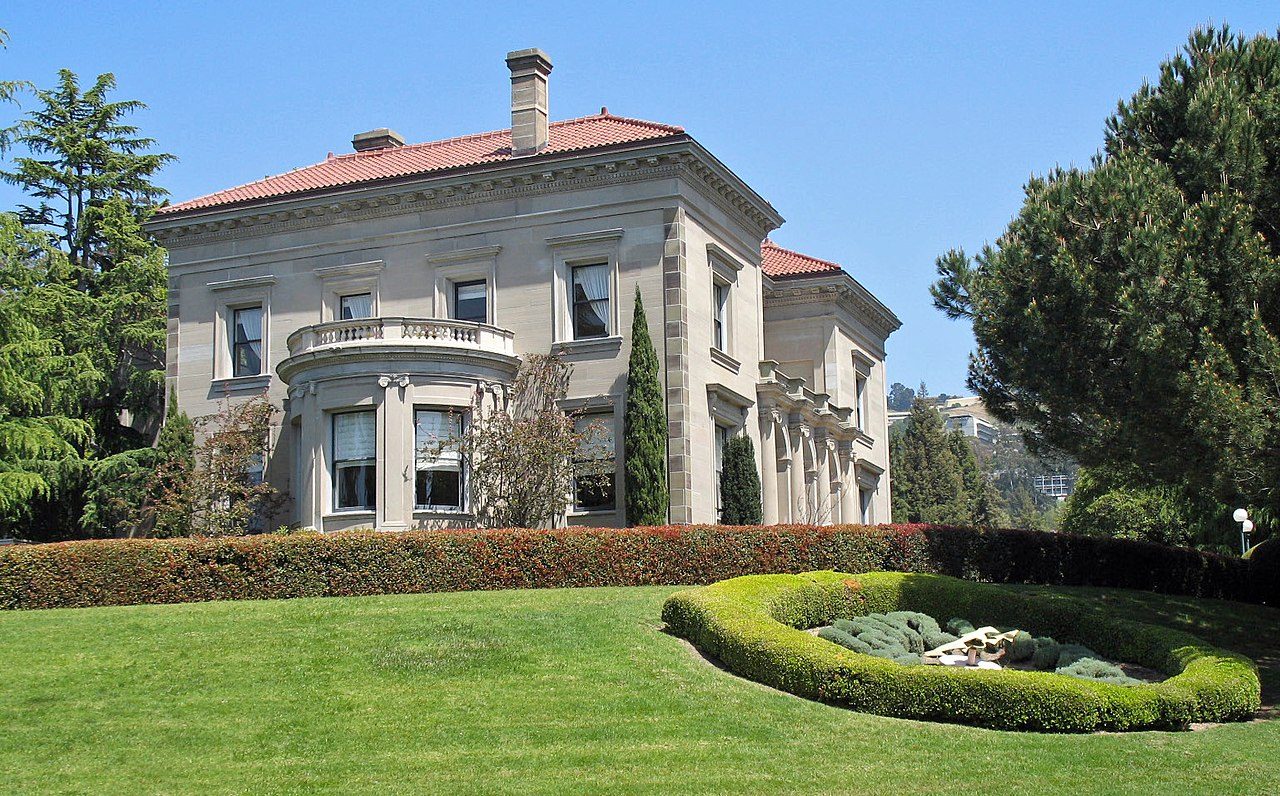
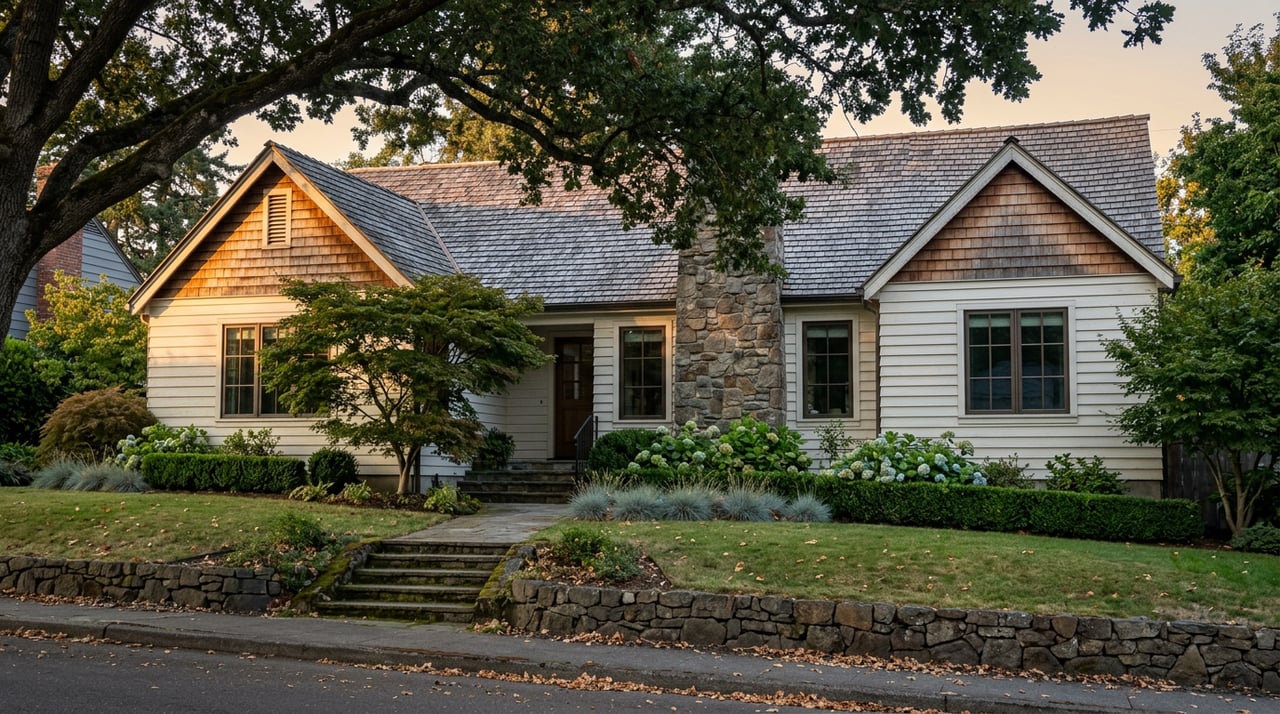
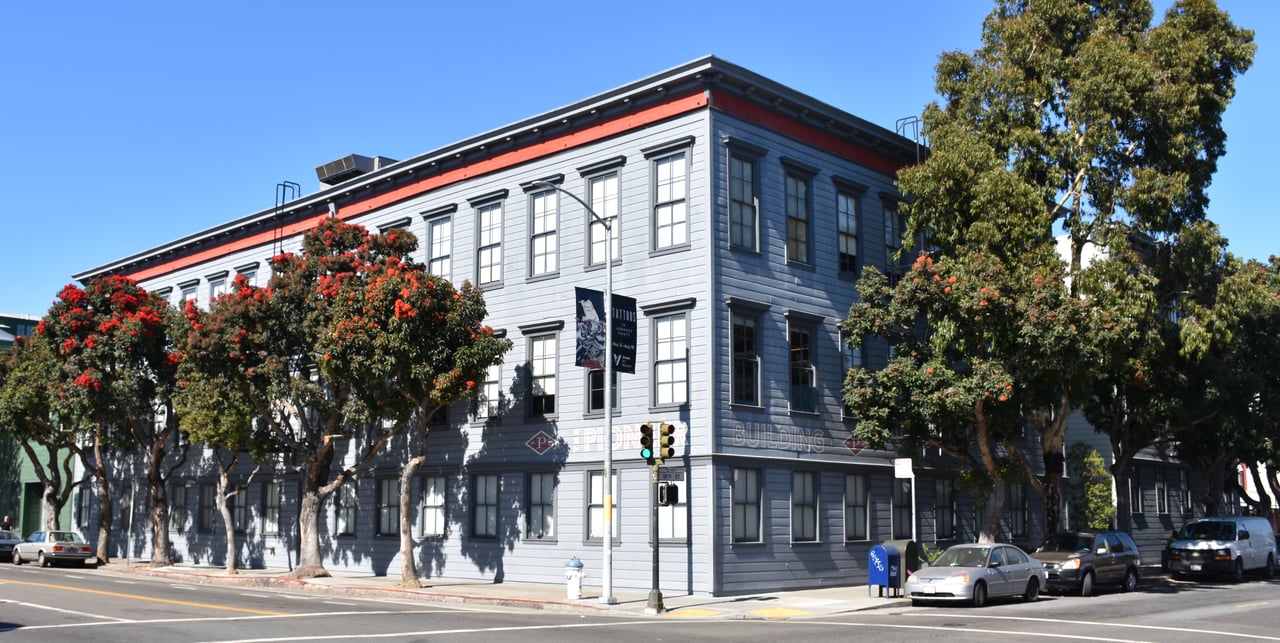
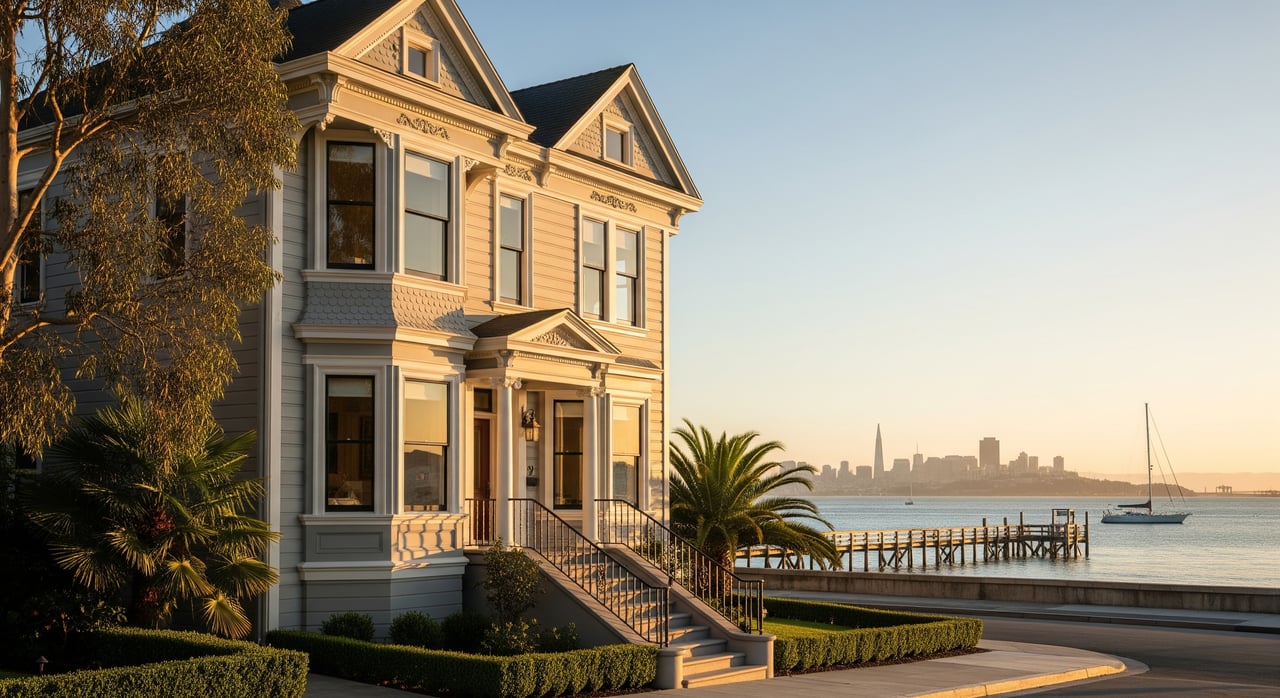
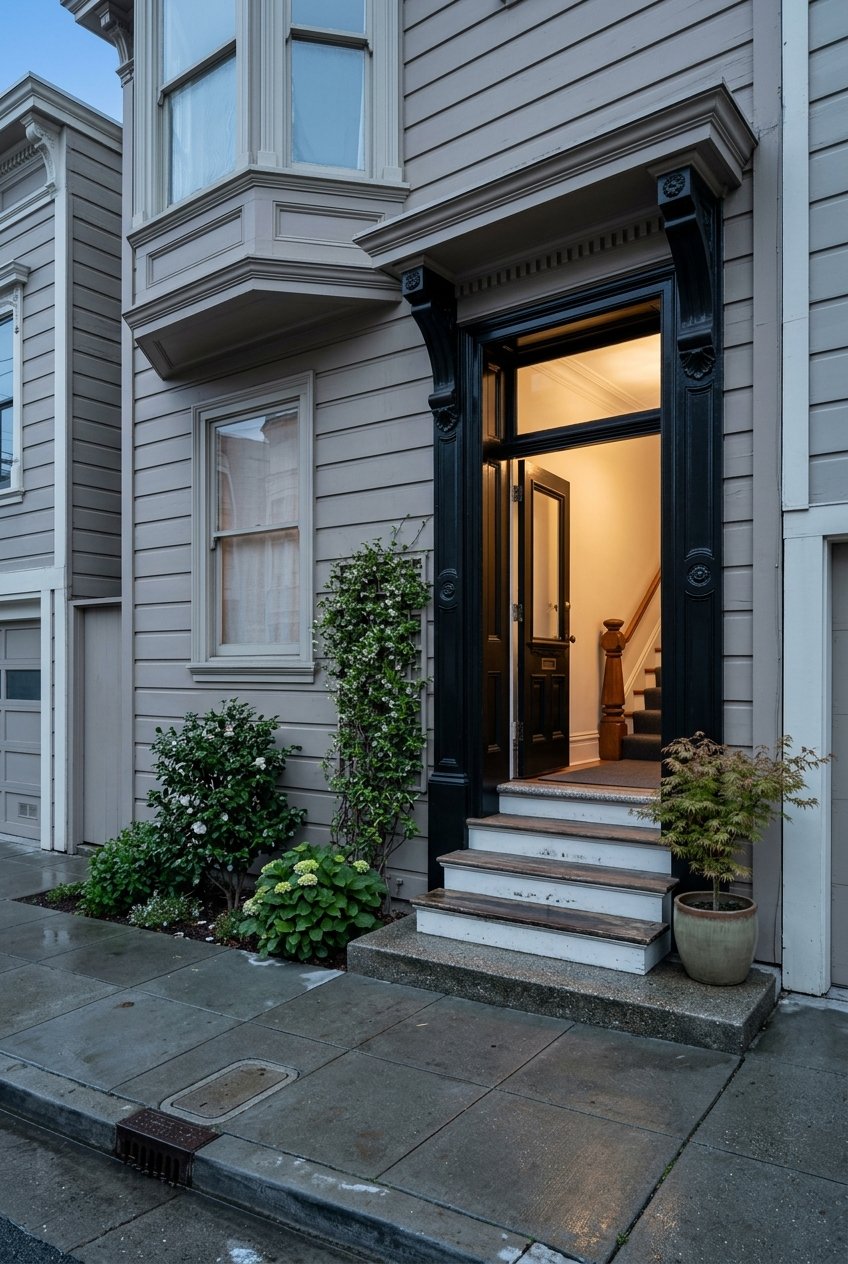
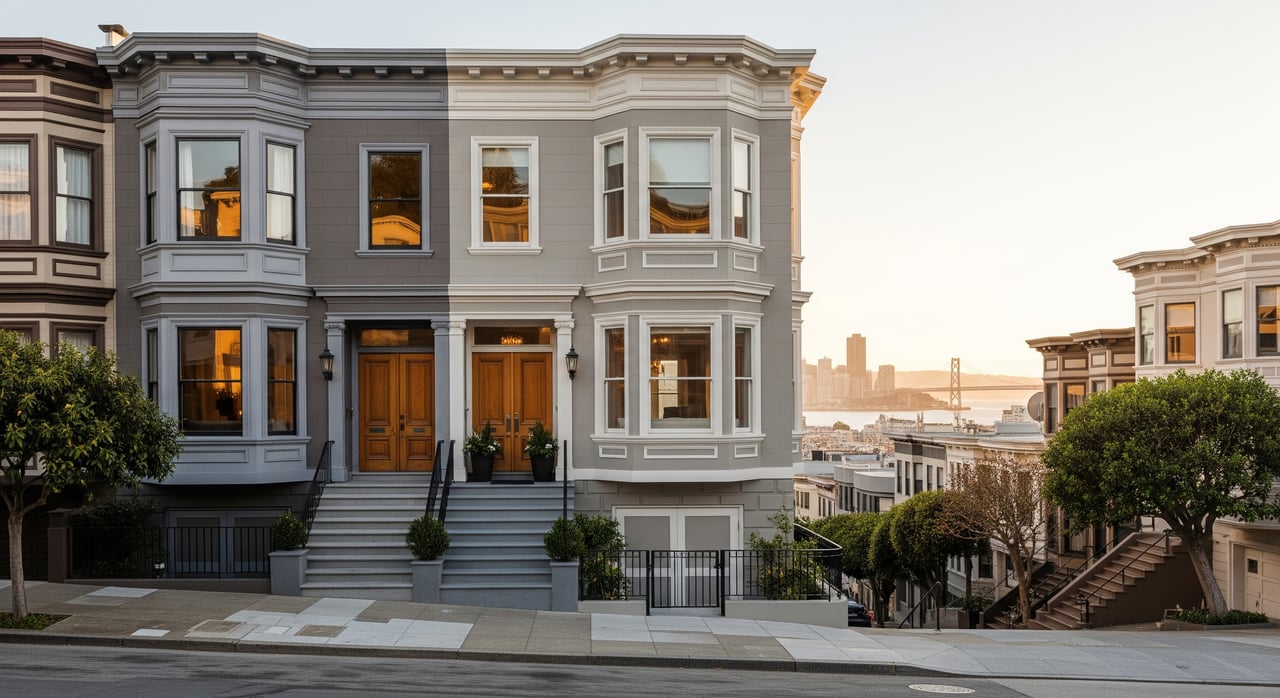
Architecture varies block by block. You will see classic Victorian and Edwardian row houses, stacked flats, modern infill condos, and high-rises near the waterfront and SoMa. If you care about a specific look and feel, review neighborhood maps and historic districts through the city’s planning resources from the San Francisco Planning Department.
The biggest mindset shift is daily convenience over square footage. Compared with many East Bay suburbs, prices often skew higher on a per-square-foot basis, and parking is more constrained. Walkability, transit options, and nearby parks become core lifestyle criteria.
Neighborhood matches by lifestyle
Walk-to-everything and nightlife
- North Beach and Telegraph Hill: Very high walkability with a mix of Italian cafés, bakeries, and growing artisanal spots. You are steps from the Embarcadero, steep viewpoint walks near Coit Tower, and close to downtown transit.
- Hayes Valley and Lower Haight: Boutique shopping and a strong independent restaurant scene. Compact blocks make errands easy, with quick access to Civic Center transit.
- Mission District: One of the city’s most dynamic food scenes, from taquerias and bakeries to destination restaurants and nightlife. Dolores Park nearby adds major outdoor appeal.
- SoMa, South Beach, and the Embarcadero: Modern condo living near offices, South Beach waterfront paths, and event venues. High-rise options and newer buildings dominate, with direct access to major transit hubs.
Waterfront and recreation lifestyle
- Marina, Cow Hollow, and Fisherman’s Wharf: Chestnut Street and nearby corridors offer high walkability and dining. You get exceptional outdoor access at Marina Green, Crissy Field, and Presidio trails with iconic bay views.
- Outer Richmond: Quiet streets that lead to Lands End, Baker Beach, and Golden Gate Park. Dining skews casual with strong Asian cuisine along Clement and Geary.
Residential feel with parks and charm
- Noe Valley and Castro: Classic row houses and a calm residential feel around 24th Street and Castro Street. Walkability is strong on the main corridors, with quick access to Dolores Park and pocket parks.
- Pacific Heights, Russian Hill, and Nob Hill: Grand architecture, boutique blocks, and parklets like Lafayette Park. Central location with upscale dining and iconic views.
- Sunset and Inner Sunset: A more relaxed pace, strong access to Golden Gate Park and Ocean Beach, and a larger stock of single-family homes by SF standards. Dining is casual and neighborhood focused.
- Haight-Ashbury, Cole Valley, and Inner Richmond: Colorful Victorian streets, vintage shops, and café culture. Immediate access to the Panhandle and Golden Gate Park supports active daily routines.
Commute realities and transit
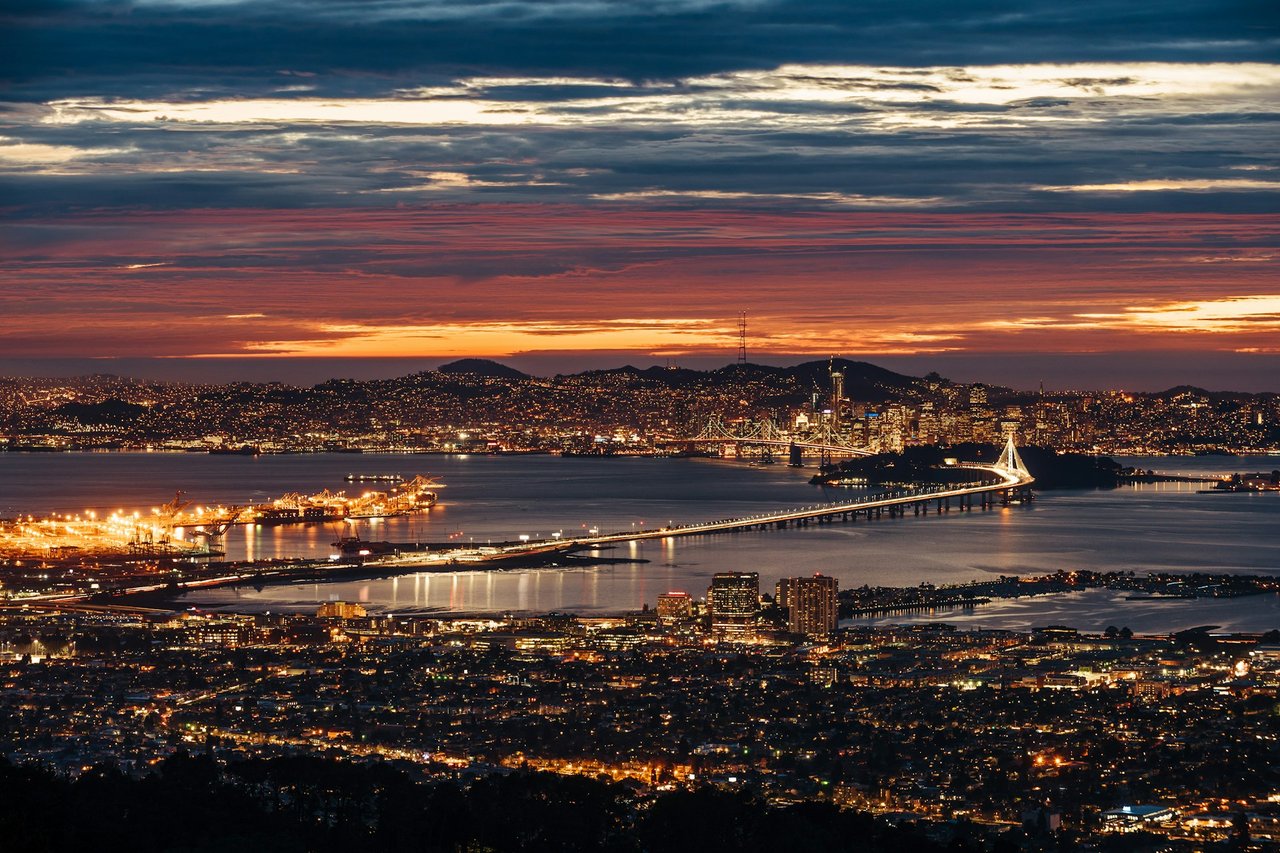
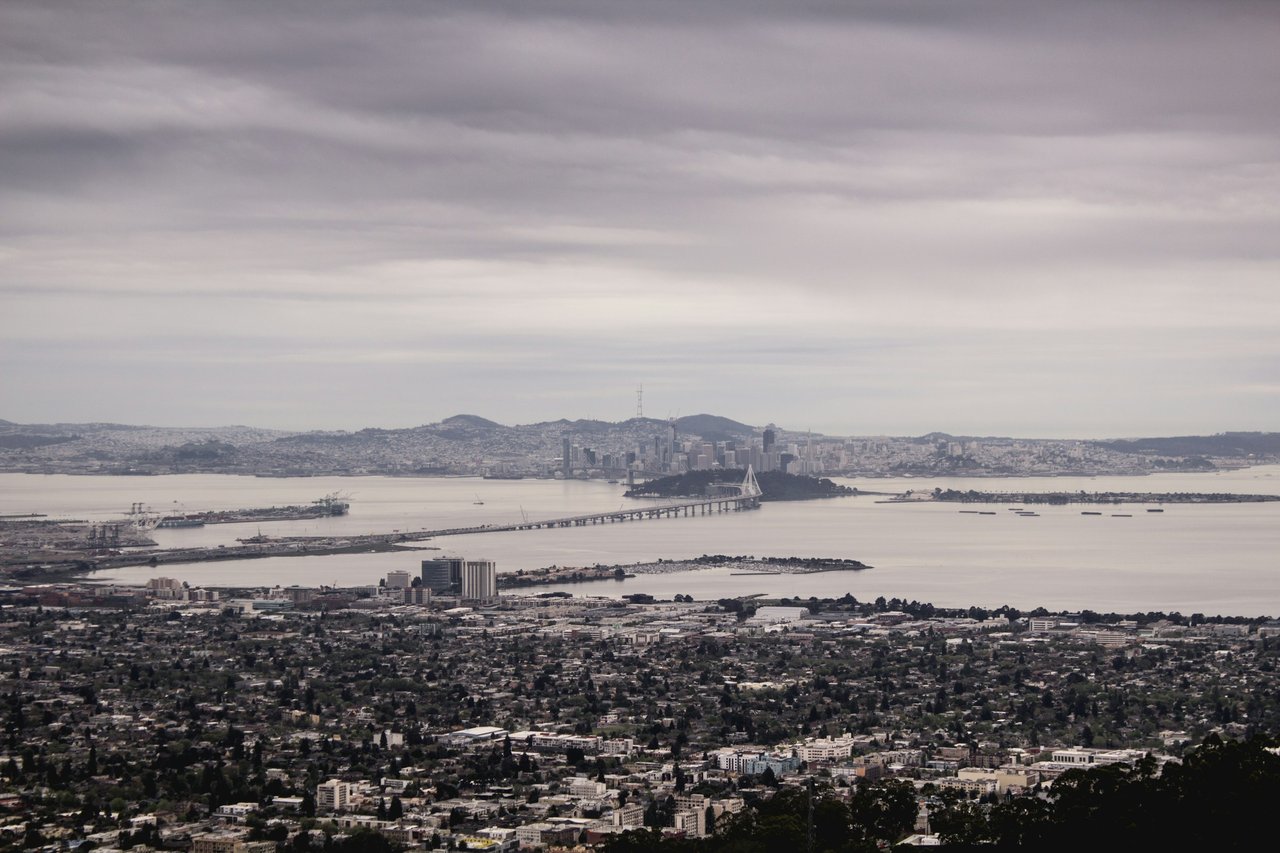
If you currently cross the Bay Bridge, testing real commute routes can be eye opening. Bridge traffic and tolls can add time and costs during peak periods, while train and ferry options are often more predictable.
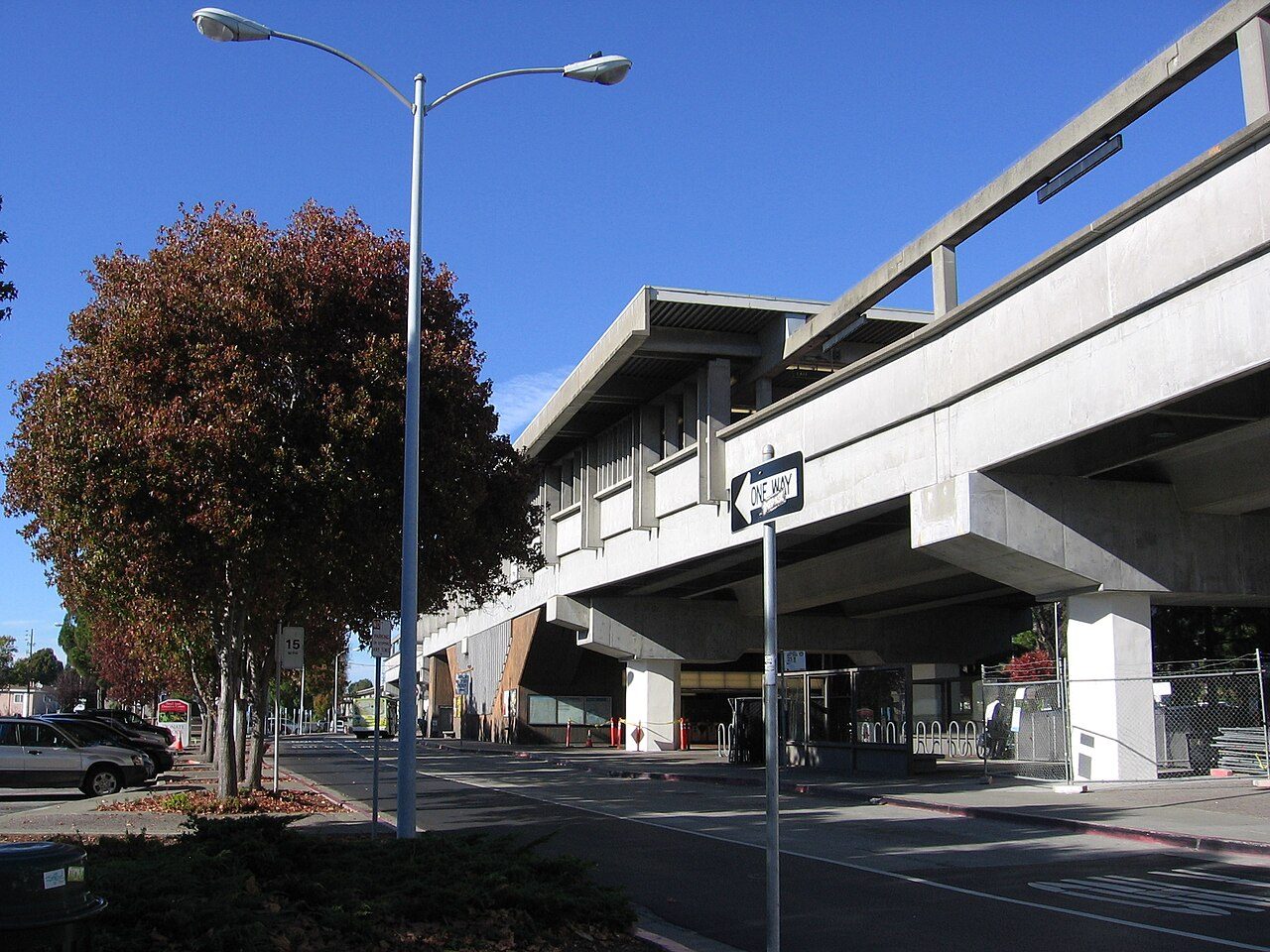
- BART to the East Bay: BART connects San Francisco stations like Embarcadero, Montgomery, Powell, Civic Center, and 16th and 24th Mission to the East Bay. Typical ride times from central SF to Oakland or MacArthur are often in the 10 to 25 minute range depending on the station. See routes and frequency on the BART system.
- Ferries for comfort and reliability: The San Francisco Bay Ferry serves Alameda and Oakland terminals to SF’s Ferry Building and nearby piers. Fares are higher than trains, but travel times are steady and the ride is scenic.
- Peninsula jobs: If your office is south of the city, Caltrain runs from 4th and King down the Peninsula and into Silicon Valley. Many East Bay commuters combine BART or driving with a transfer to reach Caltrain.
- Driving tradeoffs: The Bay Bridge is one-way tolled into SF, congestion varies by time of day, and parking in the city is limited and often paid. Explore parking permit zones and transit maps through the SFMTA before you commit to a car-dependent routine.
- Bike and e-bike options: Protected bike lanes are expanding, and e-bikes help with hills. Ferries and public transit typically provide bike accommodations, supporting multi-modal commutes.
Practical tip: Test your peak-hour routes, both inbound and outbound, before you decide. Travel time variability is high. For a broader look at commuting patterns and modes, you can review summaries from the U.S. Census American Community Survey.
What your budget buys in SF
Homes in central neighborhoods are often condos, TICs or flats, with fewer single-family houses near the core. You will see more single-family options in Noe Valley, Pacific Heights, the Sunset, and the Richmond. Newer luxury condos and high-rises are concentrated in SoMa and South Beach, with building amenities and smaller floor plans.
Think in relative price bands rather than fixed numbers, since prices change by micro-location and cycle:
- Premium areas: Pacific Heights, Marina, Russian Hill, and Noe Valley often command higher prices and premiums for views or larger floor plans.
- High but varied: Mission, Hayes Valley, SoMa, and South Beach typically carry high price per square foot for well-located condos and lofts.
- More affordable by SF standards: Outer Sunset and Outer Richmond usually offer more space for the price, though they sit farther from downtown.
Condos bring additional costs. HOA dues and occasional special assessments add to monthly housing expenses and should be considered alongside mortgage and taxes. Many buyers accustomed to East Bay single-family homes adjust to smaller interiors, less private outdoor space, and shared building systems in exchange for location and convenience.
Practical tradeoffs to plan for
Parking and storage deserve early attention. Garage parking is not guaranteed, street parking can require permits, and older buildings may have limited storage. Understand your options before you write an offer.
Older structures have quirks. Many buildings feature stairs, stacked flats, and historic details. These lend charm, but they can also shape daily life and access. Review building disclosures carefully and plan for maintenance.
Street activity varies by corridor. Tourist zones and nightlife streets are lively and louder, while residential pockets are quieter. Spend time on your preferred blocks at night and on weekends to gauge fit.
Shortlist your best-fit neighborhoods
Use this quick checklist to focus your search where it matters most:
- Define your must-haves: walk-to-dining, quiet streets, a specific park, or a particular architectural style.
- Choose your housing type: single-family space near parks or a modern condo near the office.
- Map your commute: weigh proximity to BART stations, ferry terminals, or Caltrain.
- Test at different times: visit morning, evening, and weekend to experience noise, foot traffic, and parking patterns.
- Budget for the full monthly: include HOA dues for condos, potential assessments, parking costs via SFMTA, and insurance.
Try-before-you-buy game plan
- Pick three neighborhoods that match your lifestyle priorities.
- Spend a weekday morning there. Grab coffee, walk to a grocery, and time your door-to-work commute.
- Return on a weeknight for dinner to gauge nightlife and noise.
- Run or ride a favorite route, like the Embarcadero, Golden Gate Park, or Presidio trails, to test outdoor access.
- Compare how each area aligns with your daily routine. Keep notes on commute time, parking ease, and how the streets feel.
Final thoughts
San Francisco rewards clarity about how you want to live. If you want nightly dining and a 10 minute walk to transit, focus on North Beach, Hayes Valley, the Mission, or SoMa. If you prefer a quieter, house-forward feel near big parks, look to Noe Valley, Pacific Heights pockets, the Sunset, or the Richmond. The right choice is the one that fits your day-to-day.
When you are ready to align lifestyle, commute, and budget, reach out to Katie & Mark Lederer. Our East Bay advisory approach helps you plan timelines, compare neighborhoods, and make confident, long-term decisions.
FAQs
What are the most walkable SF neighborhoods for East Bay buyers?
- Neighborhoods like North Beach, Hayes Valley, the Mission, and parts of SoMa offer very high walkability with dense dining, cafés, and services.
How does BART compare to driving across the Bay Bridge for commuting?
- BART is often more predictable than peak-hour bridge traffic, with frequent service connecting central SF stations to the East Bay.
Where in San Francisco can I find more single-family homes?
- You will see more single-family inventory in Noe Valley, Pacific Heights, and the Sunset and Richmond districts compared with central condo-heavy areas.
Can I keep a car in San Francisco and park comfortably?
- Many residents own one car or none, and parking varies by building and block; research street permits and garages through the SFMTA.
How should families approach schools when considering a move to SF?
- San Francisco Unified School District serves the city, and assignment policies and programs vary; review enrollment guidance through SFUSD and visit schools.