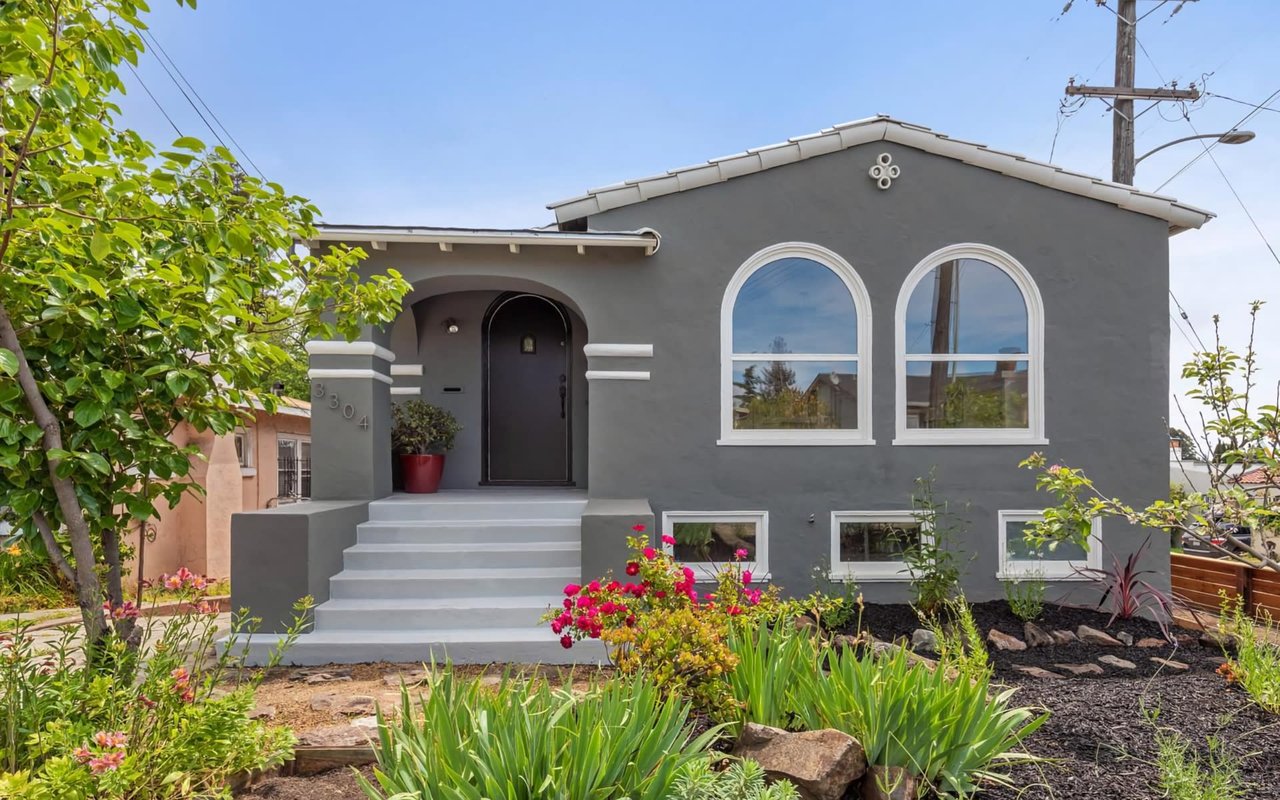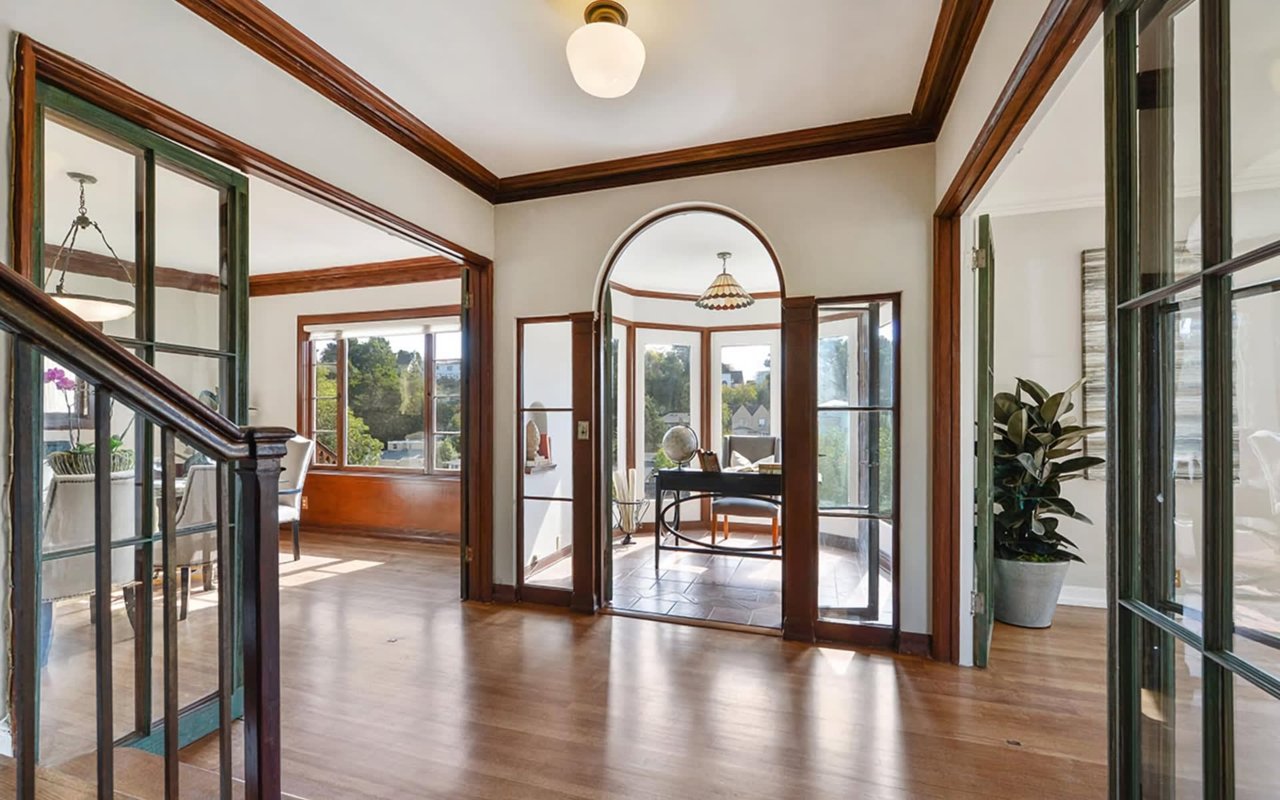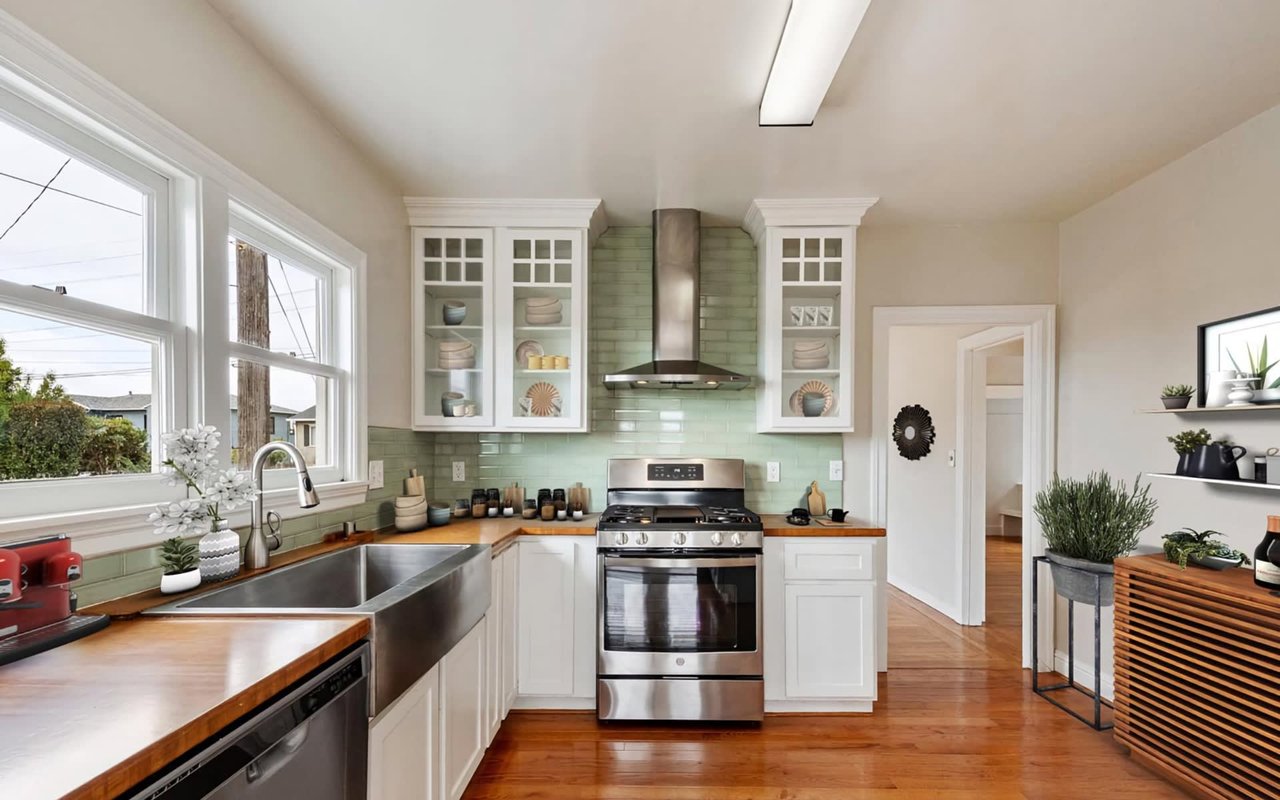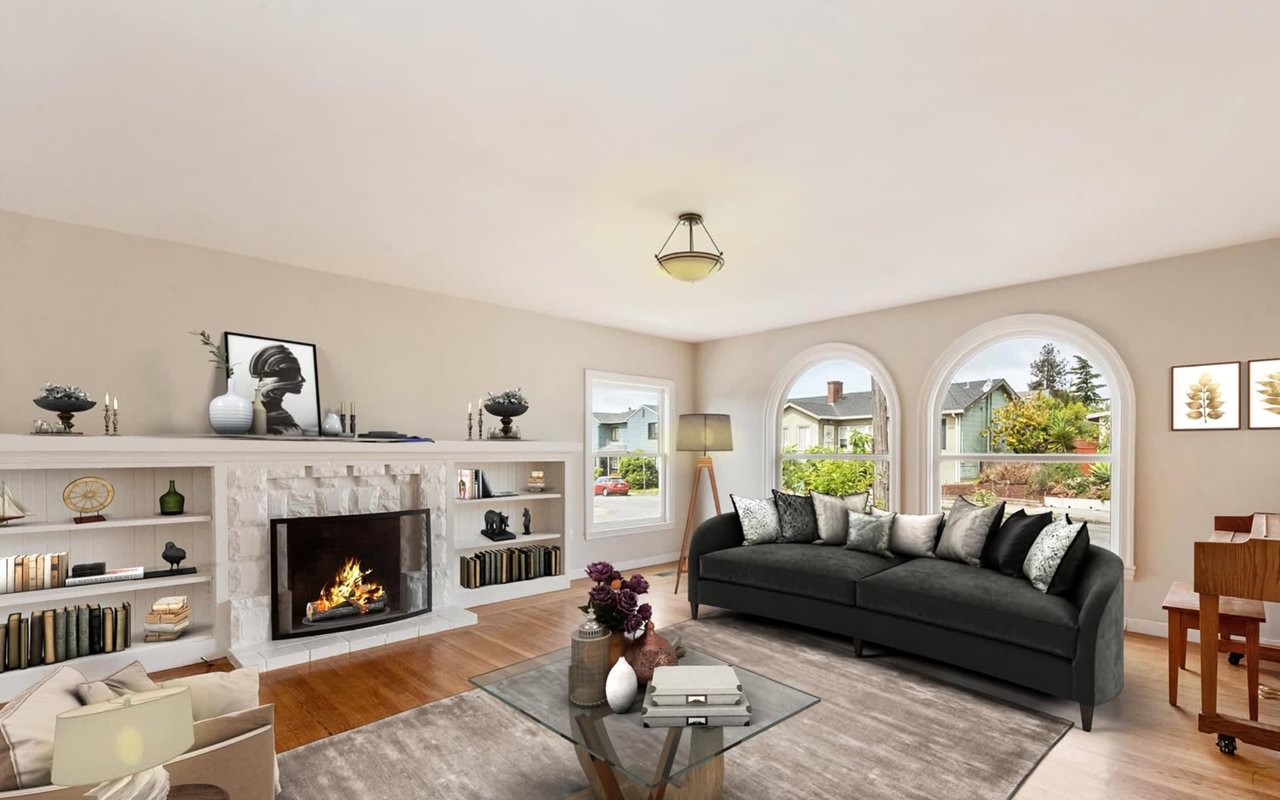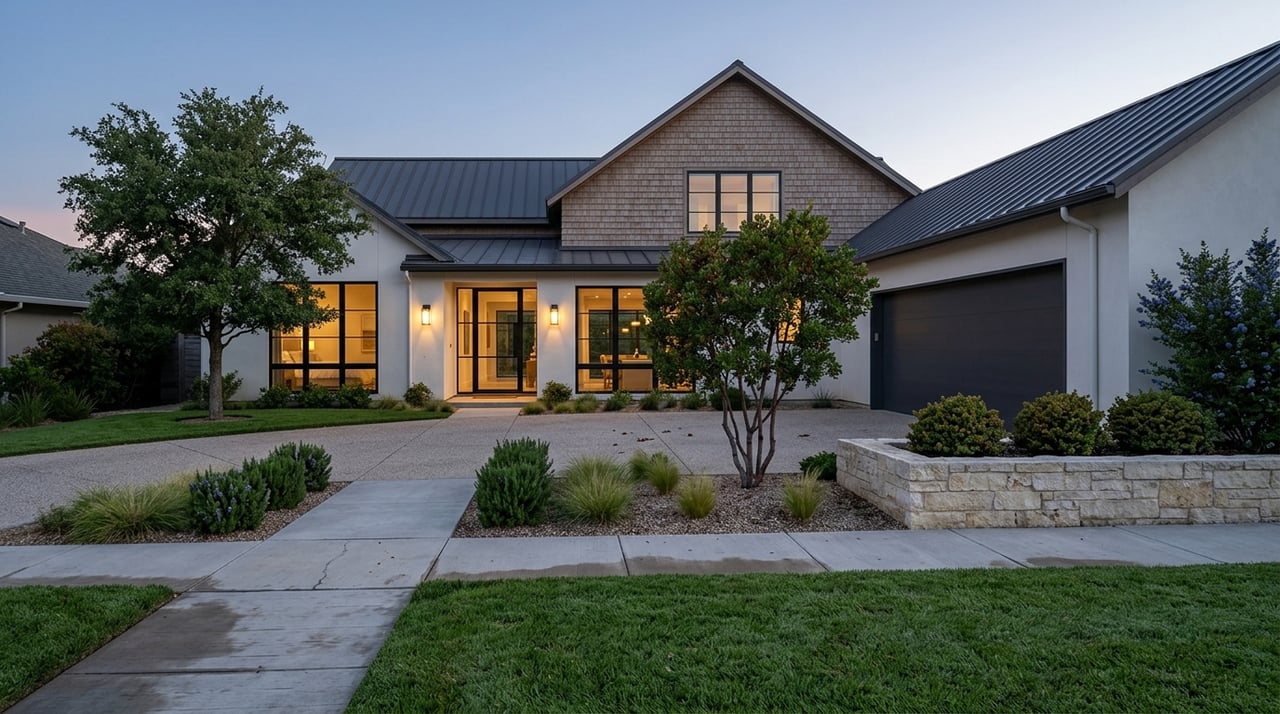
Trying to choose between Contra Costa and Alameda for your next family home? If you are upsizing, this decision often comes down to a few practical questions: how much space you want, how far you are willing to commute, and how much you want to spend. The good news is that both counties offer strong options for East Bay buyers. The key is understanding where each county tends to shine so you can narrow your search with confidence. Let’s dive in.
Start With the Big Picture
For many upsizing buyers, the clearest difference is this: Alameda County is typically the more expensive, closer-in option, while Contra Costa County often offers more space and more detached-home value.
According to the California Association of Realtors data for existing single-family detached homes, the median sale price in December 2025 was $1.181 million in Alameda County versus $839,500 in Contra Costa County. Census QuickFacts also shows a similar long-term value gap, with median owner-occupied home values at $1,090,100 in Alameda and $866,800 in Contra Costa.
That price gap matters if you are trying to move into a larger home without stretching too far on your monthly payment. In simple terms, Contra Costa usually buys more house for the money, while Alameda often commands a premium for location and access.
Compare Cost and Value
Current market data points in the same direction. As of February and March 2026, Realtor.com’s Alameda County market page shows a $895,000 median listing price, $612 per square foot, and 26 days on market.
By comparison, Contra Costa County’s market page shows a $758,888 median listing price, $488 per square foot, and 30 days on market. That means Alameda generally costs more both overall and on a per-square-foot basis.
If your goal is to gain bedrooms, yard space, or a more flexible long-term layout, that difference can have a major impact. Buyers who want to maximize space often find Contra Costa easier on the budget.
Think About Housing Style
Housing mix is another important factor for families who are upsizing. Census data shows owner-occupied housing at 54.4% in Alameda County compared with 68.0% in Contra Costa County. Contra Costa also has lower population density, at 1,626.3 people per square mile versus 2,281.3 in Alameda, according to Census QuickFacts.
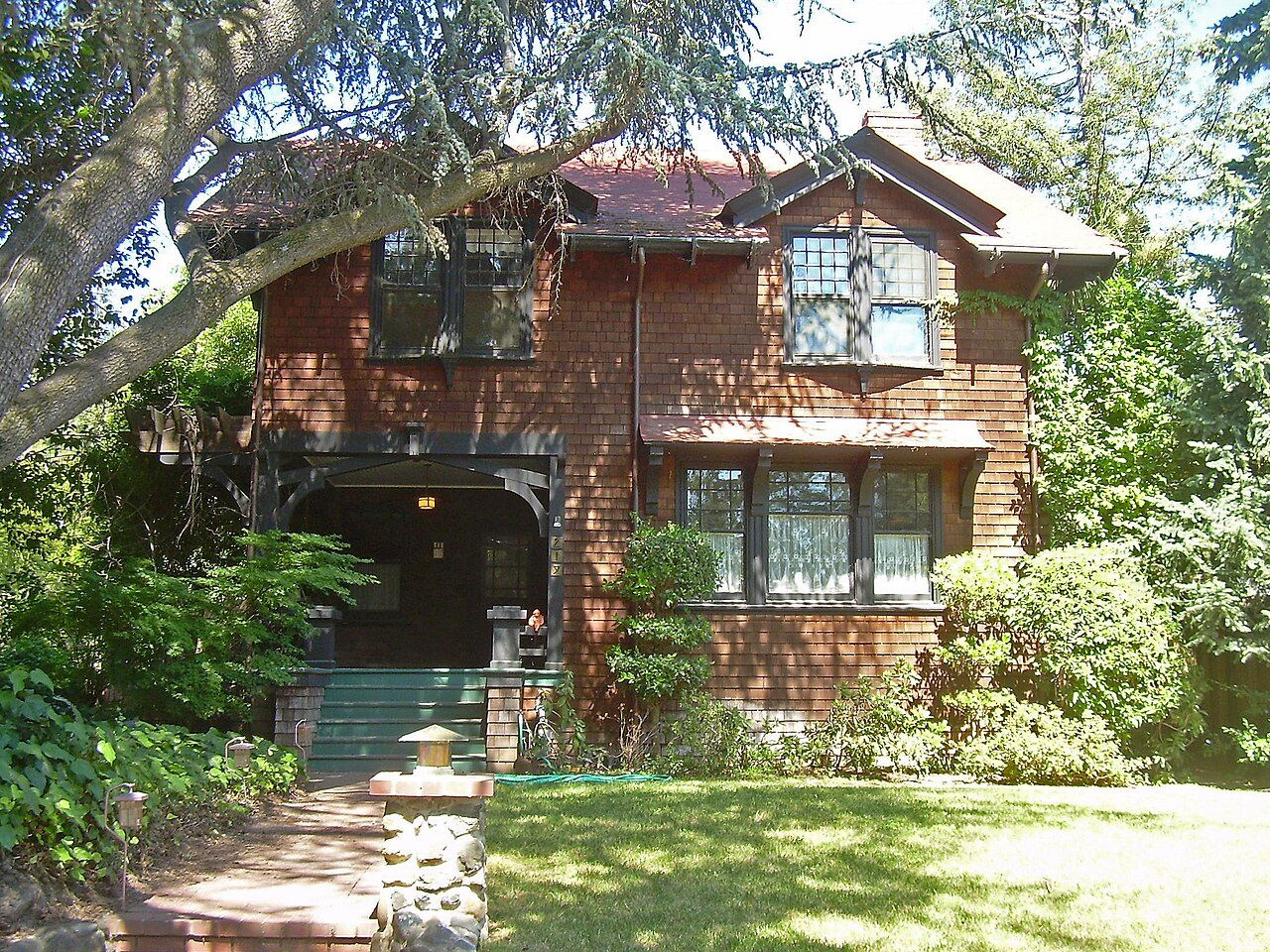
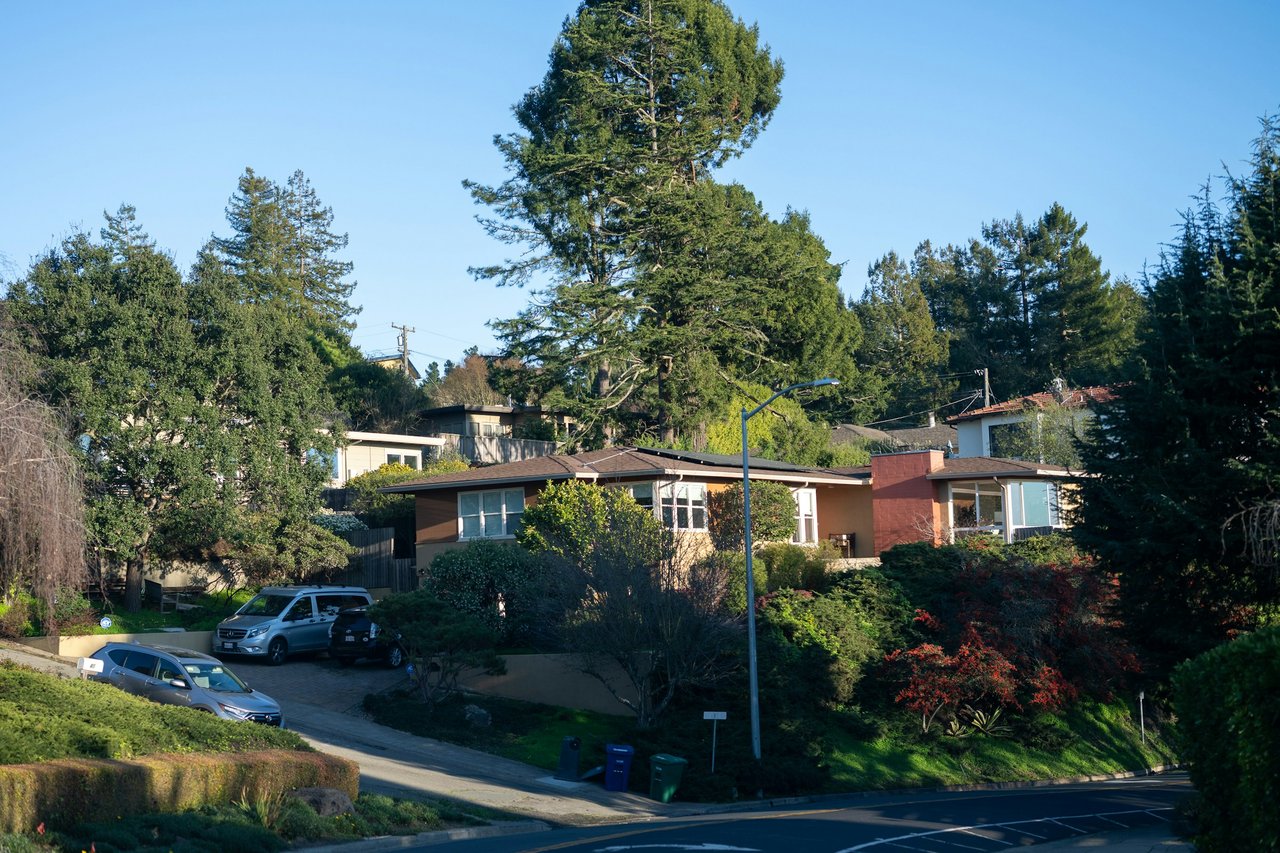
Recent ACS housing profiles add more context. Contra Costa has a 68.3% share of one-unit detached homes, while Alameda has 52.2%. For many families, that supports the common experience on the ground: Contra Costa tends to feel more suburban, while Alameda offers a more mixed urban-suburban housing pattern.
That does not make one better than the other. It simply means your ideal fit depends on whether you prioritize a more classic detached-home setup or a location that may offer easier access to major job centers.
Commute Can Change the Answer
If your household commutes into Oakland, San Francisco, or other major employment centers, the location difference may carry just as much weight as the price difference. Census QuickFacts shows a 31.0-minute mean travel time to work in Alameda County compared with 35.3 minutes in Contra Costa County.
Regional commute analysis from MTC adds an even sharper contrast. The Bay Area’s average commute time was 30 minutes in 2024, but Contra Costa County had the longest average commute in the region at 38 minutes, and about 25% of Contra Costa commuters had commutes of at least 60 minutes.
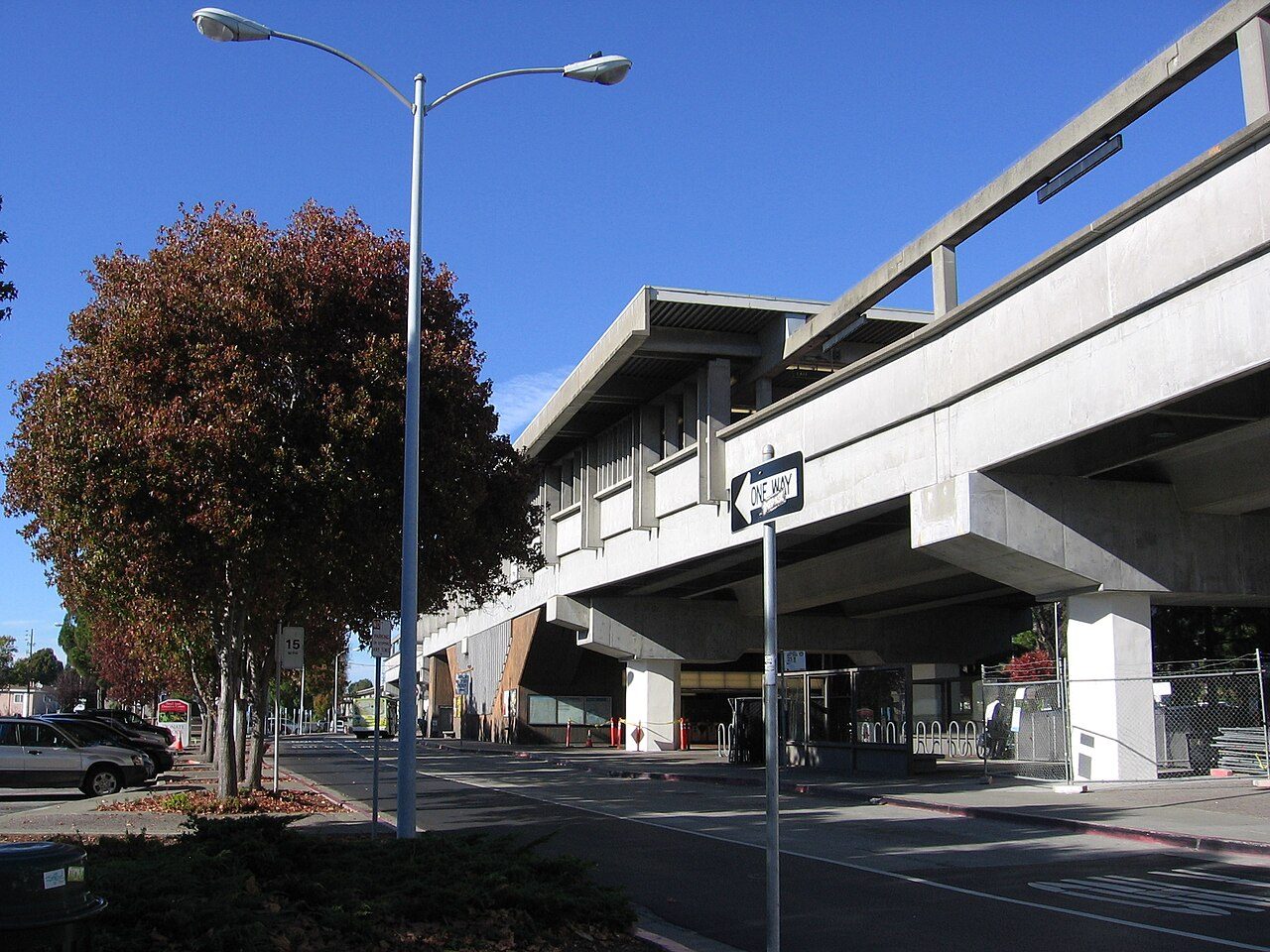
Transit helps in both counties. BART system map materials show service from Richmond to Pittsburg/Bay Point in Contra Costa County and to Fremont plus Dublin/Pleasanton in Alameda County. In practical terms, Alameda often appeals to buyers who want to stay closer in, while Contra Costa can make sense if you are willing to trade some commute time for more home space.
Schools Are a District Decision
When buyers ask which county is better for schools, the most useful answer is usually: do not compare counties, compare districts and attendance boundaries.
Both counties include districts with strong performance indicators, but county-wide labels are too broad to guide a smart home search. Because school assignment is tied to the specific home, it is more helpful to evaluate the district connected to each property than to assume one county wins across the board.
On the Alameda side, Dublin Unified School District materials state that its schools meet standards in all areas on California’s Dashboard. Fremont Unified’s 2025 Dashboard highlights report high achievement across several indicators, including Blue ratings in English language arts, math, science, and college and career readiness.
On the Contra Costa side, San Ramon Valley Unified’s 2024-25 LCAP materials state that the district remains among the highest-rated in California and continues to score in Blue and Green categories across many Dashboard measures.
For families, that means the better question is not “Which county has better schools?” It is “Which specific district and neighborhood match our goals?”
Neighborhood Range Is Wide in Both Counties
One reason this decision can feel tricky is that neither county behaves like a single-price market. Each one has a wide range of cities, home styles, and budget levels.
In Alameda County, Realtor.com market snapshots include Oakland at $650,000, Hayward at $814,000, Livermore at $1.07 million, and Fremont at $1.3 million. In Contra Costa County, market snapshots include Antioch at $599,000, Concord at $688,000, Walnut Creek at $782,500, Brentwood at $795,000, San Ramon at $1.3494 million, and Danville at $1.995 million.
That spread matters. If you are comparing western Alameda County with central Contra Costa, you may reach one conclusion. If you are comparing San Ramon with parts of southern Alameda County, you may reach another. The county line is only the starting point.
Monthly Costs Matter Too
The purchase price is only part of the financial picture. Census QuickFacts shows median monthly owner costs with a mortgage at $3,810 in Alameda County versus $3,435 in Contra Costa County.
That difference, paired with the lower cost per square foot in Contra Costa, helps explain why many upsizing buyers start their search there. If you need more space and want to preserve room in your budget for renovations, childcare, savings, or lifestyle spending, the monthly carrying cost can become a deciding factor.
For some households, though, paying more in Alameda is worth it for commute convenience or a preferred location. This is where your daily routine matters just as much as the spreadsheet.
Which County Fits Your Family Best?
Here is a simple way to think about the trade-offs.
Alameda May Fit Best
Alameda County may be the stronger starting point if you:
- Want a shorter average commute
- Need easier access to Oakland or San Francisco job centers
- Are comfortable paying a premium for a closer-in location
- Are targeting specific districts such as Dublin or Fremont
Contra Costa May Fit Best
Contra Costa County may be the stronger starting point if you:
- Want more square footage for your budget
- Prefer a higher likelihood of detached homes
- Value a more suburban housing mix
- Have flexible commute needs or work hybrid
Either County Can Work
Either county may be a good match if you:
- Are focused on a specific school district rather than a county name
- Want to compare neighborhood-level options carefully
- Are balancing commute, budget, and long-term home value at the same time
The Bottom Line
For most upsizing family buyers, Alameda County is the premium, closer-in choice, while Contra Costa County is the value-and-space choice. Both counties offer strong opportunities, but the best fit usually comes down to the exact neighborhood, home type, commute pattern, and school district tied to the property.
If you are weighing both sides of the East Bay, a smart strategy is to compare your options at the micro-market level rather than rely on county-wide assumptions. That is where a clear plan can save you time, money, and stress.
If you want help comparing neighborhoods, budget trade-offs, and the right next move for your household, Katie & Mark Lederer can help you build a tailored home strategy for your next chapter.
FAQs
Is Contra Costa or Alameda more affordable for an upsizing family home?
- Contra Costa County is generally more affordable, with lower median sale prices and lower price per square foot than Alameda County based on the data in the research above.
Is Alameda County better for commuting than Contra Costa County?
- Alameda County has a shorter mean travel time to work than Contra Costa County, so it is often the better fit for buyers who want to stay closer to major job centers.
Are schools better in Alameda County or Contra Costa County?
- Neither county is uniformly better, because school quality varies by district and attendance boundary, so it is best to compare the specific district tied to each home.
Does Contra Costa County have more detached homes than Alameda County?
- Yes, Contra Costa has a larger share of one-unit detached homes, which can make it more appealing for buyers who want more space, a yard, or a traditional single-family layout.
Should you choose a home by county or by neighborhood?
- For most families, neighborhood, home type, commute, and school district are more useful decision points than county name alone.