Wondering whether a small rental portfolio can still make sense in Contra Costa County? The short answer is yes, but only if you buy with a clear plan for yield, regulation, and long-term value. If you want to grow from one rental into a more durable portfolio, this guide will help you compare submarkets, pressure-test the numbers, and spot opportunities like ADUs that can improve returns. Let’s dive in.
Start With Contra Costa Math
Contra Costa County has a typical home value of $789,908 and an average rent of $2,754, which creates a rough gross rent-to-value ratio of about 4.2% before expenses, taxes, financing, and reserves, based on county housing and rent data. That does not tell you whether a deal works on its own, but it gives you a useful baseline.
For small investors, that baseline matters because the margin for error is not huge. If you underestimate vacancy, maintenance, insurance, or turnover costs, a property that looked acceptable on paper can feel much tighter in real life.
Compare Yield By City
Not every Contra Costa market works the same way. Some cities offer lower entry prices and stronger rent-to-value ratios, while others tend to trade immediate yield for appreciation potential or lifestyle-driven demand.
Here is the broad pattern from the latest data:
City | Avg. Home Value | Avg. Rent | Rough Gross Rent-to-Value |
|---|---|---|---|
Antioch | $598,211 | $2,801 | 5.6% |
Pittsburg | $569,428 | $2,425 | 5.1% |
Richmond | $606,427 | $2,568 | 5.1% |
San Pablo | $569,732 | $2,151 | 4.5% |
Concord | $729,153 | $2,508 | 4.1% |
Walnut Creek | $1,045,017 | $2,784 | 3.2% |
These figures come from the city-level Zillow home value and rent data for Contra Costa County, including Antioch, Pittsburg, Richmond, San Pablo, and Walnut Creek. In simple terms, eastern and some west-county value pockets often show better cash-flow math, while higher-priced areas tend to produce less rent for each dollar invested.
What That Means for a Small Portfolio
If your goal is to build a portfolio gradually, you usually need a mix of stability and flexibility. One or two properties in lower-entry submarkets may support better cash flow, while another property with stronger appreciation potential or ADU upside can strengthen the portfolio over time.
That balance is important in Contra Costa because premium areas can still be excellent long-term holds, but they often rely more on appreciation and tax basis strategy than on day-one cash flow. By contrast, lower-priced markets may give you more income efficiency, but you still need to underwrite carefully.
Underwrite Conservatively
A small portfolio gets stronger when you buy based on verified rent and then test the deal against less favorable conditions. Countywide rent was 2.8% higher year over year as of March 31, 2026, according to Contra Costa rent data, but you should not assume that pace will continue or that local rules will let you match it.
Instead, build your first-year model around realistic market rent, then stress-test for:
- Vacancy between tenants
- Slower rent growth
- Turnover costs
- Ongoing maintenance
- Insurance increases
- Capital reserves
- Professional management if you do not plan to self-manage
Watch Property Taxes Closely
California property taxes are often misunderstood. Under Proposition 13, property tax is generally 1% of taxable value plus local voter-approved assessments, not simply a flat 1% of the purchase price, according to the California State Board of Equalization.
That detail matters when you are comparing multiple properties with similar rents. In tighter-yield submarkets, a small miss on taxes or fixed expenses can materially change your monthly performance.
Know the Local Rules Before You Buy
One of the biggest mistakes small investors make is treating Contra Costa like one uniform rental market. It is not. State law matters, but city-level rules can have a major impact on your rent growth, compliance workload, and exit strategy.
The California Attorney General’s overview of the Tenant Protection Act explains that the law generally limits rent increases for many covered properties to 5% plus CPI or 10%, whichever is lower, over a 12-month period. It also notes that stronger local laws take precedence when a city has them.
Cities With Extra Compliance Layers
A few Contra Costa cities deserve special attention when you are building a portfolio.
Antioch rental rules
Antioch has a local Rent Stabilization Ordinance. The city says rent increases have been capped at 60% of CPI in several periods, or 3% when CPI is above 5%, and increases must be spaced at least 12 months apart.
Richmond rental rules
Richmond operates its own rent program. The city published a 2025 Annual General Adjustment of 1.62% for controlled rental units, along with filing and notice requirements tied to rent increases.
San Pablo and El Cerrito reporting rules
San Pablo requires rent registry reporting for residential rental properties, including single-family homes and ADUs, based on the city-specific summary in the research report. El Cerrito also requires mandatory rent registry reporting for residential rental properties, including single-family homes and ADUs, even though the city says the registry is not currently being used to regulate rents.
For a small investor, these rules are not just administrative details. They affect annual income growth, tenant turnover planning, and how much time and attention each property will require.
Look for Real Value-Add
In a market where gross yields are often modest, the best value-add strategy is usually the one that improves income or reduces downtime. Cosmetic updates alone may help with resale, but they do not always strengthen rental performance enough to justify the spend.
In practical terms, value-add often means:
- Updating kitchens or baths where improvements support higher achievable rent
- Choosing durable finishes that reduce future turnover costs
- Improving laundry functionality
- Adding parking utility where allowed
- Making layout changes that make the home easier to lease
The key is to tie every renovation dollar to a likely operational benefit. If the work does not increase rent, reduce vacancy, or improve long-term usability, it may not move the portfolio forward.
Consider ADUs as a Growth Tool
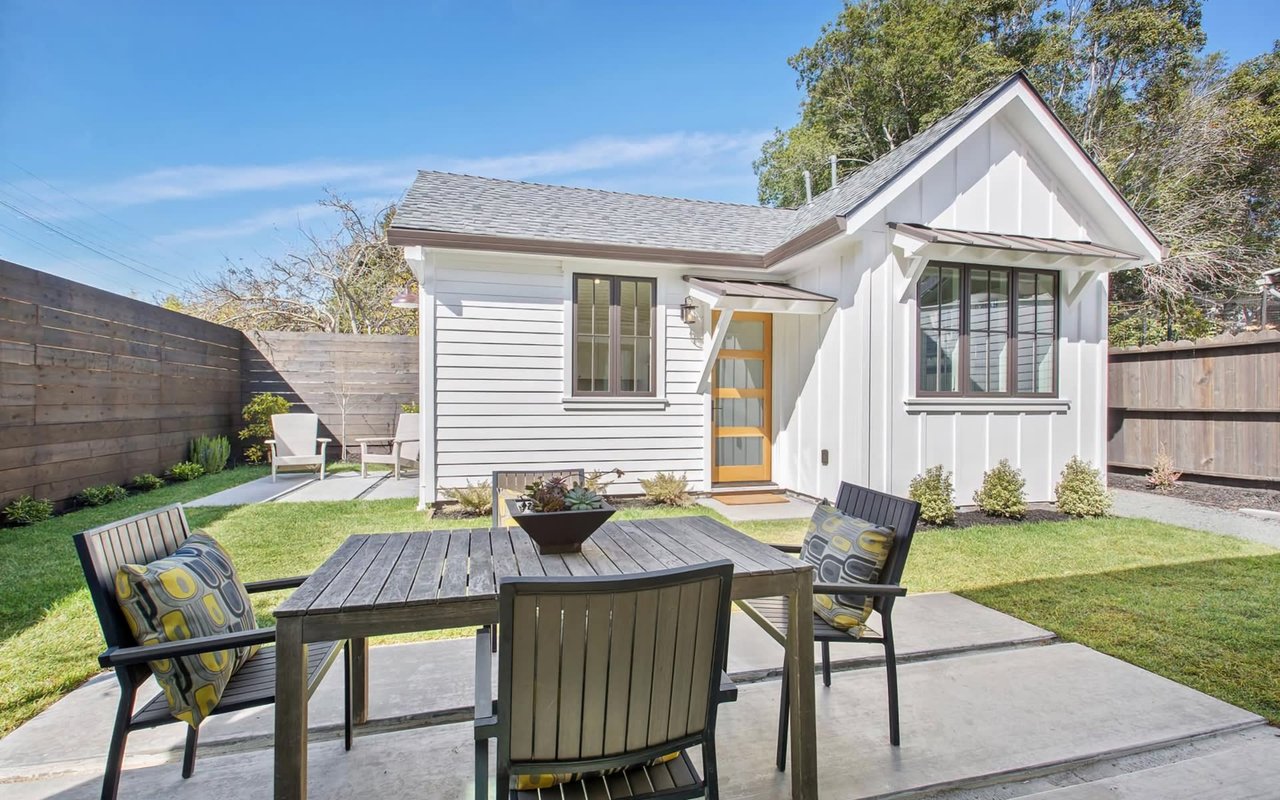
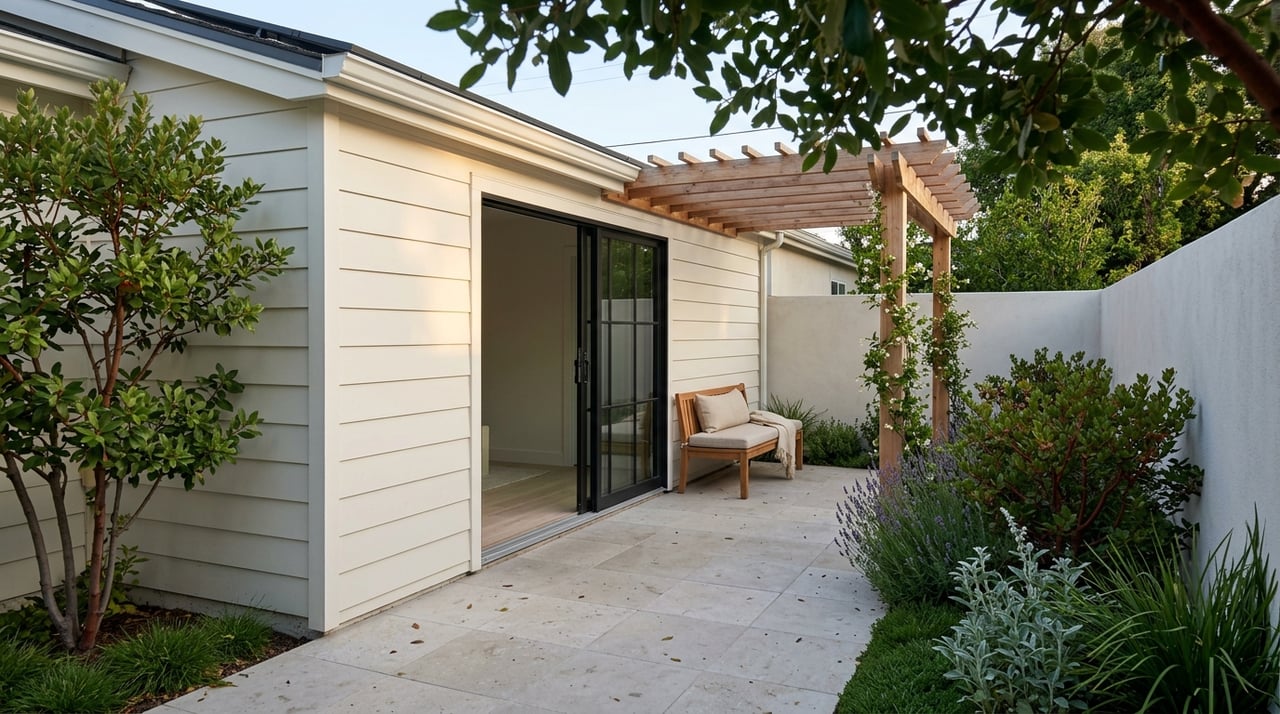
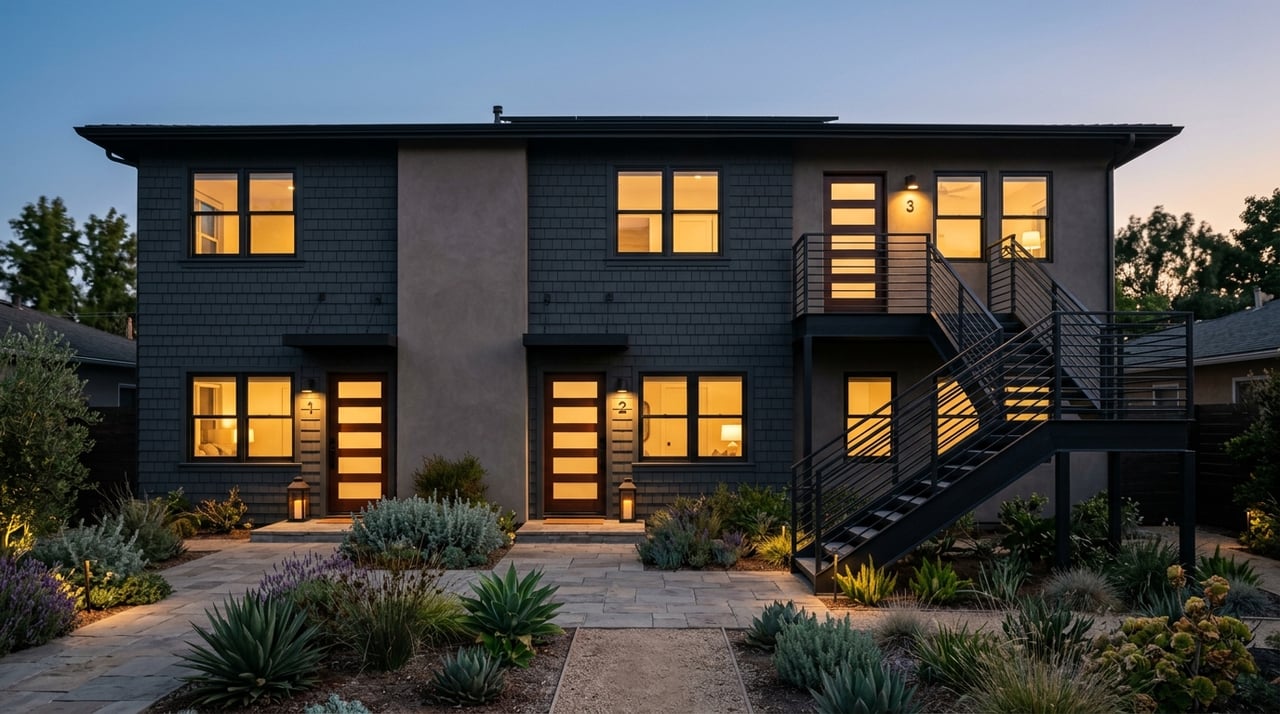
For many owners in Contra Costa, an ADU can be one of the most efficient ways to add rental income without buying a separate property. That is especially useful if you already own a home on a lot with enough space, utility access, and a workable permitting path.
The California HCD ADU handbook update highlights several investor-relevant points:
- Local agencies cannot impose owner-occupancy requirements on most ADUs
- Some ADUs are exempt from parking requirements, including those within one-half mile of transit
- Completed ADU applications generally have a 60-day review clock
- Detached ADUs using a preapproved plan have a 30-day approval requirement in the circumstances described by HCD
- ADUs may be limited to rentals of 30 days or longer, making them better aligned with long-term rental strategies
Contra Costa County also notes on its ADU resource page that preapproved plans still require site-specific planning review, and some properties may need additional foundation, geotechnical, environmental health, safety, or fire review.
When an ADU May Beat Buying Another Rental
An ADU often makes more sense than a separate acquisition when:
- You already have meaningful equity in your existing property
- Your lot can support an additional legal unit
- Local parking and utility conditions are workable
- You want to add income without taking on a second full acquisition
- You are comfortable managing a real construction and permitting process
That said, an ADU is not automatic value. You still need to compare total project cost, approval timeline, likely rent, and operational complexity before deciding whether it outperforms a separate purchase.
Build a Balanced Hold Strategy
A strong small portfolio is not just about buying the highest apparent yield. It is about combining properties that fit your goals, risk tolerance, and management capacity.
In Contra Costa, that may mean holding one property that offers better current income in a lower-entry submarket and another asset with appreciation upside or ADU potential. It may also mean selling a low-income-producing property if the equity is trapped in an asset with stricter regulation, rising capital needs, and limited room to improve returns.
That kind of review is where experienced local guidance matters. If you are weighing acquisition, renovation, ADU expansion, or a hold-versus-sell decision in Contra Costa, Katie & Mark Lederer can help you evaluate the numbers, the property story, and the practical path forward.
FAQs
What is a good city for starting a small rental portfolio in Contra Costa County?
- Based on the latest rent and home value data, Antioch, Pittsburg, and Richmond show stronger rough gross rent-to-value ratios than higher-priced areas like Walnut Creek, which may make them worth a closer look for income-focused buyers.
- Ratios are a screen, not a plan; whether a second property belongs in your balance sheet at all is what our financial planning advisors model first.
How do local rent rules affect Contra Costa rental property investing?
- Local rules can limit annual rent increases, require notices or filings, and add registry obligations, so you should check each city before underwriting a deal.
Does the California Tenant Protection Act apply to Contra Costa rentals?
- The Tenant Protection Act applies to many covered rental properties, but stronger local laws in cities such as Antioch or Richmond can control instead.
When does an ADU make sense for a Contra Costa rental strategy?
- An ADU may make sense when your lot supports it, the permitting path is workable, and the projected rent justifies the construction cost and timeline better than another purchase would.
How should you estimate property taxes for a Contra Costa rental?
- You should model property taxes under California’s Proposition 13 framework as 1% of taxable value plus local voter-approved assessments, rather than assuming a flat 1% of purchase price.
Is Walnut Creek a good rental portfolio market in Contra Costa County?
- Walnut Creek can still be a strong long-term holding, but the current rent-to-value relationship suggests it is often more appreciation-driven than cash-flow-driven compared with lower-entry markets in the county.