Thinking about adding an ADU to your Contra Costa County property? You are not alone. ADUs can create flexible living space, long-term rental income, or room for multigenerational living without moving. The rules can feel complicated, but once you know the basics, the path gets much clearer. In this guide, you will learn the statewide rules that set the foundation, how Contra Costa cities and the County differ, the steps that affect cost and timing, and a simple plan to move forward. Let’s dive in.
What counts as an ADU in California
Accessory dwelling units come in a few main forms under state law:
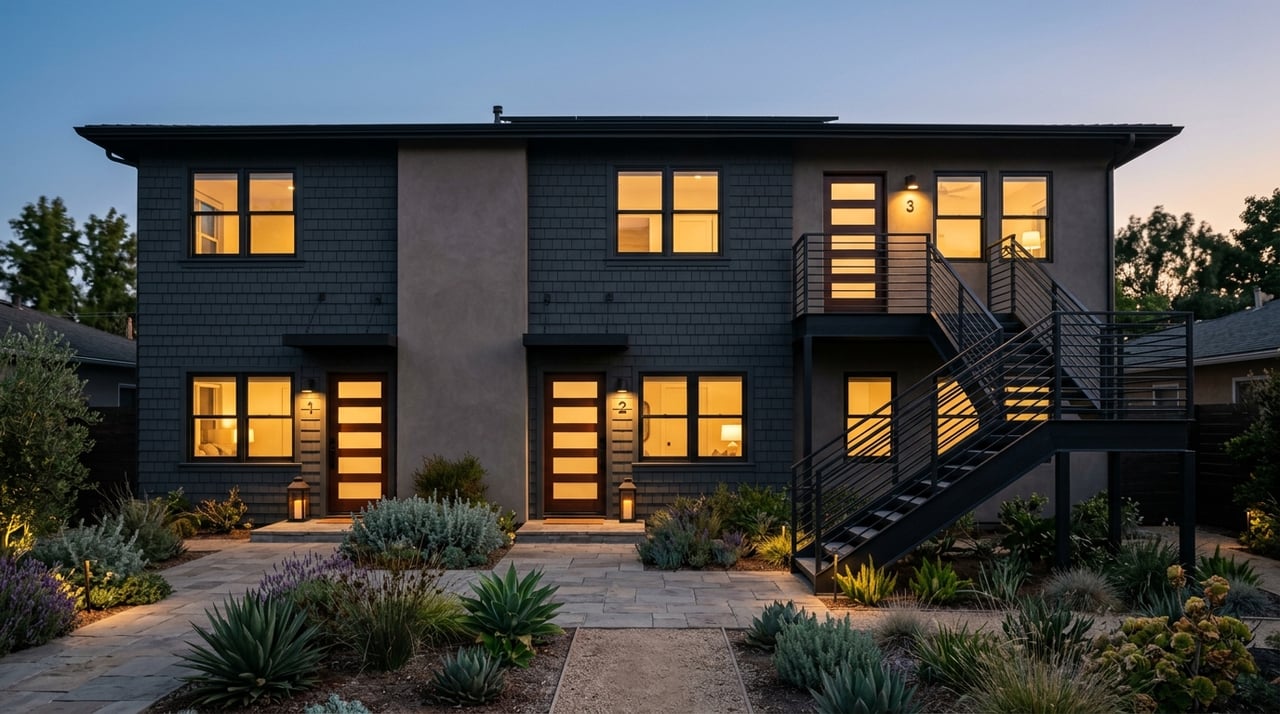
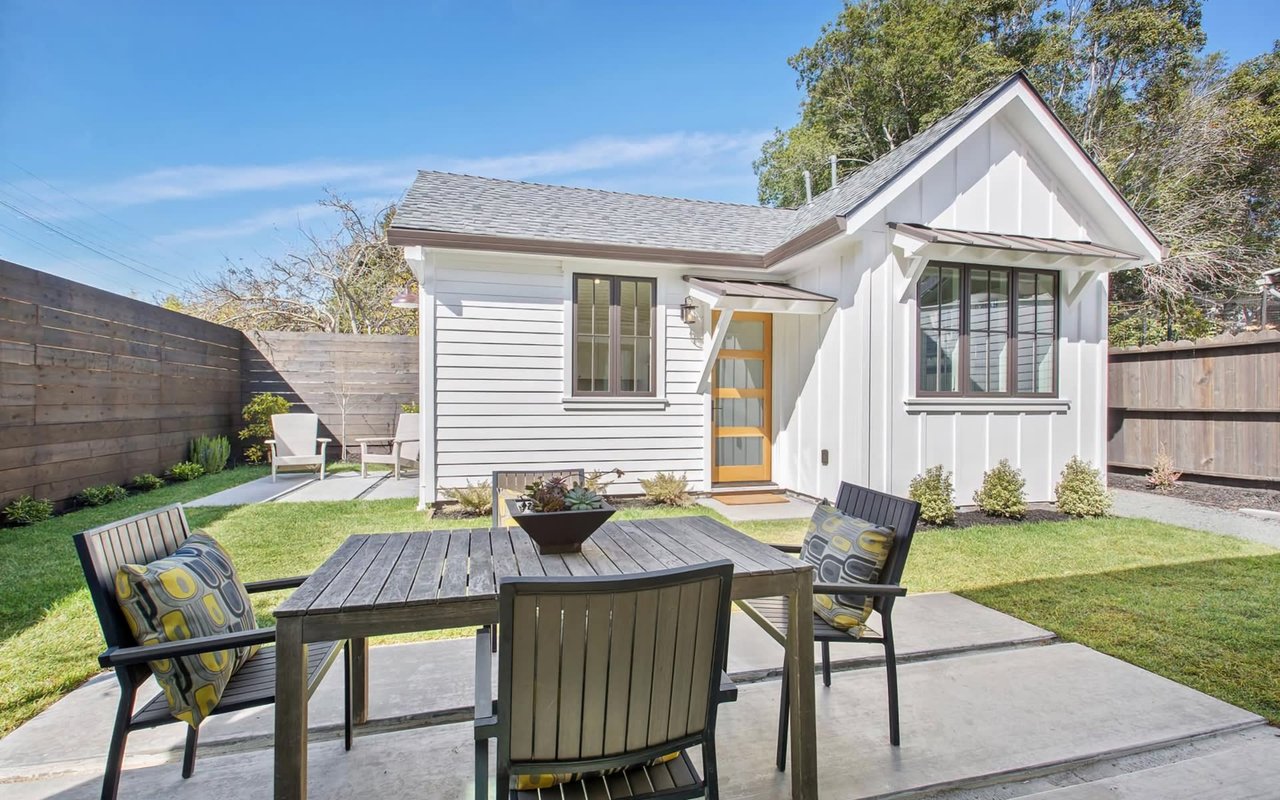
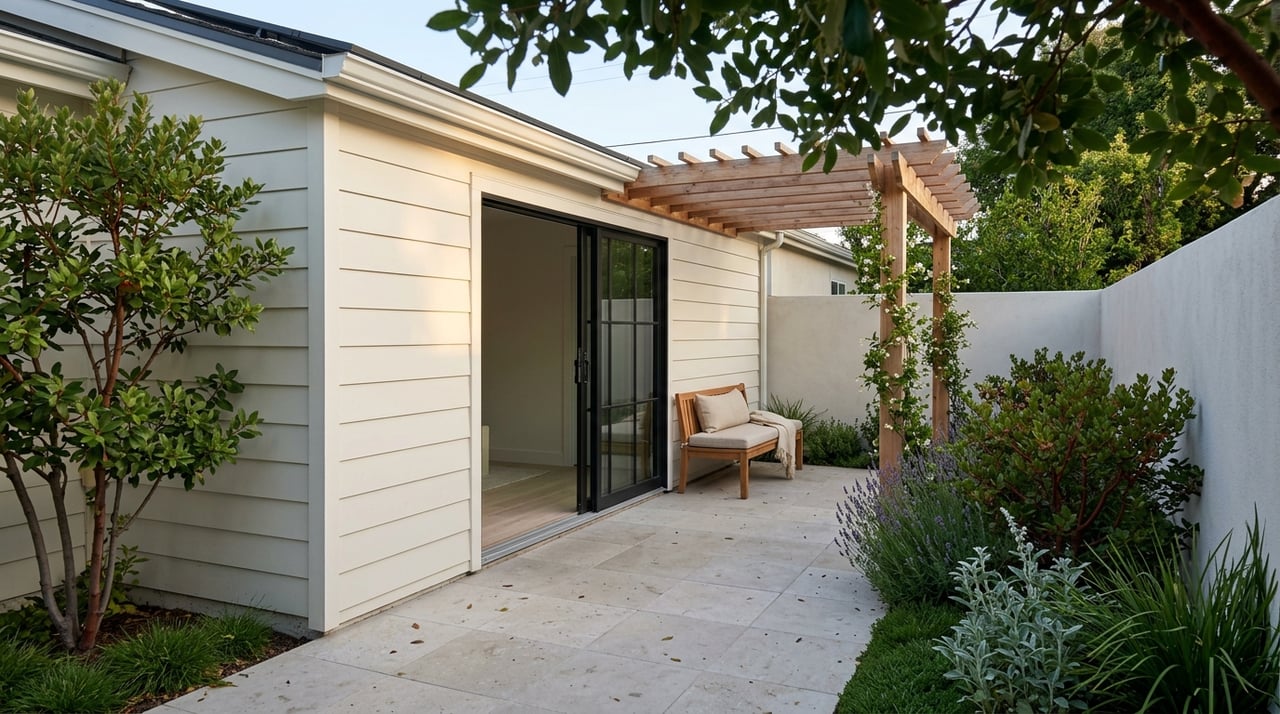
- Detached ADU: A separate, stand-alone structure on your lot.
- Attached ADU: An addition that is connected to your main home.
- Conversion ADU: A living unit created by converting existing space, such as a garage, attic, or basement.
- Junior ADU (JADU): A smaller unit created from space within the main home. By state law, a JADU is typically up to 500 square feet and usually shares a main entry or certain utilities with the primary residence.
All ADUs must meet building, fire, and health and safety codes. Your city or the County will apply objective standards like setbacks and height. The key is that approvals happen ministerially if you meet those standards, which reduces uncertainty.
State rules that shape your project
California’s primary ADU statute, Government Code §65852.2, preempts local rules that block compliant ADUs. Here are the big statewide points to know:
- Ministerial approval: If your ADU meets objective standards, your jurisdiction must review it without discretionary design review. This keeps the process predictable.
- Objective standards only: Cities and the County can set clear, measurable rules like height, setbacks, and lot coverage. They cannot impose standards that effectively prevent ADUs in conflict with state law.
- Parking flexibility: State law reduces or waives parking in many cases. Common exemptions include JADUs, conversion ADUs, sites within one-half mile of public transit, sites in certain historic districts, or when required parking cannot be provided on-site.
- Fees and connections: Impact and utility connection fees may apply, especially for larger detached or attached ADUs. State law limits or waives some fees for smaller units. Always verify current fee thresholds with your local permit counter.
- Owner-occupancy: Recent state changes limit local owner-occupancy requirements for many ADUs. Local nuances may still apply, so confirm your city or County rules.
These statewide protections are why ADU projects are increasingly feasible across Contra Costa County. Even so, the details that affect budget and schedule still depend on your city or the unincorporated County.
County vs. city permitting: where to start
Your first step is to confirm if your property is in an incorporated city or in unincorporated Contra Costa County. If you are in the unincorporated area, the County’s Planning, Building, and Permit Center is your primary point of contact. If you are inside an incorporated city, you will follow that city’s rules and fee schedule.
Common incorporated cities include Walnut Creek, Concord, Richmond, San Ramon, Antioch, Pittsburg, Brentwood, Pleasant Hill, Martinez, Danville, Lafayette, Orinda, Moraga, Hercules, Pinole, and Clayton.
Do this to get oriented:
- Check your jurisdiction using the County Assessor or local GIS resources.
- If unincorporated, contact the County Planning/Permit Center for ADU requirements and fees.
- If in a city, go to your city’s Planning or Building department ADU page for standards, applications, and fees.
- Ask for a pre-application conversation to confirm the objective standards that will apply to your lot.
Key rules that drive cost and timing
Size, height, and setbacks
Local standards control how large your ADU can be, how tall it can go, and how far it must sit from property lines. Many jurisdictions use reduced setbacks for detached ADUs compared to main houses, and some allow compact layouts that fit behind the primary home. Hillside, environmentally sensitive, or historic areas can have more restrictive rules. Always verify the current code before you design.
Parking requirements
Parking often surprises owners. Many ADUs qualify for reduced or waived parking under state law, especially if you are converting existing space, building a JADU, or your lot is within one-half mile of public transit. When parking is required, some cities allow tandem spaces or small-format stalls. If street parking permits are required in your area, check how that interacts with ADU parking rules. Ask your planner early so your site plan accounts for the correct number of spaces.
Utility connections and impact fees
Water and sewer connection fees, capacity checks, and meter requirements can vary by utility district. In Contra Costa County, properties may be served by different agencies for water and sewer, and those agencies set their own processes and costs. Electrical service upgrades are sometimes needed if your current panel cannot support another kitchen and HVAC load. These items can be large budget drivers, so get clarity before finalizing design.
State law limits some impact fees for small ADUs, but larger units can still trigger fees for traffic, parks, schools, or utilities depending on local rules. Your permit counter and utility providers can supply current fee estimates.
Permitting path and likely timeline
Most ADU projects move through a similar sequence:
- Pre-application or planning consultation to confirm standards and fees.
- Prepare plan-set drawings with your designer or architect.
- Submit your building permit application.
- Plan review by building, structural, electrical, and plumbing reviewers.
- Permit issuance and payment of required fees.
- Construction with inspections at key stages.
- Final inspection and certificate of occupancy.
Timelines vary by jurisdiction and workload. As a rough Bay Area context, plan preparation can take 1 to 3 months, permit review can range from a few weeks to several months depending on completeness and staffing, and construction can take 2 to 9 months depending on scope. Garage conversions and JADUs are usually fastest. New detached ADUs typically take longer due to site work and utilities.
Cost ranges: what to expect
Costs depend on scope, site conditions, and finish level. In the Bay Area, conversion ADUs and JADUs often land in the tens of thousands to low six figures. Detached or larger attached ADUs commonly fall in the low to mid six figures. These ranges shifted during 2020 to 2024 due to labor, materials, and permitting. Always get multiple local bids and confirm current fees before finalizing your budget.
Site conditions that increase cost or time
- Sloped or irregular lots that require grading or retaining walls
- Poor soils, floodplain issues, or high water table
- Septic systems that require special design or upgrades
- Historic or design overlays and any HOA covenants, conditions, and restrictions
If you have any of these, discuss them with your planner and your design team early. Early due diligence can save months.
Renting your ADU and taxes
Owner-occupancy and rentals
State law has limited many owner-occupancy rules for ADUs, but local nuances can remain. Many owners rent ADUs long-term. If you choose to rent, you must follow state landlord-tenant law, habitability rules, and any local rent control or registration requirements that apply in your city. California’s Tenant Protection Act (often referred to as AB 1482) sets limits on rent increases for many covered units, with exemptions for some newer properties and certain ownership categories. Check the interplay of state and local rules for your specific property.
Short-term rentals are often regulated separately. Some Contra Costa cities restrict or prohibit ADUs from being used as short-term rentals. Confirm your city’s current regulations and business licensing before planning on short-term rental income.
Property taxes and insurance
Adding an ADU generally increases assessed value for property tax purposes. The Contra Costa County Assessor can explain how additions are treated under current assessment practices. It is also smart to talk to your insurance provider before you build. You may need policy changes for construction, occupancy, and liability.
City-by-city checklist for Contra Costa
Each municipality sets its own objective standards, fees, and processes within state law. Use this checklist when you visit your city’s ADU page or speak with a planner:
- Does the city have an ADU checklist or application packet?
- What are the maximum sizes for attached, detached, and conversion units?
- What are the setback and height rules for ADUs on your lot type?
- What parking is required and what exemptions apply near transit?
- Are there pre-approved ADU plans or expedited options?
- What are the building permit, impact, and utility connection fees?
- Which water and sewer districts serve the property, and what are their capacity rules and costs?
- What are the short-term rental regulations and any rental registration steps?
- Are there hillside, historic, or neighborhood-specific standards that apply?
Priority cities to check include Walnut Creek, Concord, Richmond, San Ramon, Antioch, Pittsburg, Brentwood, Pleasant Hill, Martinez, Danville, Lafayette, Orinda, Moraga, Hercules, Pinole, and Clayton.
A simple step-by-step plan
Follow this practical workflow to keep your project on time and on budget:
- Confirm your jurisdiction using the County Assessor or a GIS map.
- Download your city or the County’s ADU handout and current fee schedule.
- Schedule a pre-application conversation with Planning/Building to confirm objective standards, parking, and any overlays.
- Identify utility providers for water, sewer, and electric. Ask about connection requirements, capacity checks, and fees.
- Run a quick feasibility test: lot coverage, setbacks, slopes, access, and any HOA or historic constraints.
- Engage a designer or architect to prepare plan-check-ready drawings.
- Request multiple contractor bids and confirm lead times, especially for electrical upgrades and utility trenching.
- Submit for building permit with a complete plan set to reduce review cycles.
- Before construction, contact the County Assessor about reassessment and your insurer about coverage changes.
- Plan your timeline for inspections and final occupancy so you can lease or occupy the unit on schedule.
Pro tips from local advisors
- Start with the small wins. If your site supports a conversion ADU or a JADU, those can deliver usable space faster and at a lower cost than a new detached unit.
- Design to objective standards from day one. Ask your planner for the ADU-specific height, setback, and parking rules that apply to your lot. Design to those numbers to avoid redesigns.
- Vet utilities early. Connection fees and panel upgrades can swing budgets. Clarify requirements with utility providers before you price finishes.
- Plan for your end use. If you intend to rent, align layout and materials with long-term durability and local rental rules. If you plan for family use, prioritize accessibility and privacy.
- Keep financing and value in view. Consider how an ADU affects your long-term wealth plan, including cash flow, resale value, and estate planning. Coordinating financing and insurance up front helps you stay on track.
Building an ADU in Contra Costa County is very doable when you follow the rules and work step by step. If you want a clear plan that balances lifestyle needs with long-term value, reach out to us. Our team brings practical, East Bay market expertise and a network of local pros to help you move from idea to keys with confidence. Connect with Katie & Mark Lederer to discuss the best path for your property.
FAQs
Can I build an ADU on my Contra Costa lot?
- In most residential zones, yes, if your design meets objective standards for size, height, setbacks, parking, and building codes; confirm with your city or the County.
Do I need to live in the main house to add an ADU?
- State law has limited many owner-occupancy requirements for ADUs, but some local nuances remain, so review your jurisdiction’s current ordinance.
Are parking spaces required for ADUs in Contra Costa County?
- Often no for JADUs and conversion ADUs, and not when within one-half mile of transit or in certain historic districts; verify local rules for your site.
How much do ADUs cost in the East Bay?
- Conversion ADUs and JADUs often fall from tens of thousands to low six figures, while detached units commonly run in the low to mid six figures; get local bids.
- Bids vary widely on the same scope, so it is worth having a second read on them; our renovation advisors review ADU bids against what the finished unit is likely to add in value.
Will my property taxes go up after adding an ADU?
- Yes, adding an ADU typically increases assessed value; the Contra Costa County Assessor can explain how reassessment works for your project.
Can I rent my ADU short-term on Airbnb in Contra Costa County?
- Short-term rental rules vary by city, and some prohibit ADUs as short-term rentals; check your city’s current regulations and licensing requirements.