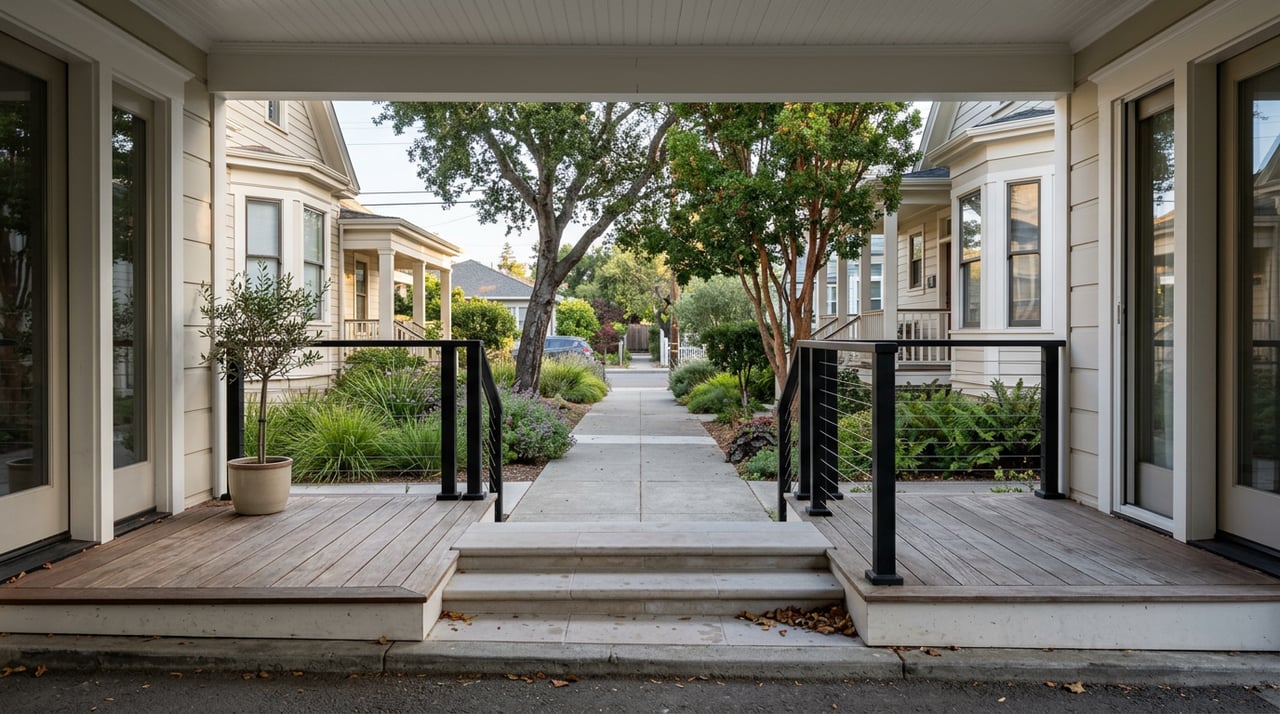
If you own a home in Marin and you are thinking about a smaller next chapter in the East Bay, the move can look simple on paper and feel complicated in real life. You may be balancing sale timing, tax questions, monthly cost goals, and the challenge of finding the right replacement home before your current one closes. With a clear plan, you can reduce stress, protect flexibility, and make smarter decisions at each step. Let’s dive in.
Why Marin-to-East Bay downsizing takes planning
For many Marin homeowners, the East Bay offers a chance to simplify without leaving the Bay Area. Recent county-level data show a median sale price of $1,362,781 in Marin, compared with $1,022,438 in Alameda County and $779,750 in Contra Costa County. That price gap can create opportunity if your goal is to lower your housing costs, free up equity, or buy a home with less upkeep.
At the same time, this is not a market where you want to wing it. Months of supply in these counties are clustered around 2.3 to 2.5, which points to relatively limited inventory. That means your sale, search, and closing plan should work together from the start.
Start with your downsizing goals
Before you look at East Bay listings, define what “downsizing” really means for you. For some households, it means less square footage. For others, it means fewer stairs, lower maintenance, easier parking, or more predictable monthly costs.
A focused set of priorities can keep your search practical. In many cases, the best replacement home is not the one with the most space. It is the one that supports how you want to live now and over the next several years.
Key filters for an East Bay search
When comparing homes, it helps to rank your must-haves early. Common filters for downsizers include:
- Lower ongoing maintenance
- Manageable monthly ownership costs
- Convenient parking
- Useful storage
- Access features that fit long-term needs
- A floor plan that feels comfortable without extra rooms to maintain
If you are considering a condo or townhome, review the HOA materials carefully during your contingency period. That includes documents and financials that may affect your costs, rules, or comfort level with the property.
Decide how to sequence the sale and purchase
One of the biggest Marin downsizing decisions is timing. Do you sell first, buy first, or try to line up both at once? The right answer depends on your finances, your risk tolerance, and how much overlap you can comfortably carry.
There is no one-size-fits-all solution. What matters most is understanding the tradeoffs before you commit to an offer or put your Marin home on the market.
Option 1: Sell first, then buy
Selling first can give you a clear budget for your East Bay purchase. You will know your net proceeds, your available cash, and how much flexibility you have on monthly costs.
This approach can also reduce the risk of carrying two homes at the same time. The challenge is that you may need temporary housing or a seller rent-back if your replacement home is not ready by closing.
Option 2: Buy with a contingency
If you find the right East Bay home before your Marin property sells, you may consider writing an offer with a home-sale contingency or a home-close contingency. A home-sale contingency gives you time to sell your current home. A home-close contingency lets you close on that sale first.
These tools can reduce financial pressure, but they need clear deadlines and terms. In a competitive setting, sellers may keep the listing active with continue-to-show or kick-out clauses if a stronger offer appears.
Option 3: Buy first with bridge financing
Some homeowners prefer to buy before selling, especially if they want to move once and avoid a rushed search. A bridge loan can provide short-term financing by helping you access equity in your current home before it sells.
This can make your East Bay offer stronger because it may reduce the need for a sale contingency. Still, bridge financing is not automatic. Lenders typically review creditworthiness and income, not just home equity.
Why Prop 19 timing matters
For many Marin downsizers, Proposition 19 is one of the most important planning pieces. According to the California Department of Tax and Fee Administration, eligible homeowners who are 55 or older, severely disabled, or victims of wildfire or natural disaster may transfer the taxable value of a primary residence to a replacement primary residence anywhere in California if the replacement is purchased or newly constructed within two years of the original sale.
The California Board of Equalization also notes that eligible homeowners age 55 and older or disabled homeowners may use this transfer up to three times. That can be a major benefit if you are trying to preserve property tax advantages while moving to the East Bay.
The buy-first tax trap to understand
Timing still matters. If you buy the replacement home before your Marin home sells, the replacement property can be taxed at full fair market value during the interim period.
The Board of Equalization says there is no refund for that interim period once the original sale closes. That is one reason many downsizers prefer a plan that uses a rent-back or short-term bridge strategy instead of a long overlap between homes.
Prepare your Marin home with a light, smart touch
Downsizers often ask how much work to do before listing. In most cases, the answer is not a full remodel. A shorter list of visible repairs and cosmetic improvements is usually the better path.
The National Association of REALTORS® 2025 Remodeling Impact Report found that REALTORS® most often recommend painting the entire home, painting one room, and new roofing before selling. The same report also found that a new steel front door had the highest cost recovery at 100%, which supports the value of selective, visible upgrades.
Pre-listing improvements worth considering
If your goal is to improve first impressions and reduce buyer objections, focus on practical updates such as:
- Interior paint where rooms feel worn or dated
- Touch-up work for visible deferred maintenance
- Roof replacement if condition is an issue
- Simple bathroom or kitchen refreshes where needed
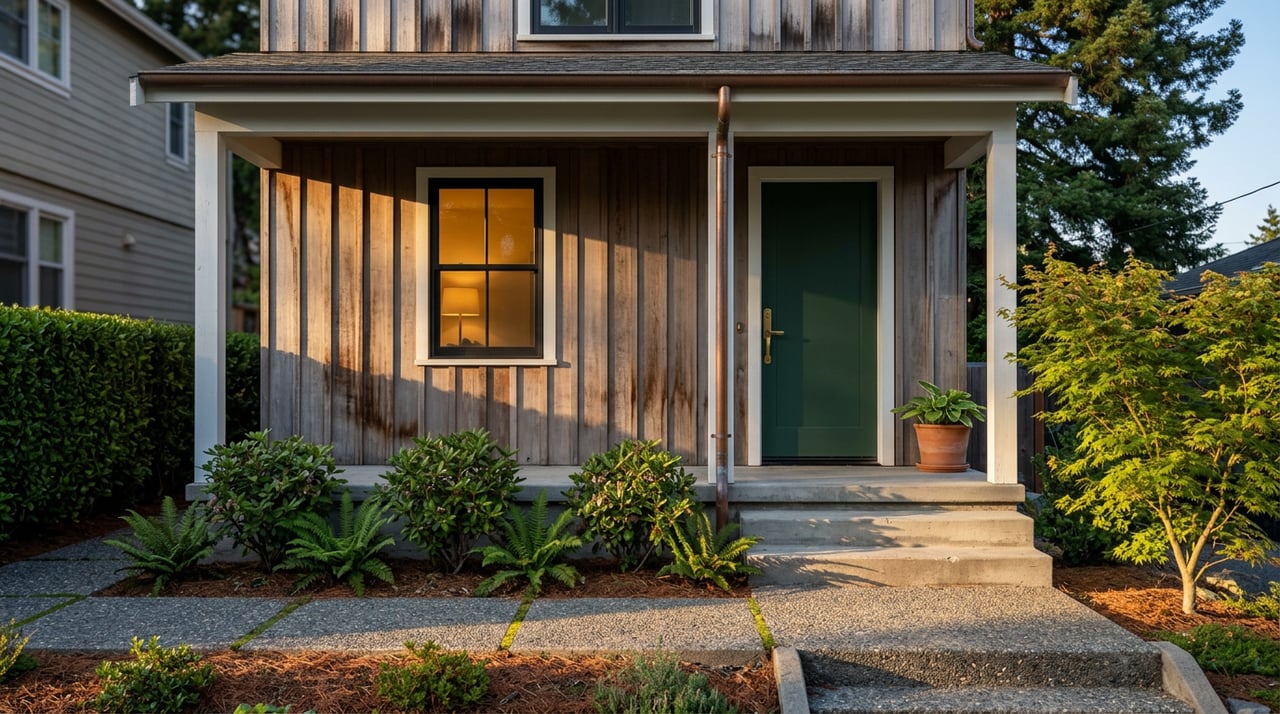
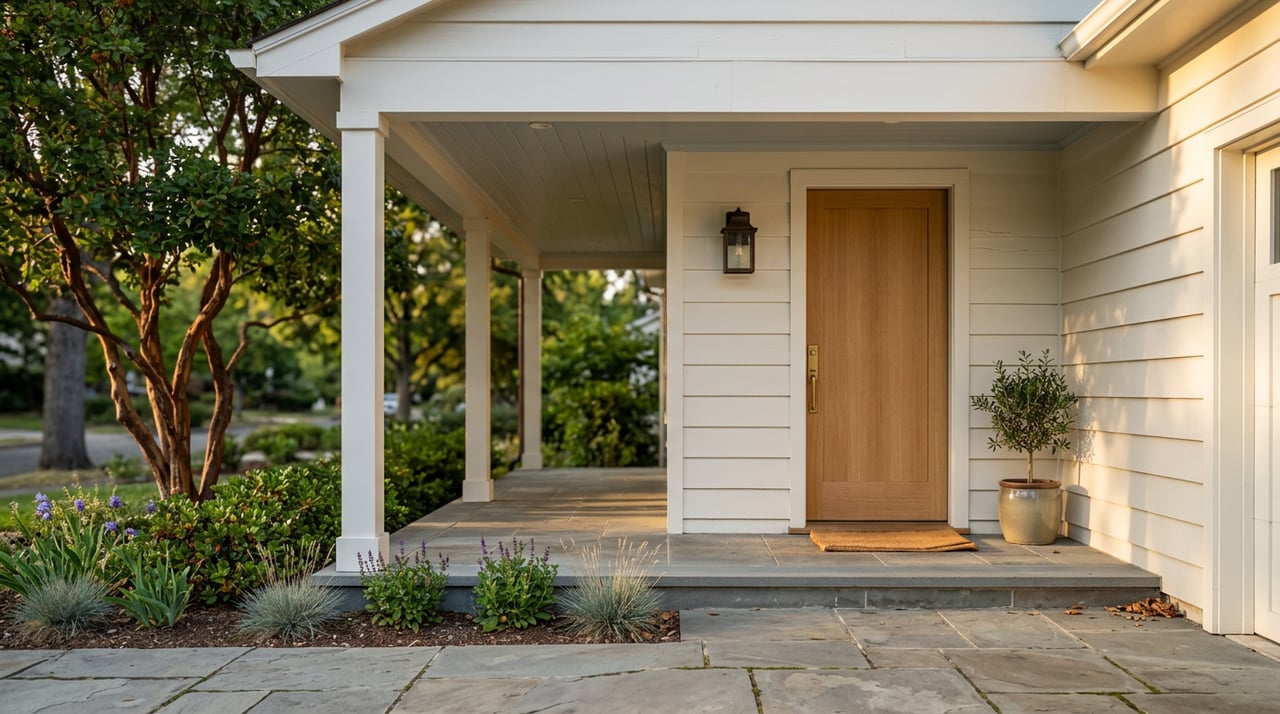
- Front entry improvements that make the home feel cared for
For many Marin sellers, this approach saves time and lowers stress. It can also reduce carrying costs compared with a large renovation project that delays your sale.
Build a real net-proceeds estimate
Before you decide how much home to buy in Alameda or Contra Costa County, build your numbers carefully. Sale price is only part of the equation. What matters is what you keep after taxes, fees, and closing costs.
Marin County charges a documentary transfer tax of $0.55 per $500 of value, less assumed liens. Some cities, including San Rafael, add an additional city transfer tax, so local fees should be part of your planning from the start.
Costs to include in your planning
A more accurate downsizing budget should account for:
- Estimated sale price of your Marin home
- Mortgage payoff, if any
- Marin County transfer tax
- Any added city transfer tax, if applicable
- Pre-sale preparation costs
- Moving costs
- Expected monthly costs for the East Bay replacement home
Having this estimate early makes it easier to compare options and avoid shopping above your comfort zone.
Think through tax and estate issues early
A Marin downsizing move can affect more than your next address. It may also affect capital gains, long-term tax planning, and family estate goals.
The IRS says the federal home-sale gain exclusion can be up to $250,000 for a single filer or $500,000 for married filing jointly if ownership and residence tests are met for at least 24 months within the prior five years. If the home was ever rented or used for business, the tax result may change because nonqualified use and depreciation recapture can come into play.
When to bring in outside advisors
Some moves deserve added planning support before you list. You may want to coordinate with a CPA, estate attorney, or financial advisor if:
- The Marin home was ever a rental
- You used part of the home for business
- You expect a large taxable gain
- The property is part of a legacy or inheritance plan
- You are counting on Prop 19 timing to work precisely
This is especially important because Proposition 19 narrowed certain parent-child and grandparent-grandchild exclusions. If the home is part of a larger family wealth plan, it is wise to review that strategy before making listing decisions.
A smoother move starts with one plan
The most successful Marin-to-East Bay downsizing moves usually share one trait: they are planned as a single strategy, not as separate sale and purchase events. Your home prep, pricing, timing, replacement search, and tax planning should all support the same outcome.
That is where a coordinated approach can make a real difference. If you want to downsize with less guesswork, a team that understands East Bay housing options, sale preparation, and timing strategy can help you move with more confidence.
If you are weighing a Marin sale and an East Bay purchase, Katie & Mark Lederer can help you build a tailored plan around timing, preparation, and your next-home goals.
FAQs
What is the biggest challenge in planning a Marin downsizing move to the East Bay?
- The biggest challenge is usually sequencing the sale and purchase so you can protect your budget, manage timing, and avoid unnecessary overlap between two homes.
How does Proposition 19 affect a Marin move to the East Bay?
- Eligible homeowners may be able to transfer the taxable value of a primary residence to a replacement primary residence anywhere in California, but timing matters and buying first can create a period of higher taxes with no refund for that interim period.
Should you sell your Marin home before buying in the East Bay?
- Selling first can give you a clearer budget and reduce the risk of carrying two properties, but the best approach depends on your finances, timing needs, and tolerance for temporary housing or rent-back arrangements.
What repairs should you make before listing a Marin home?
- A short list of visible repairs and cosmetic updates, such as paint, front-entry improvements, and addressing obvious maintenance issues, is often more effective than a full remodel.
What costs should you include when budgeting for a Marin downsizing sale?
- You should include mortgage payoff, county and possible city transfer taxes, pre-sale prep costs, moving costs, and the expected monthly ownership costs of your East Bay replacement home.
When should you talk to a CPA or estate attorney before selling a Marin home?
- You should consider early planning support if the home was ever rented, used for business, expected to generate a large taxable gain, or is part of a family estate or legacy strategy.