Trying to choose between a lively, walkable neighborhood and a quieter street with more space? In Alameda County, that choice often comes down to urban versus suburban living, each with clear trade-offs in commute, home type, and day-to-day convenience. You want a place that fits your routine, your budget, and your long-term goals. In this guide, you’ll learn how the East Bay’s core cities and suburban pockets differ so you can focus your search confidently. Let’s dive in.
Urban vs suburban defined
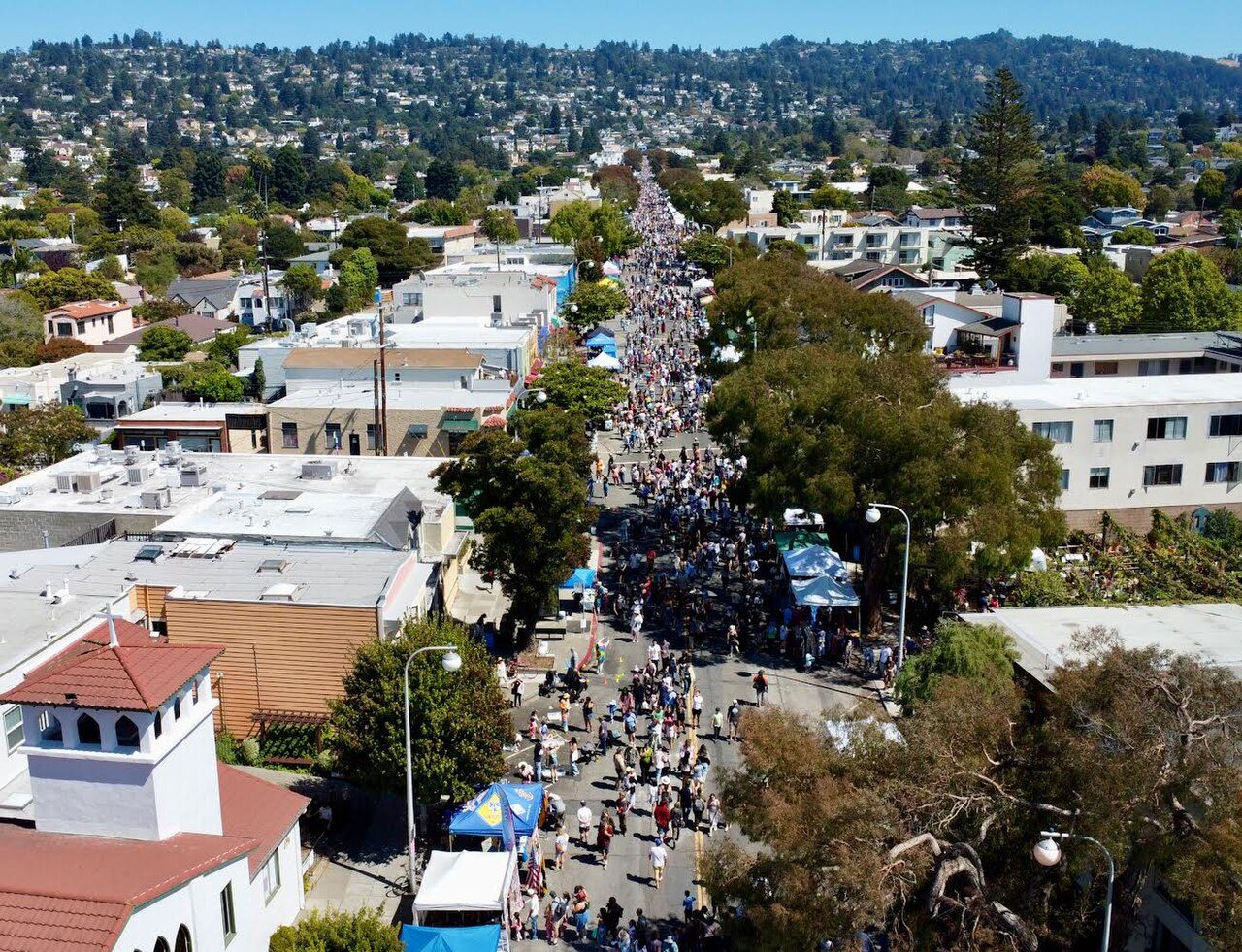
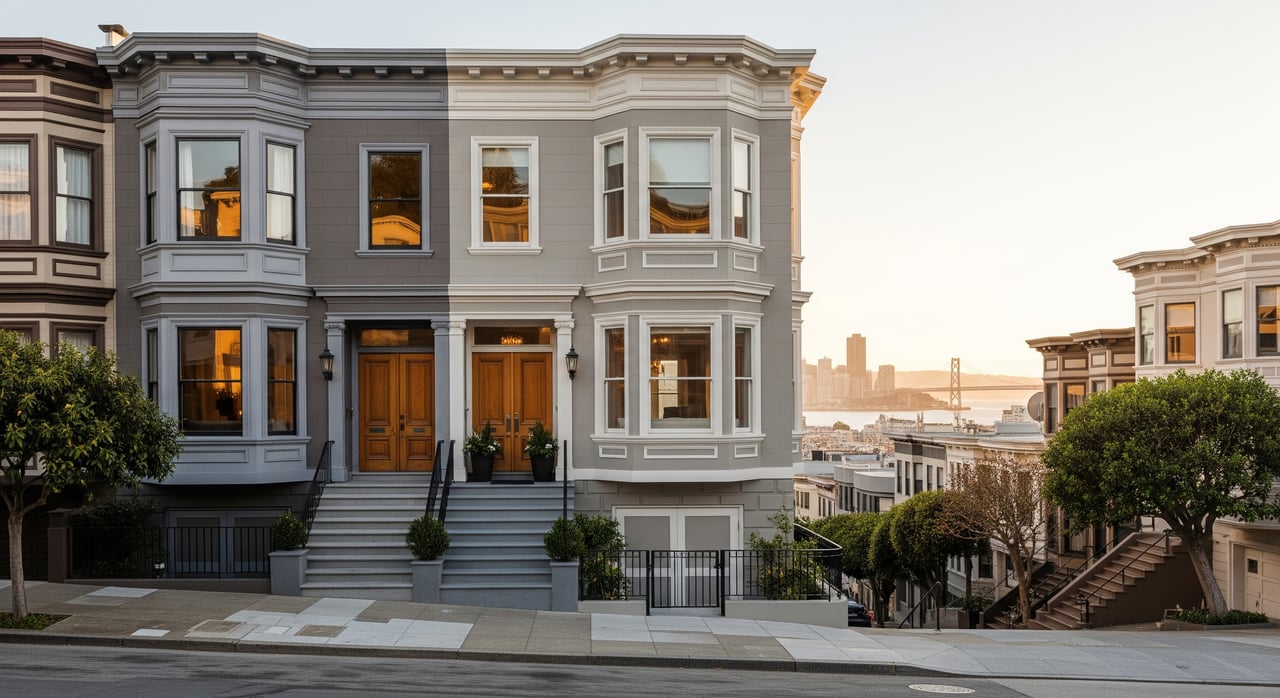
“Urban” in Alameda County usually means denser areas like Berkeley, much of Oakland, and parts of Alameda where homes sit closer together and you can walk to transit, markets, and restaurants. “Suburban” covers places like Fremont, Pleasanton, and Livermore where neighborhoods spread out more and daily errands often require a car.
Population density highlights this divide. Berkeley has roughly 11,917 people per square mile, while Oakland has about 7,878 and the City of Alameda sits near 7,492. By contrast, Fremont and Pleasanton are closer to the 3,000 people per square mile range, with Livermore in a similar band. These figures show why street life and travel patterns feel different from city to city. You can explore city-level snapshots in Census QuickFacts for detail, including Berkeley, Oakland, Alameda, and Fremont.
Housing stock and home types
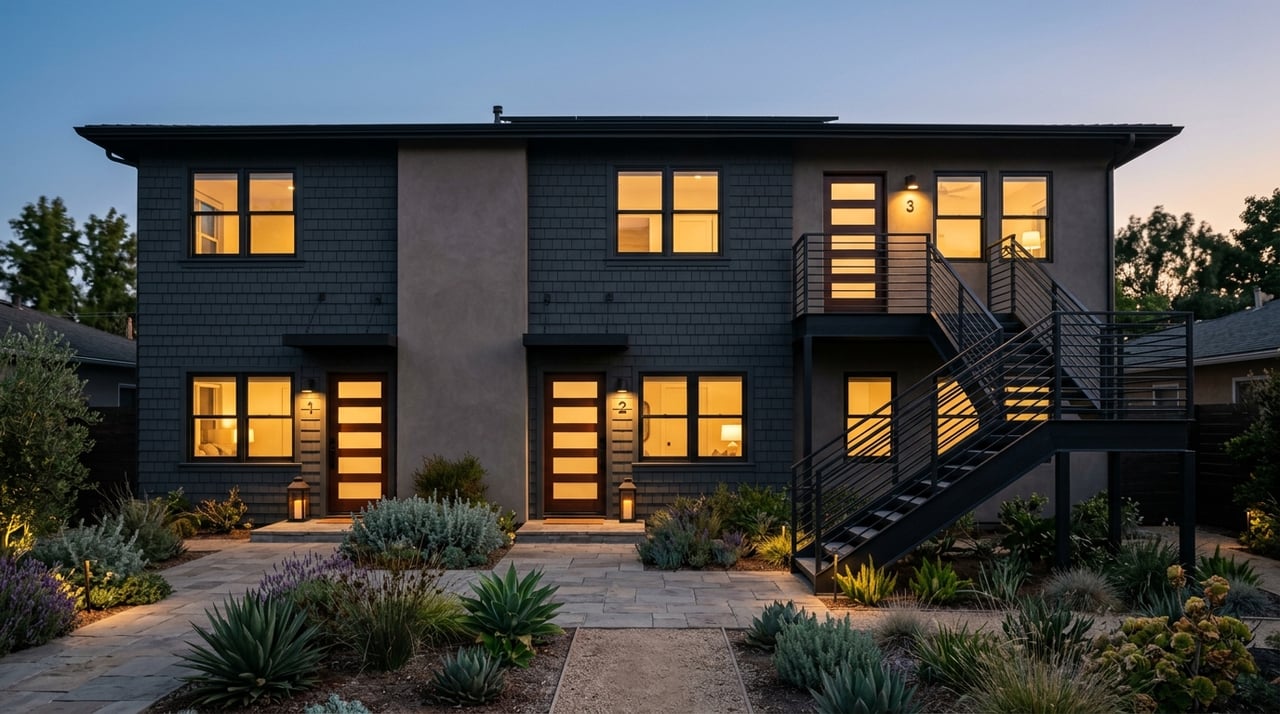
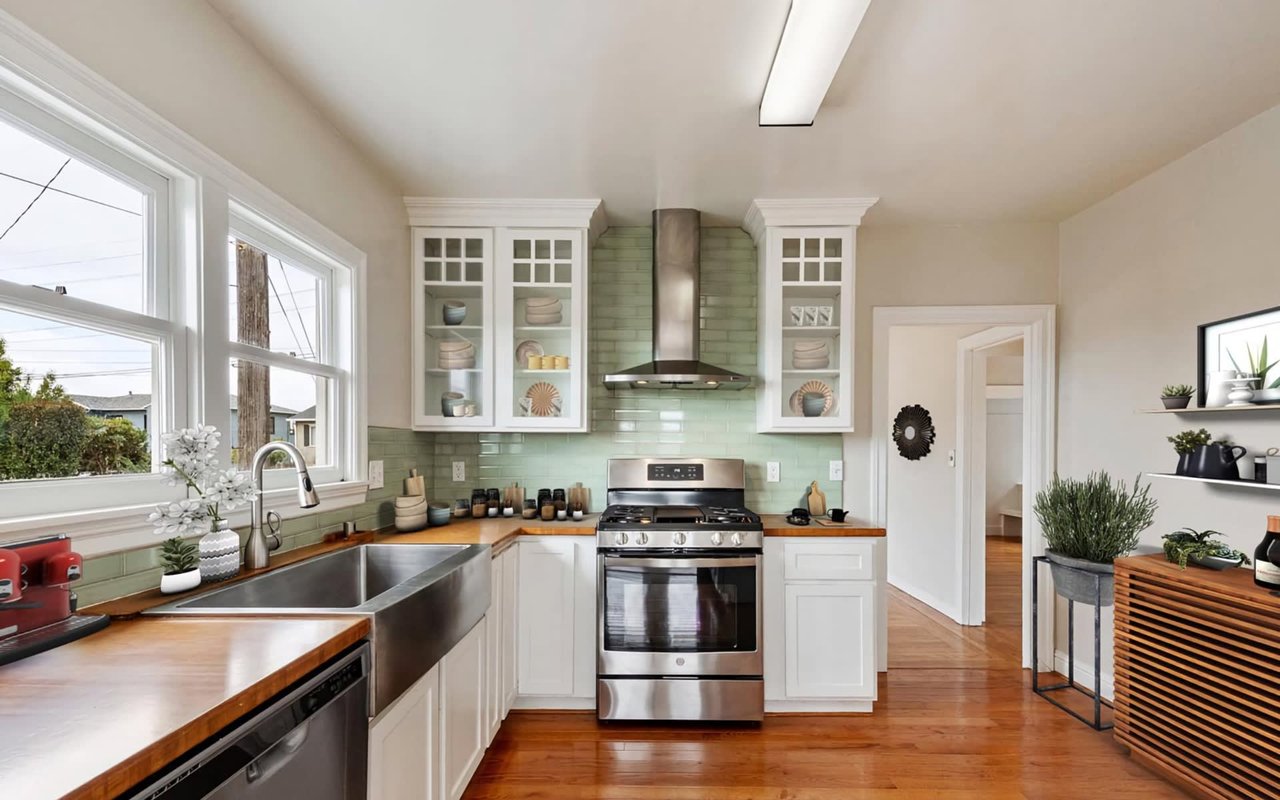
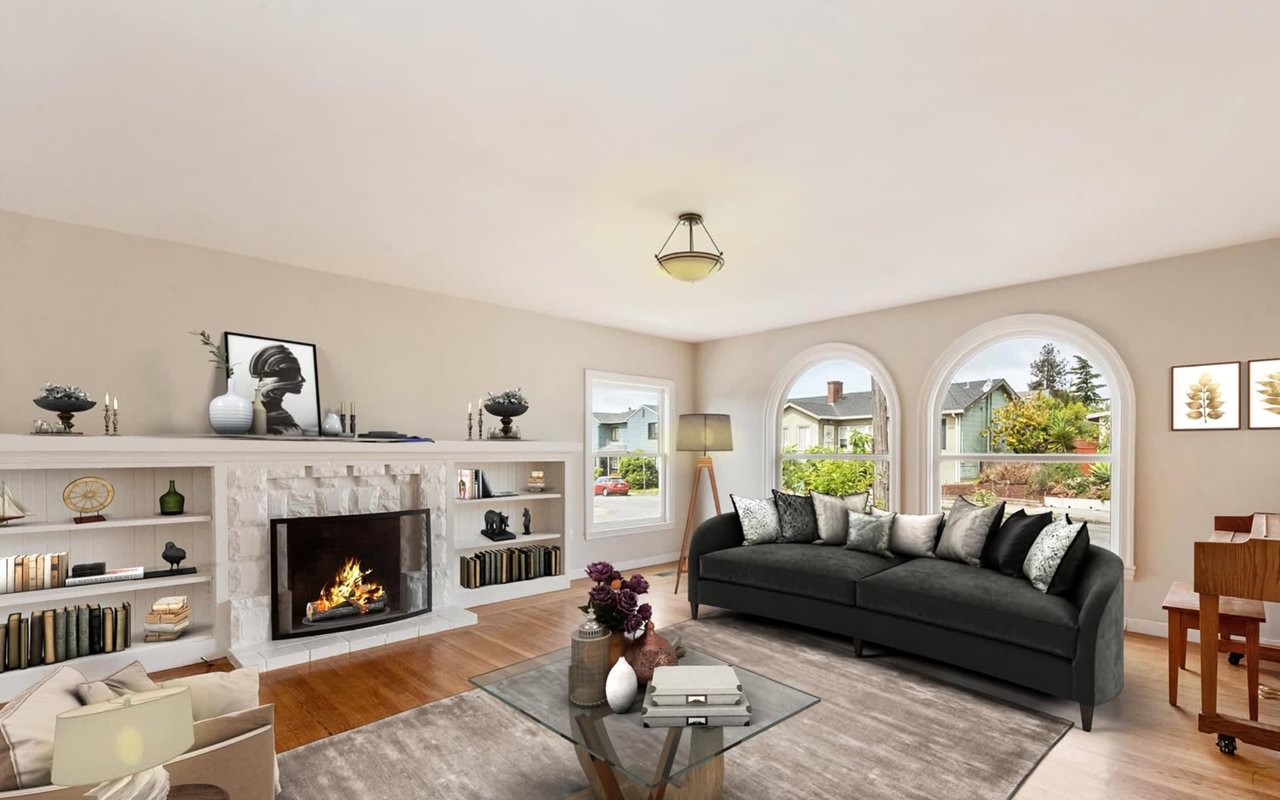
The type of home you prefer often points you toward either an urban or suburban choice. In the City of Alameda, the local housing element shows a balanced mix: about 42 percent single-family detached, roughly 18 percent small multifamily (2 to 4 units), and about 29 percent in larger multifamily buildings. That means you will find both classic single-family streets and apartment corridors within the same city. See the city’s planning tables for exact counts and programs in the Alameda Housing Element.
Oakland, a larger and more varied market, has a significant share of big apartment buildings, with roughly 22 percent of homes in 20-plus unit structures alongside many single-family areas. This mix supports a wide range of price points and lifestyles within one city. For a snapshot of Oakland’s structure types, review the ACS-based Oakland DP04 summary.
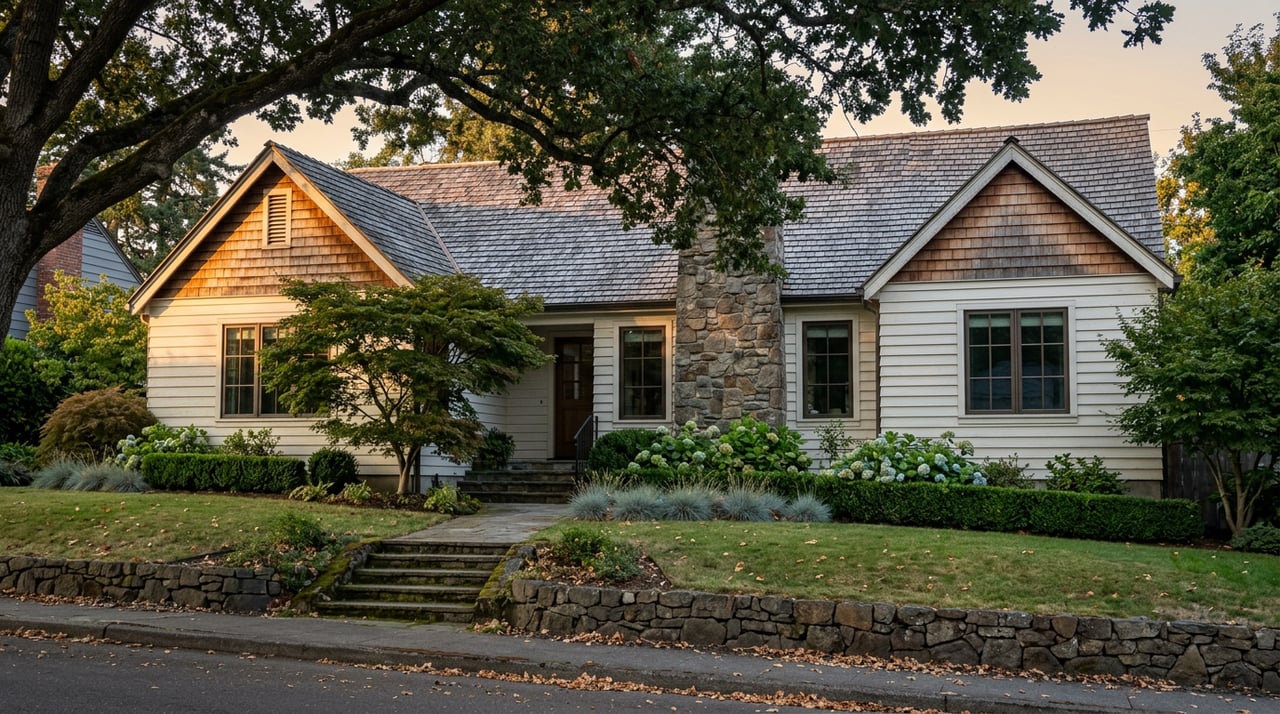
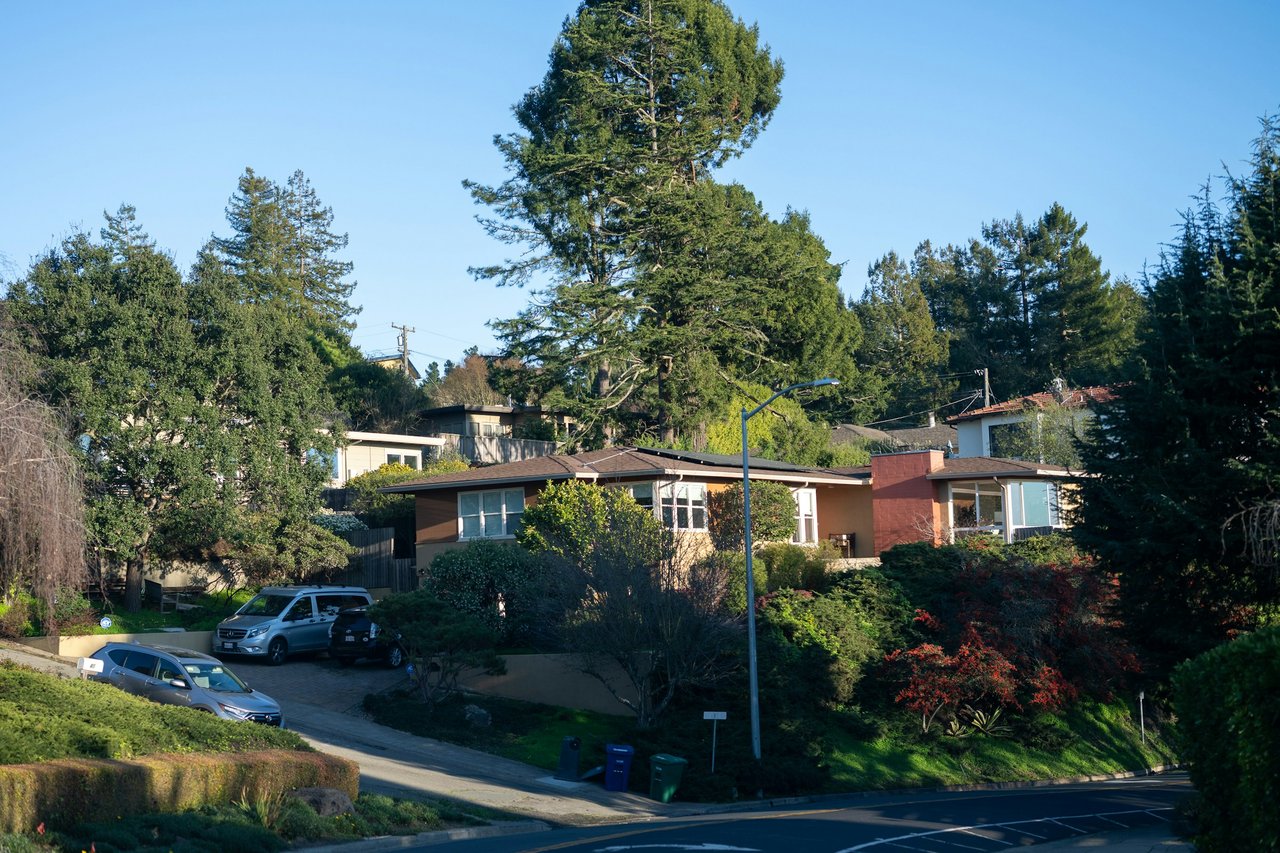
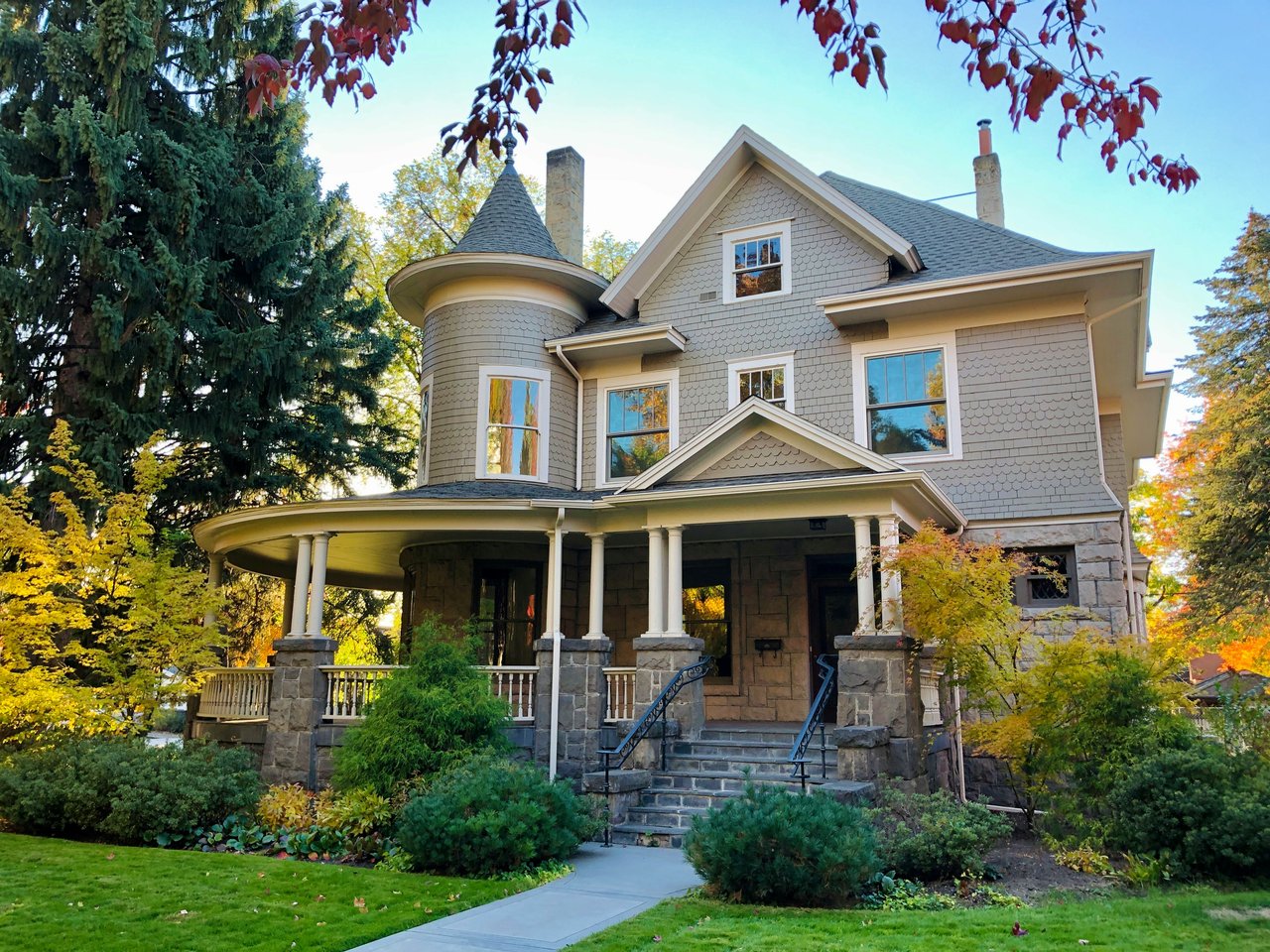
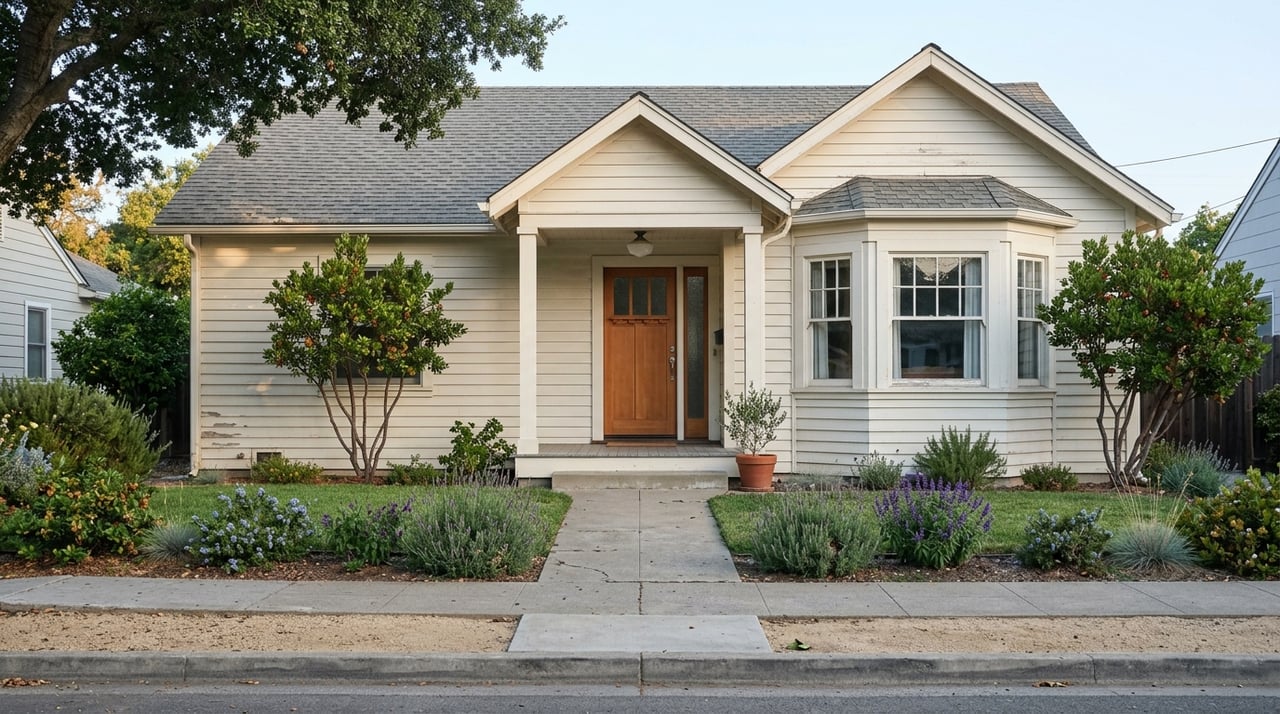
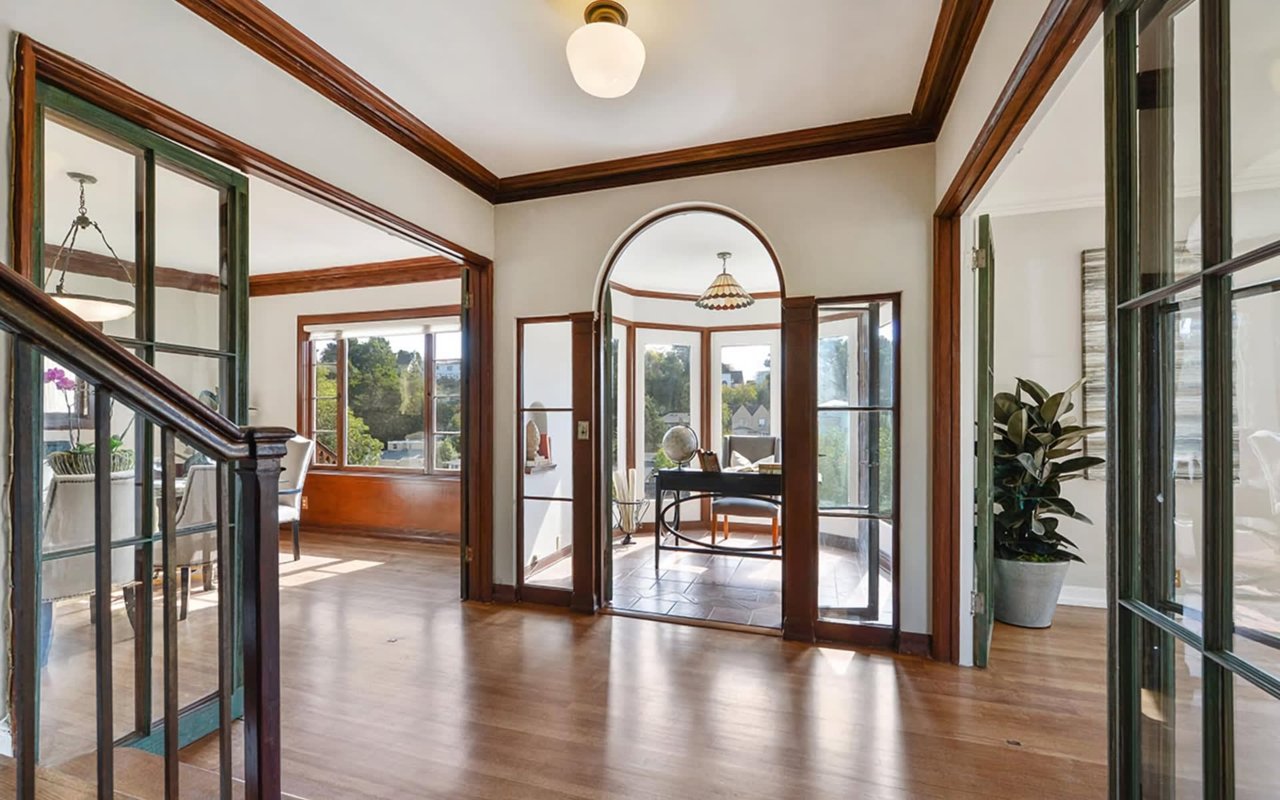
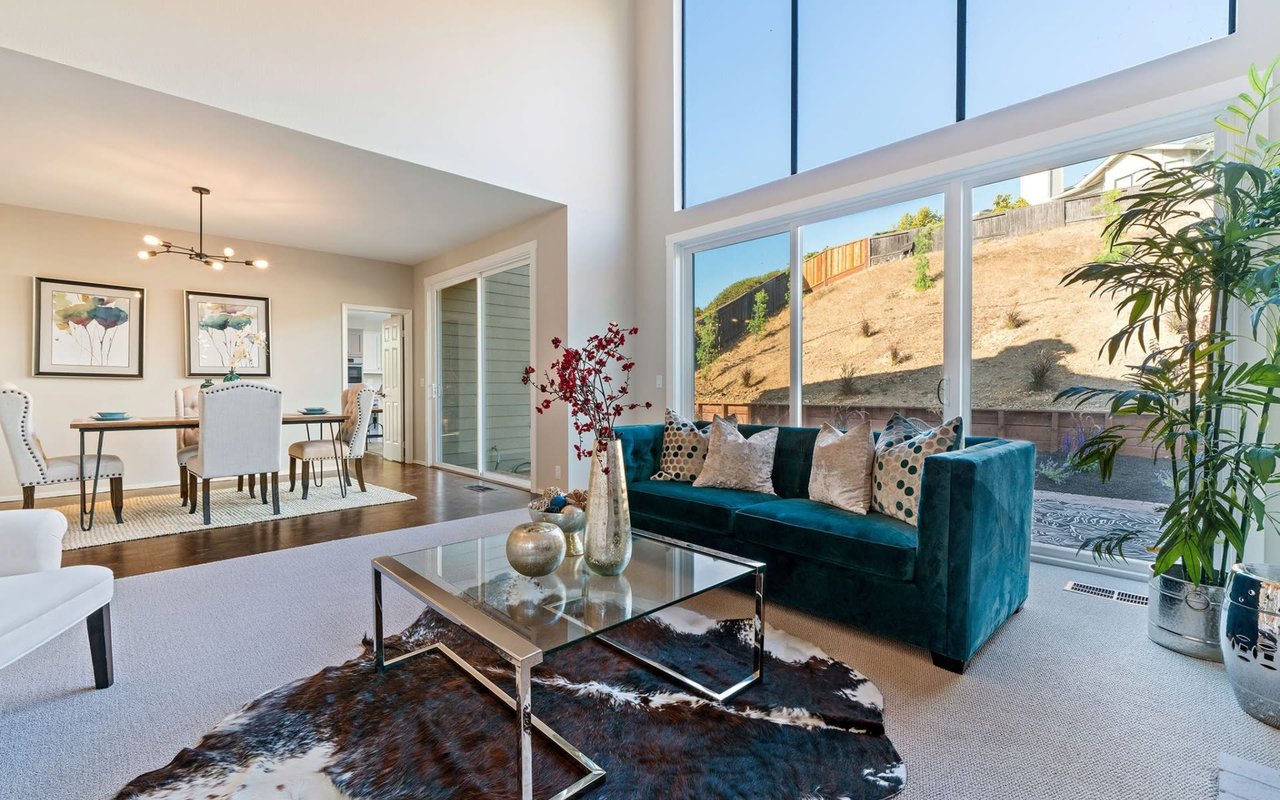
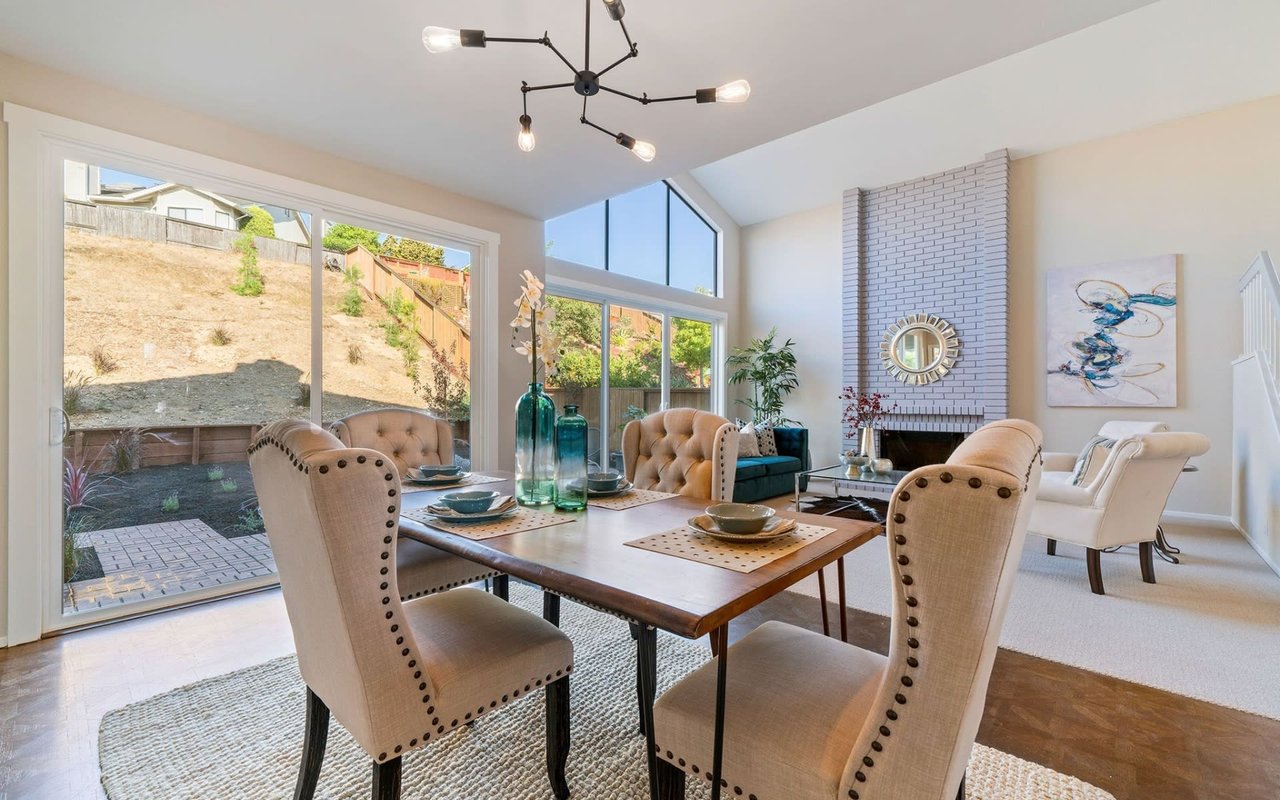
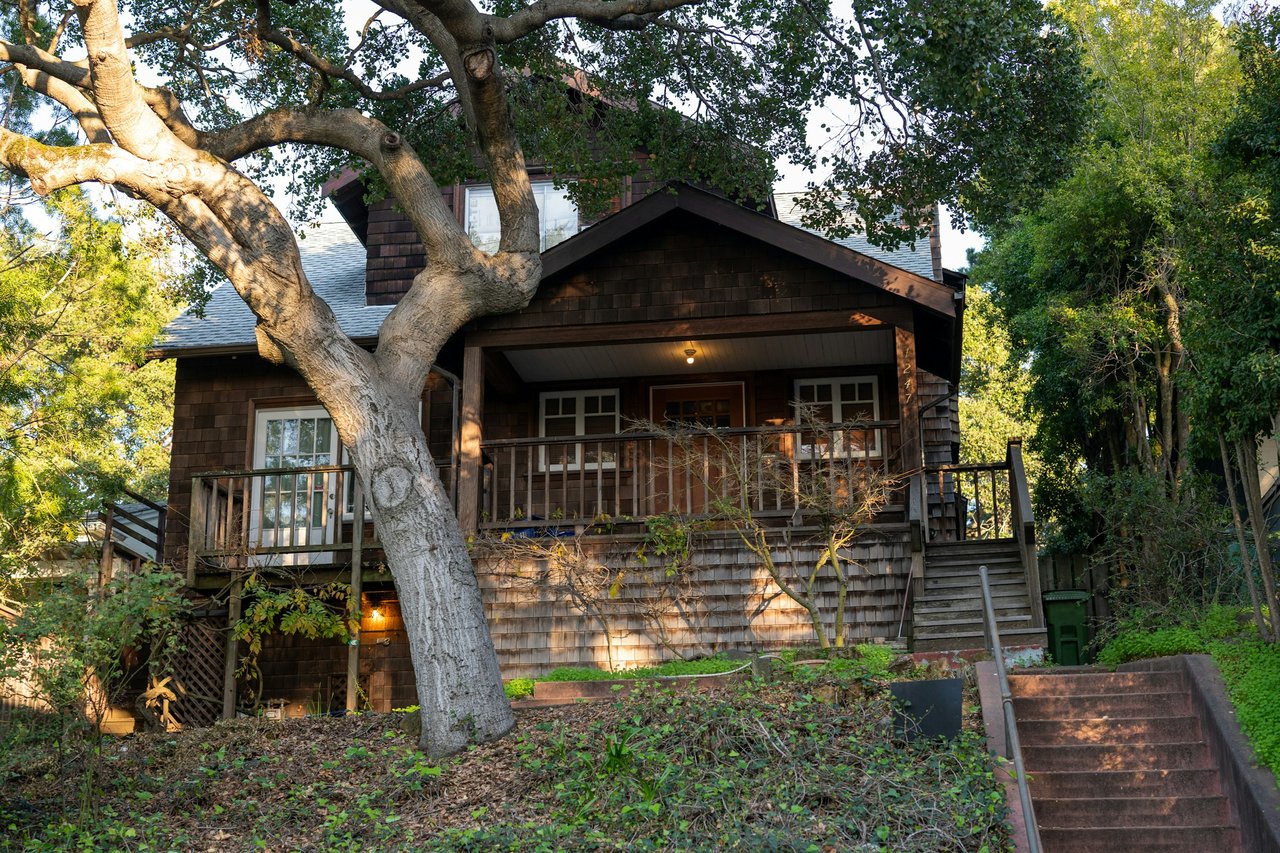
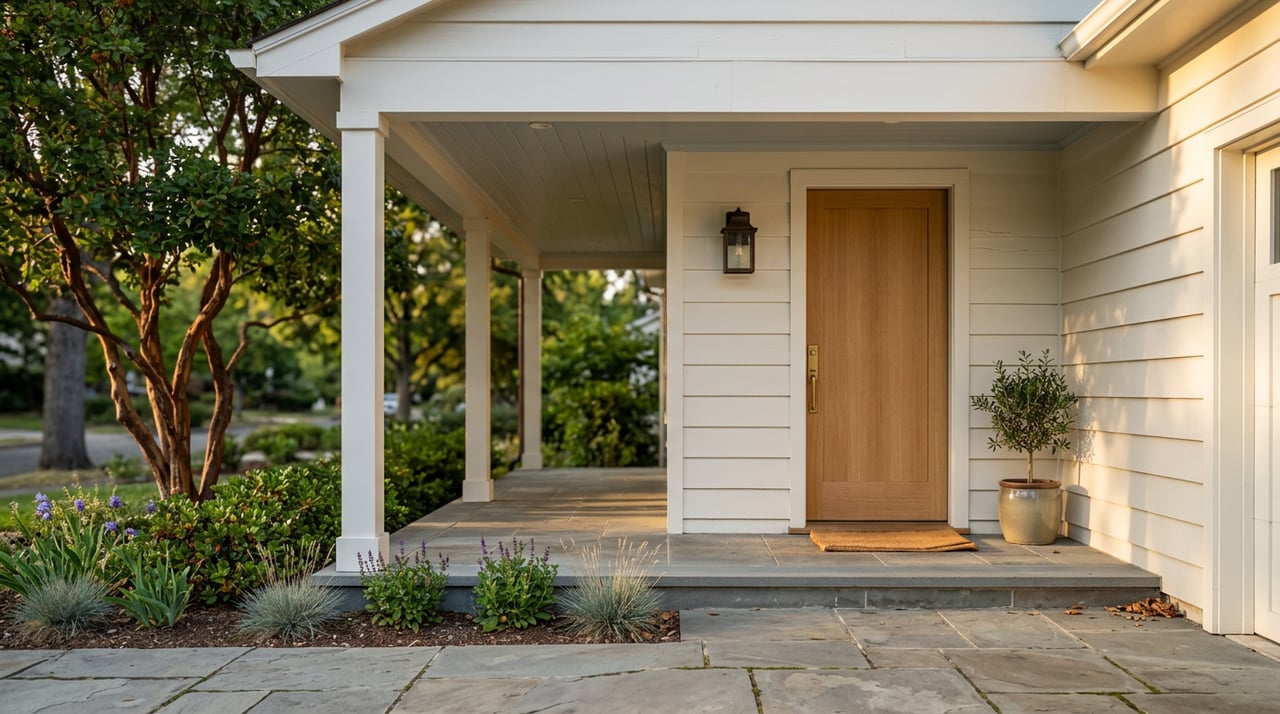
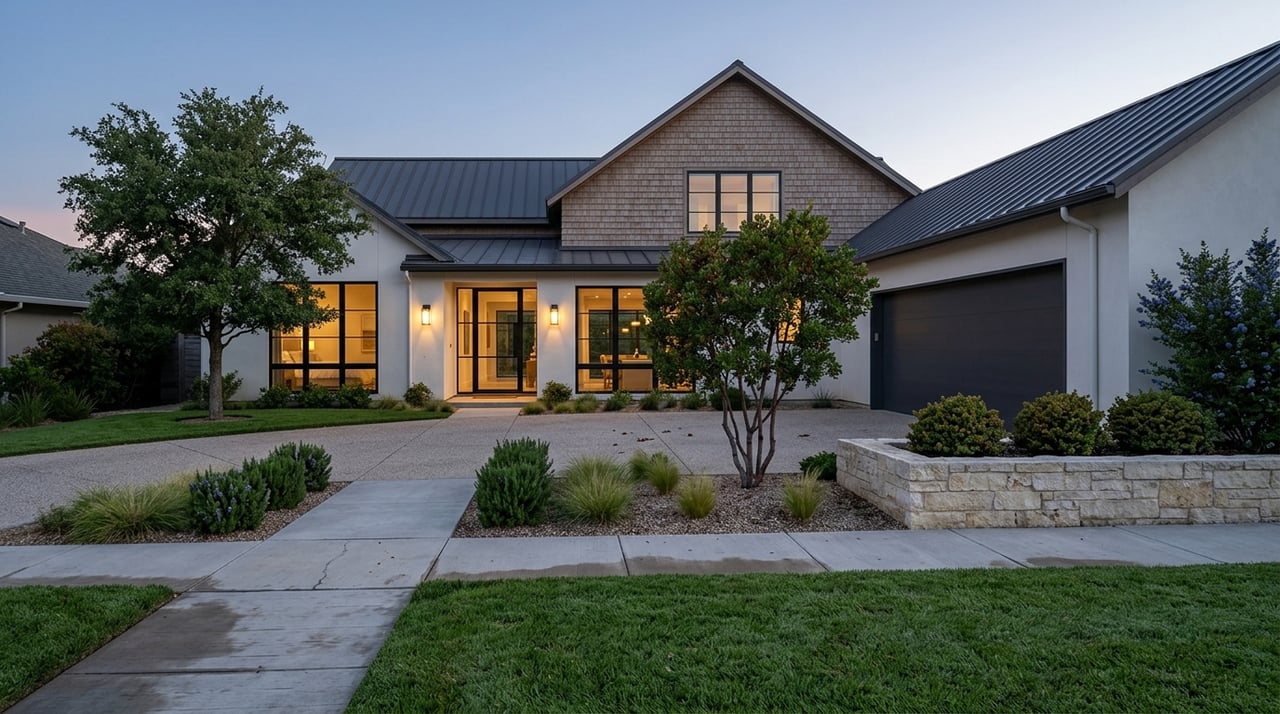
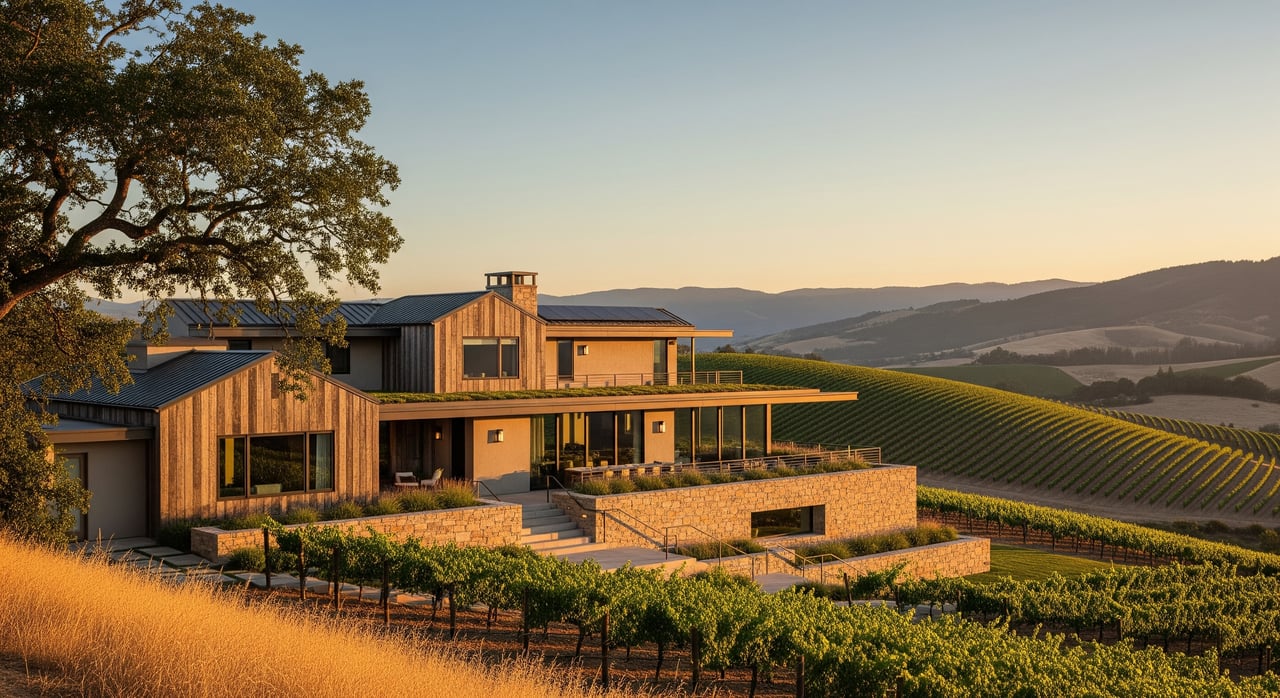
Suburban pockets like Fremont, Pleasanton, and Livermore tend to lean more heavily toward single-family homes on larger lots. If a yard, garage space, and residential blocks with fewer mixed-use buildings sit high on your list, these areas often deliver that pattern.
Prices and affordability
Prices are high across Alameda County, but levels vary by city. Census owner-occupied value estimates show broad comparisons: Berkeley’s median owner value is about $1.41 million, Alameda’s is about $1.20 million, and Oakland’s is about $929,900. Use these as long-term indicators rather than as week-to-week market figures. City QuickFacts are a good starting point, including the Alameda snapshot and the Berkeley profile.
Keep in mind that suburban single-family homes can command high prices per lot, especially in Pleasanton and Fremont. Meanwhile, parts of Oakland offer relatively lower median owner values compared with Berkeley and Alameda, which can help some buyers stretch into more space or a different neighborhood tier. Always align price expectations with the current market and specific neighborhood comps.
Walkability and amenities
If you want to walk to coffee, groceries, and dinner, target the cores first. Berkeley’s overall Walk Score is very high, with strong bike culture and frequent transit that supports car-light living. Many Oakland neighborhoods, especially near BART stations and established commercial corridors, are also very walkable.
Alameda blends both experiences. Older neighborhoods around the Main Street and Gold Coast areas offer walkable retail and services, while Bay Farm Island and some newer districts feel more suburban. You can explore neighborhood-level walk, transit, and bike metrics on Walk Score’s Berkeley page and then compare across cities and blocks.
Commute and transit
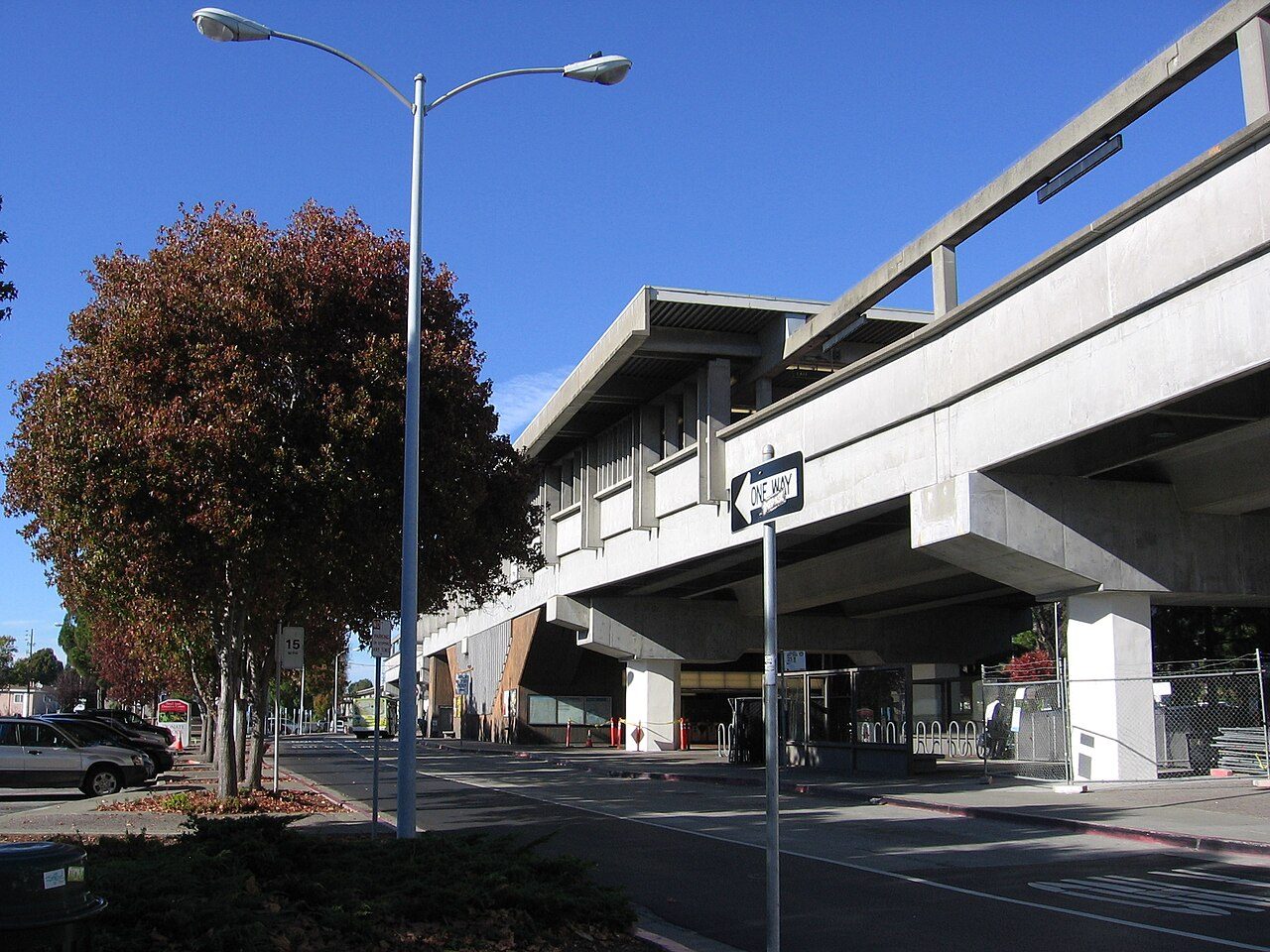
Transit-rich neighborhoods cluster in and around Berkeley and Oakland. BART, AC Transit, and frequent bus corridors make it realistic to reach San Francisco or other East Bay job centers without a car. Alameda lacks a BART station, but it offers the San Francisco Bay Ferry for some commuters, plus AC Transit routes and local shuttles.
Average commute times reflect these differences. The ACS shows mean travel times around 27.8 minutes for Berkeley, 29.8 for Oakland, and 32.1 for Alameda. Fremont averages about 30.3 minutes and Pleasanton about 34.3 minutes. For ferry route options and updates, review the Alameda to San Francisco ferry overview, then confirm current schedules with the operator before you plan a daily routine.
Neighborhood snapshots
Berkeley: dense and transit-rich
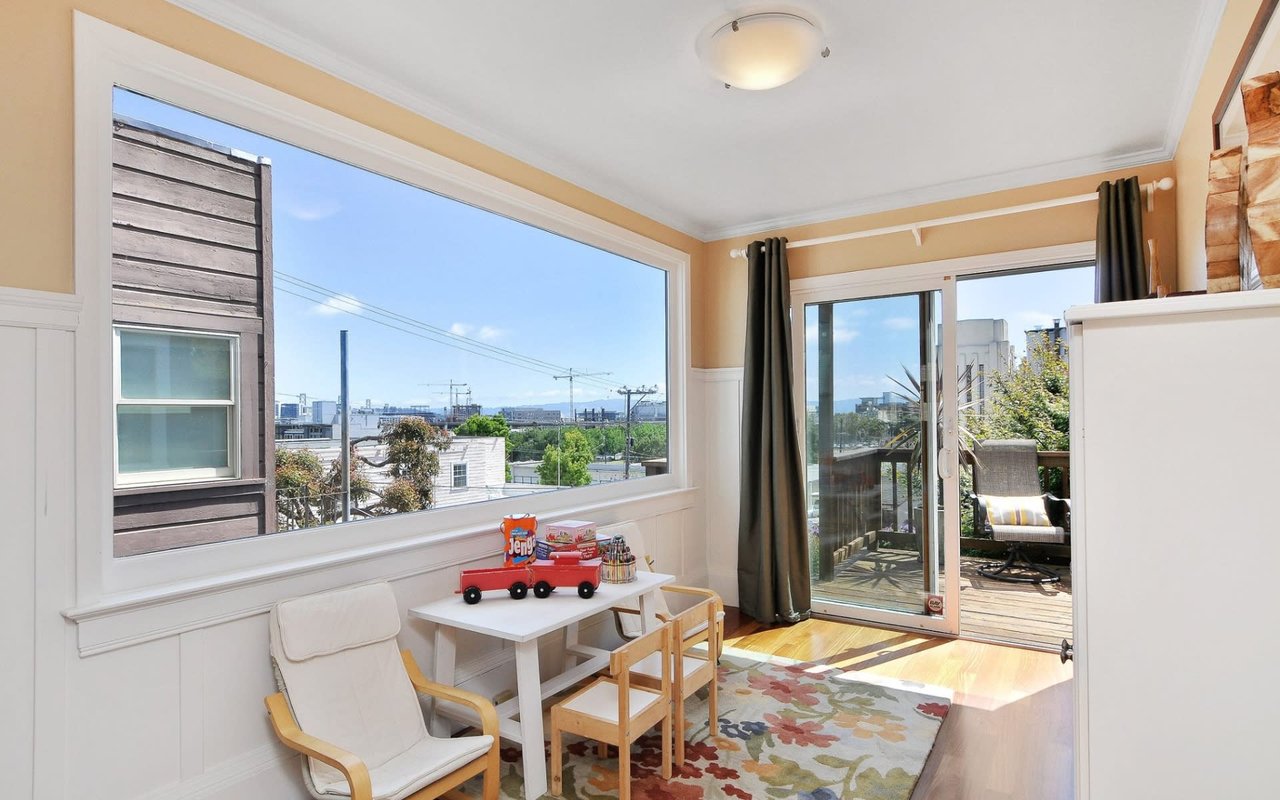
Expect compact blocks, a strong walk and bike culture, and many smaller units near the university and commercial corridors. The city ranks among the county’s highest for owner value medians and offers broad transit access that shortens many regional commutes. If you want amenities at your doorstep and are comfortable with smaller footprints, Berkeley belongs on your short list.
Oakland: varied urban choice
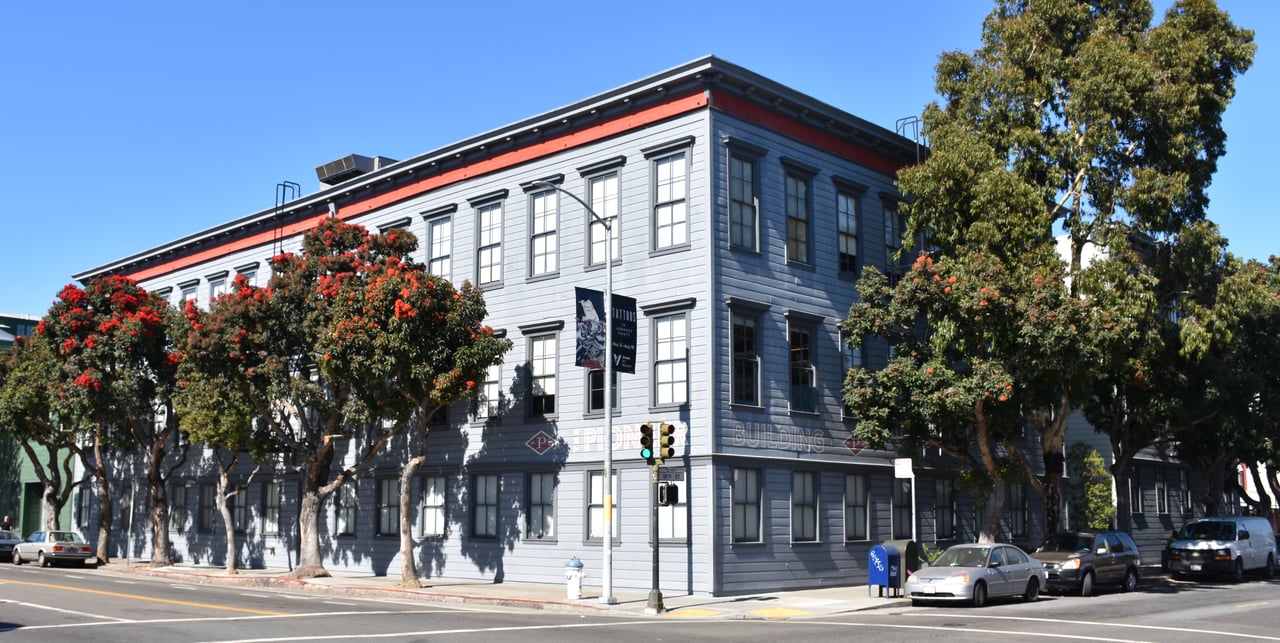
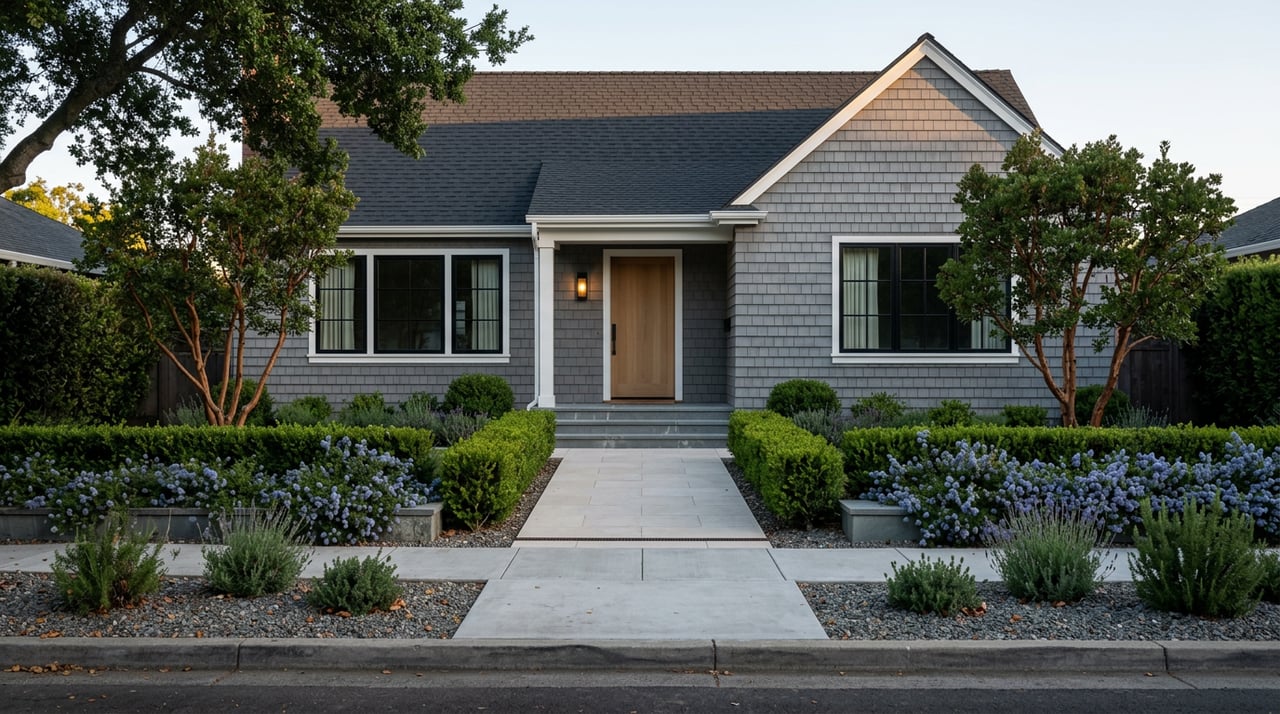
Oakland spans a full spectrum, from dense downtown districts to quieter single-family areas. You will find large multifamily buildings near transit and retail, and you will also find tree-lined neighborhoods with single-family homes. That variety supports a wide range of budgets and lifestyles, all with access to an active dining and arts scene and a regional BART network.
Alameda: island with options
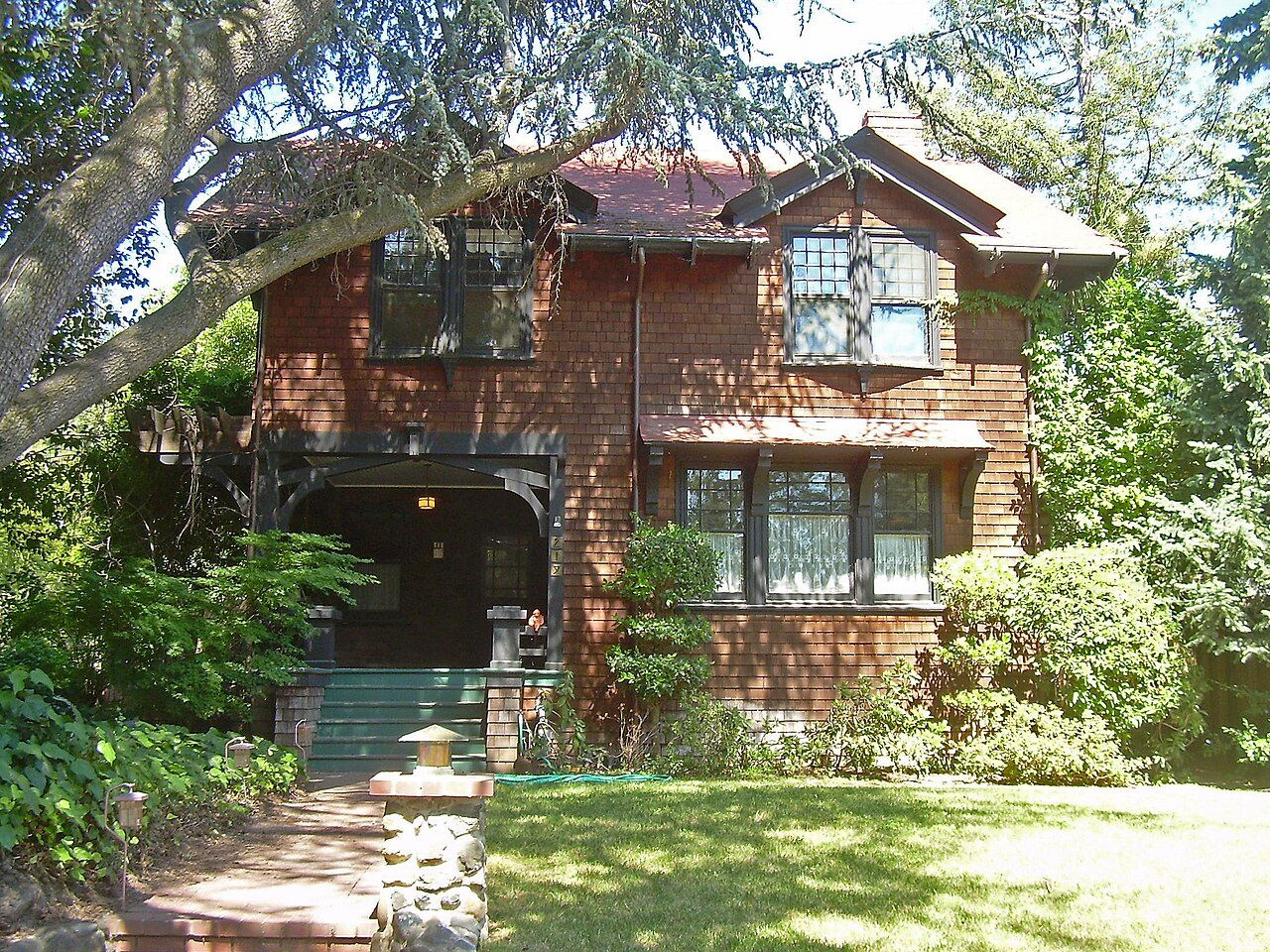
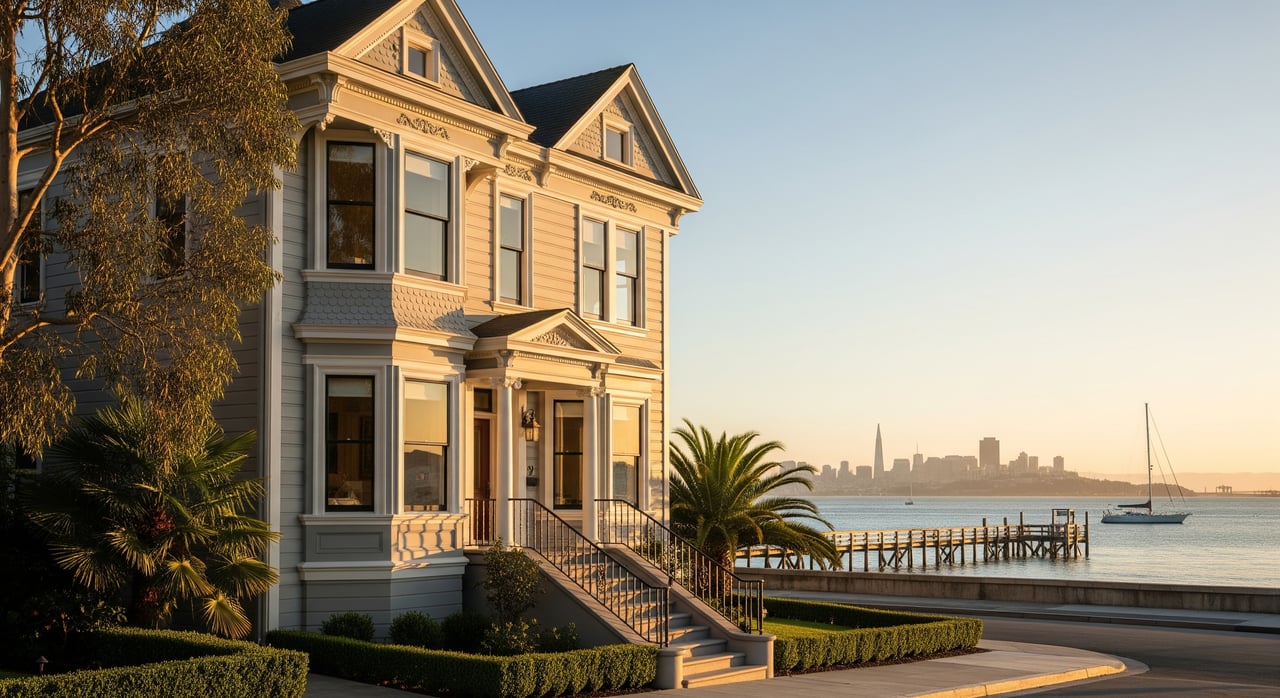
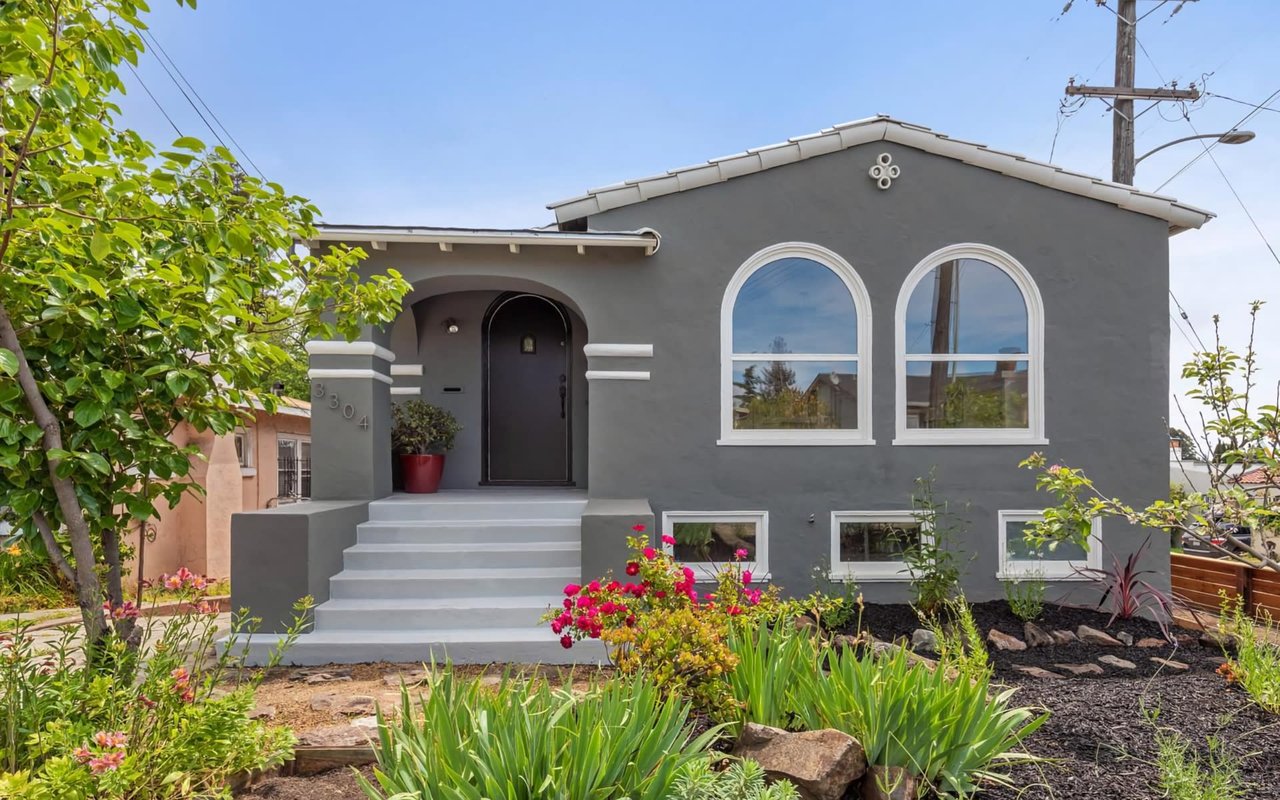
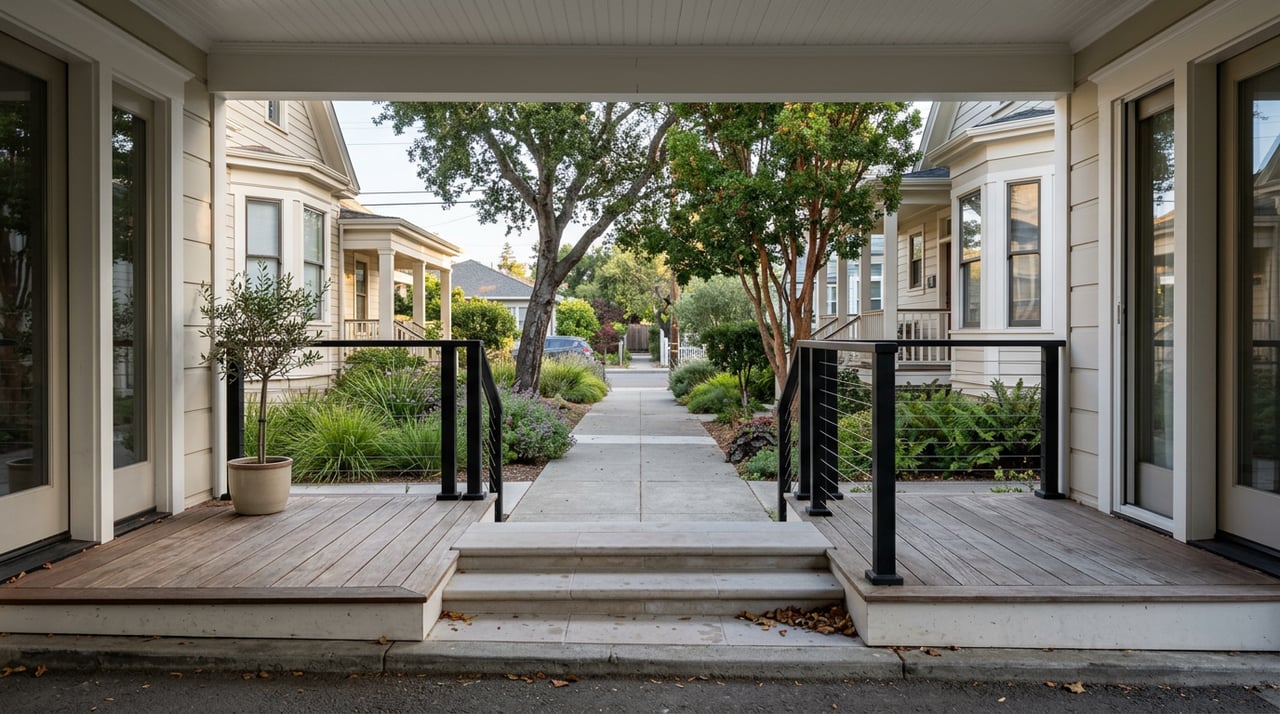
Alameda mixes historic single-family streets with multifamily corridors and newer housing at Alameda Point. You get small-town island character, walkable retail in select districts, and ferry access for some transbay commuters. If you want a balance of neighborhood charm and access to both Oakland and San Francisco, Alameda can be a practical compromise.
Fremont, Pleasanton, Livermore: suburban mix
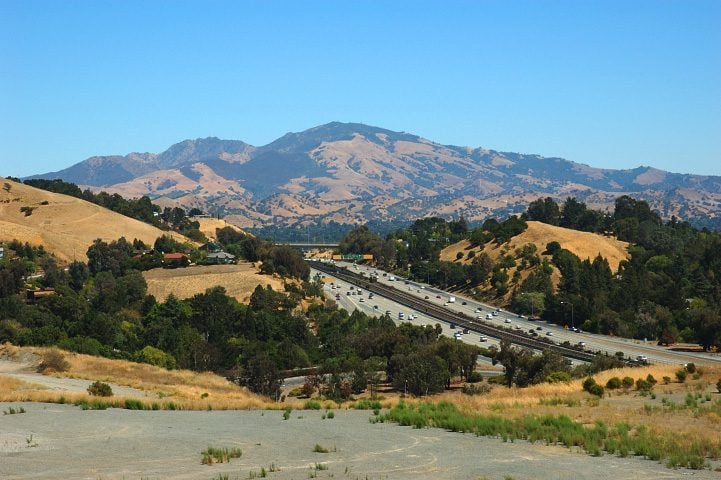
These cities offer larger lots, many single-family streets, and a more car-oriented daily routine. Owner-occupancy rates and household incomes tend to be higher, and many residents drive or connect to BART via Tri-Valley stations. If space and a quieter residential setting top your list, these areas often deliver.
Policy and future housing
Local planning influences what gets built and where. Berkeley’s 2023 to 2031 Housing Element includes a significant RHNA assignment and calls for corridor-focused upzoning, which signals more homes along key streets over time. Review the city’s approach in the Berkeley Housing Element.
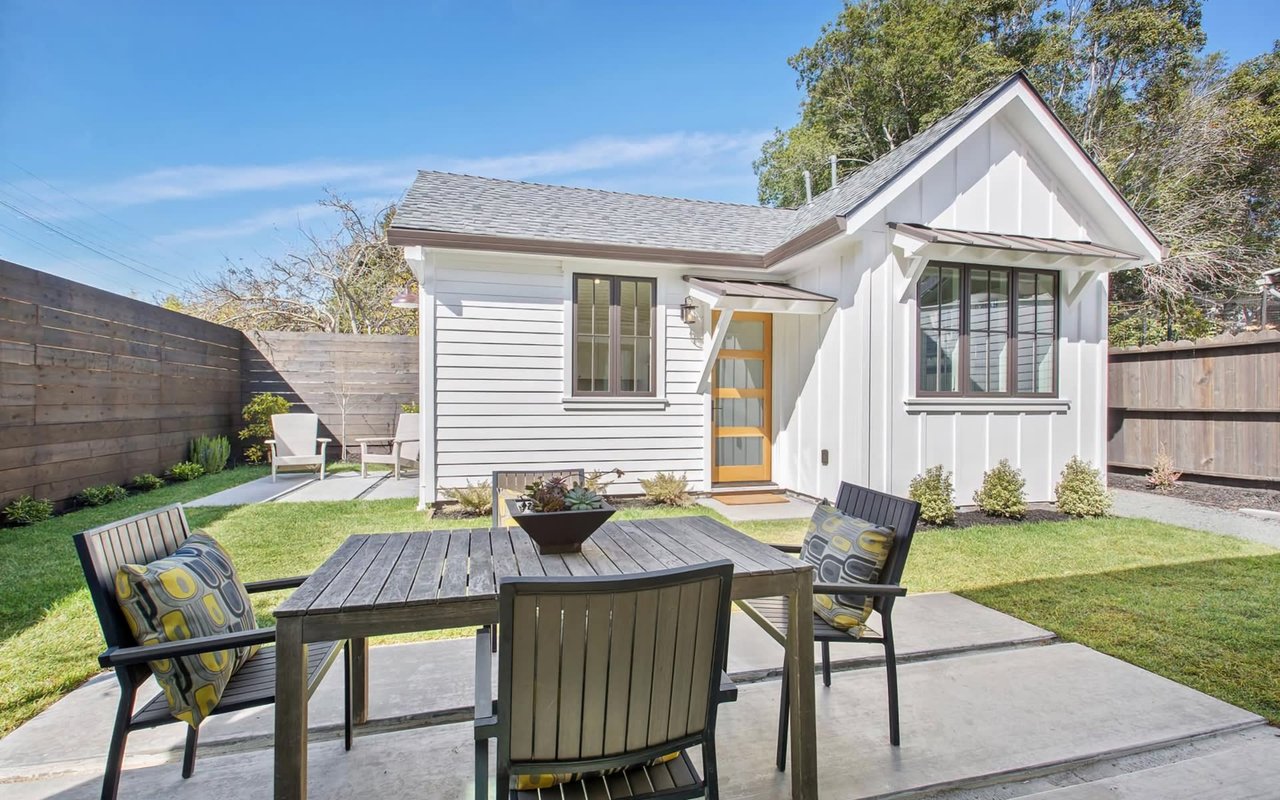
Alameda’s Housing Element outlines strategies like accessory dwelling units and rezonings at Alameda Point to expand housing choices. The city has seen an uptick in ADU permitting since 2017, adding smaller rental options within single-family neighborhoods. Explore the details in the Alameda Housing Element. Policy change is gradual in practice, so expect neighborhood character to evolve over years, not months.
Quick decision guide
Use your top priorities to narrow the map quickly:
- Want to walk to daily needs and use transit often: Start with downtown Berkeley, and Oakland neighborhoods near BART and active retail corridors. In Alameda, look at areas around Main Street and the Gold Coast. Cross-check block-level metrics on Walk Score.
- Want a yard and more space, and driving is fine: Look at Pleasanton, parts of Fremont, and Livermore, or single-family streets in many Oakland and Alameda neighborhoods. Lot size and home type will vary by tract, so compare specific blocks.
- Want a balanced option: Consider Alameda for ferry access and a mix of single-family and multifamily choices, or Oakland neighborhoods adjacent to BART that still feel residential.
How we help you decide
Urban or suburban, the right answer is the one that supports your daily rhythm and long-term financial goals. Our team pairs neighborhood-level expertise with clear numbers so you see the trade-offs before you write an offer. We also bring an operations-driven platform that can coordinate renovations, staging, and financing referrals if you plan to sell and buy, or if you are weighing an income property.
Ready to narrow your search and design a plan that fits both your lifestyle and your portfolio goals? Connect with Katie & Mark Lederer for a tailored home strategy.
FAQs
What is the core difference between urban and suburban living in Alameda County?
- Urban areas like Berkeley, much of Oakland, and parts of Alameda are denser with more walkable amenities and transit, while Fremont, Pleasanton, and Livermore are less dense with more car-dependent routines.
How do home types compare between Alameda and Oakland?
- Alameda’s housing element shows about 42 percent single-family detached and roughly 29 percent larger multifamily buildings, while Oakland has a higher share of large buildings, with about 22 percent in 20-plus unit structures.
What are typical commute times by city in Alameda County?
- Mean travel times are about 27.8 minutes in Berkeley, 29.8 in Oakland, 32.1 in Alameda, 30.3 in Fremont, and 34.3 in Pleasanton, based on ACS estimates.
Which places are most walkable if I want to skip driving for errands?
- Downtown Berkeley, many Oakland neighborhoods near BART and retail corridors, and Alameda’s Main Street and nearby blocks rank among the most walkable; check neighborhood-level metrics on Walk Score.
How are local housing policies shaping future development?
- City housing elements guide where growth will occur, with Berkeley planning corridor-focused upzoning and Alameda expanding ADUs and sites like Alameda Point, which can gradually add more housing choices over the decade.