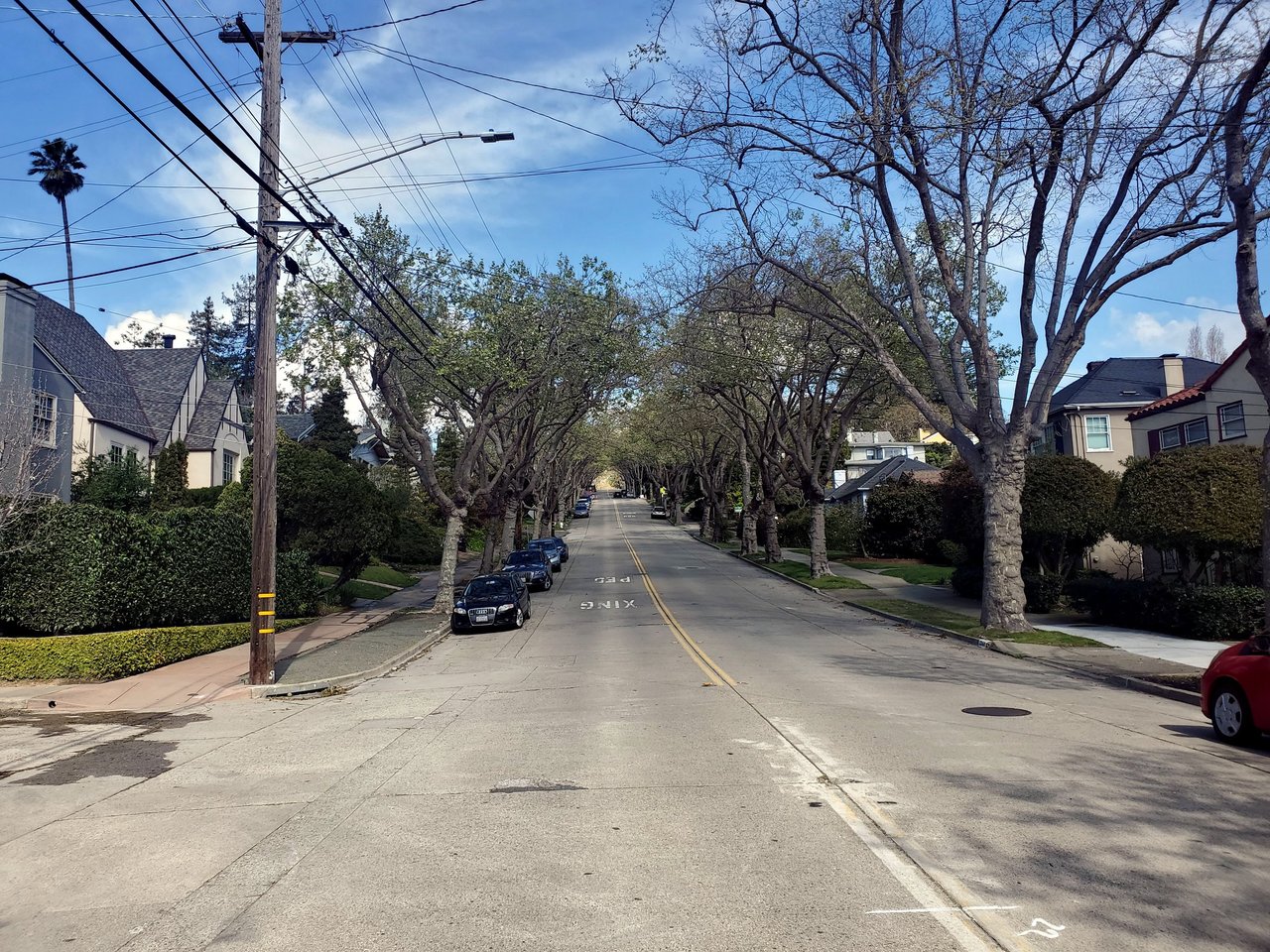
If you’re wondering when to sell a home in San Francisco, the short answer is this: the best time is usually early spring, with fall as a strong backup window. But timing is not just about picking a month on the calendar. It’s about launching when your home is fully prepared, correctly priced, and entering the market when buyers are most active. Let’s dive in.
Why timing matters in San Francisco
San Francisco remains a competitive market in spring 2026, but the pace varies by property type. According to the San Francisco Association of REALTORS® March 2026 MLS report, all property types combined showed 1.8 months of supply, 30 median days on market, and 71.0% of properties selling over list price. That points to a market where well-positioned homes can still draw strong attention.
Single-family homes are moving faster than condos. In that same report, single-family homes had just 1.0 month of supply, 20 days on market, and 85.0% sold over list price, while condo, TIC, and coop listings had 2.4 months of supply, 36 days on market, and 61.1% sold over list. If you own a single-family home, timing may be a little more forgiving. If you own a condo, your launch strategy may need to be even sharper.
Best season to sell
Early spring leads the year
In San Francisco, early spring is typically the strongest selling window. Market activity usually picks up after the mid-November to mid-January holiday slowdown, with new listings and buyer demand climbing early in the year and often peaking in spring.
SFAR’s March 2026 numbers support that pattern. New single-family listings rose from 179 in January to 197 in February and then 284 in March. Condo, TIC, and coop new listings rose from 333 in January to 336 in February and 409 in March, showing a clear seasonal ramp-up.
For many sellers, that means the ideal time to list is often March or April. If that is your goal, the preparation usually needs to start much earlier, often in January or February, so you have time for repairs, staging, photography, and pricing strategy.
Fall offers a second chance
If you miss spring, fall can still be a strong time to sell. After Labor Day, San Francisco often sees a second selling season that runs into mid-November before activity drops again heading into the holidays.
This can work well if your home will be market-ready in late summer or early fall. The buyer pool may be somewhat smaller than spring, but serious buyers are still active, and a polished listing can stand out.
Summer and winter can still work
Slower seasons are not always bad. Summer and mid-winter can still be workable if your home is turnkey, distinctive, or priced sharply, especially because there may be less competing inventory.
The tradeoff is that there are usually fewer buyers too. In those periods, presentation, timing, and pricing matter even more because you may have less room for error.
Property type changes the answer
Single-family homes
If you are selling a single-family home in San Francisco, current conditions suggest strong demand. With 1.0 month of supply, a 20-day median market time, and 122.6% average list-price-received in SFAR’s March 2026 data, this segment is moving quickly.
That does not mean any timing will do. It means that when your home is ready and priced well, the market is more likely to reward you, especially during the spring window when buyer attention is highest.
Condos, TICs, and coops
If you are selling a condo, TIC, or coop, timing may require a little more care. This segment had 2.4 months of supply and 36 median days on market in the same SFAR report, which suggests more competition and a longer selling timeline than single-family homes.
For condo sellers, the best time to sell may still be spring, but the bigger issue is often preparation and pricing. In a more crowded segment, buyers compare listings quickly, so strong presentation can make a bigger difference.
Pricing matters from day one
In San Francisco, the first price matters a lot. Realtor.com’s April 2026 local market report found that active listings were down 31.2% year over year to 747 homes, and only 7% of listings had price reductions. That suggests many successful sellers are getting the price strategy right from the start.
A home that enters the market at a realistic, competitive price is more likely to capture immediate interest. In a fast-moving market, a pricing miss can cost momentum, and momentum is often one of the most valuable parts of a listing launch.
This is especially important because many buyers are experienced and financially prepared. National buyer and seller profile data from 2025 found that 26% of recent purchases were all-cash, and many sellers and buyers worked with agents. In practical terms, that means buyers often move quickly, compare options carefully, and respond best to homes that feel market-ready from day one.
Presentation can affect timing
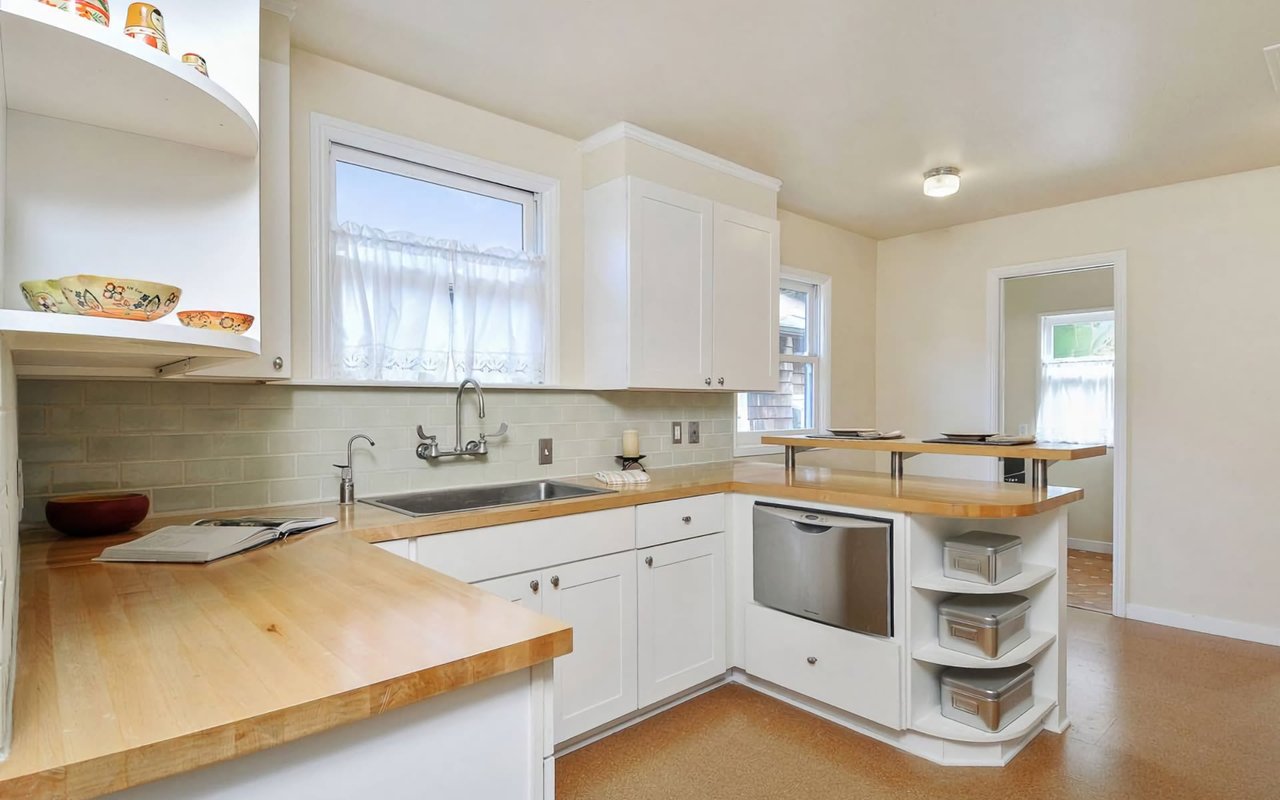
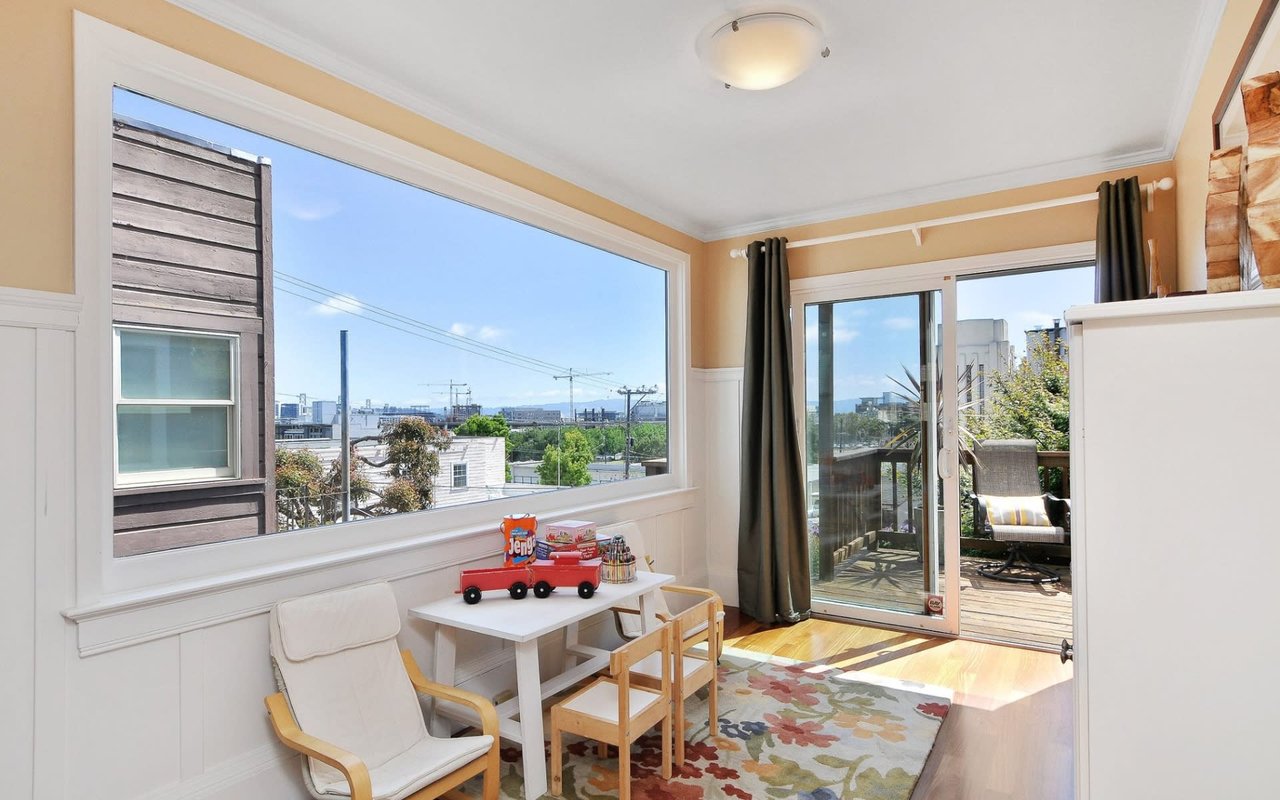
The best time to sell is not helpful if your home is not ready. In many cases, sellers lose more by rushing to market unprepared than by taking a few extra weeks to improve presentation.
National staging data from 2025 found that 29% of agents said staging increased the dollar value offered by 1% to 10%, and 49% said staging reduced time on market. Buyers’ agents also ranked photos, physical staging, video, and virtual tours among the most important listing assets.
That aligns with how San Francisco buyers shop. In a market where buyers compare listings quickly, polished presentation helps you compete immediately.
Focus on the highest-impact prep
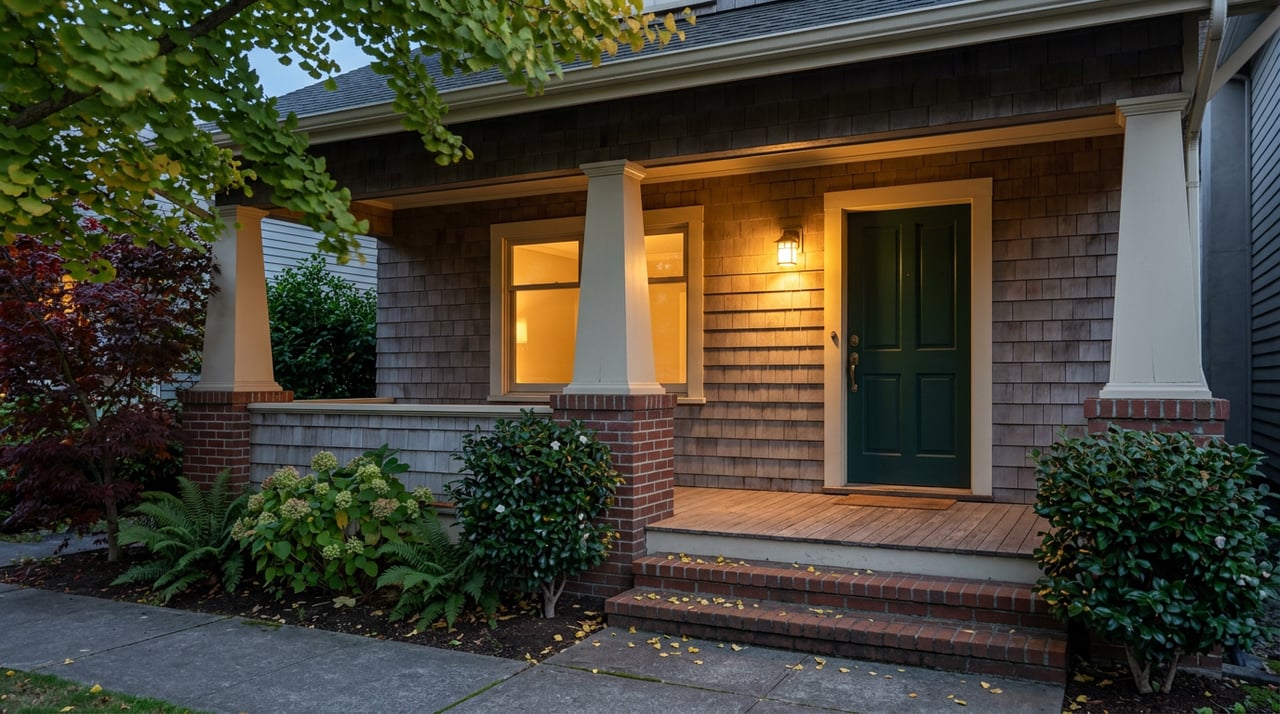
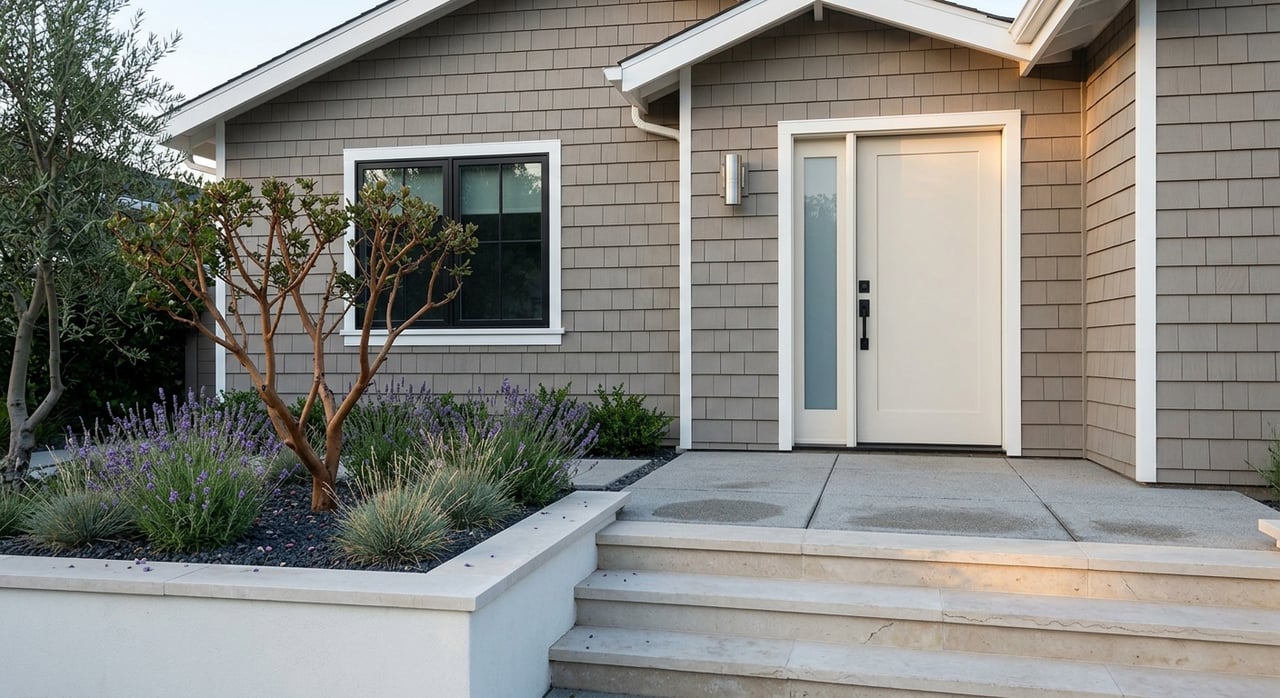
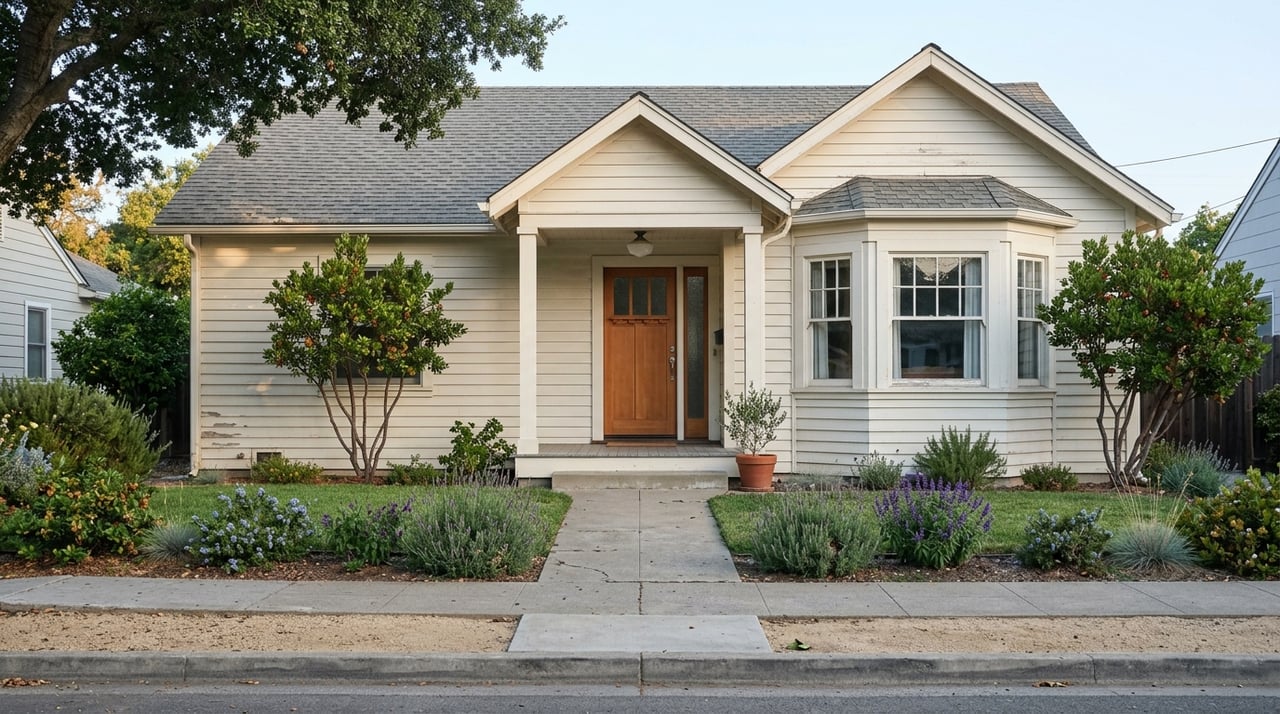
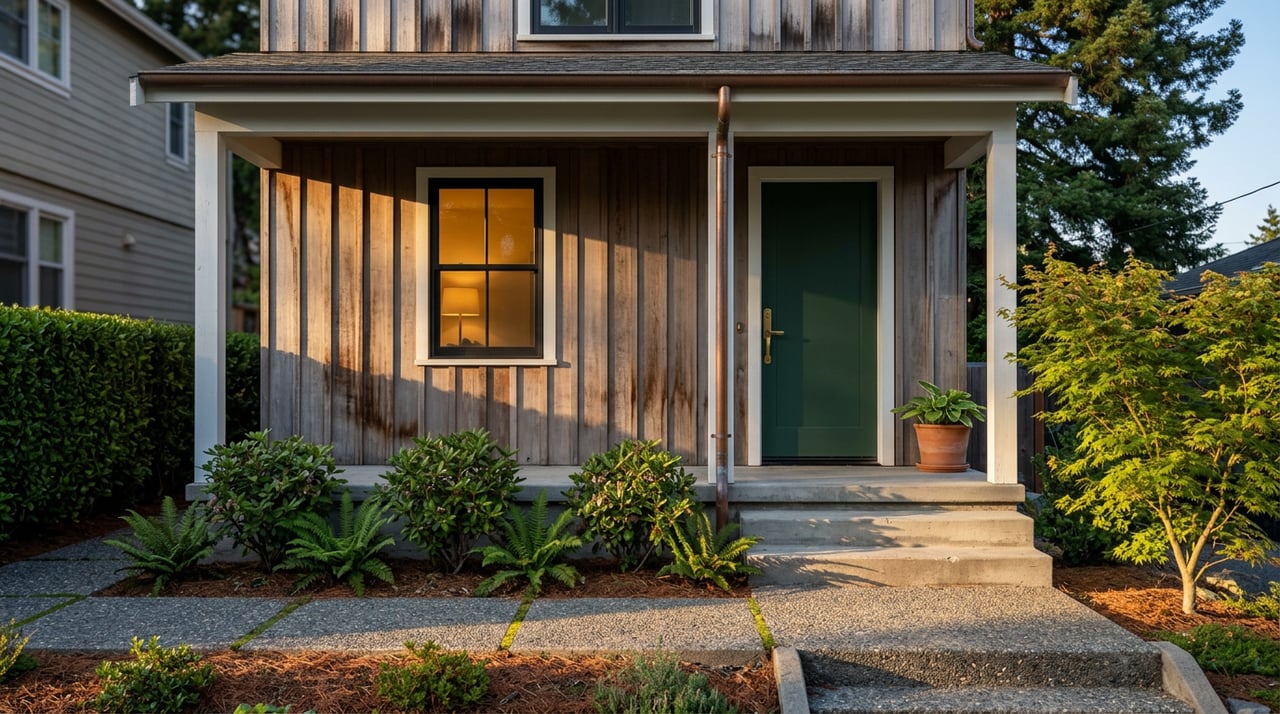
Before listing, small and visible projects often make more sense than a major remodel. National remodeling data from 2025 found that the top pre-listing recommendations included painting the entire home, painting one interior room, and installing a new roof. Common seller prep tasks also included decluttering, cleaning the entire home, and improving curb appeal.
National cost-versus-value data from 2025 also pointed to strong recoupment for exterior and entry-facing projects, such as garage door replacement, steel door replacement, manufactured stone veneer, and fiber-cement siding replacement. A minor kitchen remodel also performed well. While those figures are national and not San Francisco-specific, they support a useful rule of thumb: visible, functional improvements usually make more sense than a large discretionary remodel right before selling.
Avoid missing the window
Big renovation projects can delay your listing. In a 2025 remodeling report, 31% of consumers said their project took more time than planned.
If you are targeting a spring listing, that matters. A project that drags into April or May can push you out of the strongest launch window. If your home needs more than paint, cleaning, light repairs, and staging, it often makes sense to start earlier or narrow the scope.
Build your timeline backward
One of the smartest ways to decide when to sell is to work backward from your ideal launch date. Because listings often need 2 to 3 weeks of marketing before going under contract and another 3 to 5 weeks to close, the sales you see closing now often reflect market conditions from the prior month or more.
That means your real decision date comes earlier than many sellers think. If you want to be on the market in March, your planning may need to start in January. If you want to launch in September, you may need to begin prep in July.
A simple planning framework can help:
- Choose your target listing window based on season and your moving goals
- Assess your home’s condition and decide what prep is truly necessary
- Prioritize high-visibility improvements like paint, repairs, cleaning, and staging
- Develop a pricing strategy that supports strong early demand
- Leave buffer time in case contractors, vendors, or scheduling take longer than expected
So, when should you sell?
For most San Francisco homeowners, the clearest answer is early spring. That is typically when buyer demand is strongest and the market is most active. Fall is usually the next-best option if your home will not be ready in time for spring.
Still, the best timing is not just seasonal. It depends on your property type, your home’s condition, your pricing strategy, and how quickly you can bring the home to market in top form. A single-family home may benefit from tight inventory and faster demand, while a condo may need more careful positioning to stand out.
The real question is not just, “What month is best?” It is, “When can your home be fully prepared, correctly priced, and launched into the strongest buyer demand?” That is the timing decision that usually leads to the best result.
If you’re weighing your timing for a Bay Area sale and want a strategy built around preparation, pricing, and presentation, Katie & Mark Lederer can help you map out the right plan.
FAQs
When is the best month to sell a home in San Francisco?
- In most years, March or April is often the strongest window because buyer activity typically rises in early spring.
Is fall a good time to sell a home in San Francisco?
- Yes. The period after Labor Day through mid-November is often considered a second selling season in San Francisco.
Does property type affect when to sell in San Francisco?
- Yes. March 2026 SFAR data showed single-family homes moving faster than condos, which means timing and strategy can differ by property type.
- Which season suits a specific property is a pricing and preparation question rather than a calendar one, and it is the first thing our seller services work through.
Should I renovate before selling a San Francisco home?
- Usually, smaller visible improvements like paint, cleaning, decluttering, light repairs, and staging make more sense than a large remodel right before listing.
How early should I prepare to sell a home in San Francisco?
- If you want to list in spring, starting prep in January or February is often wise so you have enough time for repairs, staging, photography, and pricing strategy.