Short answer: There are three options, not two: repair now, disclose and price for it, or do nothing. The evidence favors small scope — a minor midrange kitchen remodel is estimated to recoup 112.4% in the San Francisco metro and a major one 48.5%, per Zonda's 2025 Cost vs. Value Report. And on a $100,000 remodel, California caps your legal down payment at $1,000.
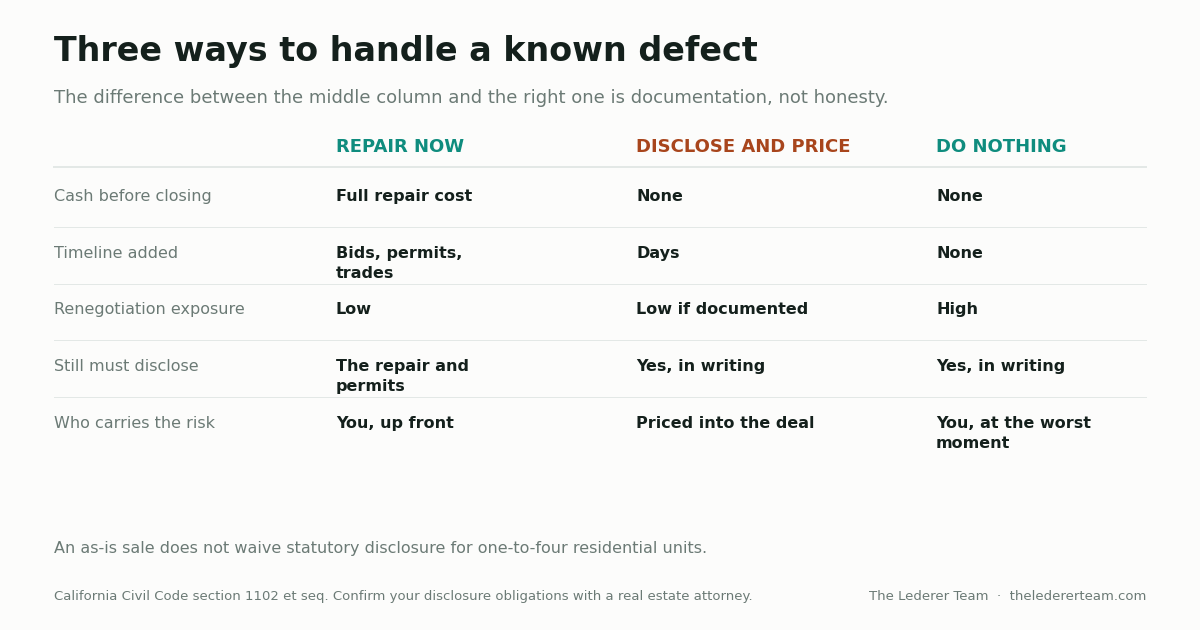
Three options, not two
First, the caveat governing this whole subject: nearly all published evidence on pre-sale improvements is surveys of agents' opinions, not measured outcomes. When a report says a project "recoups 237%," a panel of agents was shown photos and estimated the value added. Nobody sold anything. So this is a framework, not a formula.
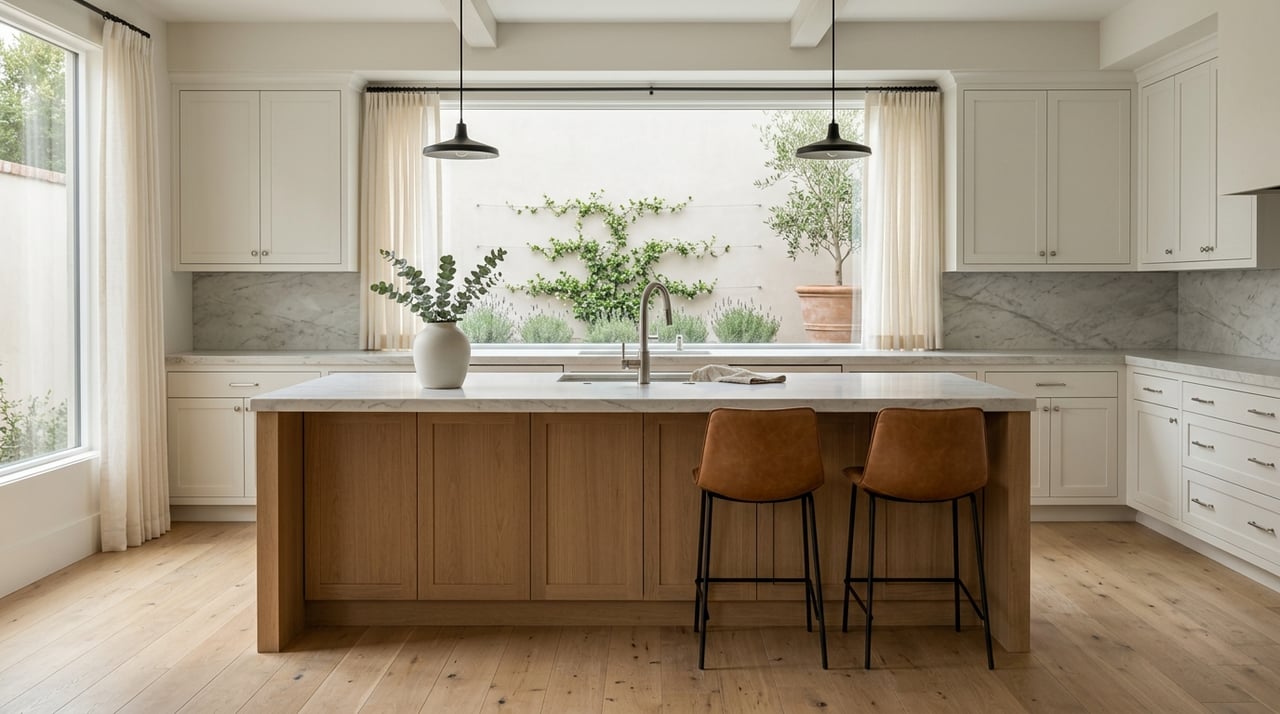
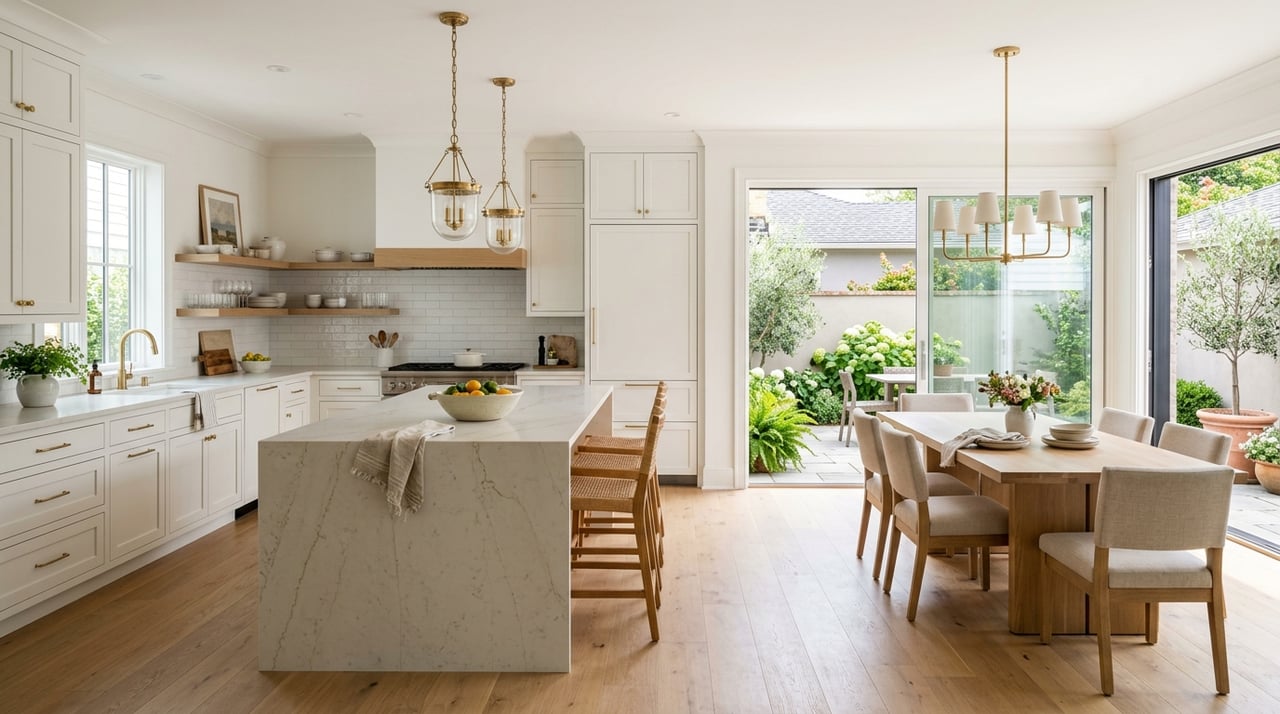
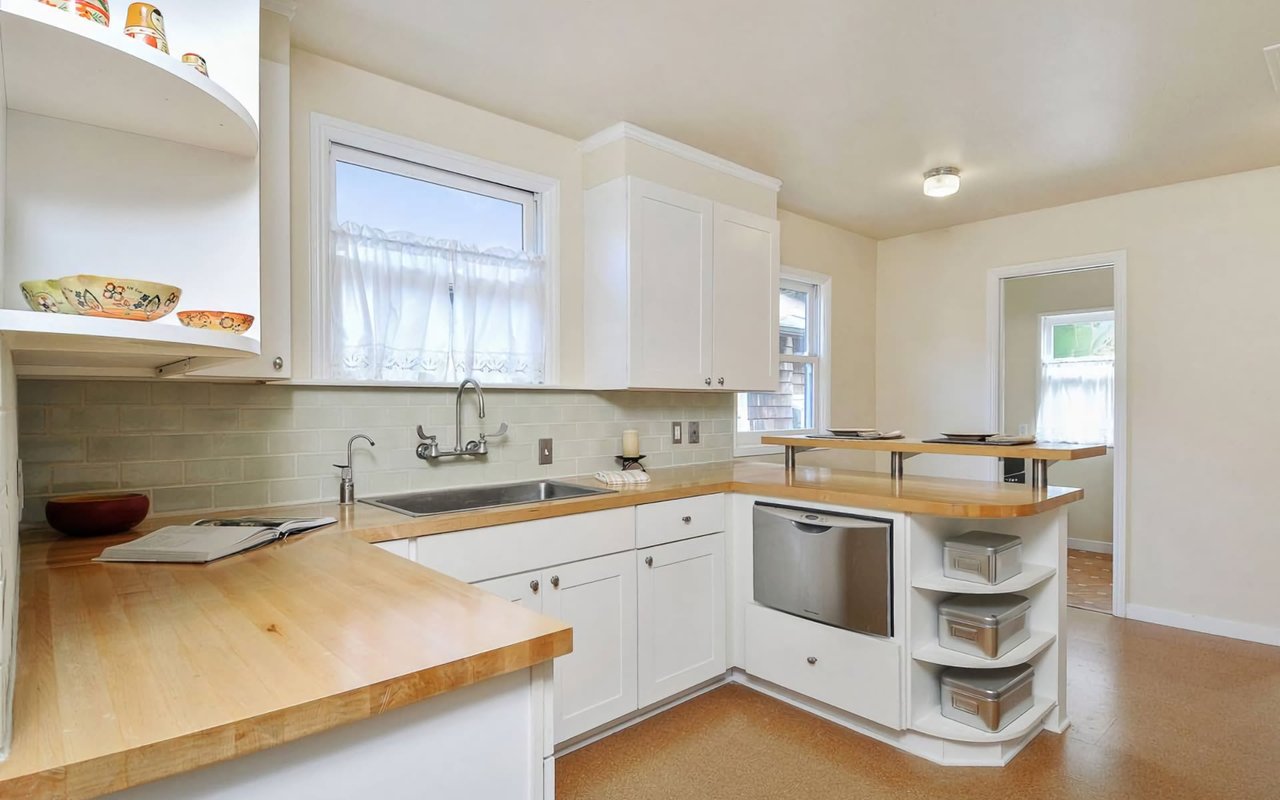
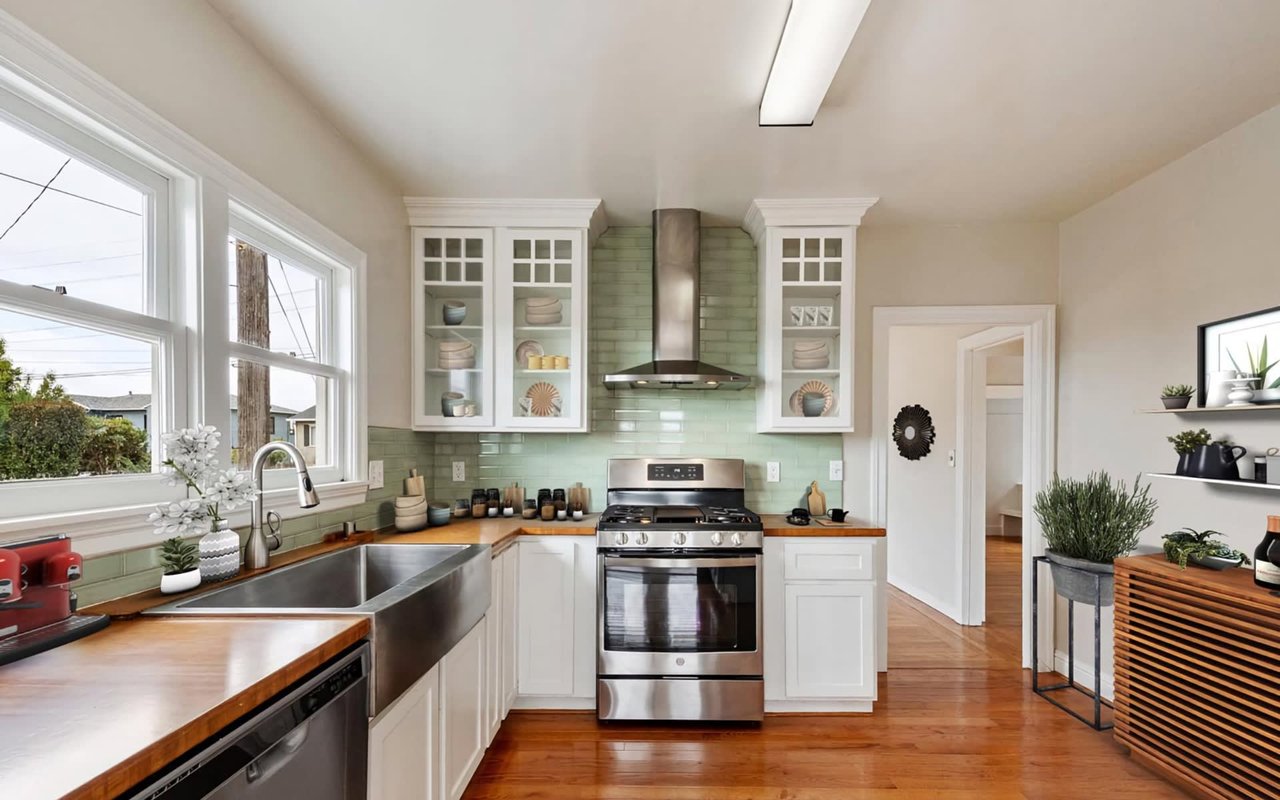
What the data says consistently is that scope matters more than room. Zonda's 2025 Cost vs. Value Report, released September 18, 2025, puts a minor midrange kitchen remodel in the San Francisco metro at 112.4% estimated recovery on $31,804, and a major one at 48.5% on $97,667 — broken down in the companion post on which pre-sale improvements actually pay.
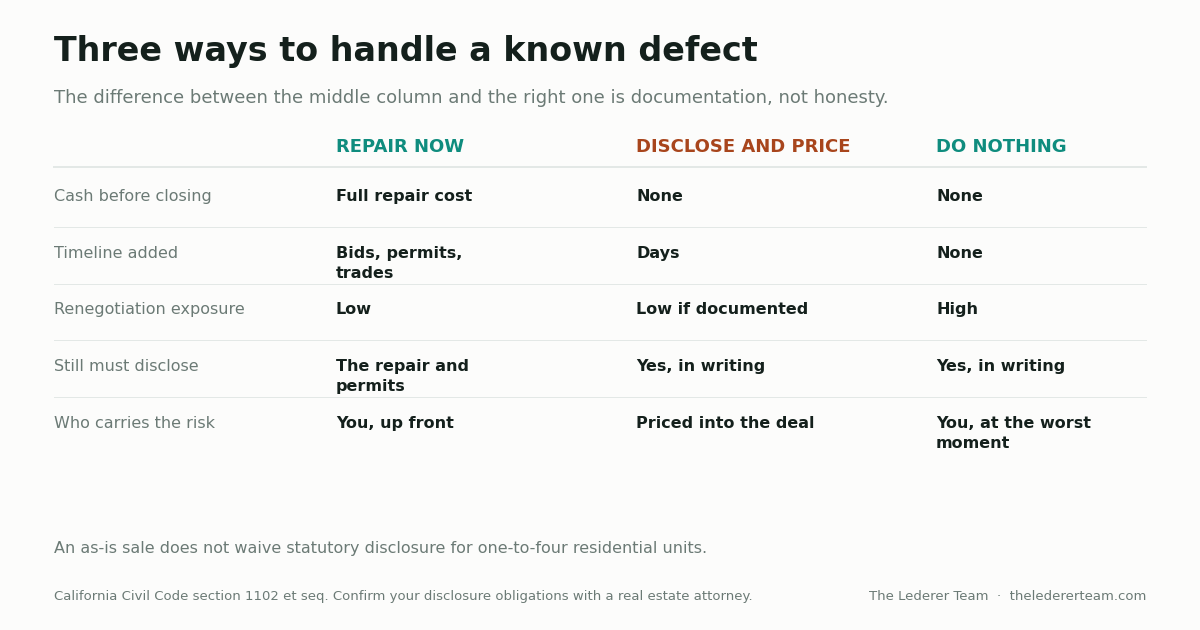
Sellers frame this as renovate or don't. The middle option — fix nothing, disclose fully, price the condition — is often right, and usually skipped.
Repair now | Disclose and price | Do nothing | |
|---|---|---|---|
Cash before closing | Full project cost | None | None |
Renegotiation exposure | Low on that item | Low, if documented up front | High |
Best when | Small, visible, cheap scope | Big-ticket systems, bids in hand | Work the buyer will redo |
The difference between columns two and three is documentation. "Disclose and price" means written bids for the deferred work go out with the disclosure package, so every offer prices the same number. "Do nothing" means the buyer prices it at inspection, usually higher.
What "as-is" does not do
An as-is sale limits your obligation to repair. It does not touch your obligation to disclose — those duties for one-to-four unit residential property are statutory and cannot be waived by an as-is clause.
The Transfer Disclosure Statement, Civil Code § 1102 et seq., is where deferred work becomes a written question. Two separate line items matter, and sellers routinely answer only one.
- "Room additions, structural modifications, or other alterations or repairs made without necessary permits."
- "…not in compliance with building codes."
They are distinct: permitted work can still be out of compliance, and unpermitted work is not automatically non-compliant. Answer each on its own terms. The Seller Property Questionnaire is a C.A.R. form, not a statute, and says on its face it is not a substitute for the TDS. Natural Hazard and pre-1978 lead-based paint disclosures are separately mandatory. This is a description of statutory obligations, not legal advice — confirm specifics with a real estate attorney.
Before you sign with a contractor
Check the license, and read the bond for what it is
CSLB's "Check a License" tool searches by license number, business name or HIS registration number, and it discloses complaints. California also requires a $25,000 contractor's bond, effective January 1, 2023 — small relative to an East Bay remodel. The bond is not insurance and no guarantee you recover anything; it is a licensing requirement, not a warranty. Confirm workers' compensation too: an uninsured worker injured on your property can become your liability.
The written contract, and the down payment cap
A written contract is required for any home improvement project over $500. CSLB's required and advised contents: a detailed description of work and products; a payment schedule with payments not exceeding the value of work performed; who obtains permits; a completion date; the contractor's name and license number; warranty terms; and written change orders signed before work starts.
Then the rule almost nobody knows. The down payment is capped at the lesser of $1,000 or 10% of the contract price, excluding finance charges — CSLB states it in capitals. Read "lesser" carefully: on a $100,000 remodel the legal maximum is $1,000, not $10,000. The 10% only governs contracts under $10,000. A contractor asking 30% up front on a six-figure job is asking for something illegal.
Progress payments run under Business and Professions Code §§ 7159 and 7159.5, with statutory language required in at least 12-point boldface: "It is against the law for a contractor to collect payment for work not yet completed, or for materials not yet delivered." Penalties include CSLB discipline and potential misdemeanor charges.
Mechanics liens and preliminary notices
A lien recorded against your title will stop a sale, and most of the protection is procedural.
Preliminary notices. Subcontractors and suppliers — not the prime contractor — must serve one within 20 days after first furnishing labor or materials; serving late forfeits lien rights for anything furnished more than 20 days before the notice was received. Receiving one is normal, not an accusation. Keep them: together they list everyone who could lien the property.
Recording deadlines. A lien must be recorded within 90 days of completion, the owner's beginning use, or acceptance. Record a Notice of Completion within 15 days of completion and that shortens to 60 days for the prime contractor and 30 days for subs and suppliers — a 30-day cloud on title instead of 90.
Payment hygiene. CSLB's protections are three habits: joint checks payable to the contractor and the sub or supplier; a conditional lien release before each payment and an unconditional release after; and withholding the next payment until the prior unconditional release is in hand. Consult a construction attorney about any notice you do not understand.
Permits, and the trap in the middle of a kitchen
Berkeley exempts a useful list of work from building permits: painting, tiling, carpeting, cabinets and countertops, fences under 7 feet, retaining walls of 4 feet or less, unattached decks 200 square feet or smaller and under 30 inches high, and fixing leaks in existing fixtures.
Here is the trap. Cabinets and countertops are exempt; a kitchen remodel that moves plumbing or alters electrical is not. Berkeley still requires permits for fences over 6 feet and retaining walls in setbacks under zoning, and for plumbing work that replaces concealed piping. The same "minor kitchen remodel" is a cosmetic job or a permitted project depending on whether anyone touches what is behind the wall. Berkeley publishes no flat fee schedule, so budget from its estimator.
Oakland publishes turnaround estimates, with its own caveat: not exact, assuming complete applications, business days.
Oakland permit type | Published turnaround |
|---|---|
MEP, no plans; solar | Same day |
Simple kitchen or bath remodel, no plans | Same day to 2 weeks |
Regular residential, 1–2 units | 21 days |
Permit value triggers other obligations too — $100,000 for EBMUD sewer lateral compliance and Oakland sidewalk certification, $60,000 for Berkeley's lateral program — so a budget crossing one of those lines pulls a second project into the timeline.
How we run the decision
Our renovations and repairs group is one of five specialist practices inside our nine-person team — three real estate advisors and six dedicated specialists in finance, mortgage, insurance, estate planning and renovation — with 20-plus years and hundreds of projects across listing prep, investor work and trust sales. The sequence is deliberately boring: a cost-vs-value analysis before demolition rather than after, several written bids from verified local contractors so pricing and scope both get checked, and a budget you approve before anything is committed. Consultations are complimentary.
The most common outcome is not a renovation. It is a short punch list plus a documented disclosure package — column two above. To have that call made on your house, start with a valuation of your home and what it costs to sell a house in Oakland in 2026.
Frequently asked questions
How much down payment can a contractor legally ask for in California?
The lesser of $1,000 or 10% of the contract price, excluding finance charges, per CSLB. On a $100,000 remodel that is $1,000, not $10,000, since $1,000 is the lesser figure. The 10% only governs contracts under $10,000.
Does selling as-is mean I do not have to disclose problems?
No. An as-is sale limits your obligation to repair, not to disclose. Those duties are statutory for one-to-four unit residential property and cannot be waived. The Transfer Disclosure Statement asks separately about work done without permits and about work not in compliance with codes.
What is a preliminary notice and should I be worried?
It is the notice subcontractors and suppliers must serve within 20 days of first furnishing labor or materials to preserve lien rights. Receiving one is normal, not an accusation. Keep them: together they list everyone who could lien the property.
Do I need a permit to replace kitchen cabinets in Berkeley?
Cabinets and countertops are on Berkeley's permit-exempt list, along with painting, tiling and carpeting. But the exemption ends where the wall opens: plumbing work replacing concealed piping requires a permit. A cabinet swap and a remodel that moves the sink are different jobs.
Is the $25,000 contractor bond enough to protect me?
No, and it is not designed to. The $25,000 bond, required since January 1, 2023, is small relative to an East Bay remodel, is not insurance, and is no guarantee of recovery. Your real protections are the contract, the down payment cap, and lien releases.
Sources
- CSLB, Check a License — link
- CSLB, home improvement contracts — link
- CSLB, bonds — link
- CSLB, mechanics liens guide — link
- Berkeley, permit-exempt work — link
- Oakland, permit turnarounds — link
- EBMUD, sewer laterals — link
- Zonda, 2025 Cost vs. Value Report — link
Mark Lederer leads The Lederer Team at Red Oak Realty, with 25-plus years and more than 1,000 closed East Bay transactions. Our renovation specialists price the work, check the permit triggers for your address, and say when doing nothing is the better trade. Call 510-774-4231 or email [email protected].