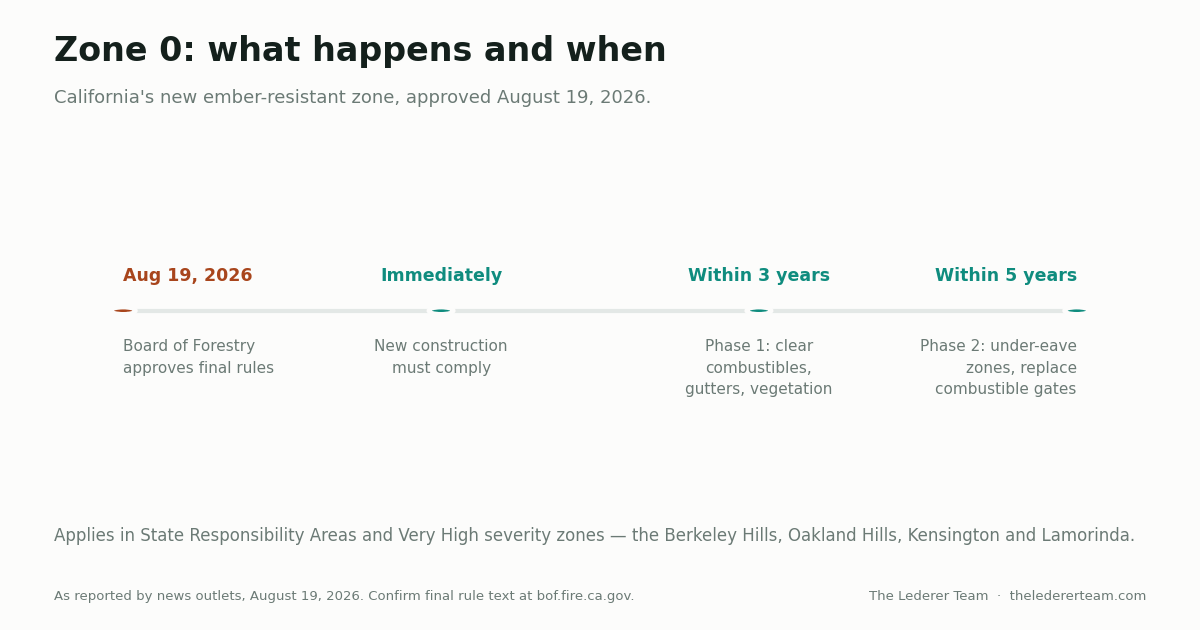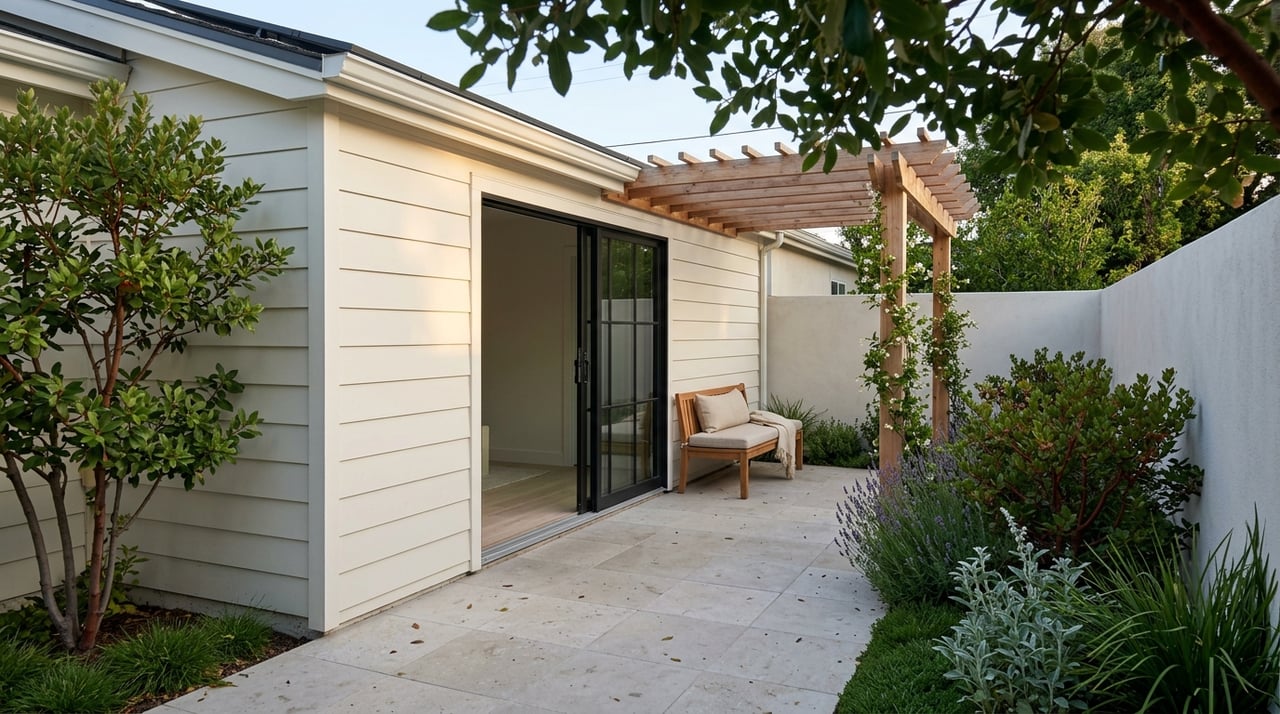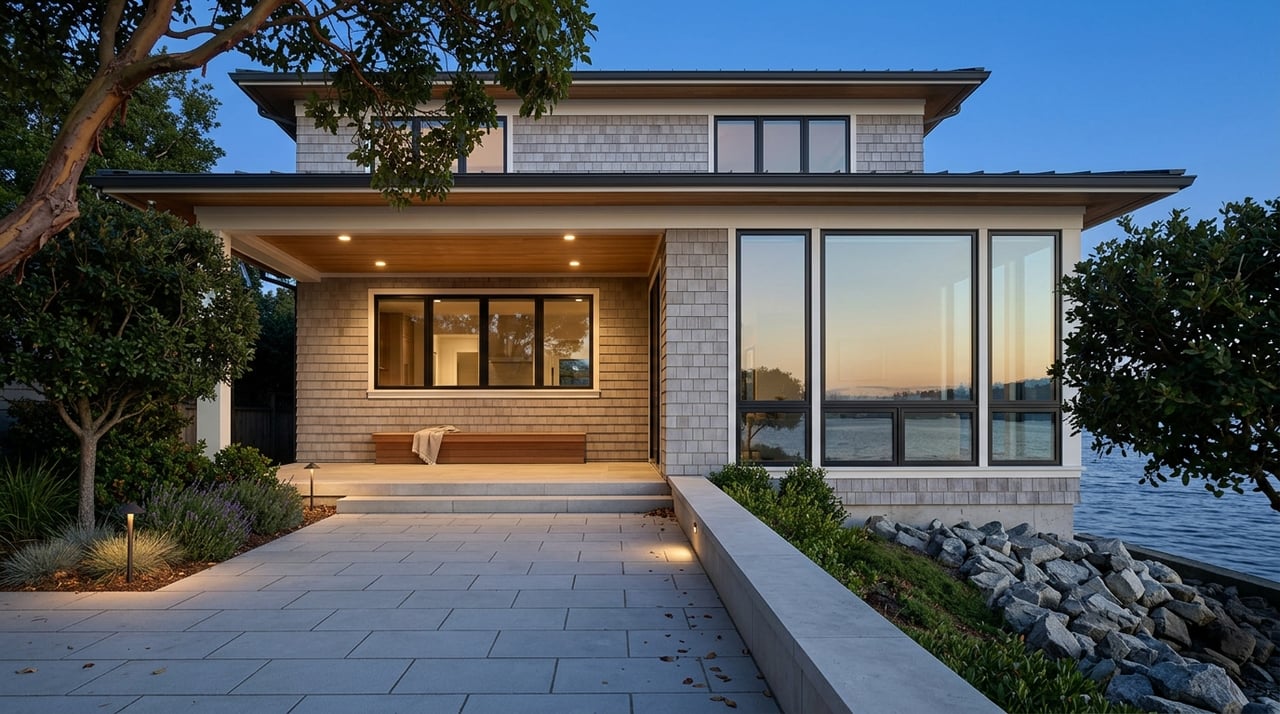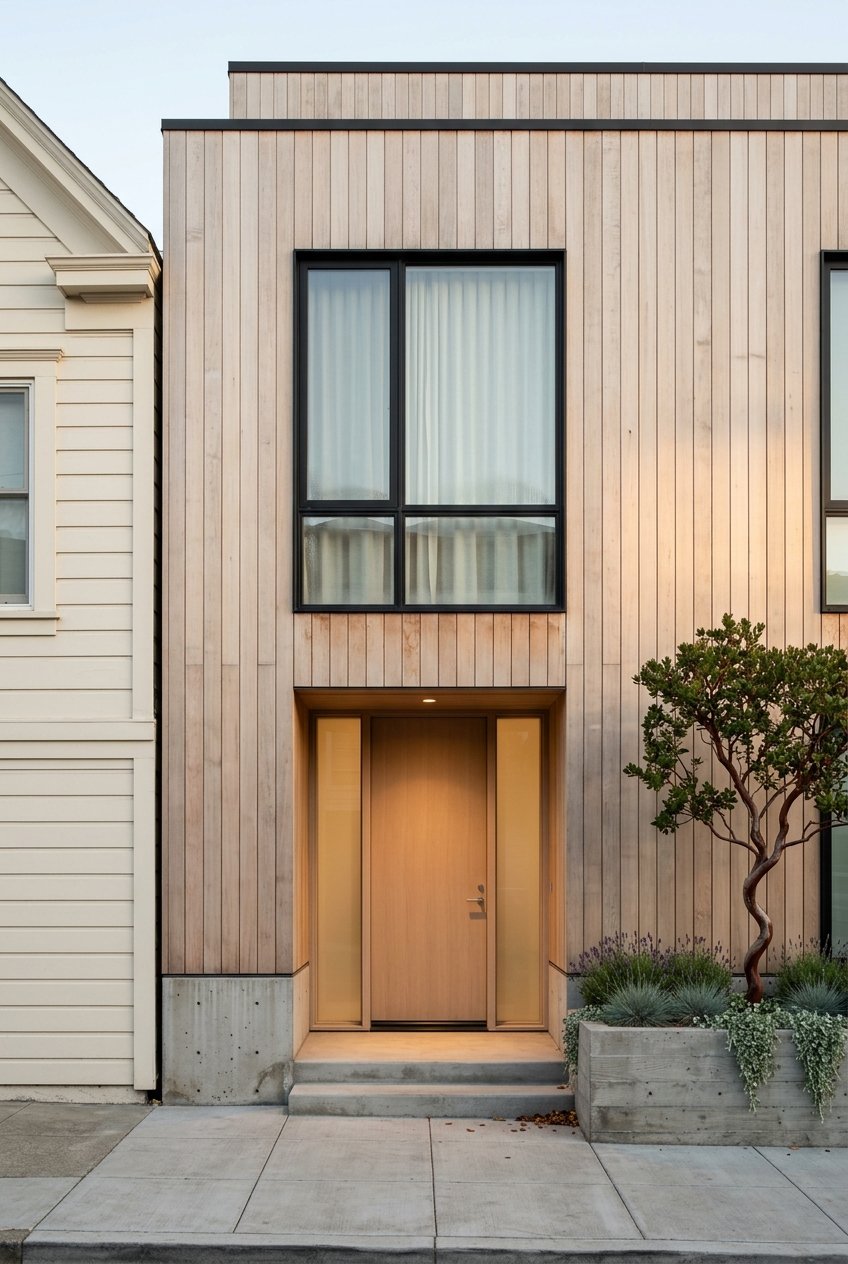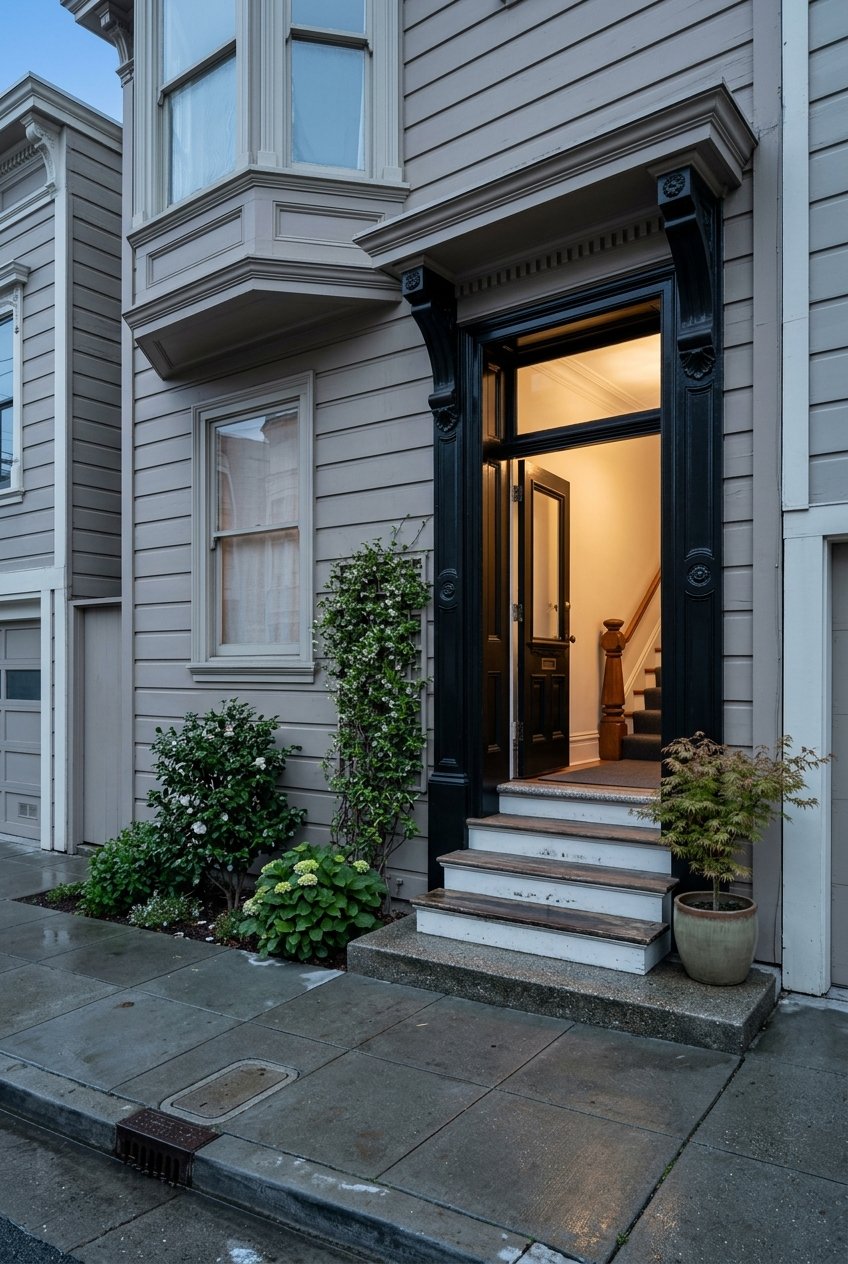
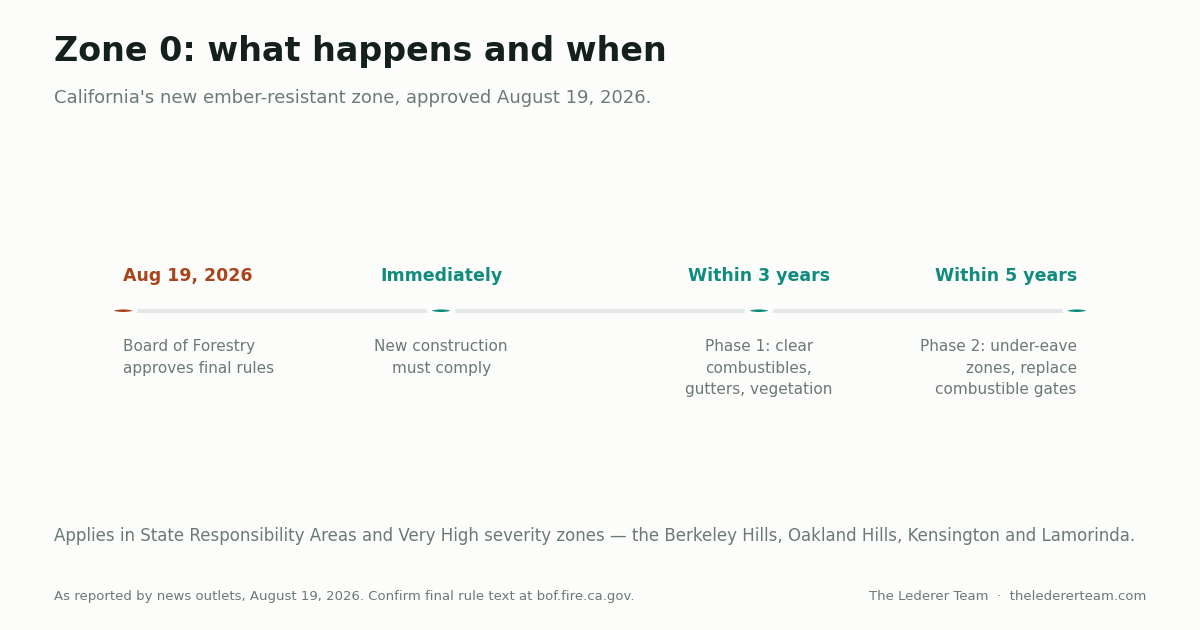
Short answer: On August 19, 2026, the California Board of Forestry and Fire Protection approved final Zone 0 regulations creating an ember-resistant zone in the first five feet around a structure. New construction must comply immediately. Existing homes get three years for the first phase of work and five years for the second. Confirm the final rule text before you spend money.
Read this caveat first. As of this writing the approval is days old, and the public accounts of it are news reports rather than the Board's own published rule. Effective dates, exact wording and the compliance clock can shift between a board vote and a filed regulation. Before you tear out a fence, pull mulch, or write a repair request into a contract, confirm the current rule text and effective date at bof.fire.ca.gov. Everything below is written as reported.
What Zone 0 actually is
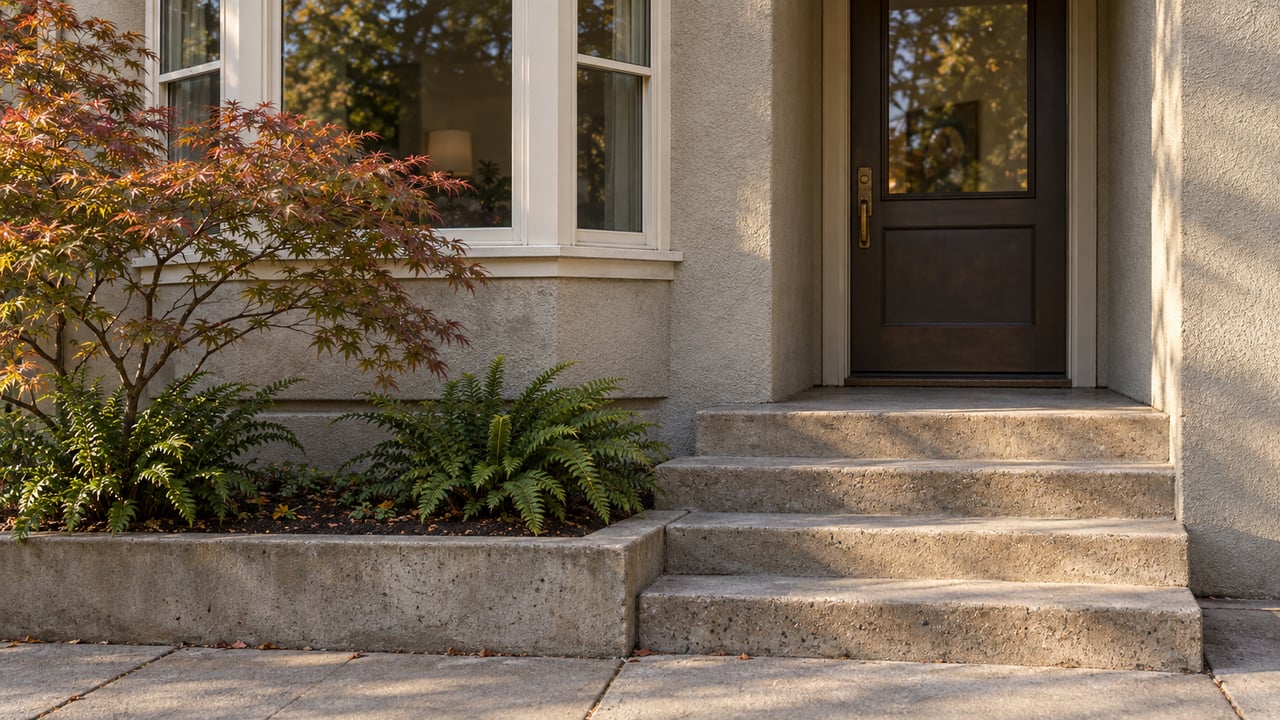
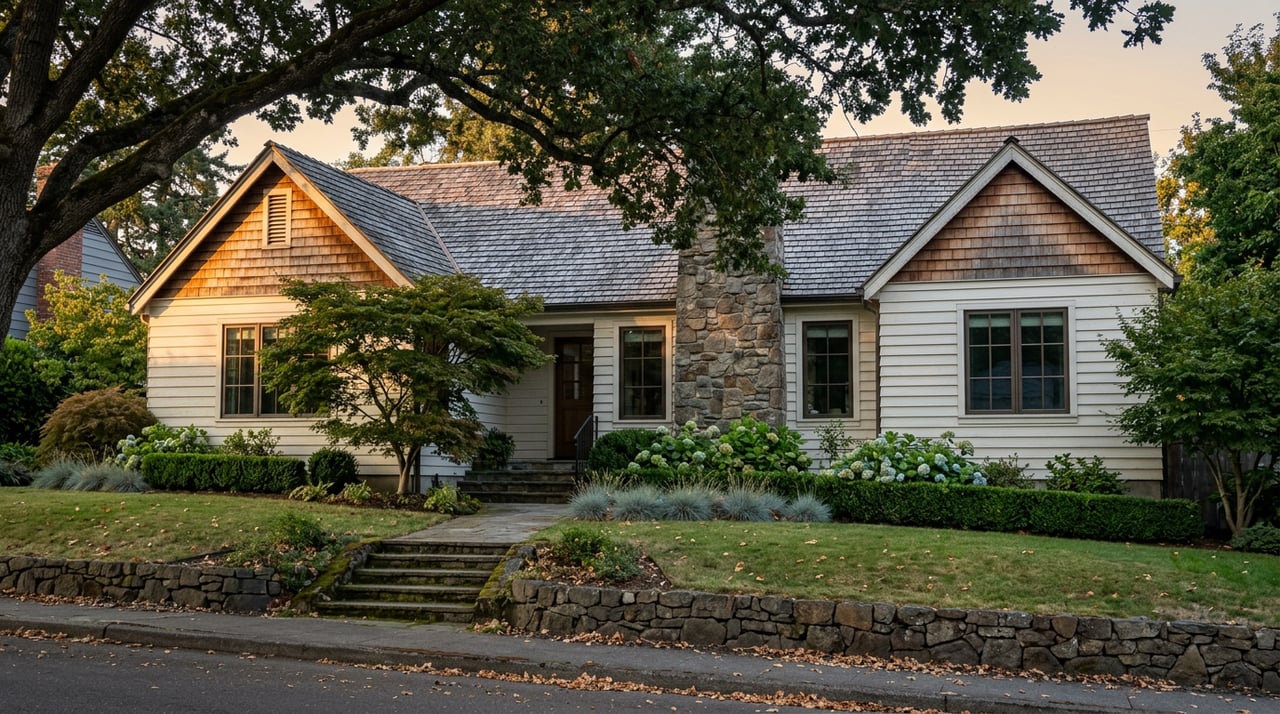
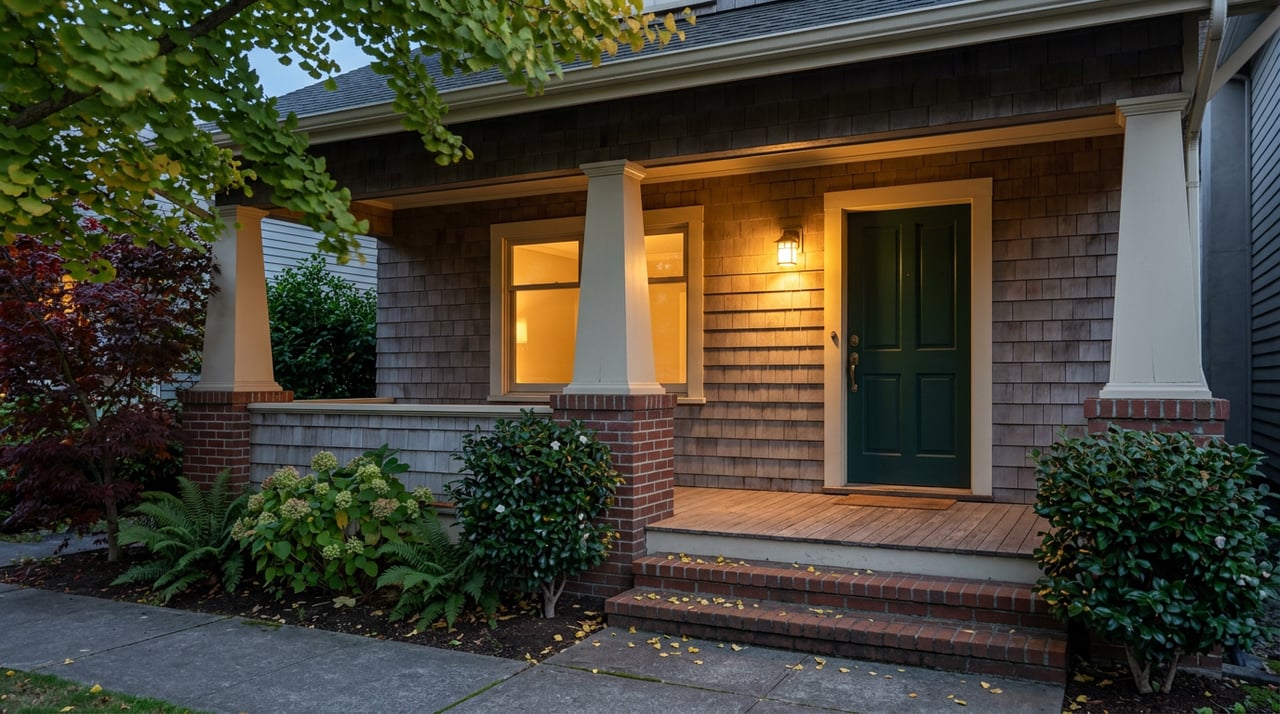
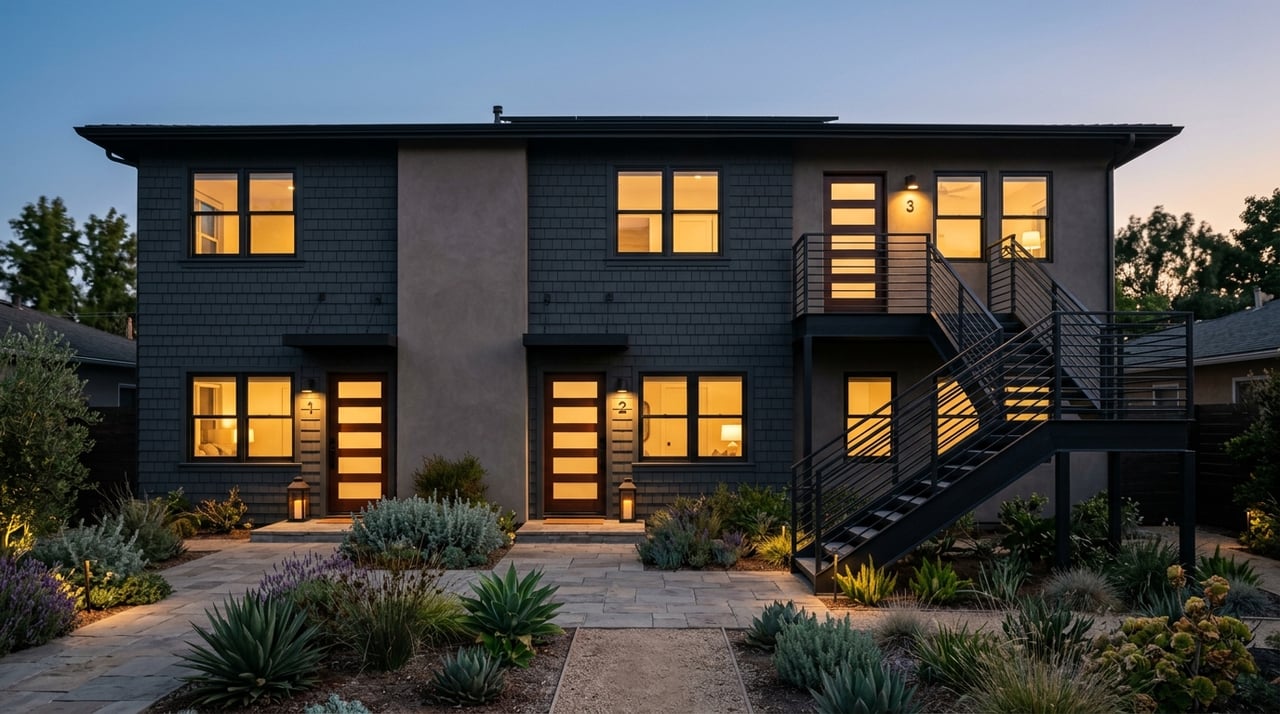
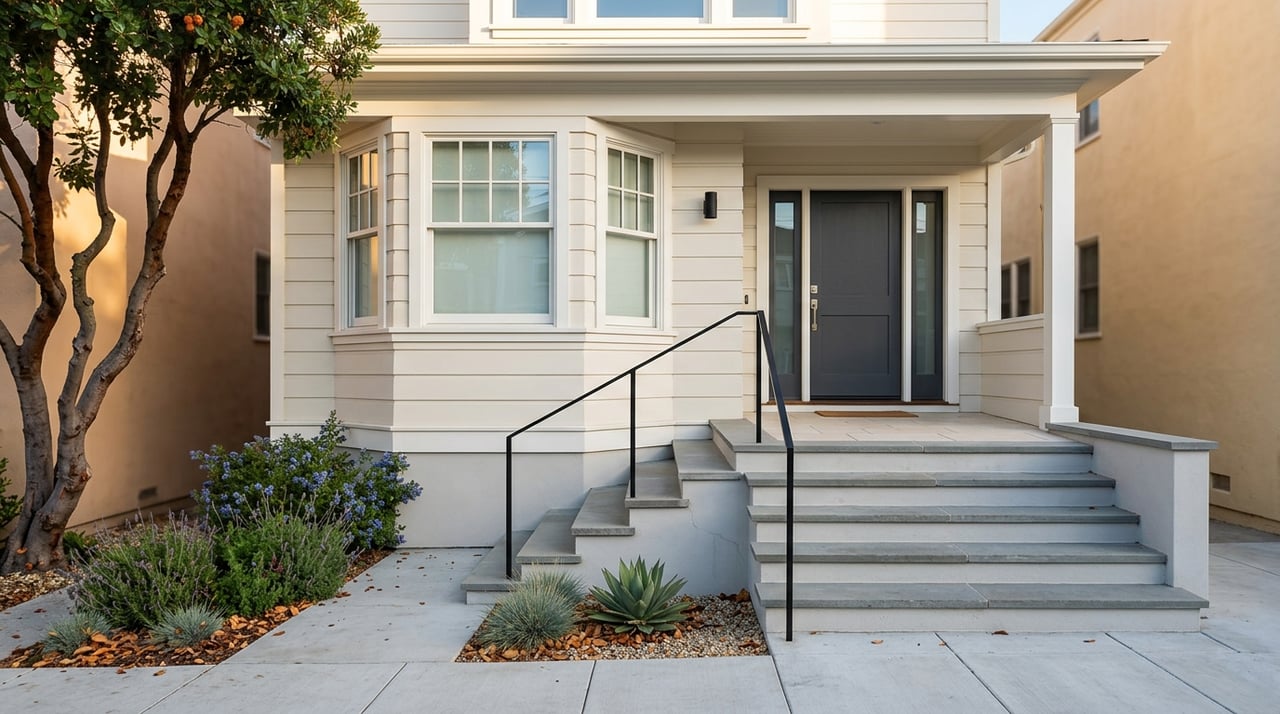
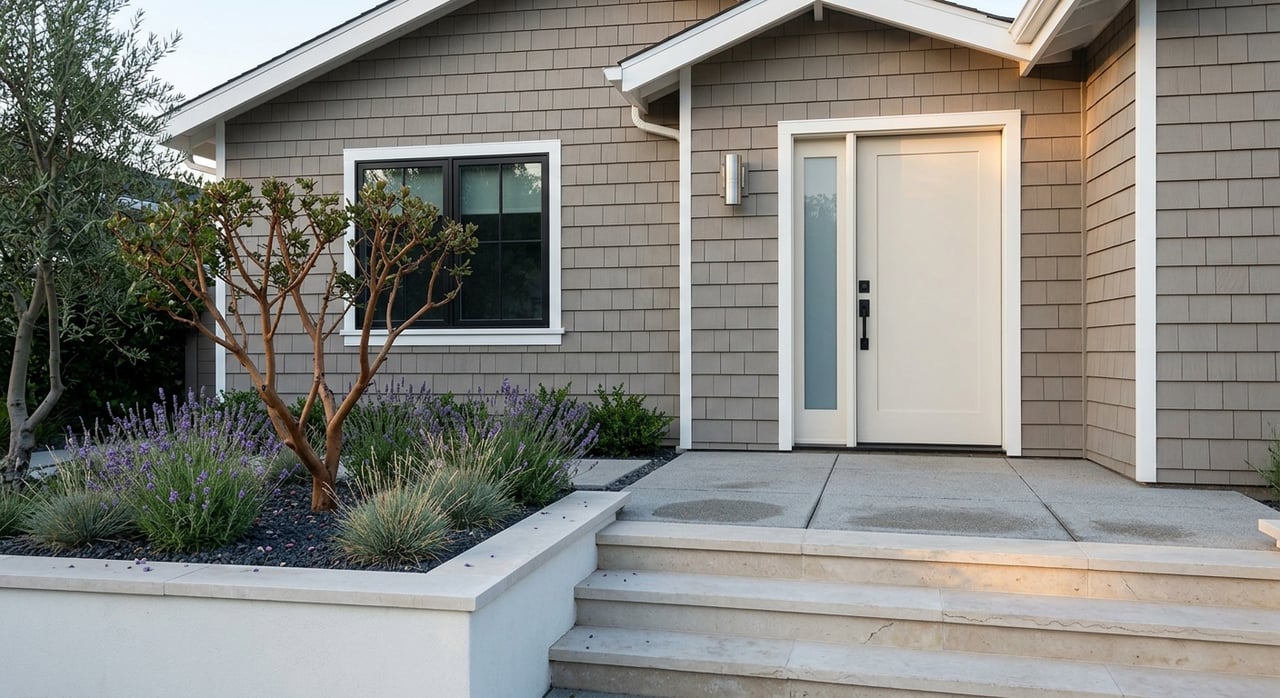
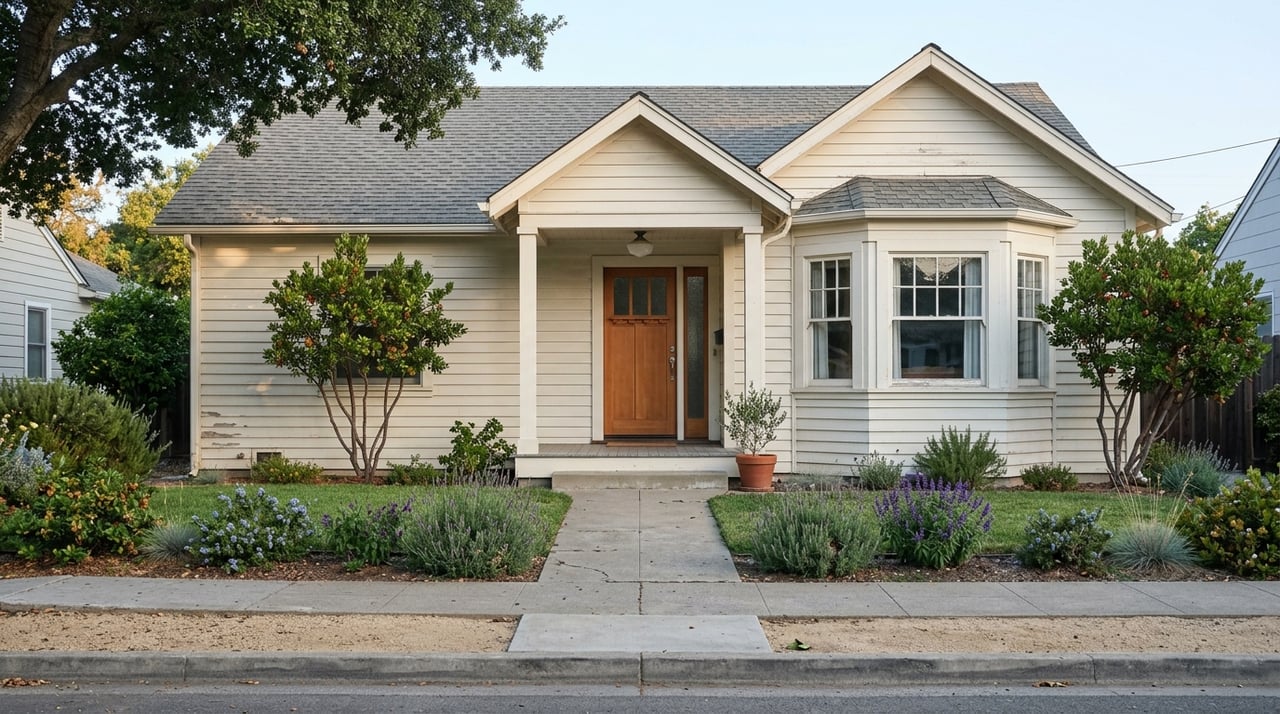
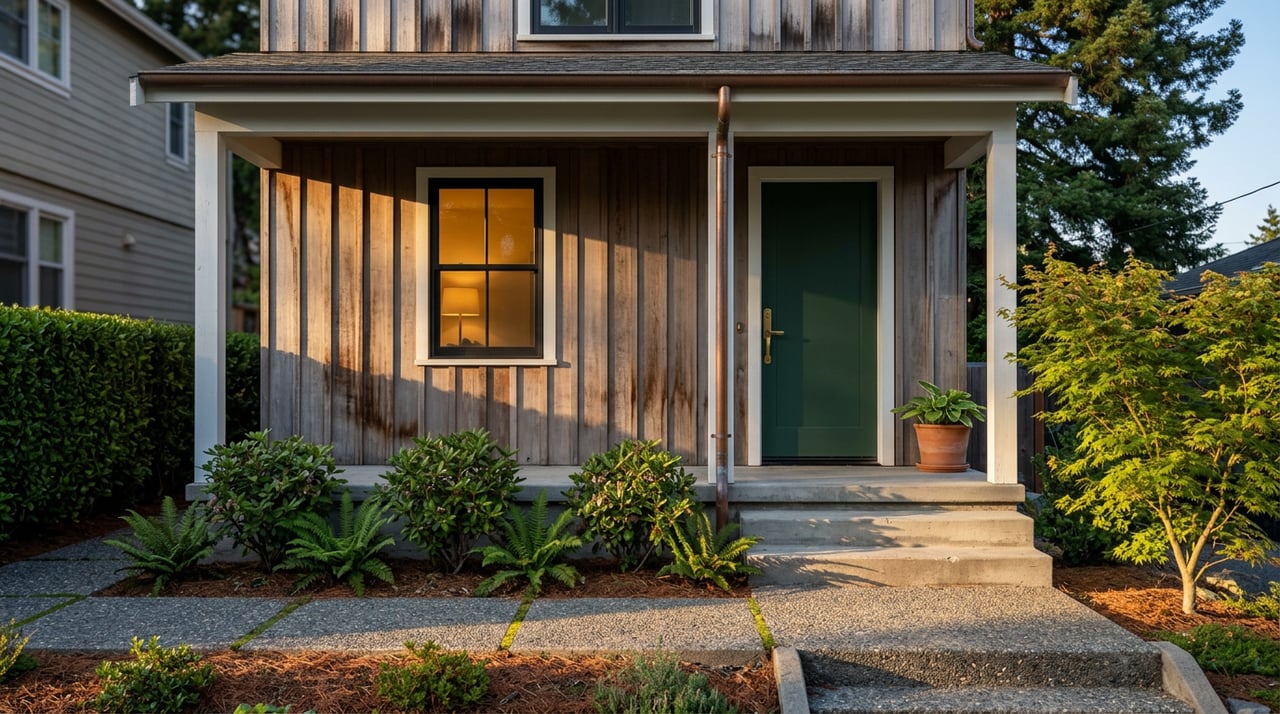
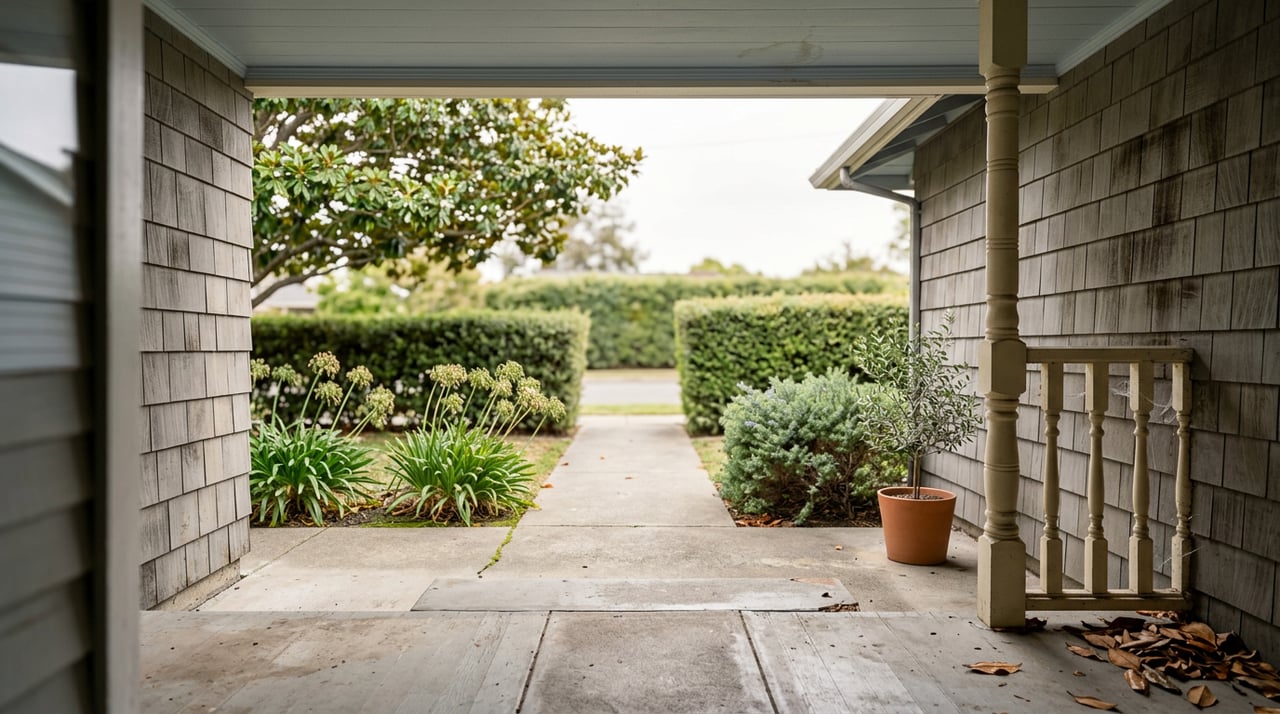
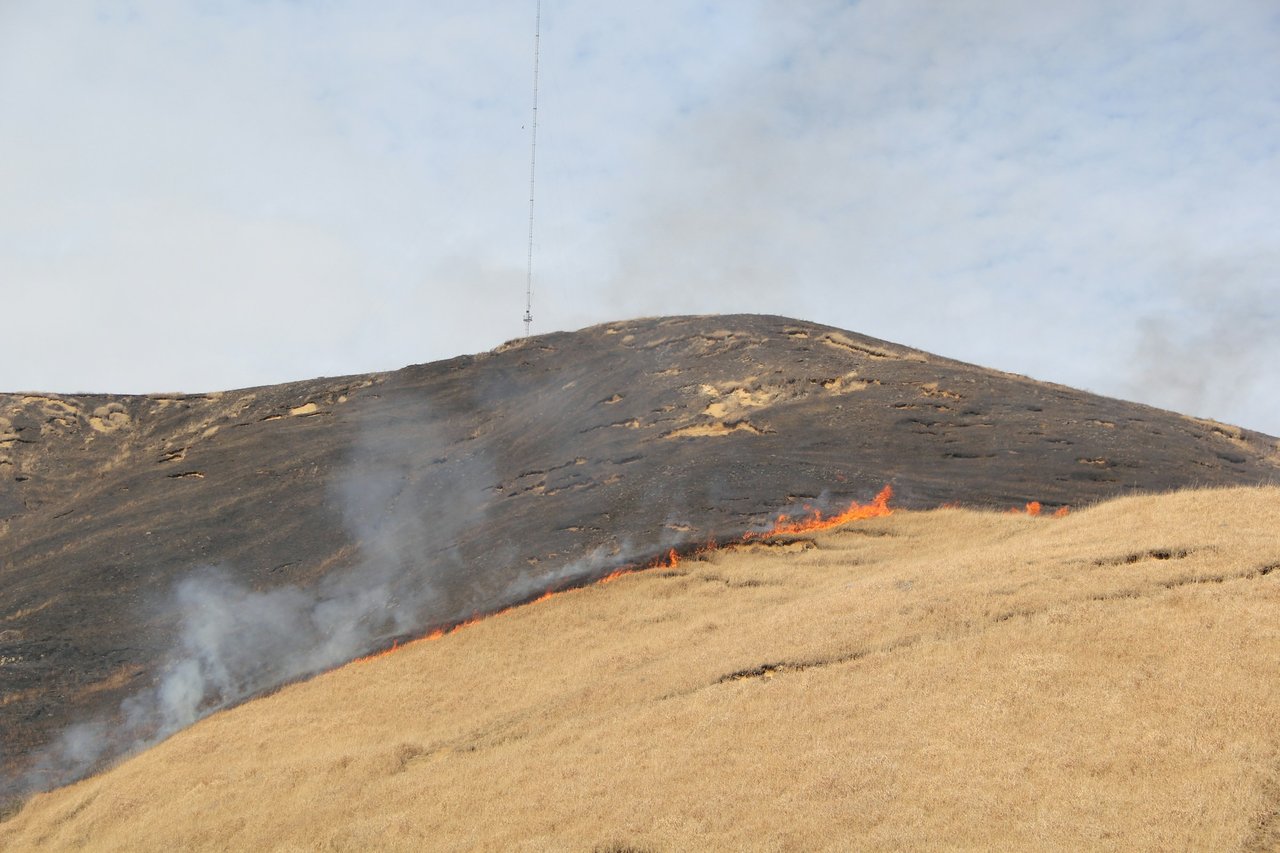
California has required defensible space around homes in fire-prone areas for years, measured in zones out to 100 feet. Zone 0 is the newest and smallest: the strip from a structure's exterior wall out to five feet. The logic is that most homes lost in a wildfire are not ignited by a wall of flame. They are ignited by embers landing on something combustible touching the house, which then burns long enough to take the siding, the eave or the window.
As reported, within that band the new rules prohibit:
- Firewood and lumber storage
- Dead leaves, needles and dead branches
- Mulch and wood chips
- New combustible fences and gates attached to or entering the zone
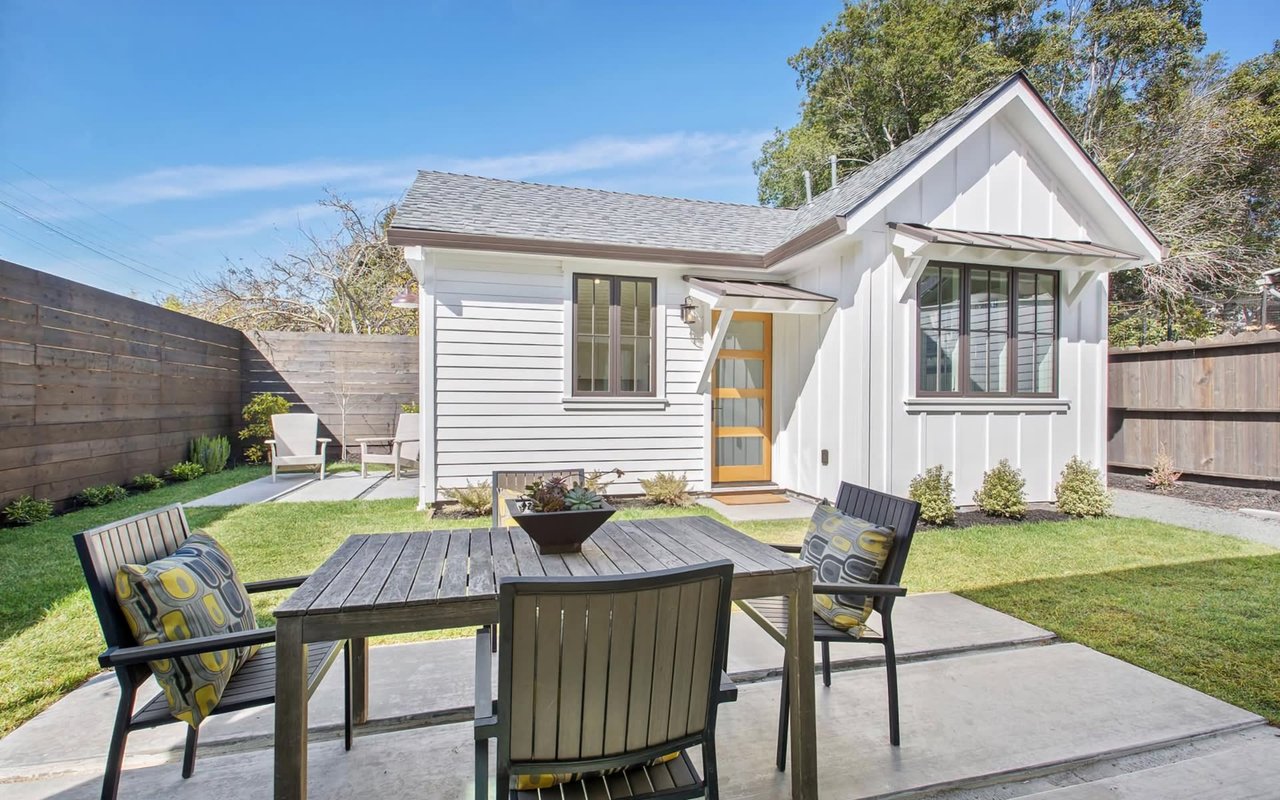
Sheds and accessory structures inside the zone need non-combustible roofs and walls. The Board indicated implementation will prioritize education and outreach rather than penalties, which tells you how to pace the work: methodically, not in a panic.
Which East Bay homes this captures
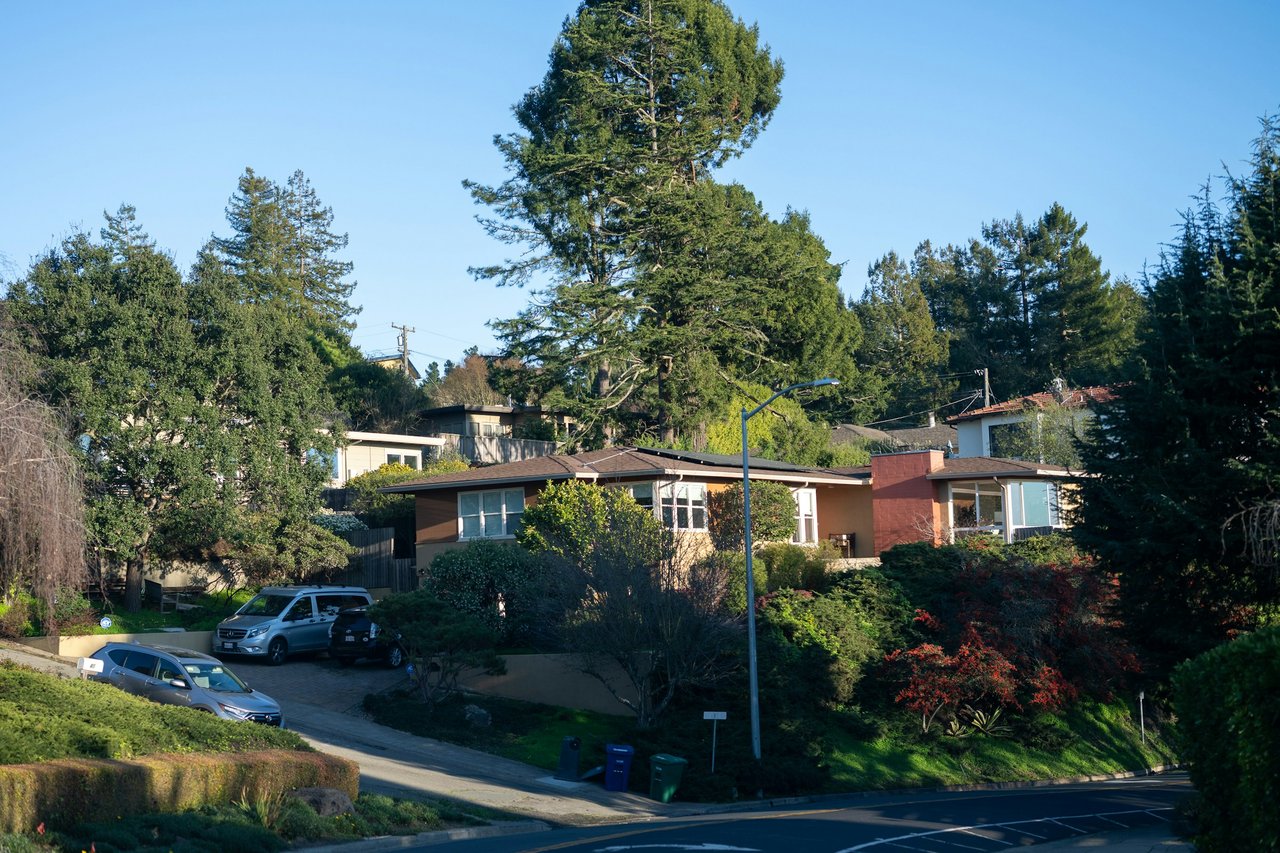
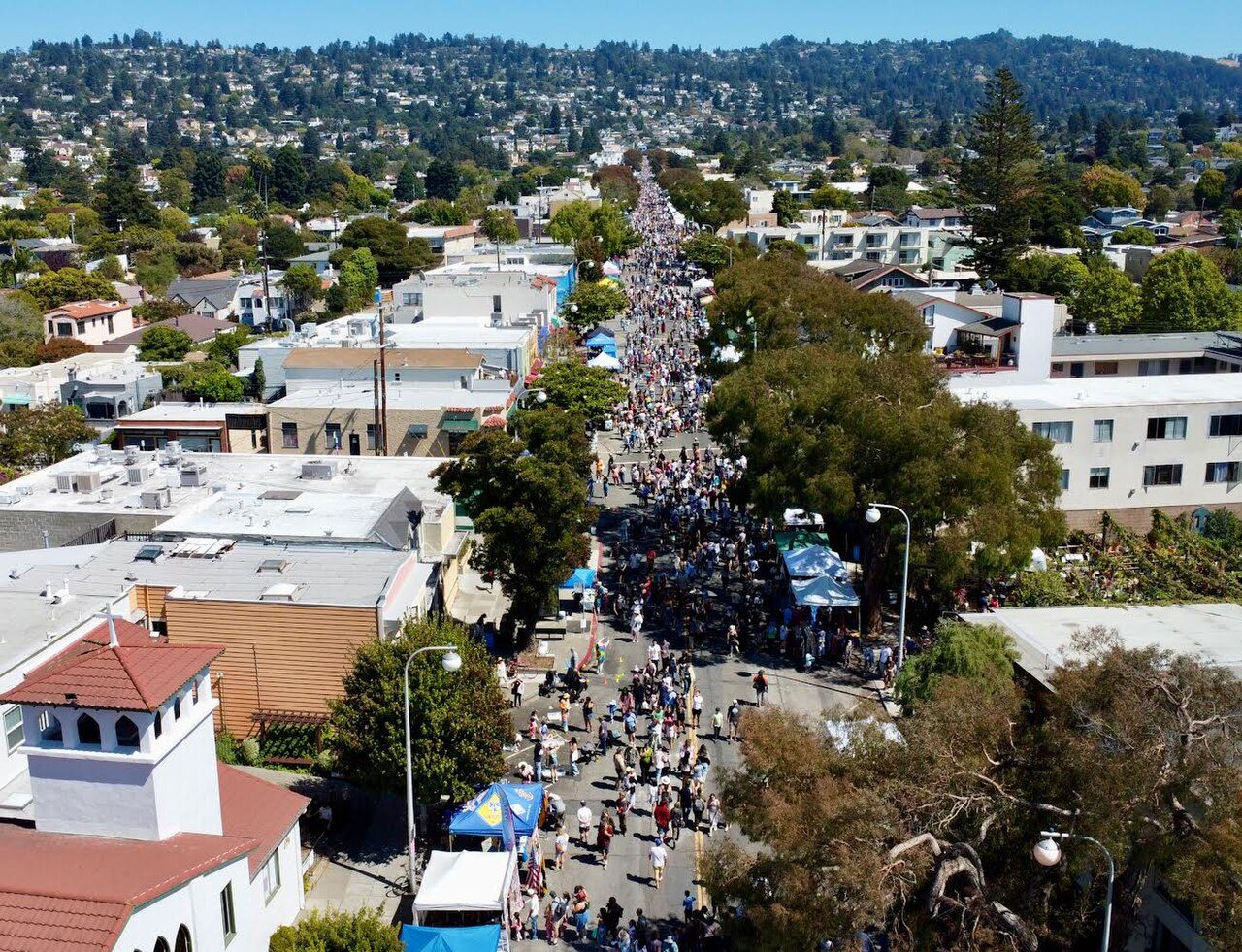
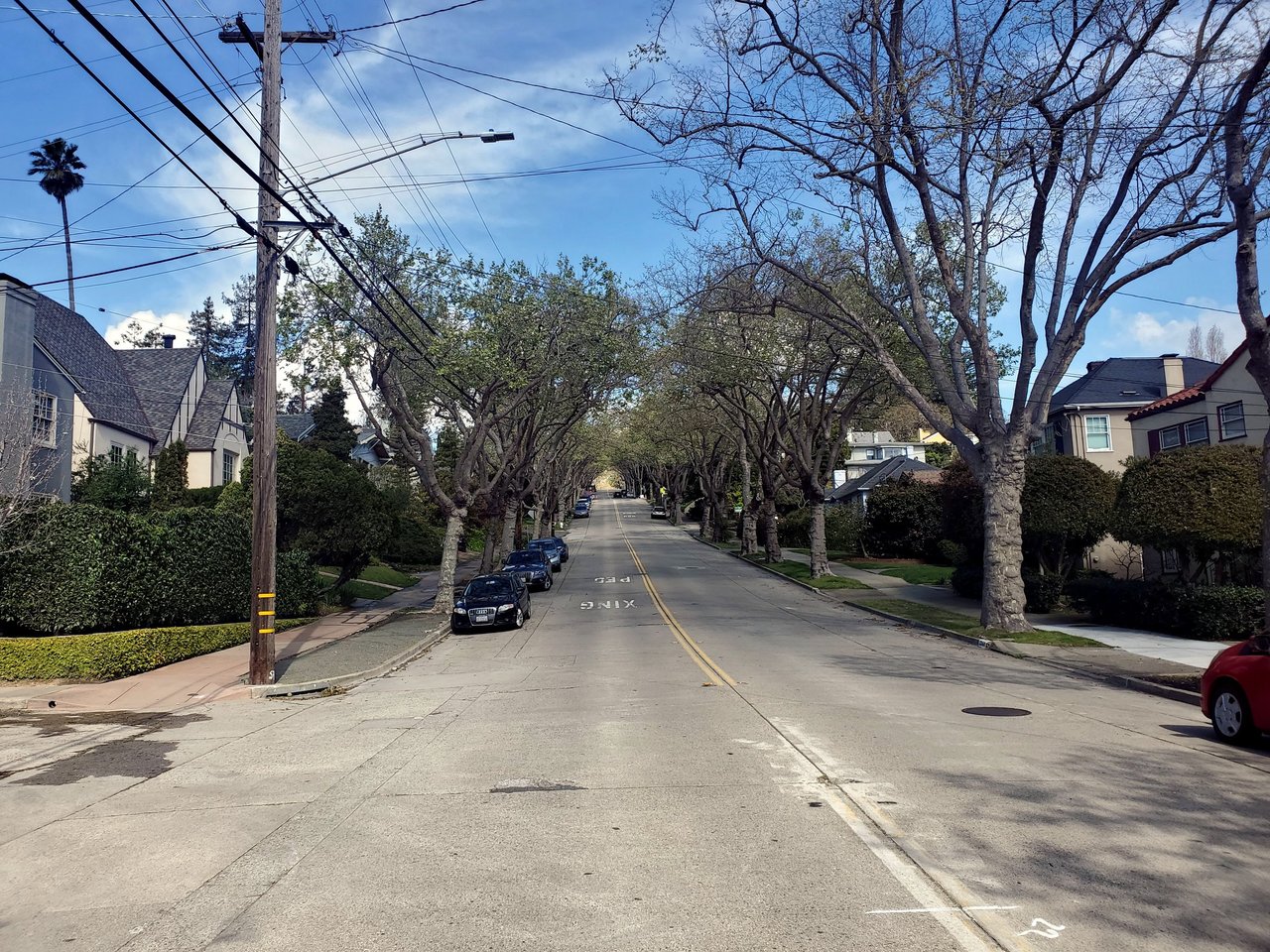
This is the part most coverage gets wrong. The rules apply in State Responsibility Areas and also in Very High Fire Hazard Severity Zones inside Local Responsibility Areas. That second category pulls in a large amount of East Bay housing nobody thinks of as wildland: parcels in the Berkeley Hills, the Oakland Hills, Kensington, and across Lamorinda. If you own above the flats in Berkeley or Oakland, or anywhere in Lafayette, Orinda or Moraga, assume you are in scope until you confirm otherwise.
Lafayette adopted its Fire Hazard Severity Zone map on July 10, 2025, covering 7,018 acres: 41 Very High, 5,309 High, and 1,668 Moderate. Parcels in that city's Very High zones already carry a 100-foot defensible space requirement. The Moraga-Orinda Fire District announced new maps for its two cities on February 28, 2025.
The compliance timeline
Who | Window | What is required, as reported |
|---|---|---|
New construction | Immediately | Full Zone 0 compliance at the time of build |
Existing homes, Phase 1 | 3 years | Remove combustibles from the five-foot zone, clean gutters, trim trees, manage vegetation |
Existing homes, Phase 2 | 5 years | Under-eave safety zones, replace combustible gates, adjust fencing |
Read the phasing as a sequence, not a deadline to procrastinate against. Phase 1 is mostly labor. Phase 2 involves carpentry, permits in some cases, and a contractor's calendar. Owners who wait until year four to think about fencing will be competing for the same trades as every other hills homeowner in the region.

What it changes when you buy or sell
Disclosure in California already touches fire. The Natural Hazard Disclosure required by Civil Code section 1103.2 covers six zones, and four commonly trigger in the Berkeley and Oakland hills and throughout Lamorinda: High or Very High Fire Hazard Severity Zone, State Responsibility Area wildland, Earthquake Fault Zone, and Seismic Hazard Zone. Since 2021, sellers in high or very high fire zones have had to provide defensible space compliance documentation or let the buyer obtain it after closing.
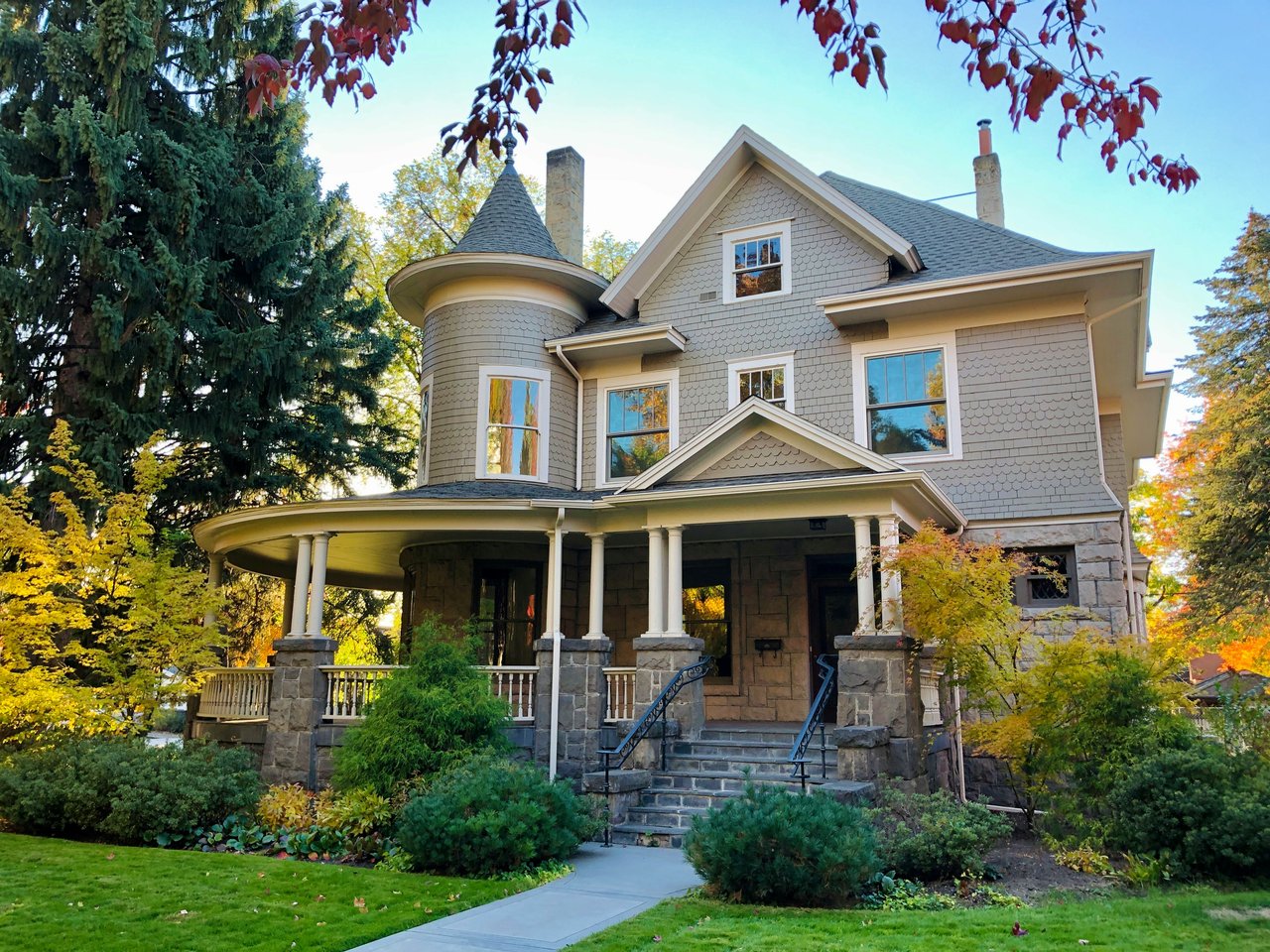
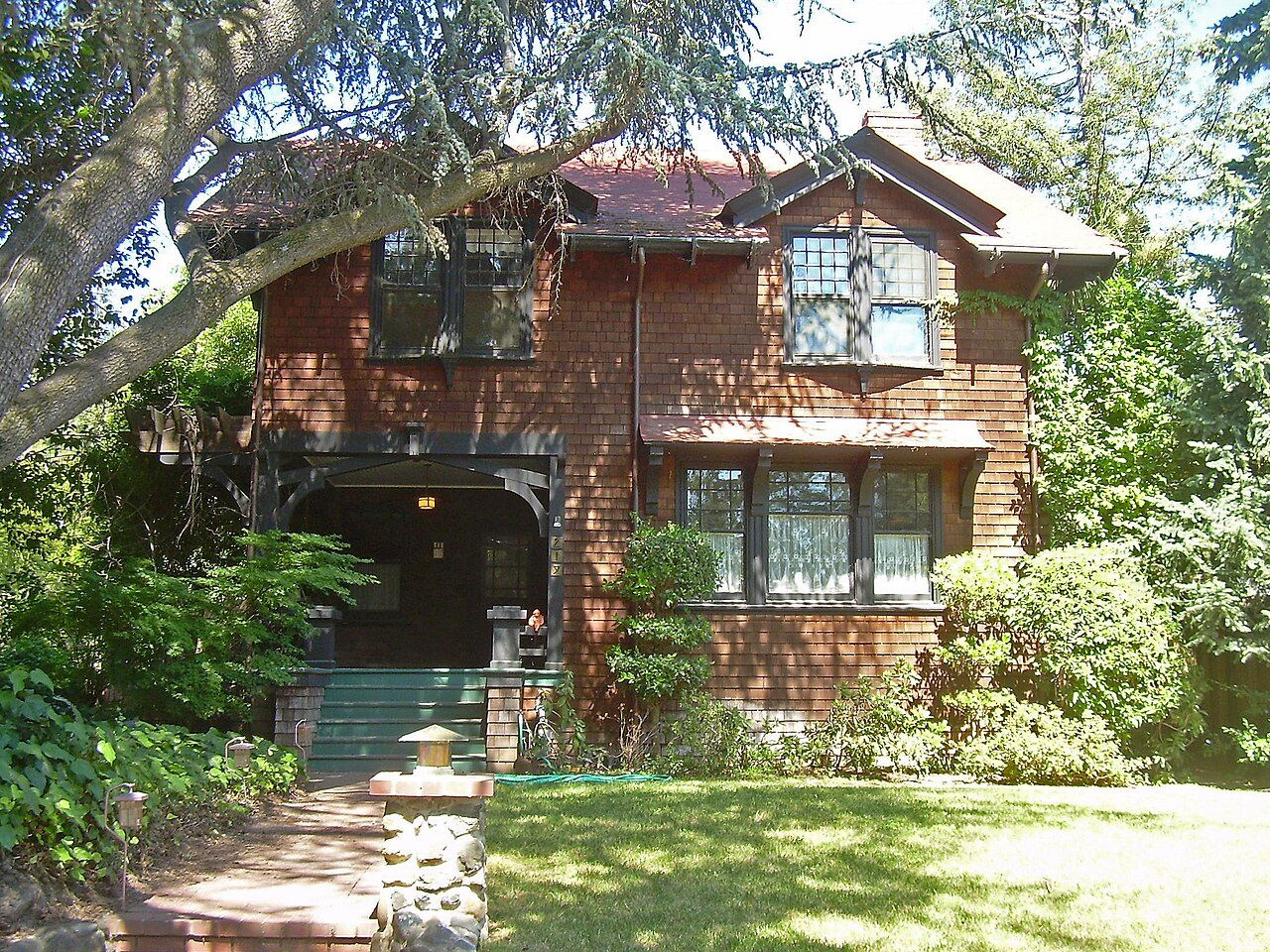
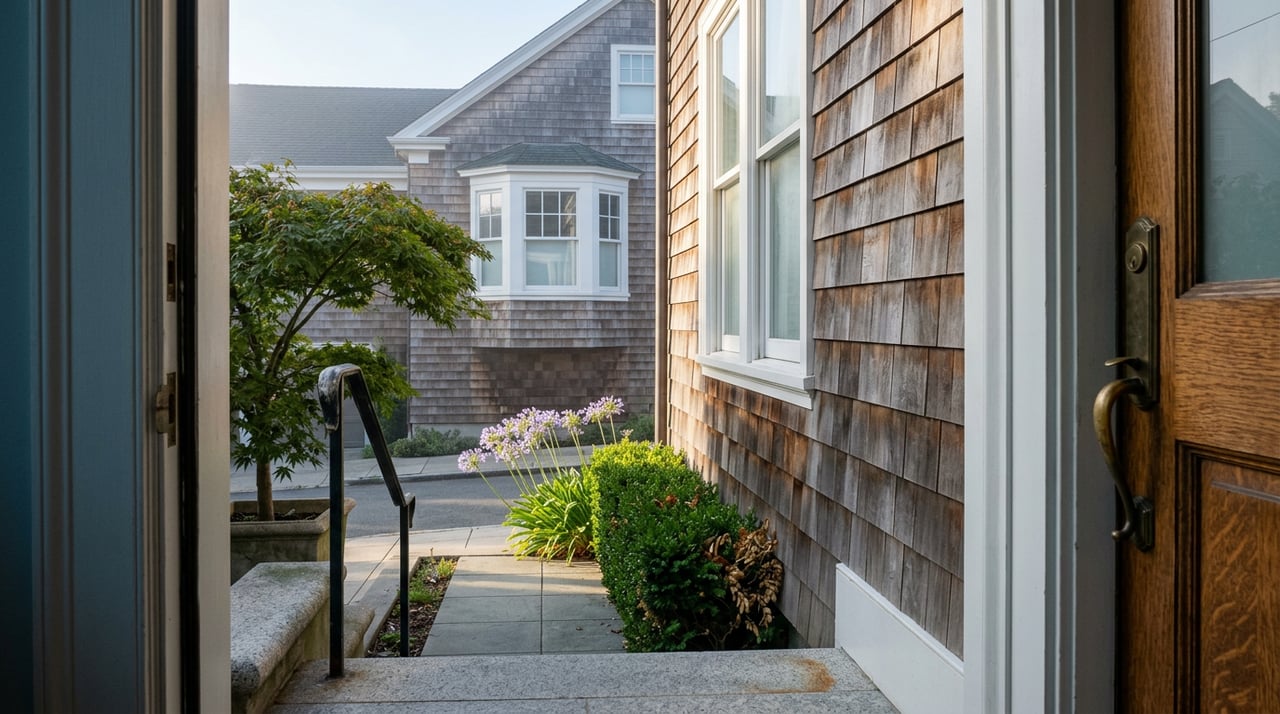
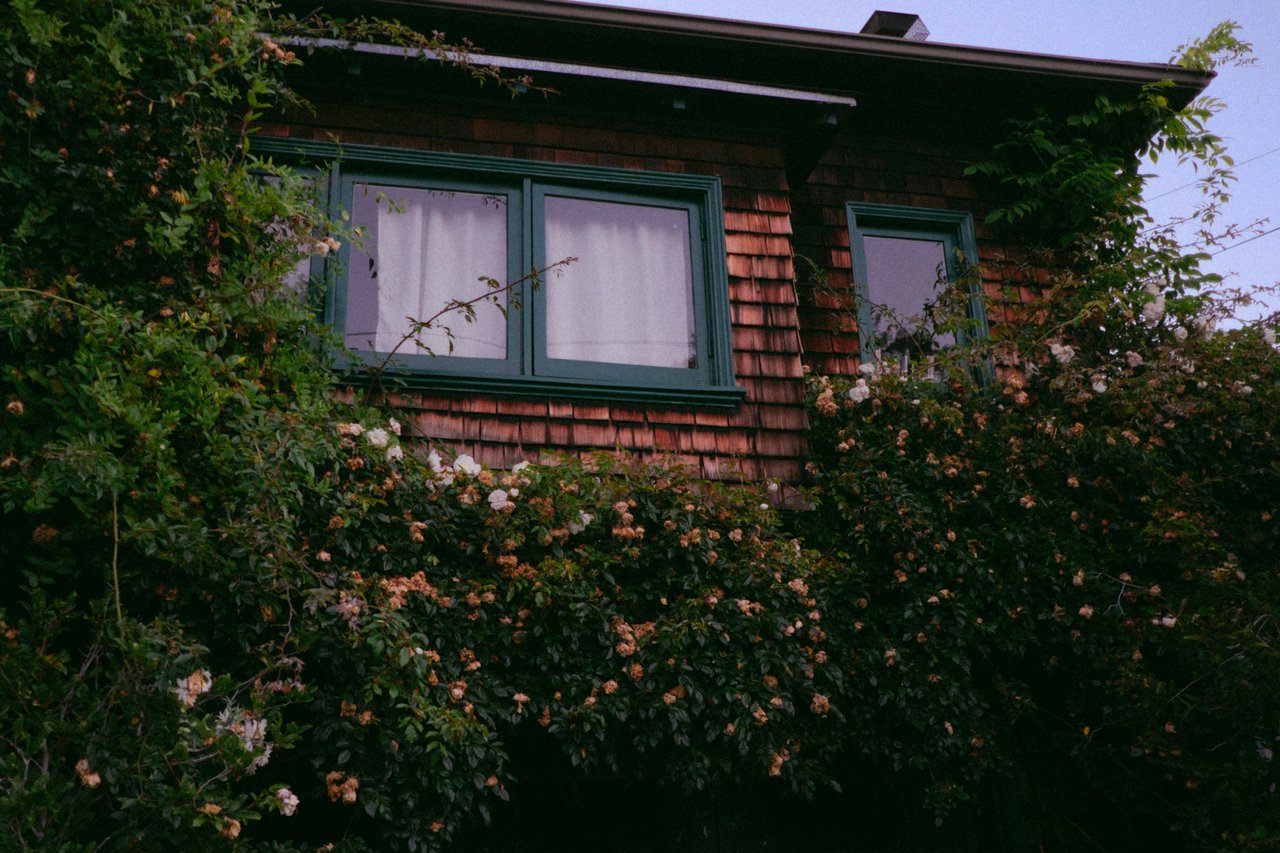
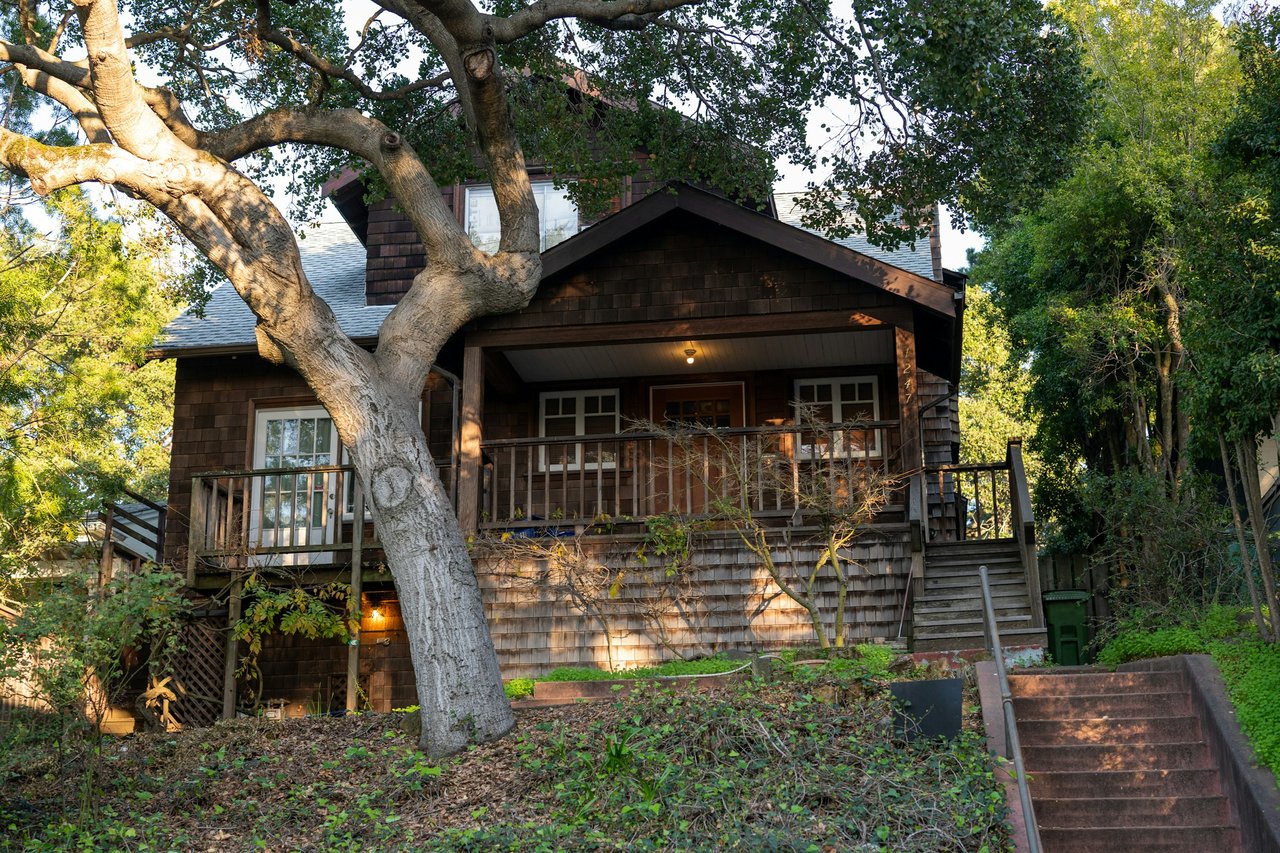
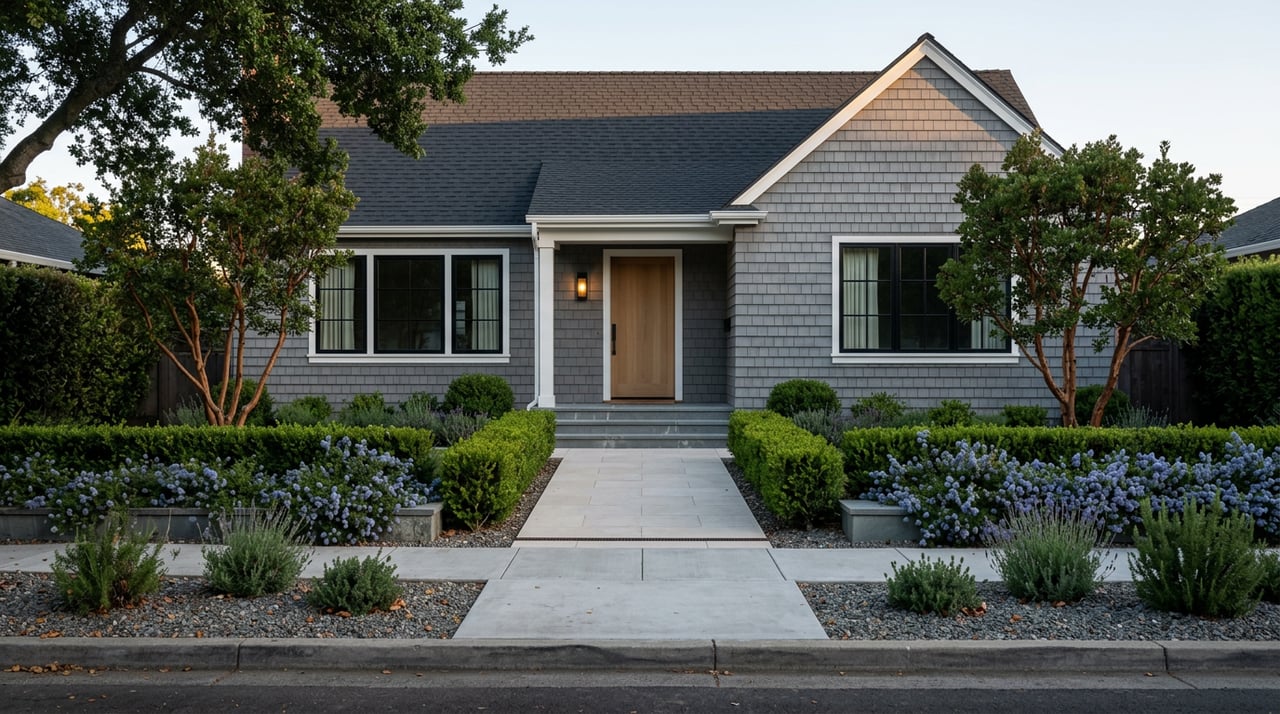
Zone 0 gives that obligation sharper teeth in practice. A buyer's agent who knows the rule will look at a five-foot band of bark mulch against a shingle wall and price the remediation into the offer. A seller who has already handled it removes an argument before it starts. On Berkeley's brown-shingle homes, the interaction between original redwood cladding and the new zone deserves its own conversation, which I cover in buying or selling a Berkeley brown shingle.
Insurance is the other pressure point. The California FAIR Plan covers roughly 4% of the state's residential market, and a June 2025 expansion effective July 26, 2025 added a high-value commercial option and extended eligibility to HOAs and affordable housing, with a 2028 sunset. What it did not change is the underwriting reality for a hills homeowner: carriers increasingly want to see the work. I go deeper on carrier questions in buying in the Oakland Hills, and on how Lamorinda buyers should think about it in the Lamorinda guide. Confirm any coverage question with your insurance broker rather than with a blog post, including this one.
Where I would start this week
- Walk the five-foot perimeter with a tape measure and a green-waste bin. Most of Phase 1 is that walk, repeated.
- Photograph before and after. Documentation is what a buyer, an underwriter or an inspector will ask for.
- Look at where the fence meets the house. That connection is the most common Phase 2 problem in East Bay hills yards.
- Confirm your parcel's zone designation with your local fire agency, and the current rule at bof.fire.ca.gov, before spending on anything structural.
Frequently asked questions
When do the California Zone 0 rules take effect?
The Board of Forestry and Fire Protection approved the final regulations on August 19, 2026. As reported, new construction must comply immediately, existing homes have three years for the first phase of work and five years for the second. Because the approval is very recent and the public accounts are news reports, confirm the effective date and the final text at bof.fire.ca.gov before acting.
What is not allowed within five feet of my house under Zone 0?
As reported, the five-foot ember-resistant zone prohibits firewood, dead leaves and branches, mulch and wood chips, and new combustible fences and gates. Sheds and similar structures within the zone require non-combustible roofs and walls. The Board said implementation will prioritize education and outreach rather than penalties, so treat this as required maintenance rather than an emergency citation risk.
Does Zone 0 apply to homes in Berkeley, Oakland or Kensington?
Many of them, yes. The rules apply in State Responsibility Areas and in Very High Fire Hazard Severity Zones inside Local Responsibility Areas. That second category captures parcels in the Berkeley Hills, the Oakland Hills, Kensington and Lamorinda. Zone designation is parcel by parcel, not city by city, so confirm your specific property with your local fire agency rather than assuming based on your neighborhood.
Do I have to disclose defensible space compliance when I sell?
Since 2021, sellers of property in high or very high fire hazard severity zones must provide documentation of defensible space compliance or allow the buyer to obtain that documentation after closing. Separately, the Natural Hazard Disclosure under Civil Code section 1103.2 covers fire hazard severity zones and State Responsibility Area wildland among its six zones. Confirm your specific obligations with your attorney. Compliance also shows up in what a carrier will write, so it is worth checking with an insurance advisor before you are contingency-free rather than after.
Will Zone 0 work help me get fire insurance?
It may help, but no one can promise a carrier outcome. The FAIR Plan covers roughly 4% of California's residential market, and its June 2025 expansion, effective July 26, 2025, was aimed largely at commercial and HOA coverage. What is consistently true is that carriers want documentation. Photograph the work as you complete it and confirm coverage questions with your insurance broker.
Sources
- California Board of Forestry and Fire Protection, Zone 0 regulations approved August 19, 2026, as reported — confirm final text at bof.fire.ca.gov
- City of Lafayette Fire Hazard Severity Zone map, adopted July 10, 2025
- Moraga-Orinda Fire District map announcement, February 28, 2025
- California Civil Code section 1103.2, Natural Hazard Disclosure
- California FAIR Plan, June 2025 expansion effective July 26, 2025 — cfpnet.com
Mark Lederer leads The Lederer Team at Red Oak Realty, with 25 years and more than 1,000 transactions on East Bay hillside property, where fire zone questions decide deals. For a straight read on what Zone 0 means for your parcel before you list or buy, call 510-774-4231 or email [email protected] to set up a conversation.