Short answer: California's Natural Hazard Disclosure covers six zones, and four of them routinely trigger in the Oakland Hills. Start your insurance work the day you start touring, not after you are in contract. The North Hills median was $1,609,440 over the three months ending June 2026, per Redfin, on 170 sales — a real market, but one where insurability now decides some deals.
What a fire zone actually means on your disclosure package
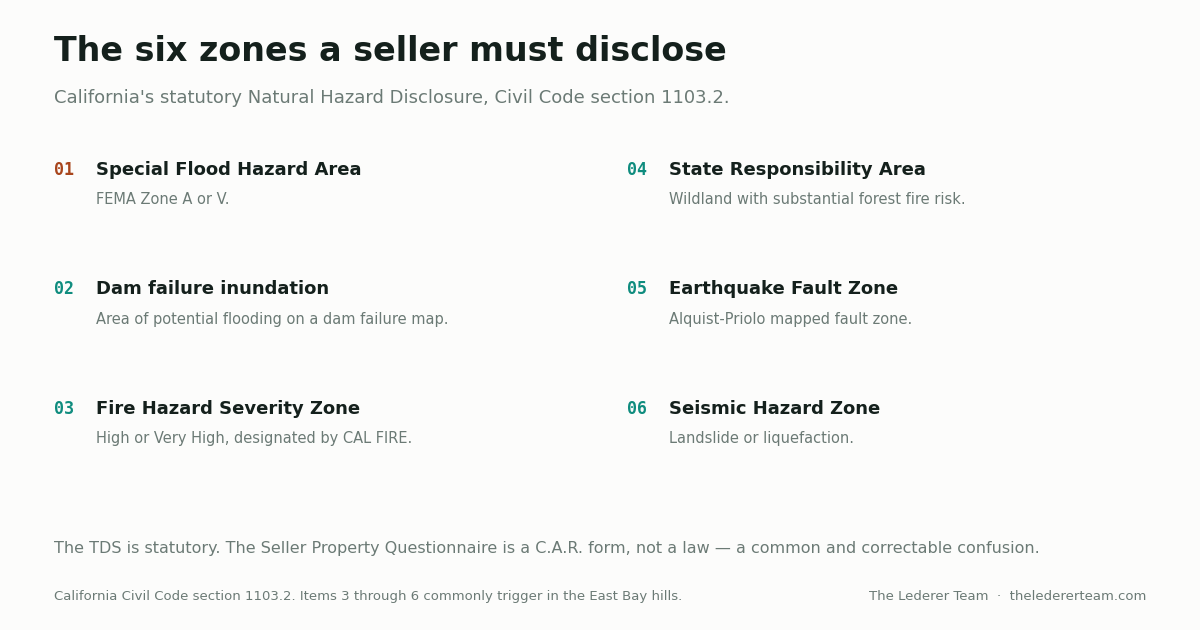
The Natural Hazard Disclosure, required under California Civil Code section 1103.2, is a single page covering six zones. Buyers skim it. In the Oakland Hills it is the most consequential page in the package.
NHD zone | What it identifies | How it usually reads in the Oakland Hills |
|---|---|---|
FEMA Special Flood Hazard Area | Federally mapped flood risk | Rarely triggers on hillside parcels |
Dam-failure inundation area | Land downstream of a dam | Occasionally triggers depending on the watershed |
High or Very High Fire Hazard Severity Zone | State-mapped wildfire hazard | Commonly triggers, and drives insurance pricing |
State Responsibility Area wildland | Where the state has fire protection responsibility | Triggers on some upper-elevation parcels |
Earthquake Fault Zone | Mapped surface-rupture zone | Commonly triggers along the Hayward Fault corridor |
Seismic Hazard Zone | Landslide or liquefaction hazard | Landslide designation is common on steep lots |
Items three through six commonly trigger in the Berkeley and Oakland hills and throughout Lamorinda. A hills property with three or four of the six checked is normal, not alarming. What matters is what each does to your insurance, lender and maintenance obligations.
One clarification, the most commonly misstated fact in Bay Area disclosure packages. The Transfer Disclosure Statement is statutory, required under Civil Code section 1102 and following on most residential sales of one to four units. The Seller Property Questionnaire is a C.A.R. form most Bay Area sellers also complete, not a statute. Know which is which if a seller declines to provide one.
One more disclosure matters here: since 2021, sellers in a high or very high fire hazard severity zone must provide documentation of defensible-space compliance, or allow the buyer to obtain it after closing. Ask which is happening on your deal, in writing, before you remove contingencies.
Zone 0: the rule that changed on August 19, 2026
On August 19, 2026 the California Board of Forestry and Fire Protection voted 8–0 to approve the final draft of its Zone 0 defensible-space regulations, creating an ember-resistant zone in the first five feet around a structure. The rule is not yet in effect: the package now goes to the Office of Administrative Law for review, there is no effective date, and CAL FIRE's own site still says Zone 0 is not legally required yet.
A board vote approving a rulemaking package and a regulation taking legal effect are two different events. Confirm the current status and any effective date at bof.fire.ca.gov before spending money on compliance.
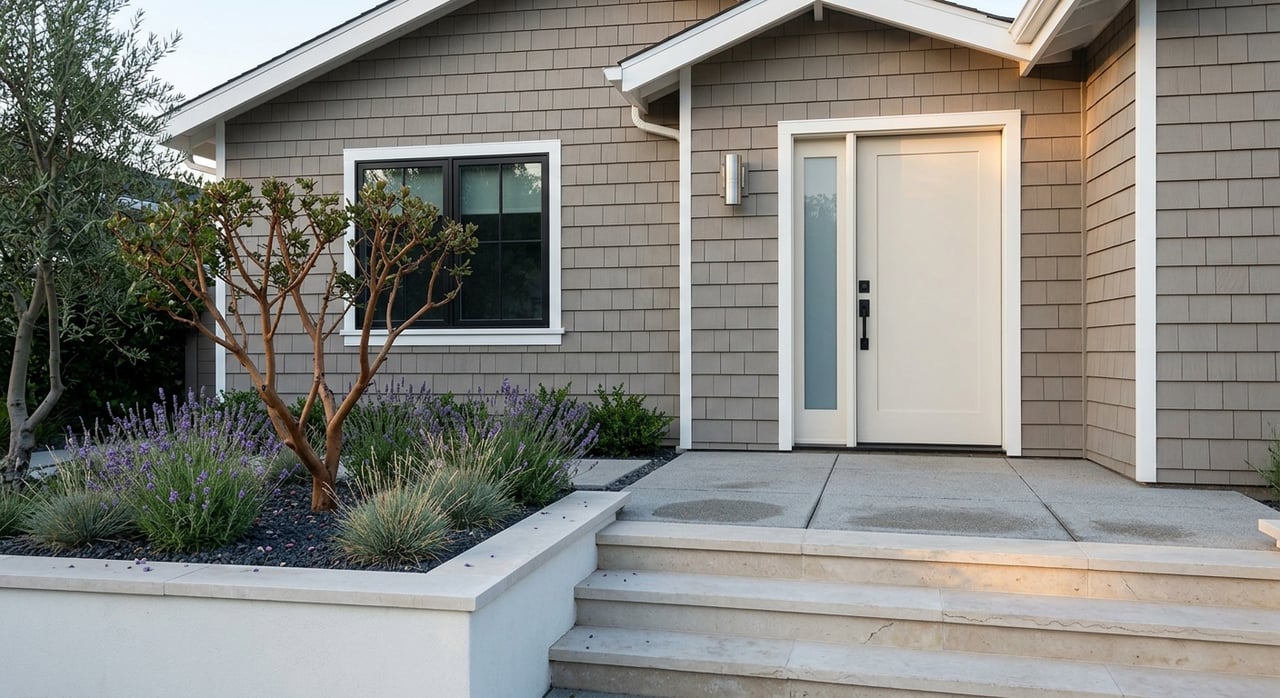
As reported, within that first five feet the rule prohibits firewood, dead leaves and branches, mulch, wood chips, and new combustible fences and gates; sheds need non-combustible roofs and walls. It applies to State Responsibility Areas and to Very High Fire Hazard Severity Zones inside Local Responsibility Areas, which pulls in the Oakland Hills, the Berkeley Hills, Kensington and Lamorinda.
Who | Timeline | What it involves |
|---|---|---|
New construction | On the effective date | Full Zone 0 standard from the start |
Existing homes, Phase 1 | About 3 years after the effective date | Remove combustibles from the first five feet, clean gutters, trim trees, manage vegetation |
Existing homes, Phase 2 | About 5 years after the effective date | Under-eave safety zones, replace combustible gates, adjust fencing |
The Board said implementation will prioritize education and outreach rather than penalties. For a buyer the framing is not enforcement risk; a hillside property bought in 2026 carries a known list of work with known deadlines, and that list belongs in your offer math. Our post on Zone 0 defensible space in the East Bay covers the full rule.
Local mapping gets granular. Lafayette adopted its Fire Hazard Severity Zone map on July 10, 2025, covering 7,018 acres: 41 Very High, 5,309 High, 1,668 Moderate, with 100-foot defensible space in Very High zones. Buyers comparing the hills against Lamorinda should read both map sets; our Lamorinda guide covers that market.
Insurance: start it the week you start touring
This is the part that changes deals. The question is no longer only what a policy costs. It is whether a carrier will write the property at all, and how long the quote takes.
The most useful thing in this post: get an insurance broker looking at specific addresses before you write an offer, not after. A broker needs the address, roof type and age, construction materials, defensible-space condition, and often photographs. That takes days, sometimes longer, and East Bay contingency periods are short.
If the admitted market declines the property, the two paths are surplus lines and the California FAIR Plan. The FAIR Plan is the state's insurer of last resort and covers roughly 4% of California's residential market. It is a basic fire policy, not a full homeowners policy, which is why it is typically paired with a difference-in-conditions policy.
A June 2025 FAIR Plan expansion, effective July 26, 2025, added a high-value commercial option with limits up to $20 million per building and $100 million per location, extended eligibility to homeowners associations and affordable housing, and sunsets in 2028. Note what that expansion is: commercial. We will not quote a FAIR Plan residential dwelling limit, because we could not verify a current one, and an outdated limit repeated confidently is how a buyer ends up underinsured. Ask a licensed broker for current residential limits in writing.
Three things a broker looks at that you can influence before close: roof material and age, the condition of the first five feet, and whether combustible fencing attaches to the house. The Zone 0 work and the insurability work overlap almost completely, which is the good news here.

What the Oakland Hills market actually looks like
Fire risk has not softened this market. All figures are Redfin, three months ending June 2026.
Area | Median sale price | YoY | Median days on market | % sold above list | Homes sold |
|---|---|---|---|---|---|
North Hills (Oakland Hills) | $1,609,440 | +7.3% | 15 | 79.2% | 170 |
94611 zip (Montclair, Upper Rockridge, Piedmont Ave) | $1,549,650 | +14.8% | 14 | 82.0% | 153 |
Crocker Highlands | $2,279,207 | −0.9% | 9 | ~100% | 10 |
Weight those rows by sample size. North Hills at 170 sales and the 94611 zip at 153 are the solid readings; Crocker Highlands, at 10 sales, is too thin to build an offer strategy on. A 9-day median on ten sales is a small-sample artifact as much as a signal.
For citywide context, Redfin puts Oakland's median at $898,511, up 5.7% year over year. That needs a caveat: Zillow's home value index for Oakland showed a decline of 8.8% as of February 2026. The two point in opposite directions, and quoting one without the other gives you half the picture.
The hills premium is why financing structure matters. The 2026 conforming loan limit for a one-unit property is about $1.25 million in both Alameda and Contra Costa counties, so many hills purchases land in jumbo territory; confirm with a lender. For the week ending August 20, 2026, Freddie Mac put the 30-year fixed at 6.65%.
Your pre-offer checklist
- Read all six NHD zones, not just the fire line. Landslide and fault-zone designations affect cost and lender requirements too.
- Get an insurance quote on the specific address before you write. Two brokers is better than one.
- Ask whether defensible-space documentation comes from the seller or is left for you after closing.
- Walk the first five feet around the structure. Mulch beds, firewood stacks, wooden gates and attached fencing are the Zone 0 punch list.
- Check roof age and material first, because it drives both the insurance answer and the largest single line item, and price the rest of the deferred work into your offer.
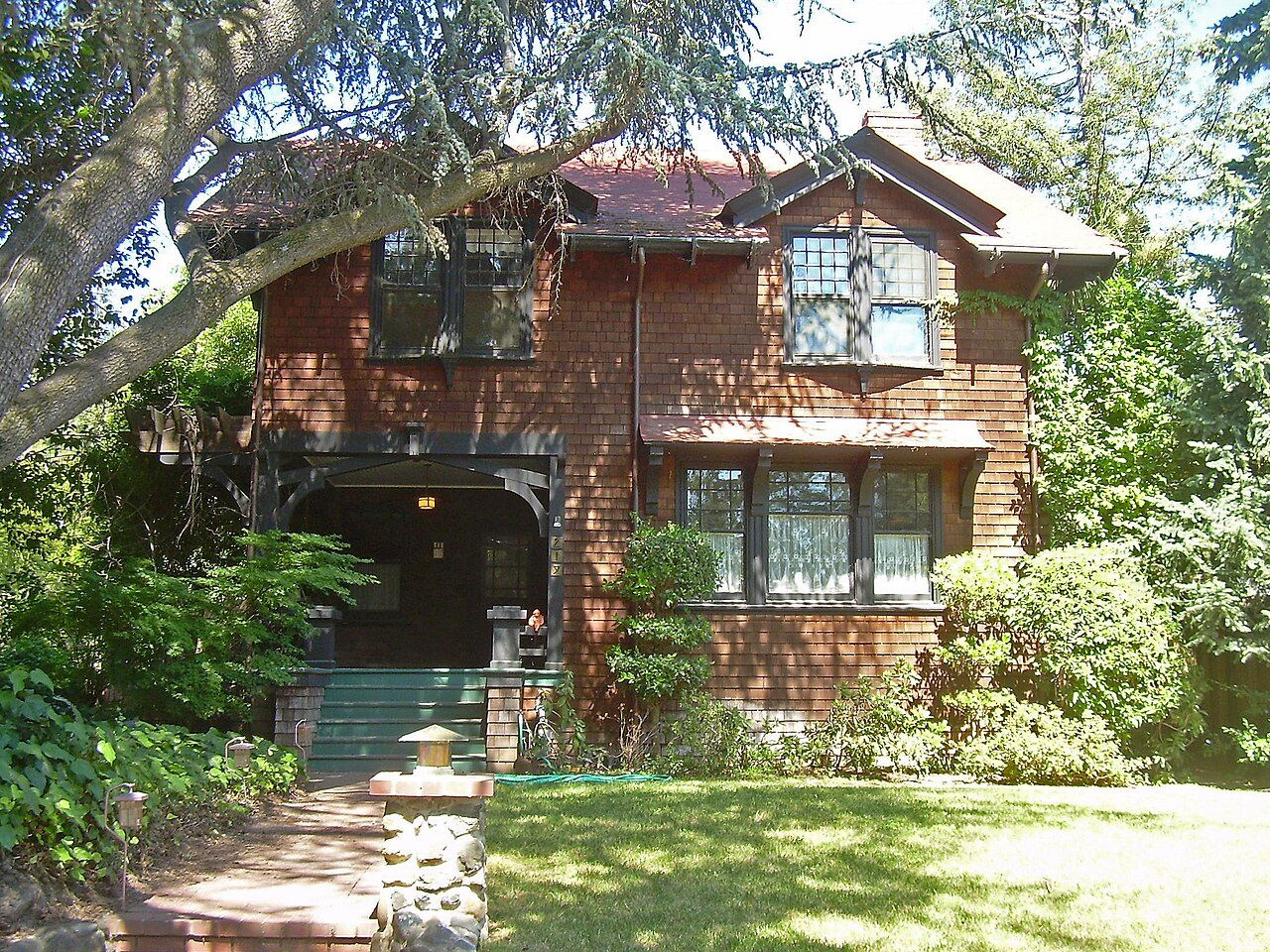
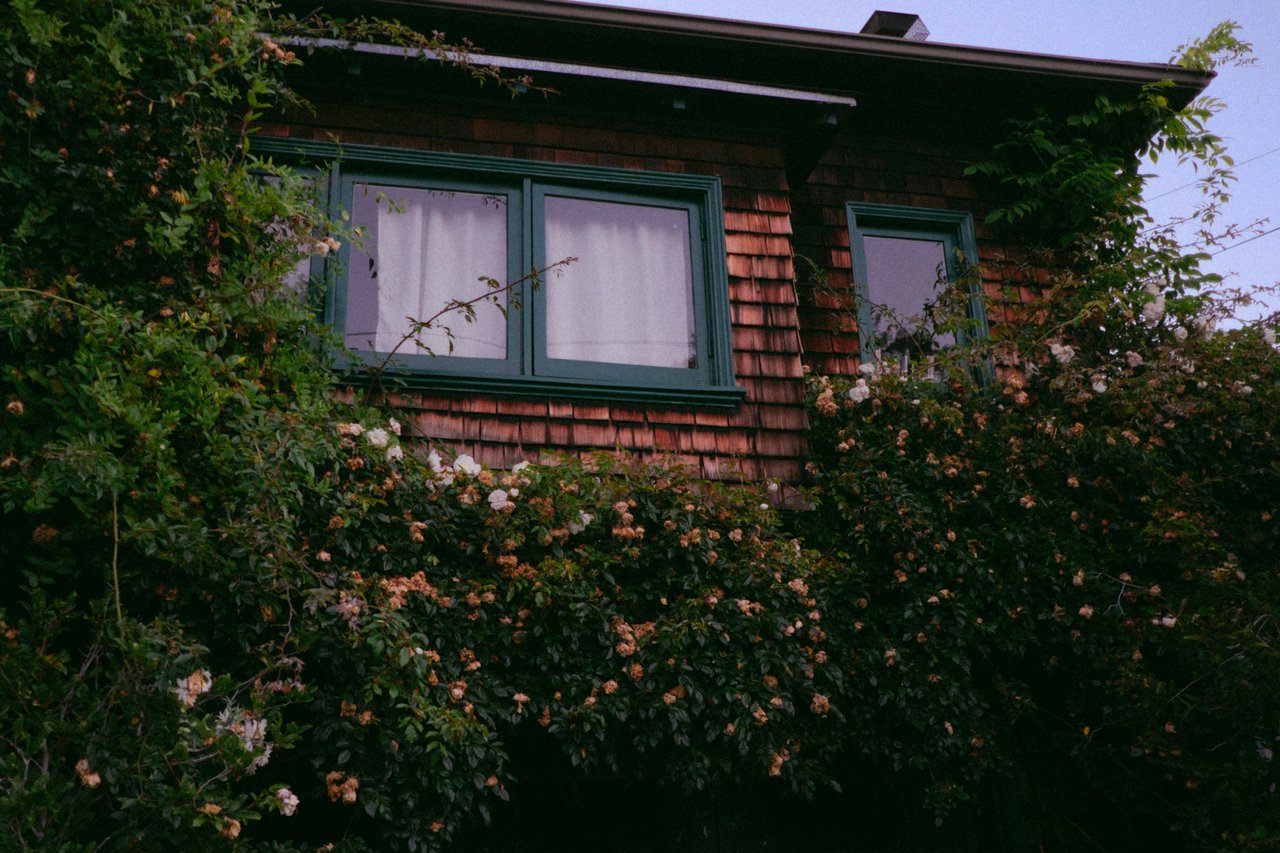
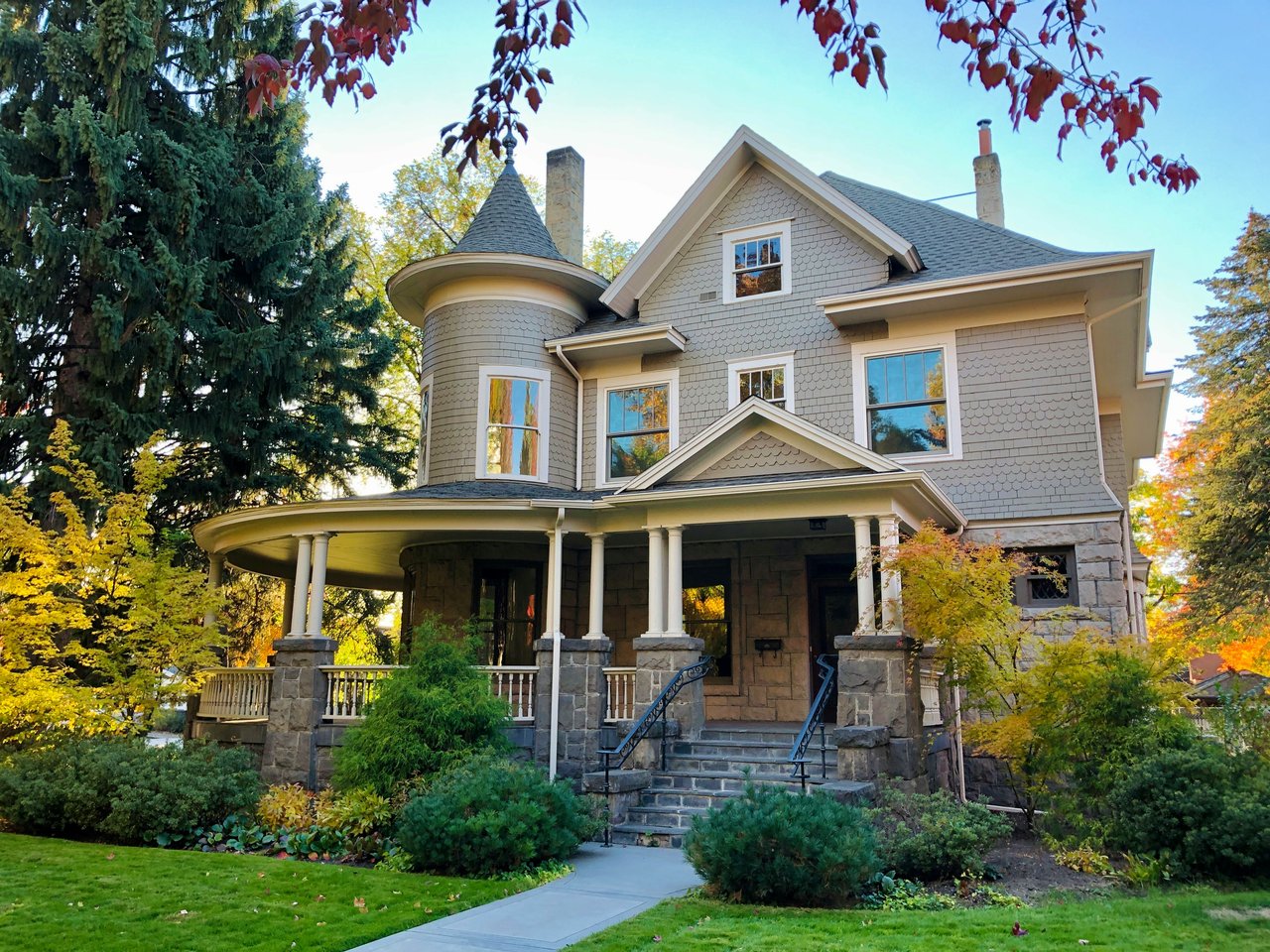
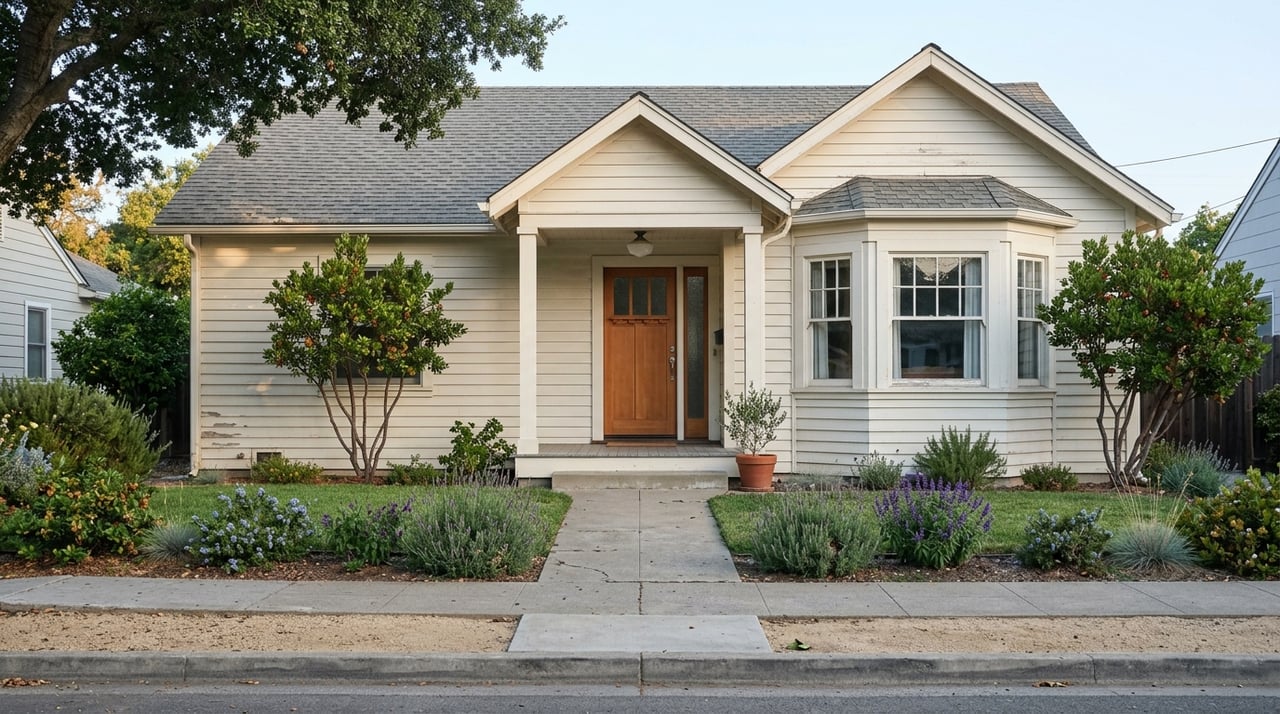
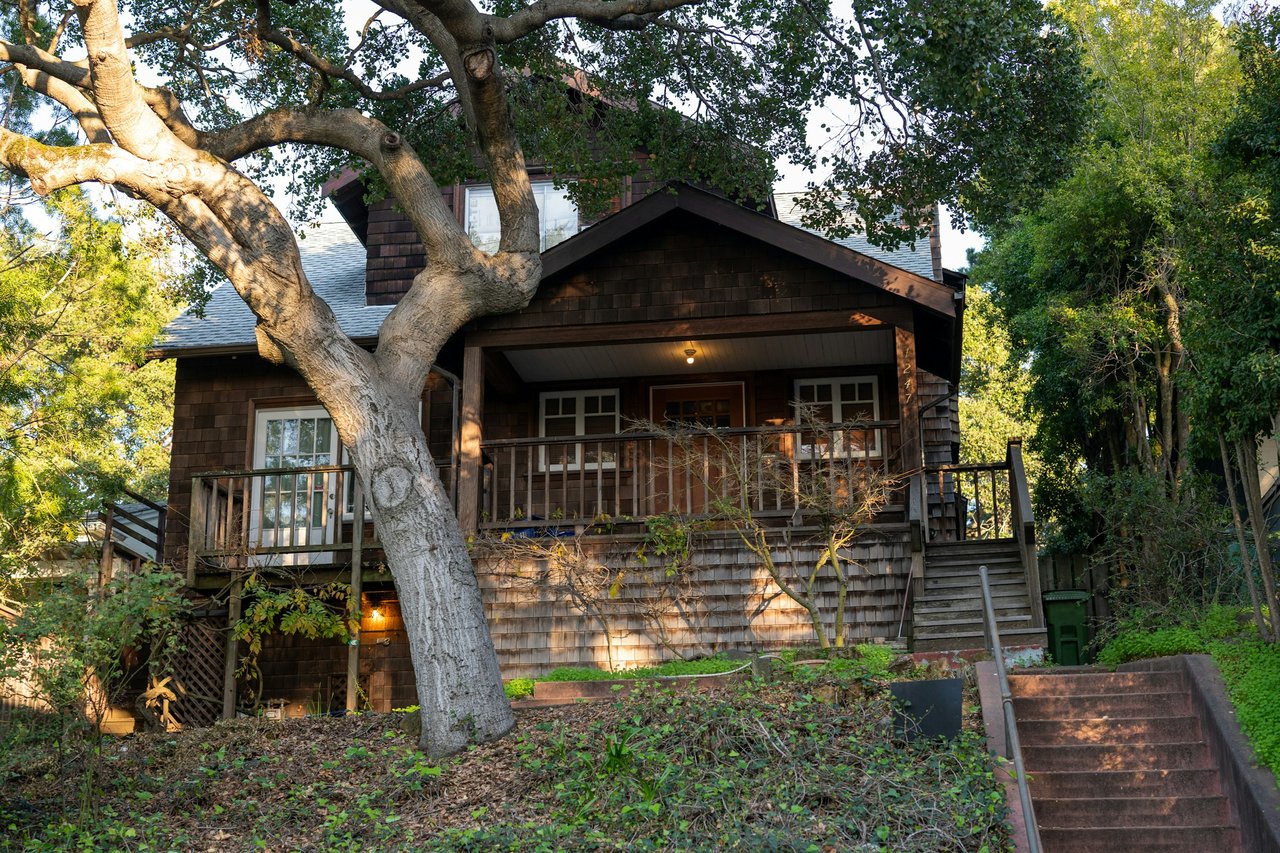
- Look at the structure itself. Older hills homes, including the region's brown shingles, carry real material considerations; our brown shingle guide covers what to look for.
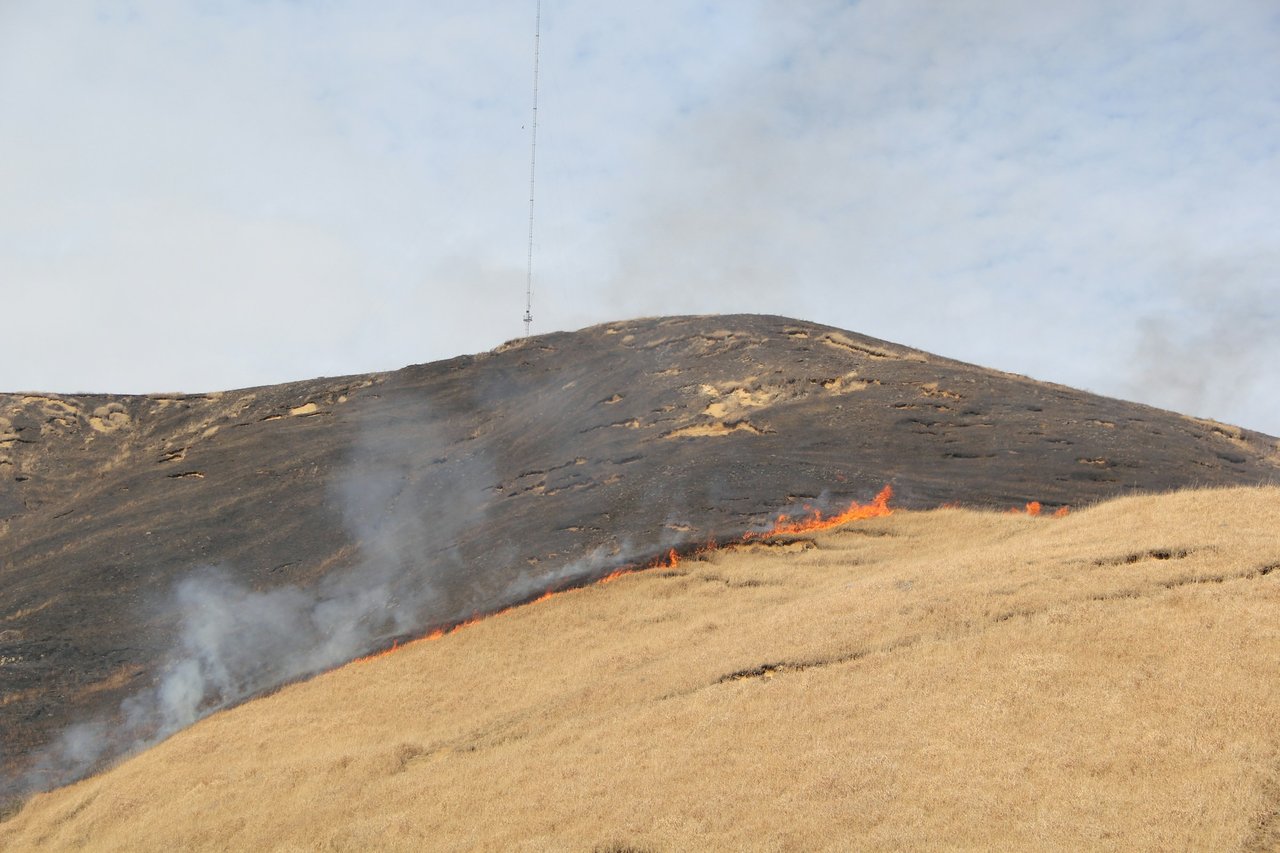
The 1991 Oakland firestorm came within half a mile of College Avenue. That is not a reason to avoid the hills — people have lived well in them for a century — but it is why the disclosures, the maps and the insurance work are so detailed. Buyers who take that seriously do fine. Buyers who treat it as paperwork get surprised.
On resale, Oakland's transfer tax runs $15.00 per $1,000 from $300,000 to $2 million and $17.50 from $2 million to $5 million. Confirm tax questions with your CPA and insurance with a licensed broker.
Frequently asked questions
Is it hard to get insurance in the Oakland Hills?
It can be, and it is the item most likely to delay a hills purchase. Start with a broker on the specific address before you write an offer; quotes on difficult parcels take days. If the admitted market declines, the paths are surplus lines or the California FAIR Plan, which covers roughly 4% of California's residential market. Confirm with a licensed broker.
What does the California FAIR Plan cover?
It is the state's insurer of last resort, covering roughly 4% of California's residential market, and provides basic fire coverage rather than a full homeowners policy, so buyers typically pair it with a difference-in-conditions policy. A June 2025 expansion, effective July 26, 2025, added a high-value commercial option up to $20 million per building; it sunsets in 2028. Ask your broker for current residential limits in writing.
Are California's new Zone 0 rules in effect?
Not yet. On August 19, 2026 the Board of Forestry and Fire Protection voted 8–0 to approve the final draft, which now goes to the Office of Administrative Law for review. There is no effective date, and CAL FIRE's own site still says Zone 0 is not legally required yet. Under the approved draft, firewood, dead leaves, mulch, wood chips and new combustible fences and gates are prohibited in the first five feet. Once the rule takes effect, new construction complies immediately and existing homes get roughly three years for Phase 1 and five for Phase 2. AB 1455 sets earlier deadlines for rentals, immediately, and for property being sold, on sale or three years, whichever is sooner. Confirm at bof.fire.ca.gov.
What fire zone is the Oakland Hills in?
Much of it falls in a High or Very High Fire Hazard Severity Zone, and some upper-elevation and boundary parcels also fall within State Responsibility Area wildland. Those are two of the six zones covered by California's Natural Hazard Disclosure under Civil Code section 1103.2. Earthquake fault and landslide designations commonly appear on the same disclosure for hillside parcels.
How much do homes cost in the Oakland Hills?
The North Hills median was $1,609,440 over the three months ending June 2026, up 7.3% year over year, on 170 sales, per Redfin. The 94611 zip covering Montclair, Upper Rockridge and Piedmont Avenue came in at $1,549,650, up 14.8%, on 153 sales. Those two are the statistically solid readings; smaller neighborhood cuts move too much on a handful of sales.
Sources
- California Civil Code 1102 and 1103.2 — link
- California Board of Forestry and Fire Protection, Zone 0 final draft approved August 19, 2026, pending Office of Administrative Law review — link
- California Department of Insurance, FAIR Plan — link
- Redfin market data, 3 months ending June 2026 — link
- Zillow ZHVI, Oakland, February 2026 — link
- Freddie Mac PMMS, week ending 08/20/2026 — link
Mark Lederer leads The Lederer Team at Red Oak Realty, with 25 years and more than 1,000 closed transactions across the Oakland and Berkeley hills. His team coordinates the insurance broker, the inspectors and the lender in parallel so the insurance answer arrives before your contingency period does, and accepts no referral fees. If you are looking in the hills, call 510-774-4231, write to [email protected], or book a buyer consultation.