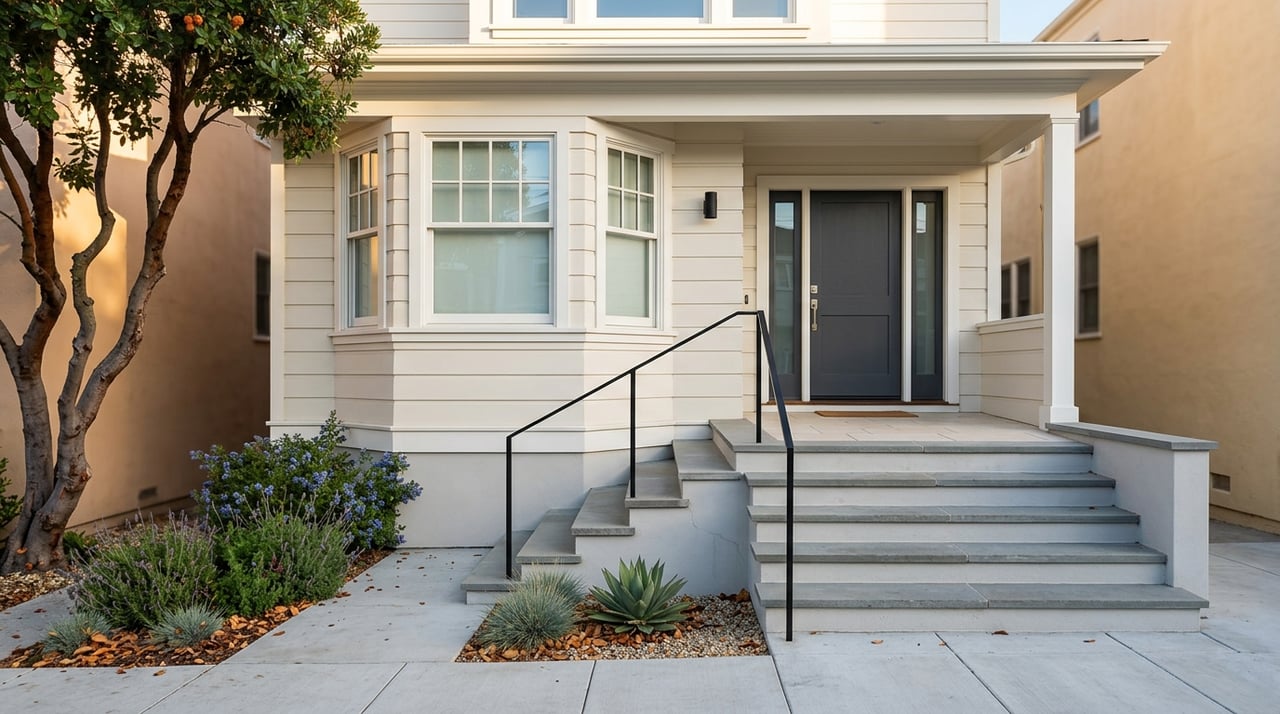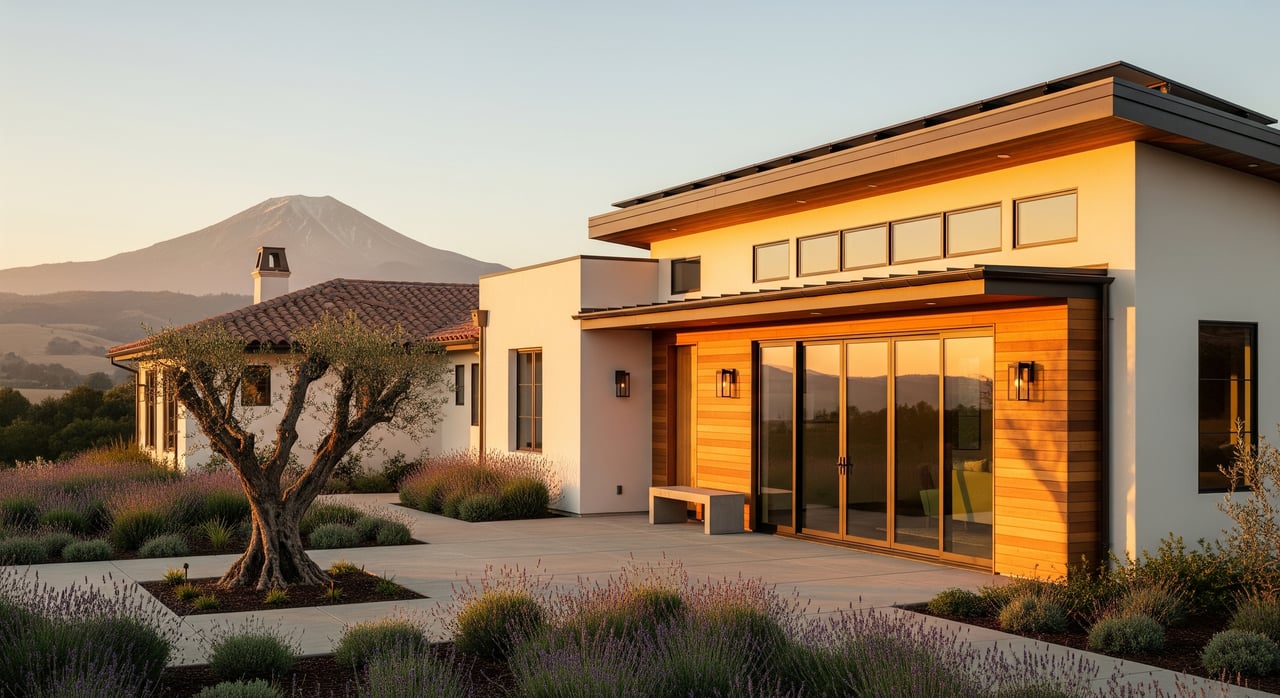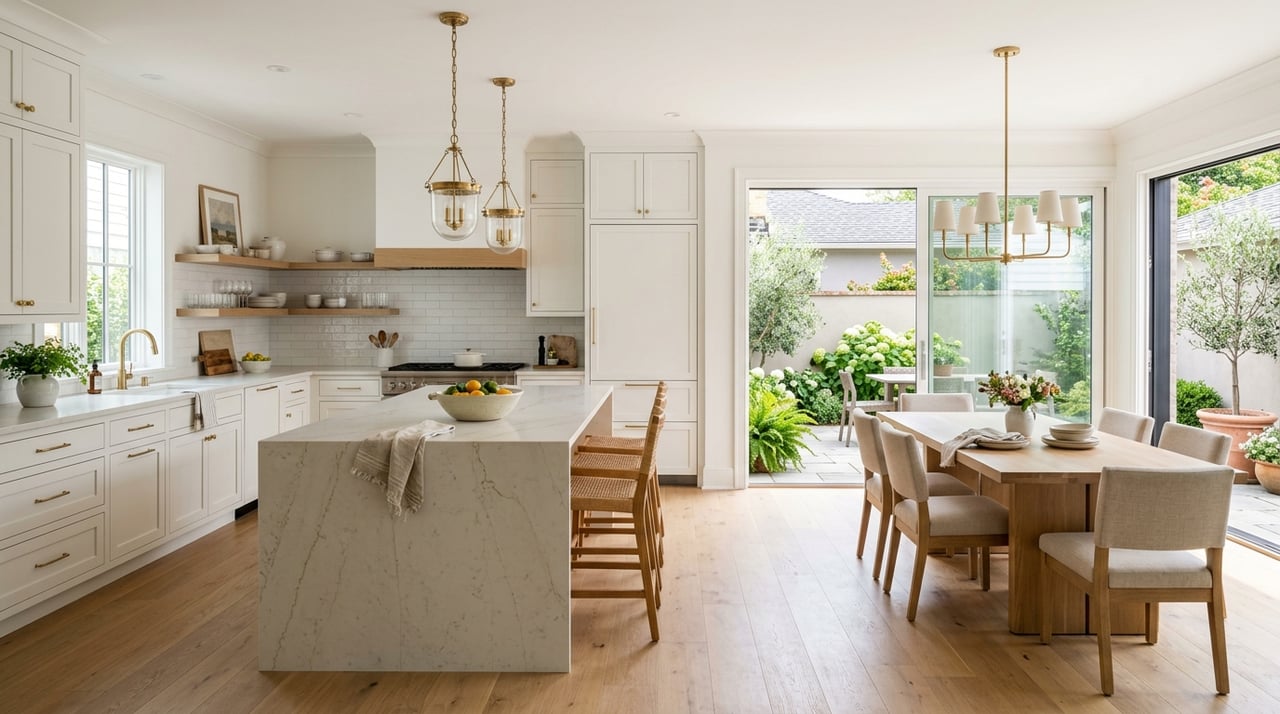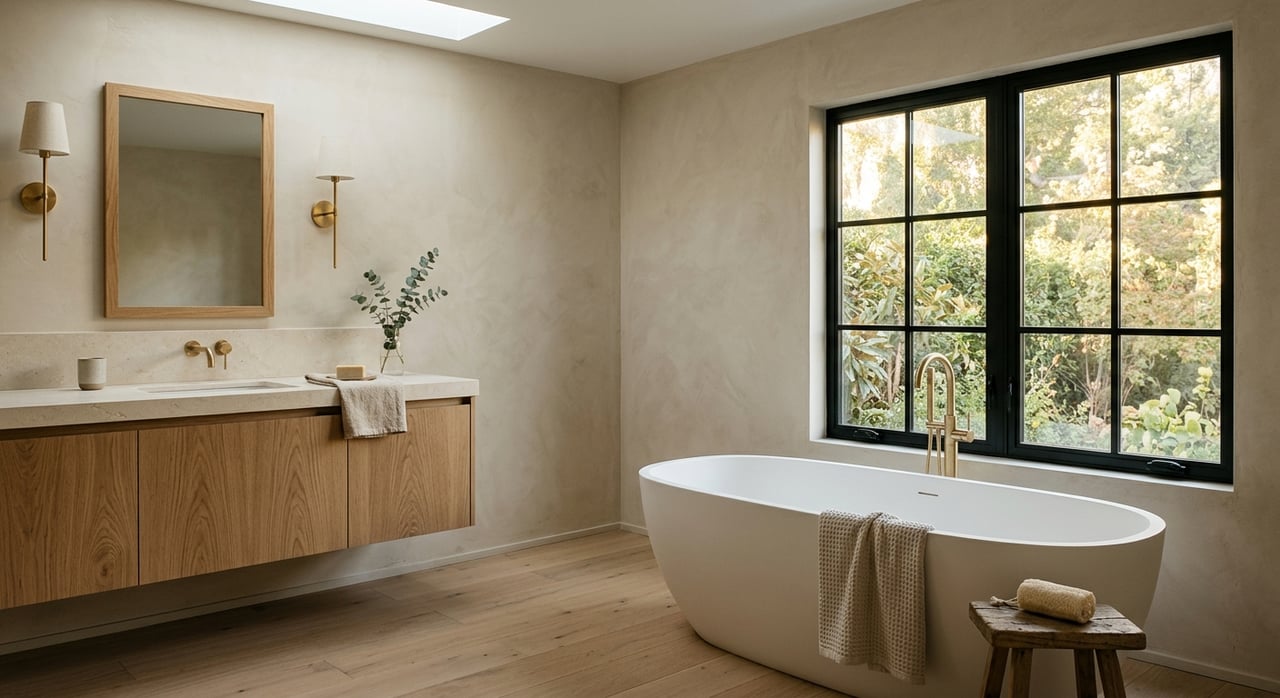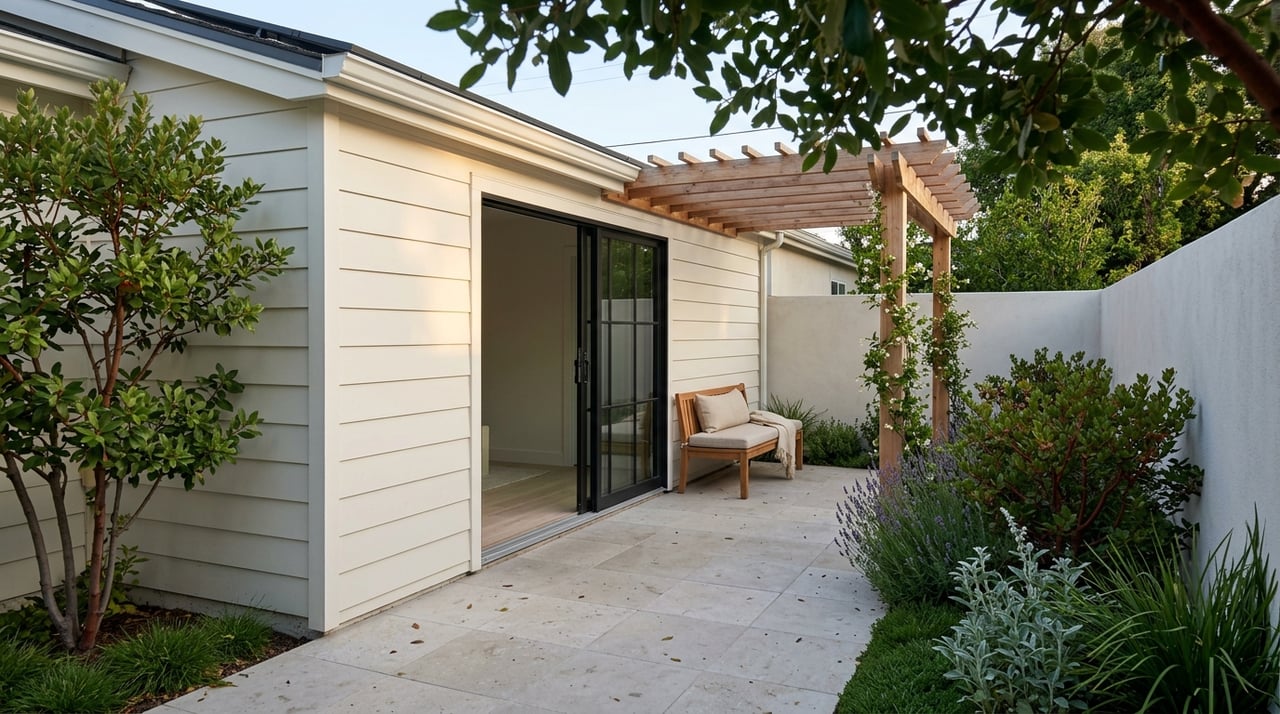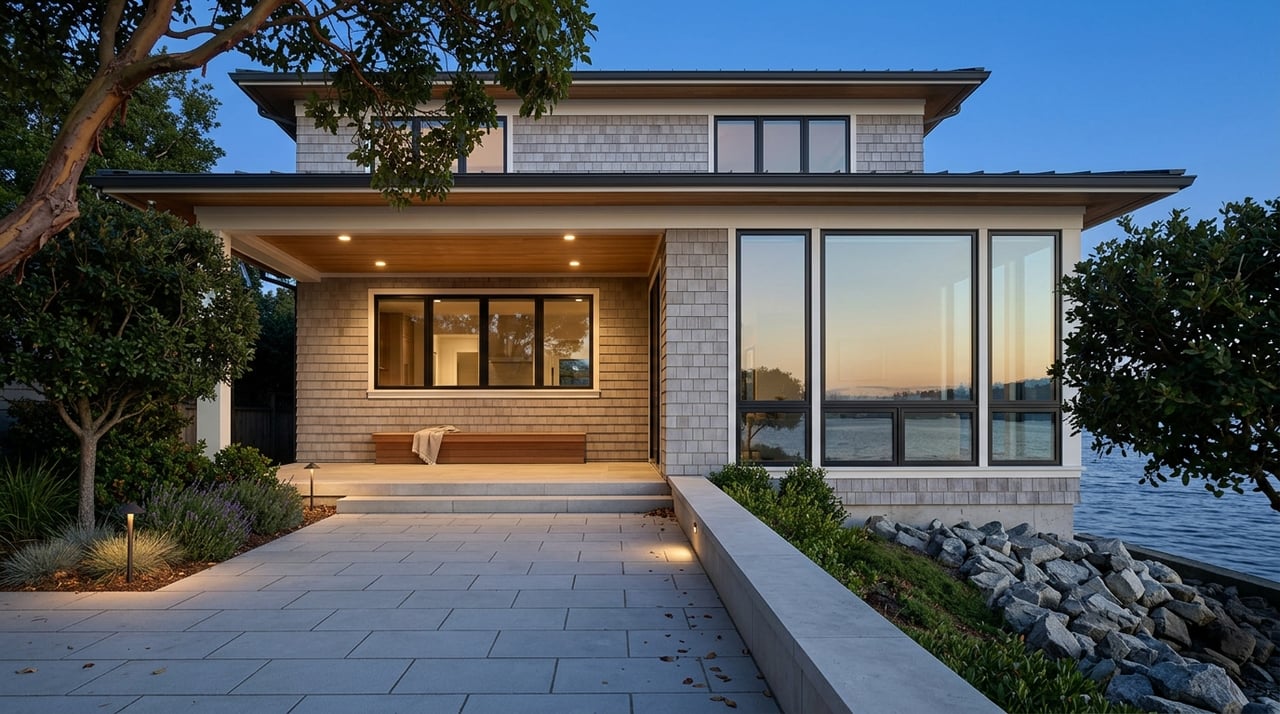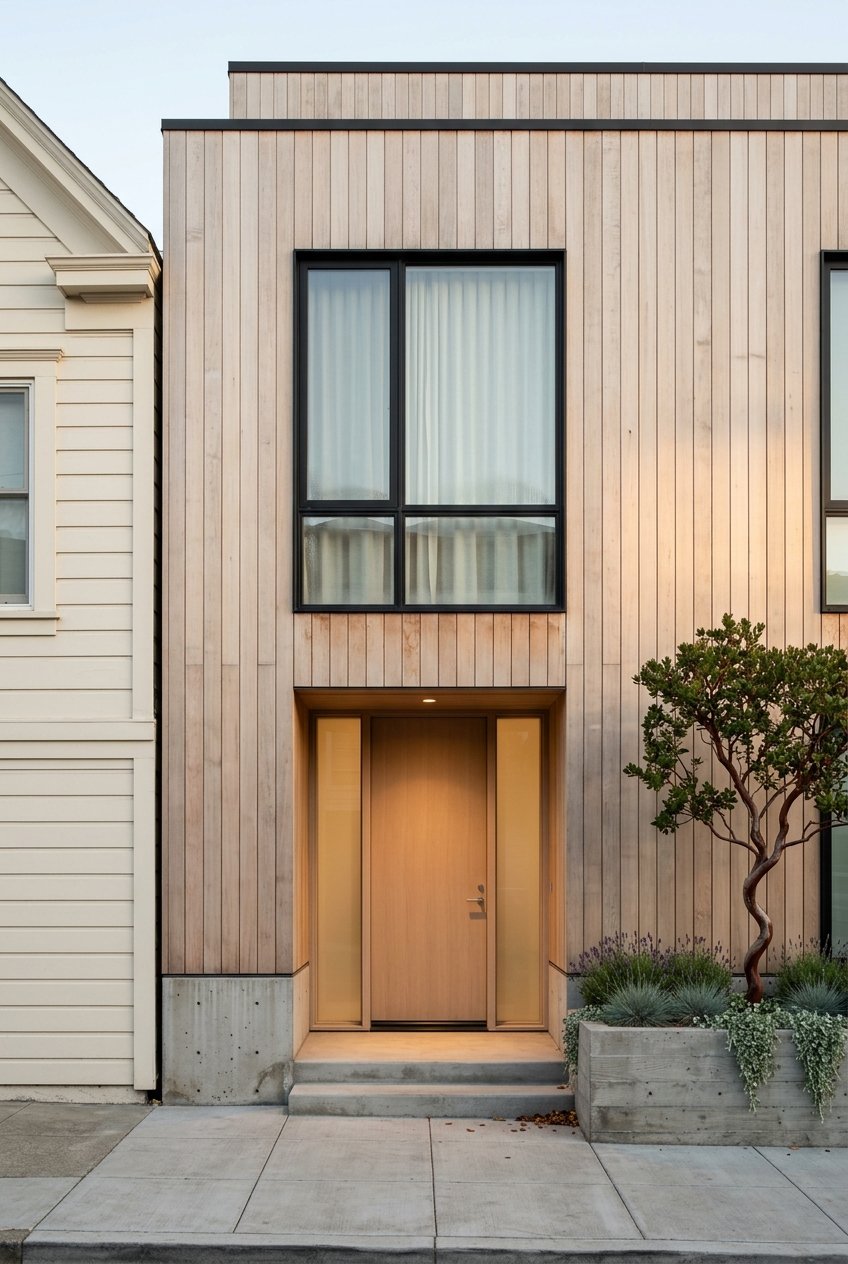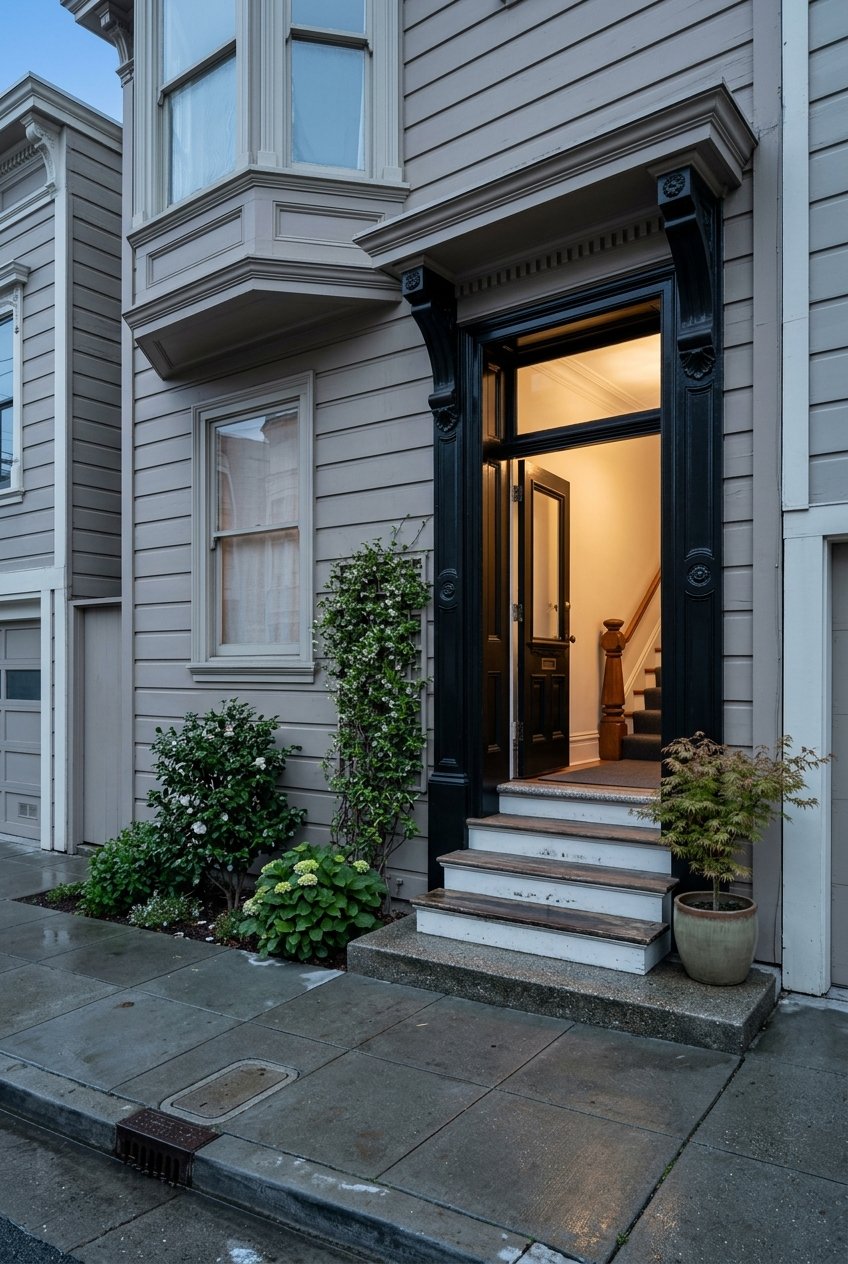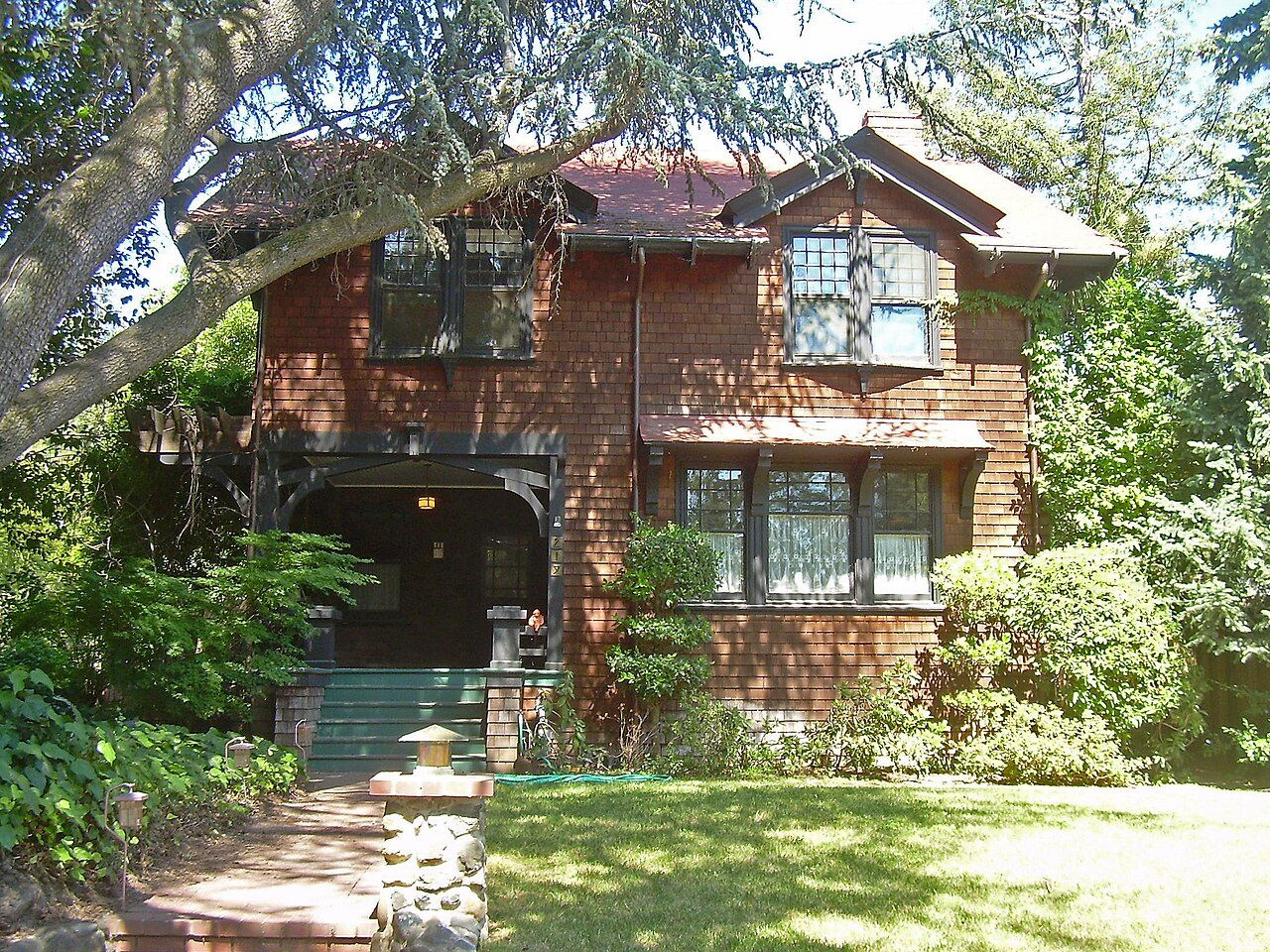
Short answer: Brown shingles are Berkeley's signature early-20th-century houses, clad in unpainted old-growth redwood. They trade inside a competitive market: median sale price $1,509,179 over the three months ending June 2026, per Redfin, with 83.1% of Berkeley homes closing above list in a median of 15 days. What separates a good purchase from an expensive one is the inspection.
What a brown shingle actually is
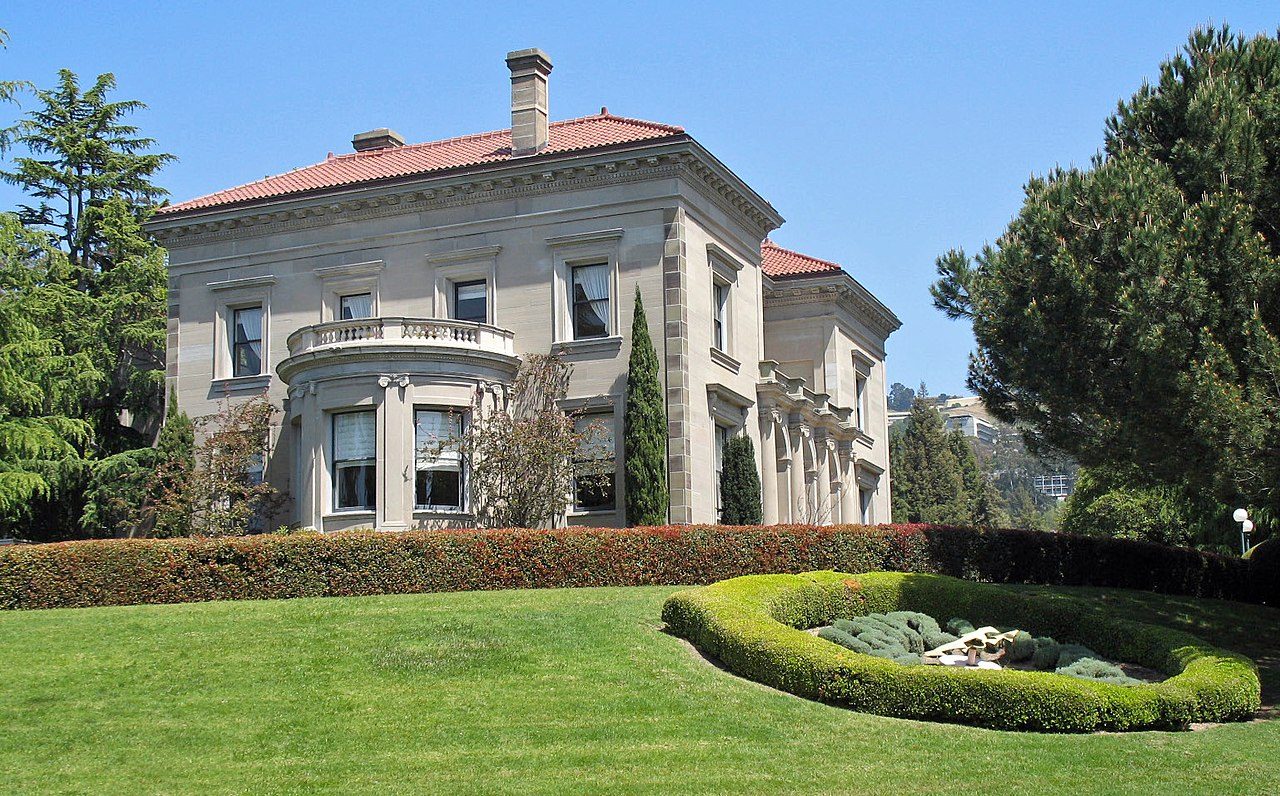
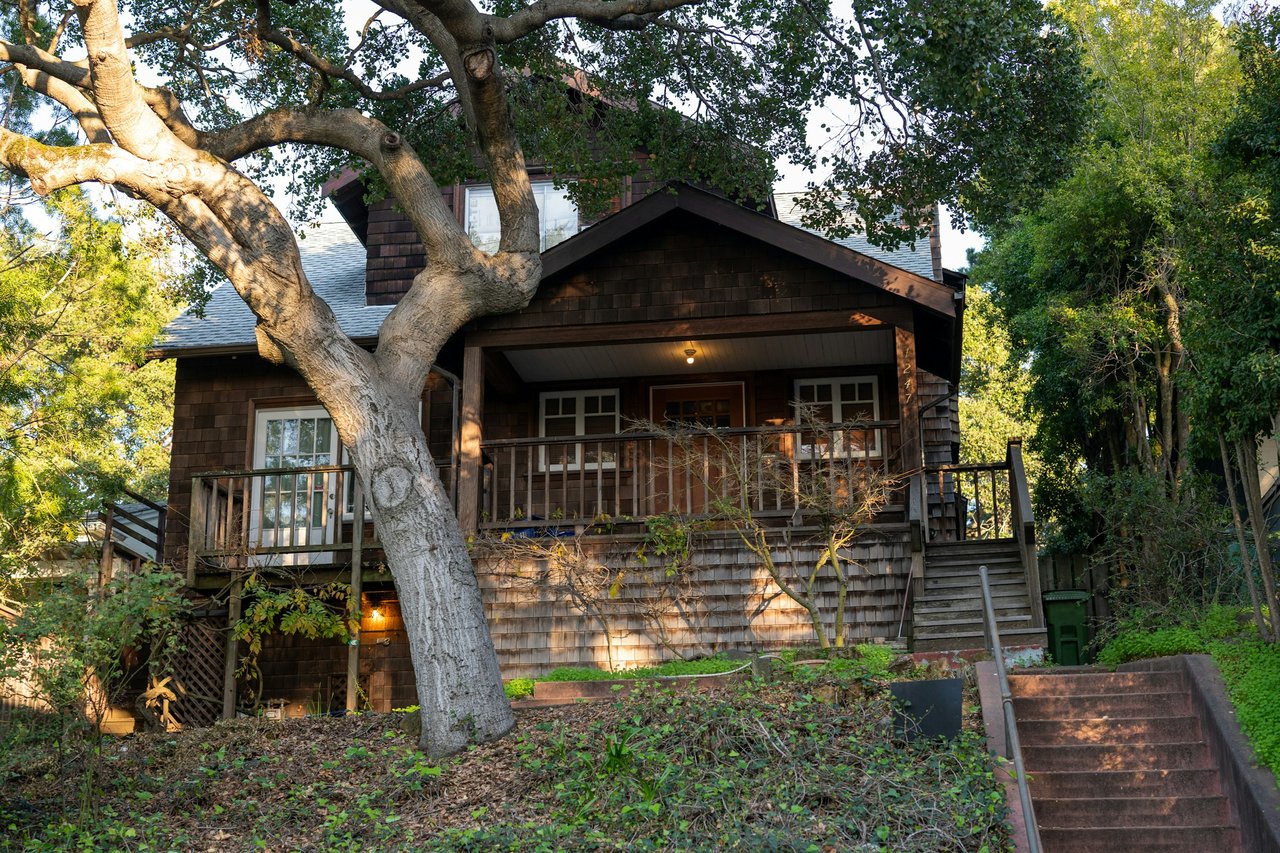
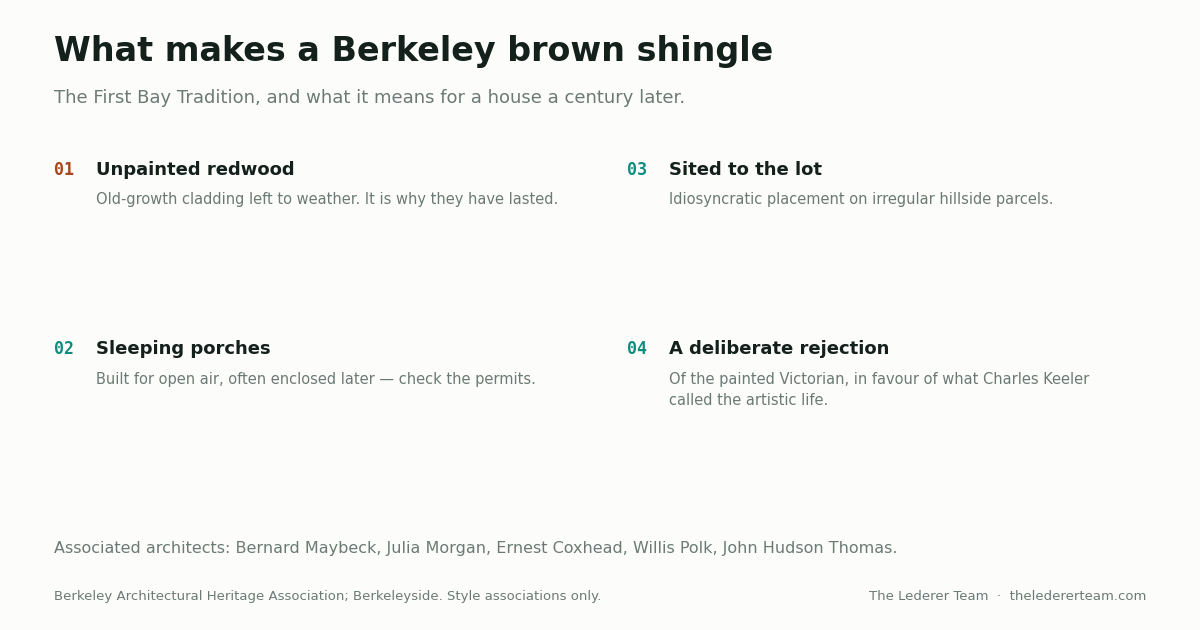
Berkeley was the epicenter of the First Bay Tradition, the regional movement that produced these houses around the turn of the twentieth century. The names are the ones you would expect here: Bernard Maybeck, Julia Morgan, Ernest Coxhead, Willis Polk, John Hudson Thomas. Morgan was the first woman licensed as an architect in California, in 1904, and produced roughly 700 buildings, including the 1930 Berkeley City Club.
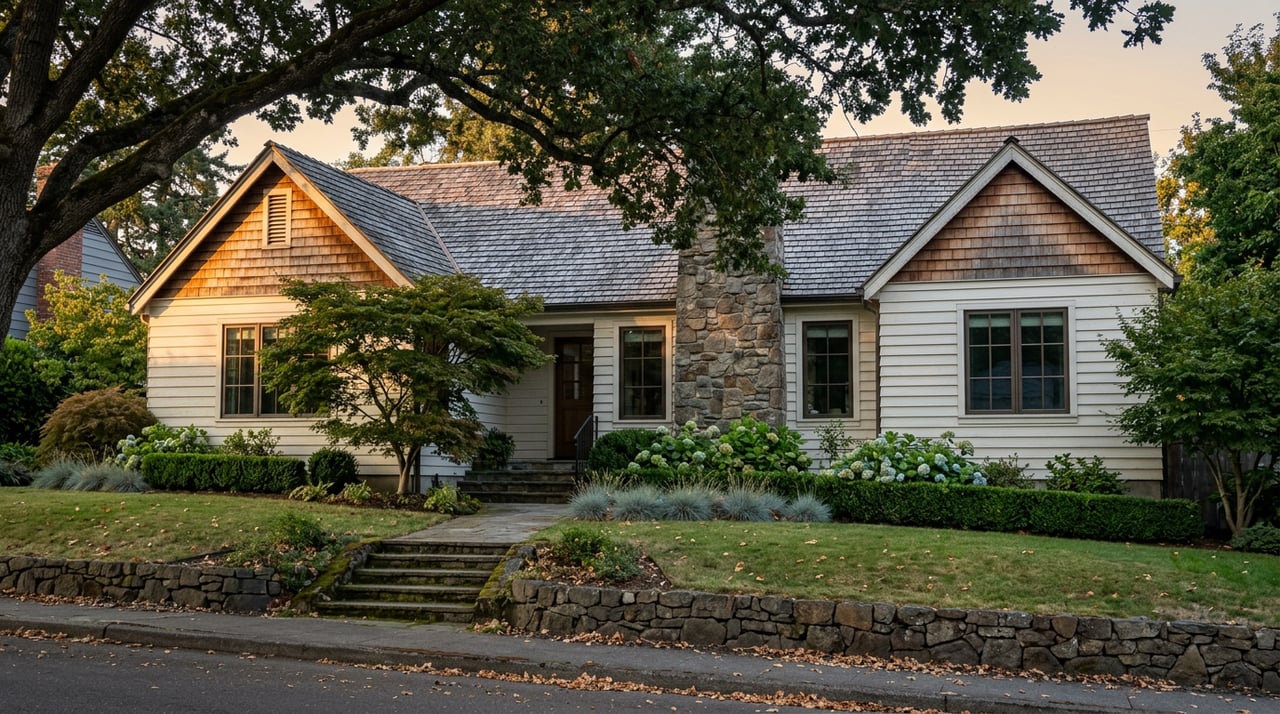
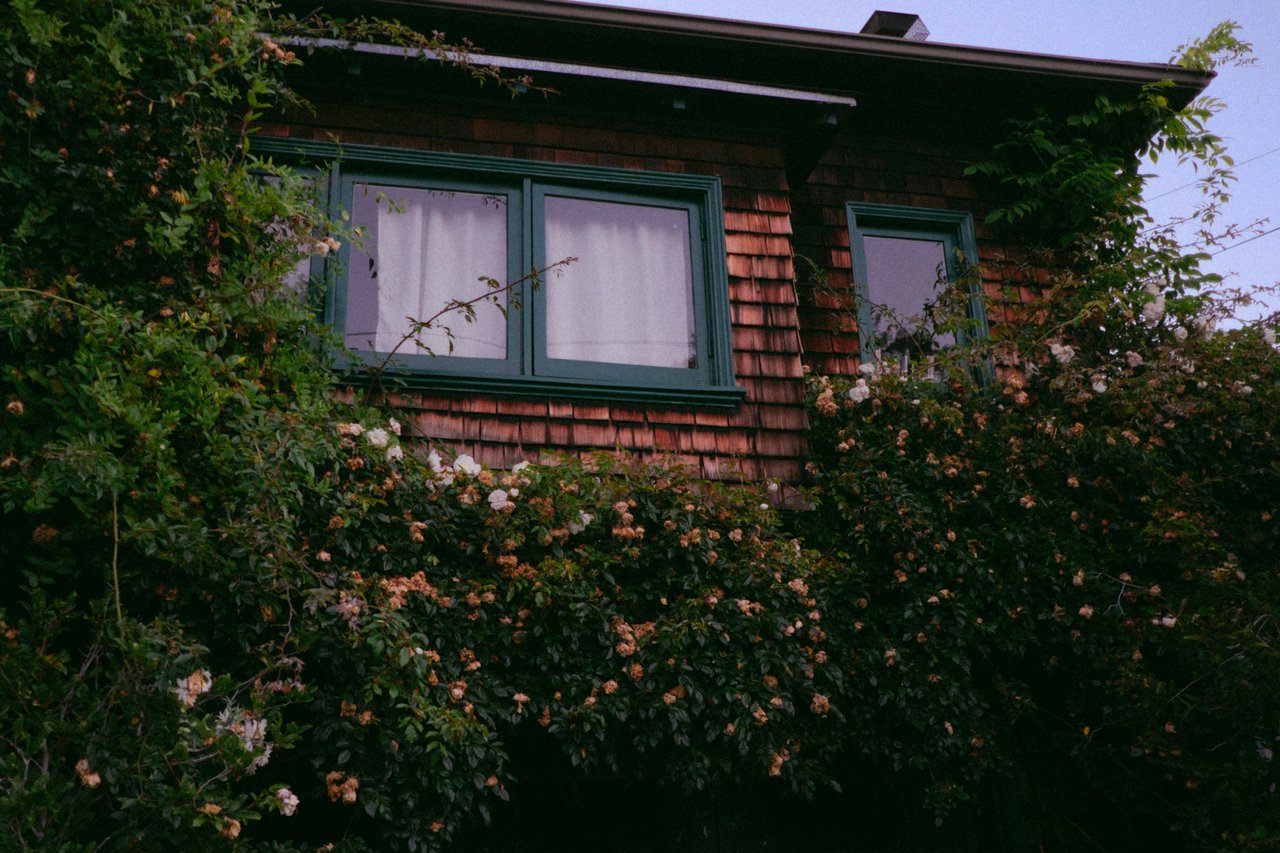
The clients were as distinctive as the architects: professors, writers and artists drawn by the university, pursuing what Charles Keeler called "The Artistic Life." The houses rejected the painted Victorian. Where a Victorian announces itself, a brown shingle recedes into its site.
The recurring hallmarks:
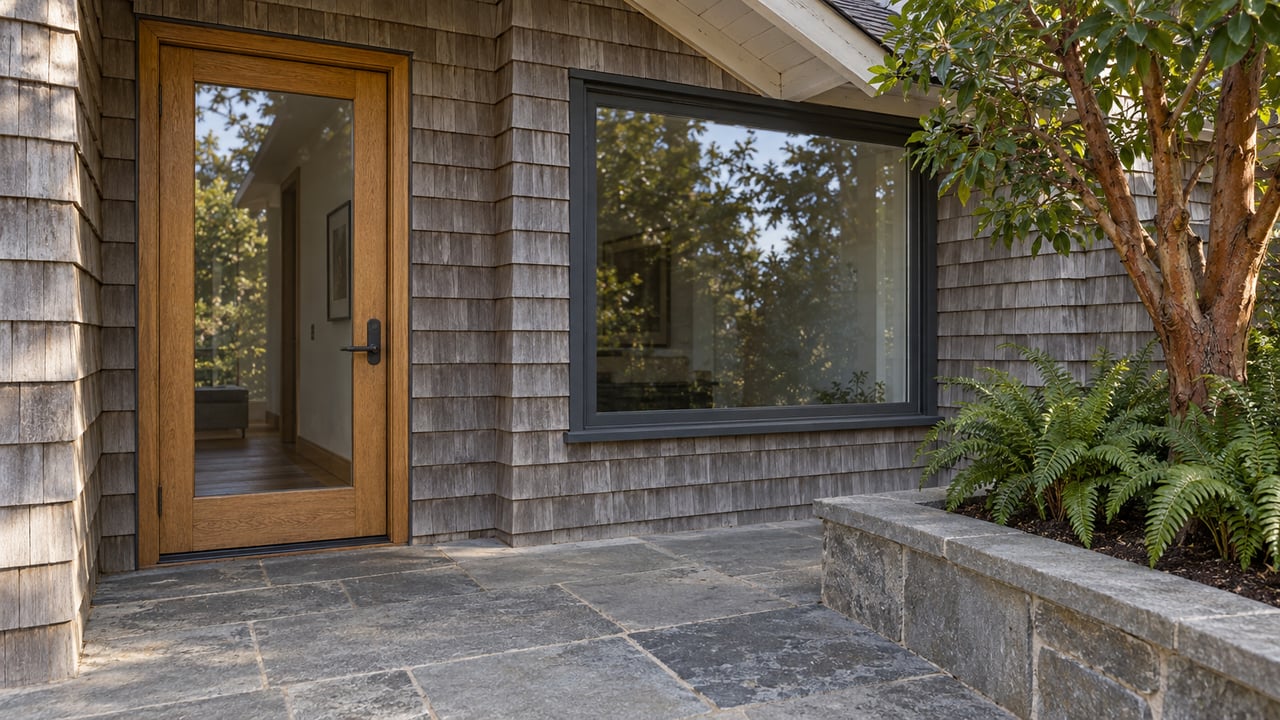
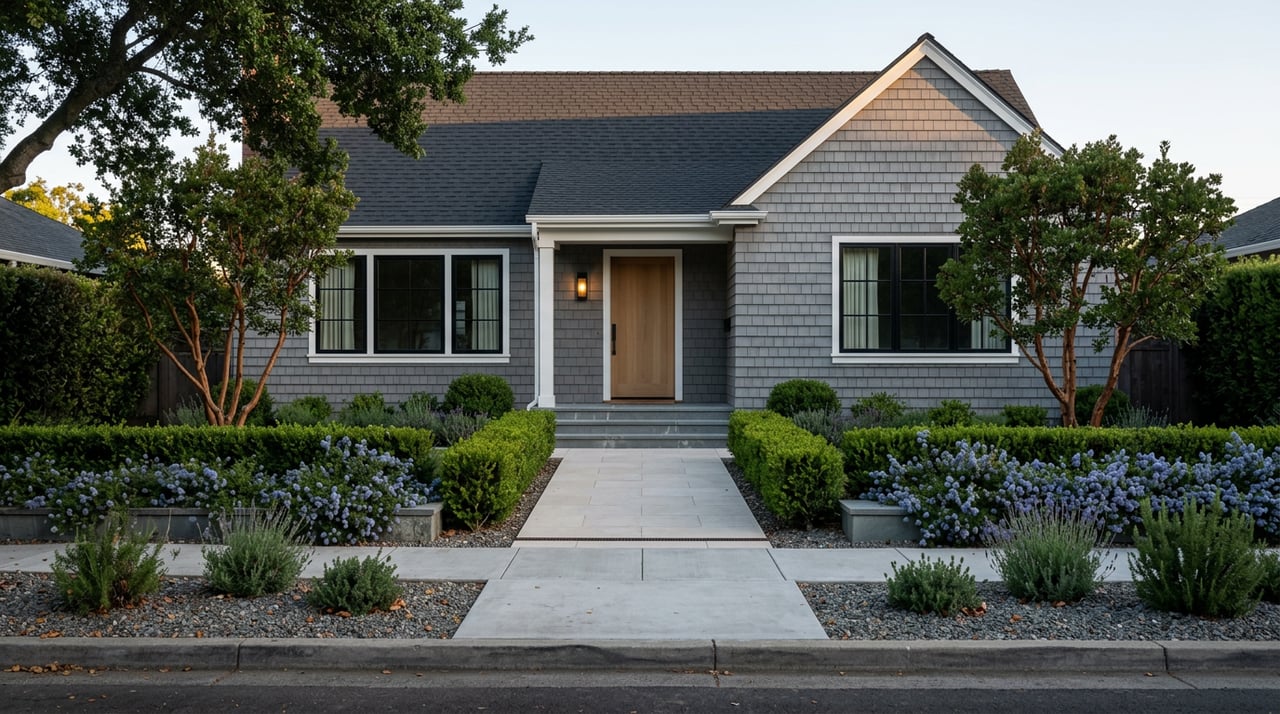
- Unpainted old-growth redwood cladding, left to weather rather than painted
- Sleeping porches, from a period conviction that night air was healthy
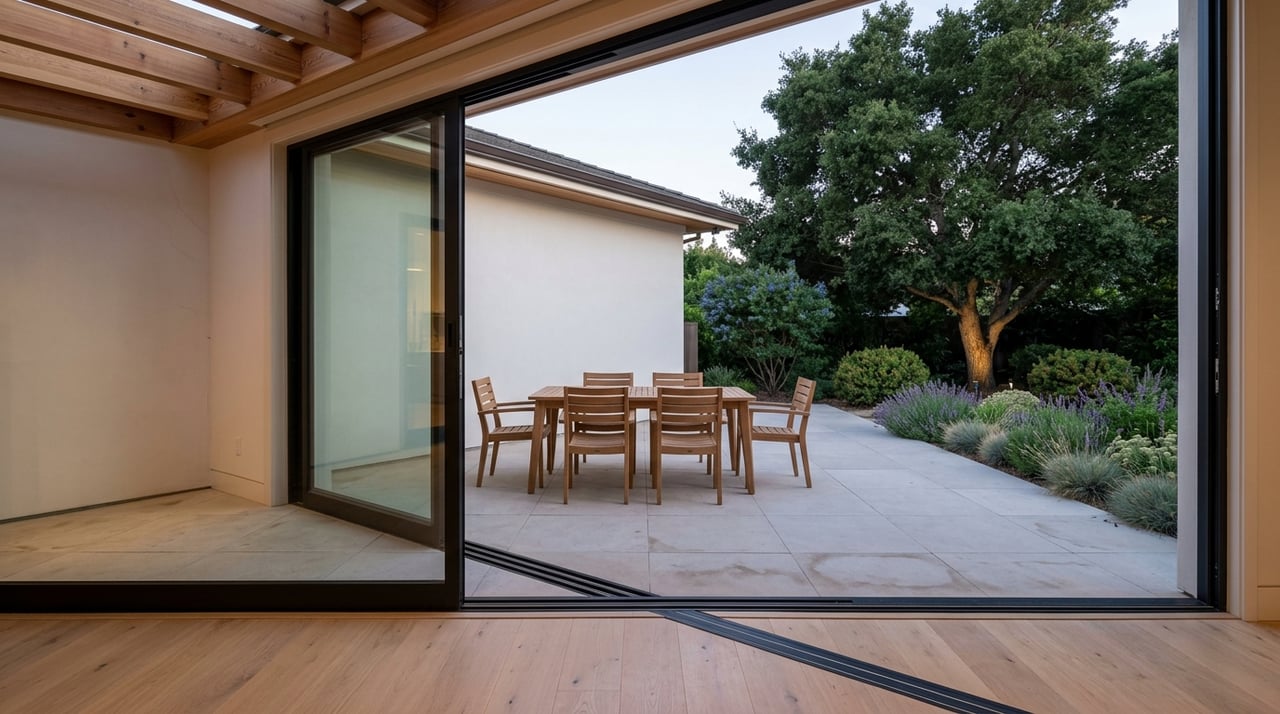
- Wide doors opening to gardens, blurring the line between house and lot
- Idiosyncratic siting on irregular lots, the house shaped to the land
Two things follow. Old-growth redwood is why so many are still sound: it is denser and more rot-resistant than anything you can buy today. And idiosyncratic siting is why standard valuation tools work poorly on them. The Bay Area brown shingle is a distinct tradition from the East Coast Shingle Style.
Where they are, and how those submarkets priced this year
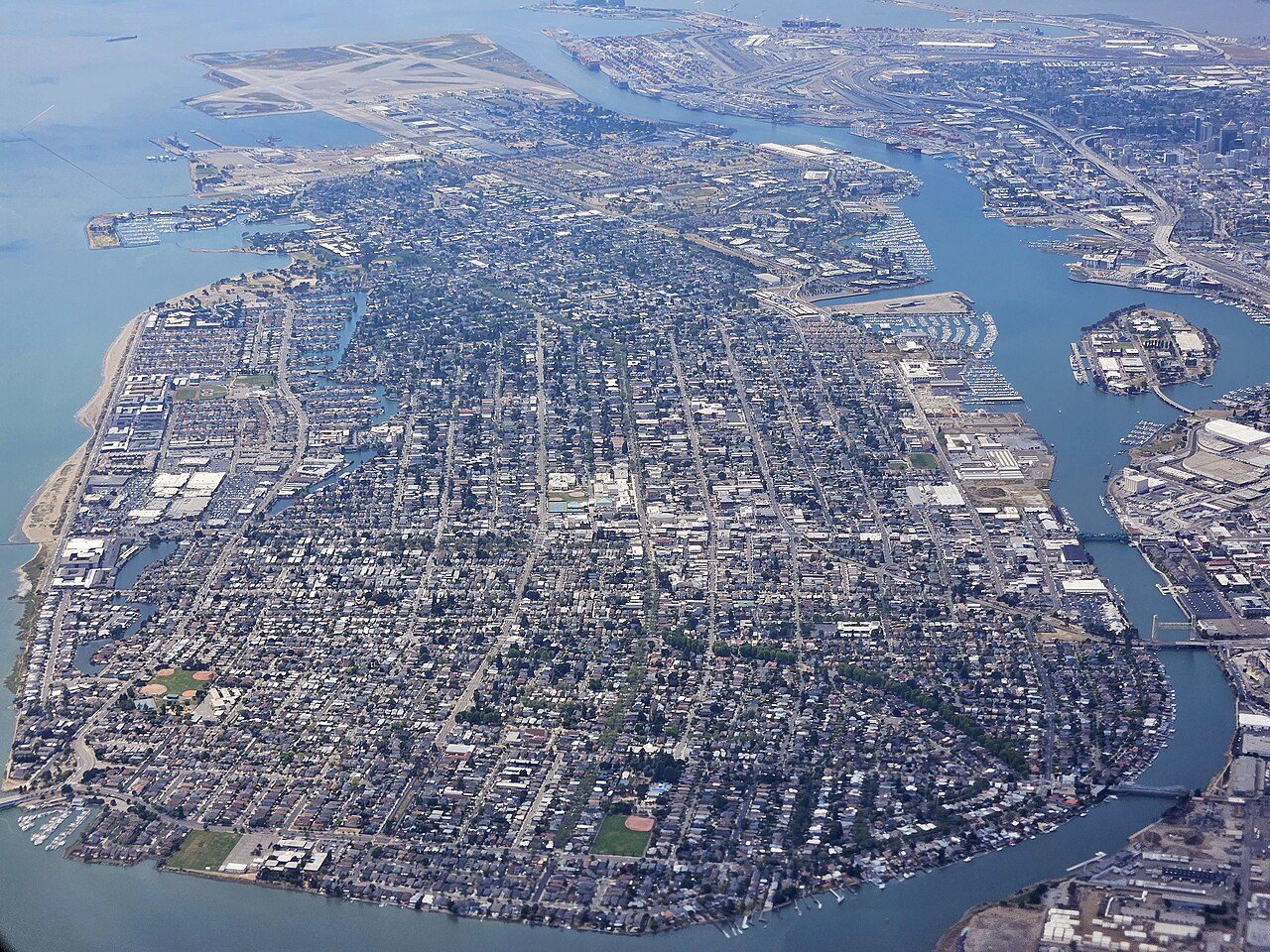
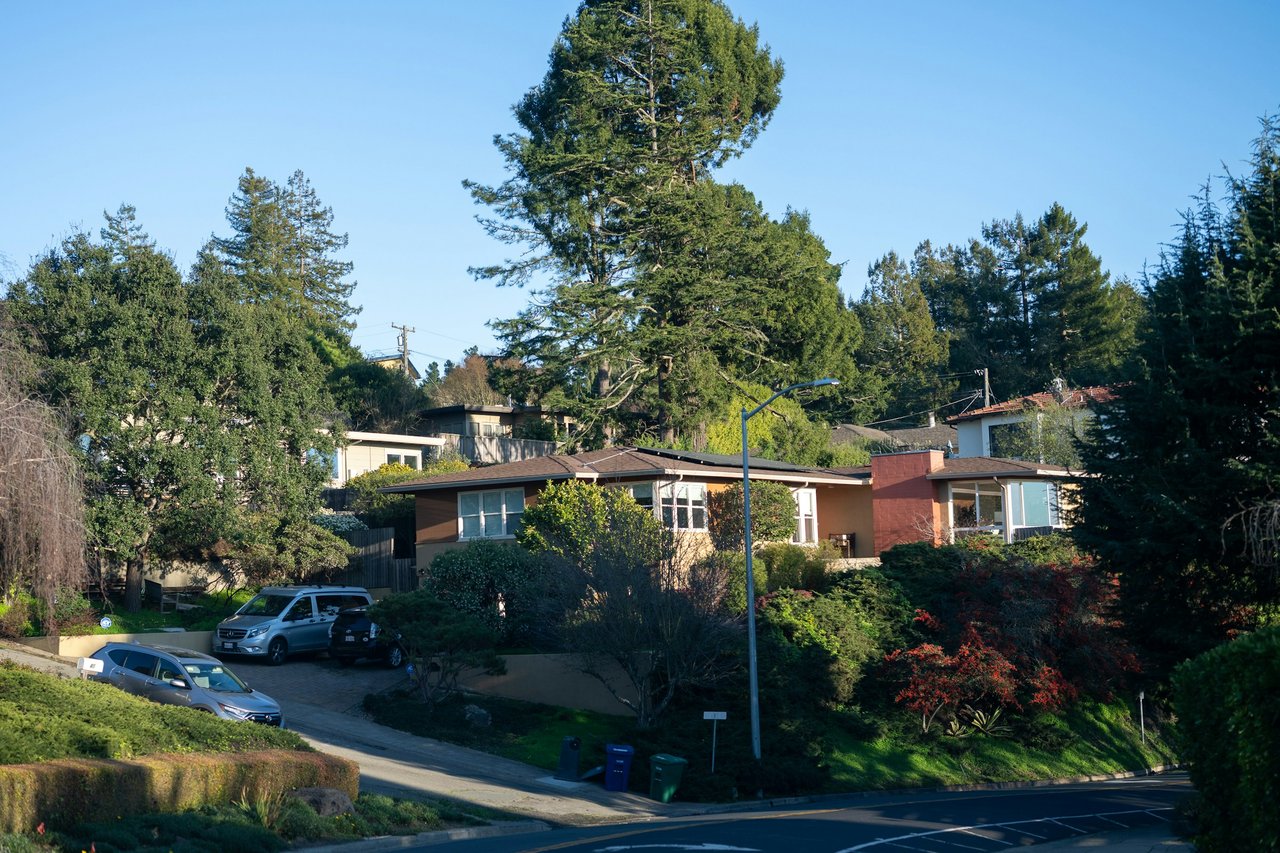
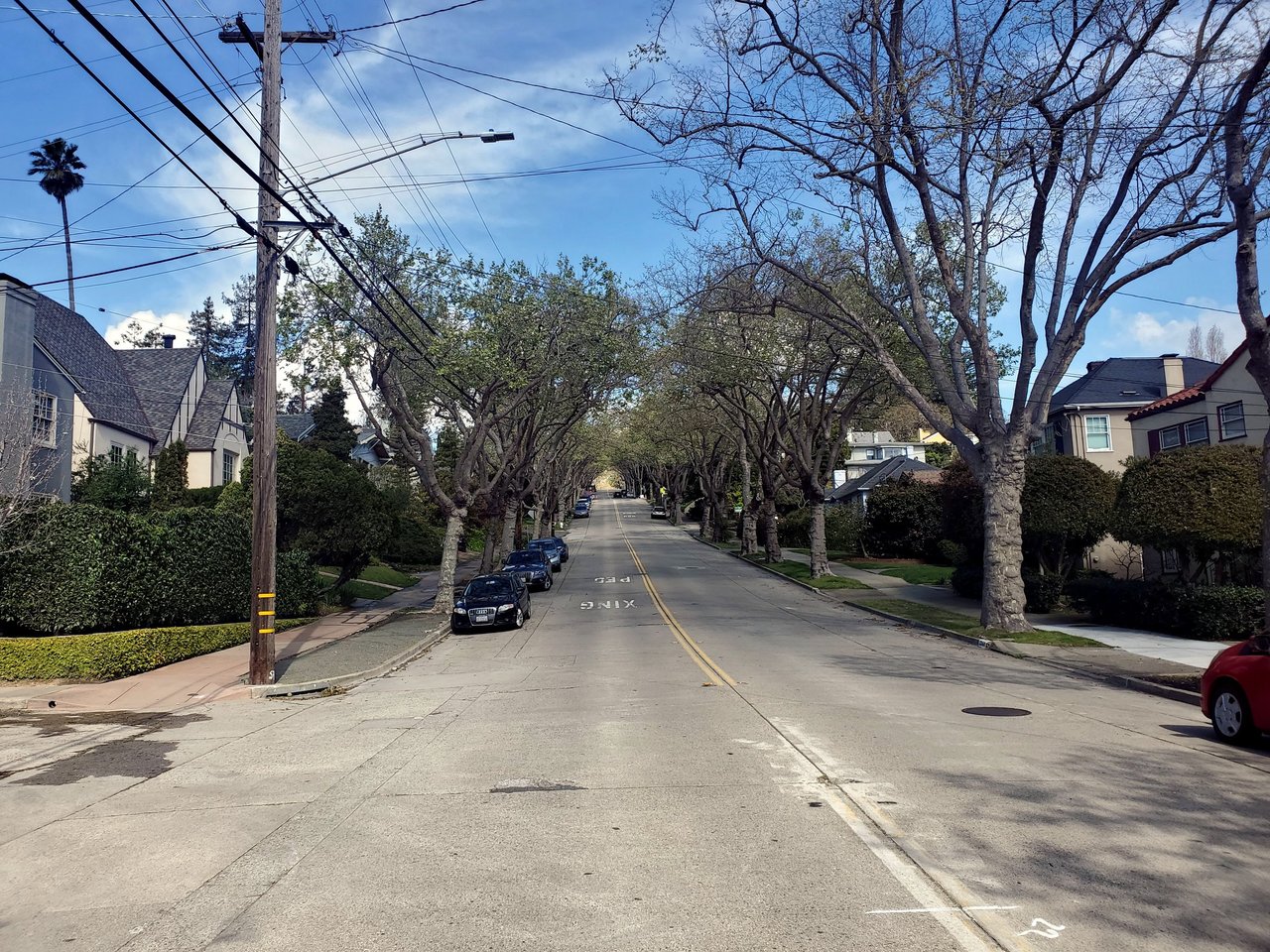
Brown shingles concentrate in North Berkeley, the Berkeley Hills and the Elmwood. Those submarkets are measured by different sources using different methods, so the table says so.
Area | Figure | Period | Source and method |
|---|---|---|---|
Berkeley, citywide | $1,509,179 median, up 2.6% year over year, 15 days on market, 83.1% above list, 228 sales, $944 per sq ft | 3 months ending June 2026 | Redfin, closed sale median |
North Berkeley | Roughly $1.60M to $1.80M; 89% sold over list, averaging 37% over asking, 43 active listings | Q2 and June 2026 | Range spans Redfin at $1,599,444 and The Berkeley Report at $1,800,000 on 36 sales |
Berkeley Hills | $1,726,000 median, up 7%, 86% over list, averaging 32% over asking, 21 days on market, 99 active listings, 6 price reductions, 72 sales | Q2 2026 | The Berkeley Report, MLS-derived |
Elmwood | $2,217,930, up 8.3% year over year | As of June 30, 2026 | Zillow ZHVI, an index of all homes, not a median of sales |
Read the Berkeley Hills row twice. Seventy-two sales, 99 active listings, six price reductions. Sellers are not cutting price, and buyers are still paying an average of 32% over asking, while the citywide median rose 2.6% year over year. Note too that the Elmwood figure is an index covering all homes, sold or not, so it is not comparable to the medians above it.
What an inspection on a hundred-year-old shingle house turns up
This section should decide your offer. A brown shingle in good condition is a superb house. One deferred for thirty years is a construction project with a garden. They look nearly identical on a Sunday.
What to inspect | Why it matters on a house built around 1900 |
|---|---|
Foundation and cripple walls | These houses predate modern seismic bracing. Whether a retrofit was done, and to what standard, is the largest cost variable in the transaction. |
Electrical service and wiring | Original knob-and-tube circuits and undersized panels are common in the era. Carriers ask about it, and so do appraisers. |
Supply and waste plumbing | Galvanized supply and cast-iron waste lines fail from the inside out. Ask about Berkeley sewer lateral requirements at sale. |
Siding condition and paint history | Cladding designed to weather unpainted changes maintenance cycle permanently once painted. Look at grade level, where soil contact does the damage. |
Sleeping porches and enclosures | Many were enclosed decades later. Permit history decides whether that square footage counts for an appraiser. |
Windows and doors | Original wood sash is single-glazed and part of what makes the house what it is. Restoration and replacement are very different budgets. |
Drainage, retaining walls, roof and gutters | Irregular hillside siting is a defining feature and a liability. Follow the water from roof to street, and note debris load, which intersects with the fire rules below. |
Hazardous materials | Houses of this vintage can contain lead paint and asbestos. Test rather than assume before opening walls. |
In a market where 83.1% of homes sell above list, most Berkeley buyers write offers without contingencies, so inspection work happens before the offer. Read the disclosure package line by line: the Transfer Disclosure Statement is statutory under Civil Code section 1102 and following, while the Seller Property Questionnaire is a C.A.R. form most sellers also complete, not a statute. Hire your own inspector when you can, so you can ask your own questions.
Fire, insurance and the new Zone 0 rules
Anything above the flats needs a fire and insurance conversation before an appraisal conversation. The Natural Hazard Disclosure required by Civil Code section 1103.2 covers six zones, several of which trigger in the Berkeley Hills: High or Very High Fire Hazard Severity Zone, State Responsibility Area wildland, Earthquake Fault Zone, and Seismic Hazard Zone.
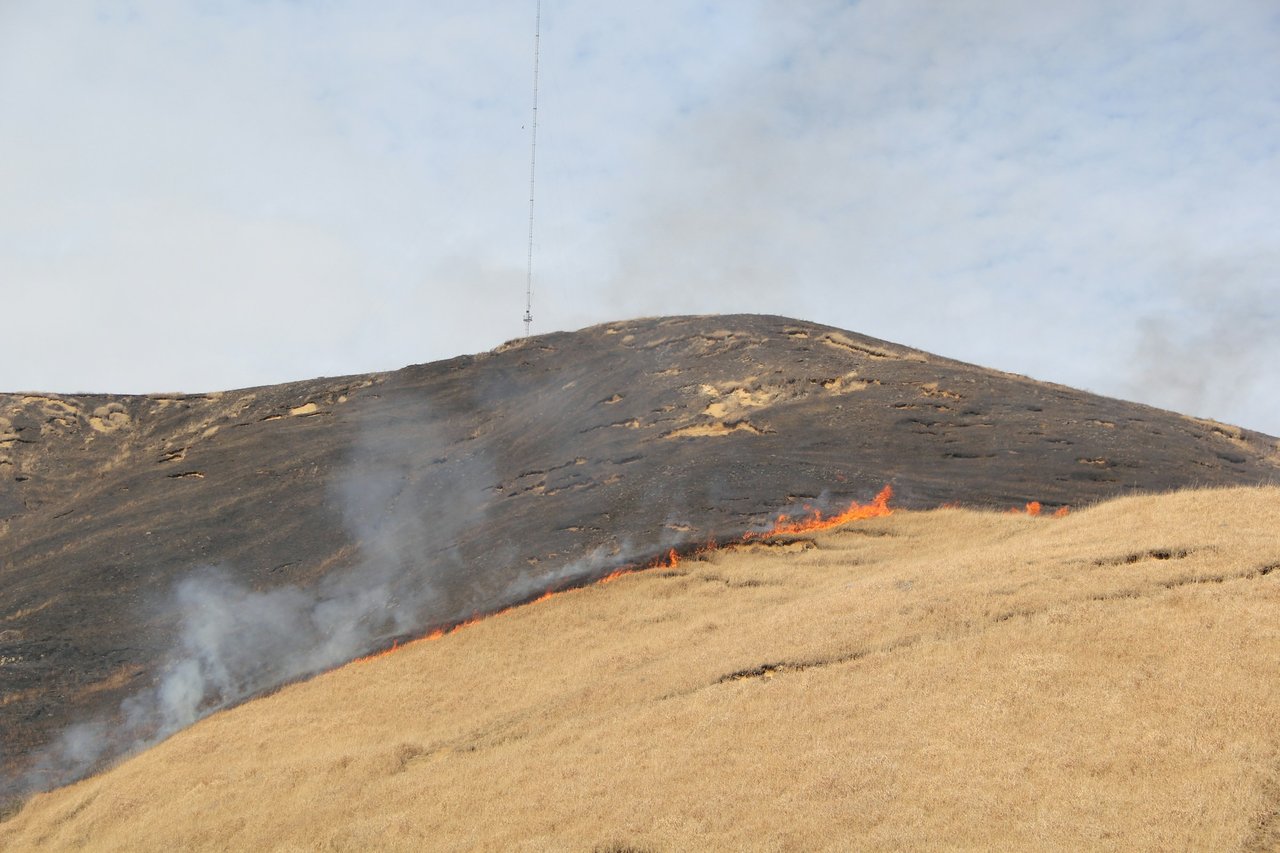
On August 19, 2026 the California Board of Forestry and Fire Protection voted 8–0 to approve the final draft of its Zone 0 regulations, creating an ember-resistant zone in the first five feet around a structure. The rule is not yet in effect; it now goes to the Office of Administrative Law for review, and no effective date has been set. Within that band the rules prohibit firewood, dead leaves and branches, mulch and wood chips, and new combustible fences and gates, and require non-combustible roofs and walls on sheds. Once the rule takes effect, new construction complies immediately and existing homes get roughly three years for the first phase and five for the second. AB 1455 sets earlier deadlines most coverage omits: rentals immediately, and property being sold on sale or three years, whichever is sooner. The rules apply in State Responsibility Areas and Very High Fire Hazard Severity Zones inside Local Responsibility Areas, capturing much of the Berkeley Hills. Confirm the current status at bof.fire.ca.gov. Details are in California's new Zone 0 fire rules.
For a brown shingle, the practical question is what sits in that five-foot band: the wood gate meeting the house, the mulch under the dining room window, the firewood stacked against the redwood. The rule governs the band, not the siding. Carriers want the work documented, and availability rather than premium is what threatens a hills closing, so quote the address early. More in buying in the Oakland Hills and the Lamorinda guide. Confirm coverage with your broker.
How these houses price, and why per-square-foot fails on them
Berkeley's citywide price per square foot was $944 over the three months ending June 2026. Applying that number to a brown shingle is a reliable way to arrive at a wrong answer.
The reasons are structural. Enclosed porches and finished attic and basement space mean recorded, permitted and lived square footage often disagree. Irregular lots mean two houses on the same street can have entirely different usable outdoor space. And condition variance is enormous, so two sales at the same nominal price per foot can represent a fully retrofitted house and an original one.
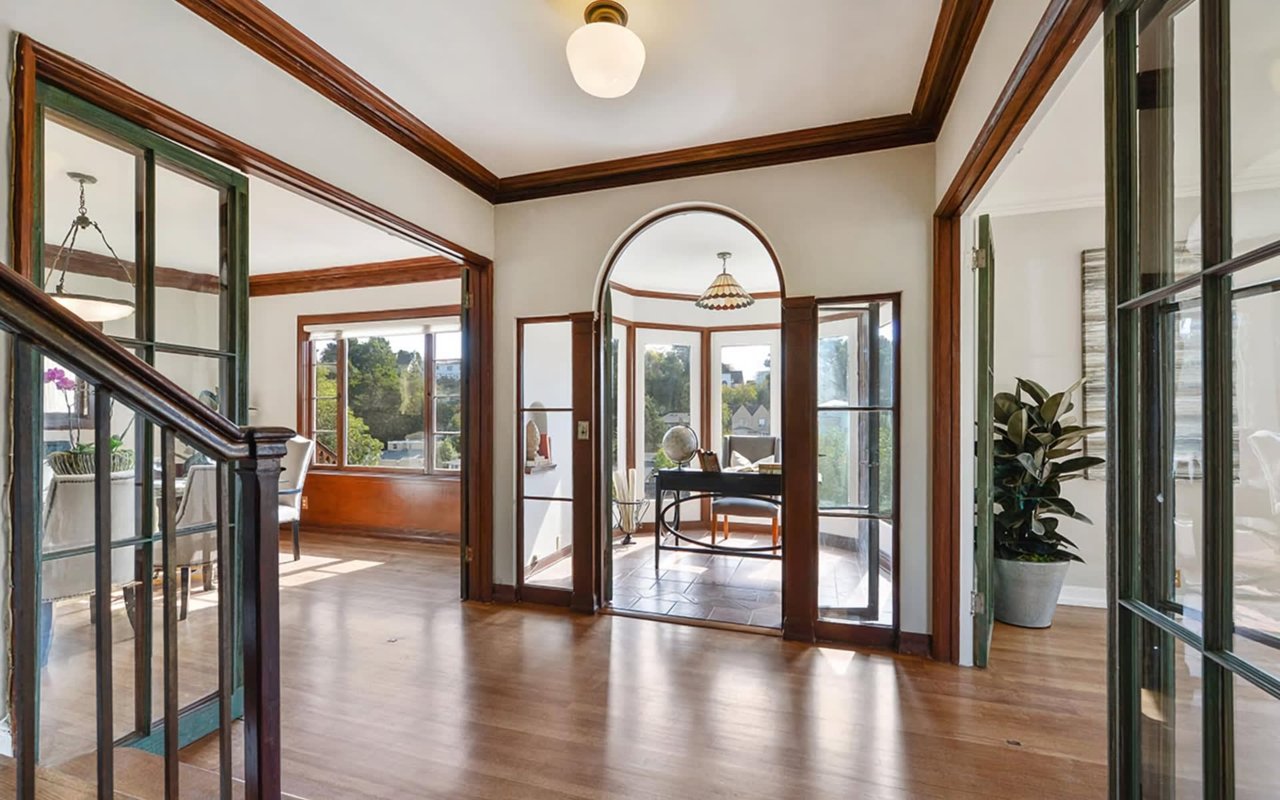
What actually moves the number: retrofit and systems condition, permit history on added space, light and siting, kitchen and bath quality, and whether the redwood is intact. A house stripped of original detail typically does not recover that value.
If you are selling one before 2027, know the deadline
Berkeley's transfer tax today is $15.00 per $1,000 up to $1.7 million and $25.00 above that, on top of Alameda County's $1.10 per $1,000. Measure W, approved in November 2024, takes effect January 1, 2027 with 2.5% at $1.6 million, 3.0% at $1.9 million and 3.5% at $3.0 million. Thresholds are adjusted annually and recalculated before the effective date, so confirm final figures with the City of Berkeley and a title officer.
As an illustration: a $2,000,000 Berkeley sale today falls in the 2.5% band and owes $50,000 in city transfer tax. The same sale on or after January 1, 2027 falls in the 3.0% band and owes $60,000, a $10,000 difference. Transfer tax is customarily negotiable between buyer and seller in Berkeley, so who absorbs it is a term of the deal. Since many hills and North Berkeley shingles trade above $1.6 million, the deadline belongs on a calendar. Full breakdown in Berkeley's transfer tax jumps January 1, 2027.
Frequently asked questions
What is a Berkeley brown shingle house?
An early-twentieth-century house in the First Bay Tradition, clad in unpainted old-growth redwood and designed to sit into its site rather than stand out from it. Common features include sleeping porches, wide doors opening to gardens, and idiosyncratic siting on irregular lots. Architects associated with the style include Bernard Maybeck, Julia Morgan, Ernest Coxhead, Willis Polk and John Hudson Thomas.
How much do brown shingle homes cost in Berkeley?
They trade within the broader Berkeley market rather than as a separate category. Citywide, Redfin put the median sale price at $1,509,179 for the three months ending June 2026. North Berkeley ran roughly $1.60 million to $1.80 million depending on the source, and The Berkeley Report put the Berkeley Hills median at $1,726,000 in Q2 2026.
Are old brown shingle houses hard to insure?
Insurance is a real variable in the Berkeley Hills, and availability rather than premium is usually what threatens a closing. Carriers ask about roof condition, original wiring and defensible space, and the Zone 0 draft approved August 19, 2026 will add documentation underwriters want once it takes effect. Confirm coverage questions with an insurance broker.
What should I inspect before buying a hundred-year-old Berkeley home?
Foundation and cripple walls, electrical service and knob-and-tube wiring, galvanized supply and cast-iron waste lines, sewer lateral status, siding and paint history, permits for any enclosed sleeping porch, windows, drainage, and testing for lead and asbestos. Most offers here carry no contingencies, so this work happens before you write one.
Does price per square foot work for valuing a brown shingle?
Poorly. Berkeley's citywide figure was $944 per square foot for the three months ending June 2026, but recorded, permitted and lived square footage frequently disagree in these houses, and condition varies enormously. Use comparable sales judged on condition, permit history and siting instead, and expect an appraiser to work harder than usual.
Sources
- Redfin, Berkeley market data, three months ending June 2026 — link
- The Berkeley Report, Q2 2026, MLS-derived, North Berkeley and Berkeley Hills
- Zillow Home Value Index, Elmwood, June 30, 2026 — link
- Board of Forestry and Fire Protection, Zone 0 final draft approved August 19, 2026, pending Office of Administrative Law review — bof.fire.ca.gov
- California Civil Code sections 1102 and 1103.2
- City of Berkeley, transfer tax and Measure W — link
- Alameda County Clerk-Recorder, transfer tax — link
Mark Lederer leads The Lederer Team at Red Oak Realty, with 25 years and more than 1,000 closed transactions around houses like these, which reward the buyer who reads the reports. He coordinates inspectors, contractors and insurance brokers on every transaction and takes no referral fee from any of them. Call 510-774-4231 or email [email protected]; buyers can set up a consultation, and owners weighing a sale before the 2027 transfer tax change can start with a home valuation.