Trying to decide between a condo and a house in San Francisco? You are not alone. In a city with dense housing, steep price differences, and neighborhood-by-neighborhood tradeoffs, the right choice often comes down to how you want to live, what you want to spend, and how much ongoing responsibility you are comfortable taking on. This guide breaks down the key differences so you can compare both options with more confidence. Let’s dive in.
Why this choice matters in San Francisco
San Francisco is a market where both condos and houses play a major role, but they sit in very different parts of the housing landscape. According to San Francisco Planning’s 2025 Housing Inventory, the city has far more multi-unit housing than many buyers expect, including 165,805 units in 20+ unit buildings alone.
That matters because condo living here is not a niche option. It is a core part of the market. At the same time, single-family homes remain a major ownership path, with 94,517 single-family units citywide, which means many buyers are choosing between two very different property types with two very different ownership experiences.
Compare the price gap first
For many buyers, the first question is simple: what can you realistically afford? Current market snapshots suggest condos are usually the lower-entry-price option, while houses sit at the higher end of the market.
Homes.com reported that in April 2026, the median single-family price in San Francisco was $2.1 million. Redfin’s condo data showed 497 condos for sale at a median listing price of about $999,000. That gap alone explains why many buyers start with condos, even if they originally pictured a house.
Still, price alone does not tell the whole story. Condos may cost less up front, but your monthly ownership costs can look different once HOA dues, insurance needs, and the possibility of special assessments are factored in.
Understand monthly carrying costs
Your purchase price is only part of the decision. In San Francisco, property taxes and recurring ownership expenses can make a big difference in your monthly budget.
For fiscal year 2025-26, San Francisco’s secured property tax rate is 1.18268325%. That works out to roughly $11,815 per year on a $999,000 assessed value and about $24,836 per year on a $2.1 million assessed value, before exemptions or special assessments.
The city also notes that a change of ownership or new construction can trigger a supplemental assessment. So whether you buy a condo or a house, it is smart to budget beyond the sticker price.
For condos, HOA dues are a major extra cost. Recent reporting on Realtor.com data found the San Francisco metro median monthly HOA fee was $502 in 2025, up from $360 in 2019. In some buildings, that monthly fee may be balanced by reduced exterior maintenance responsibilities. In others, it can noticeably narrow the affordability gap between a condo and a house.
Condo ownership means shared responsibility
One of the biggest differences between a condo and a house is maintenance. If you buy in a common-interest development, California’s Department of Real Estate says the homeowners association is responsible for repairing, replacing, and maintaining common areas, while you are responsible for your separate interest and any exclusive-use common area.
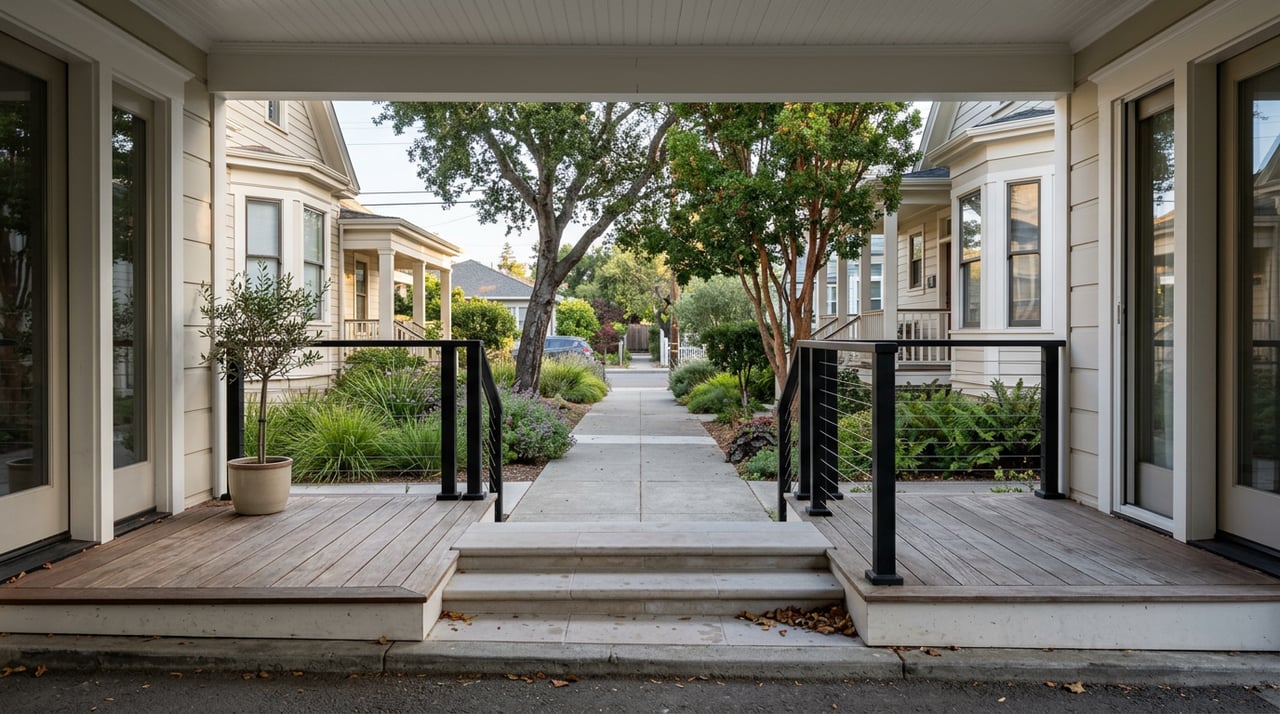
In practical terms, that means a condo can reduce how much hands-on maintenance you manage yourself. Shared systems, exterior upkeep, and common areas are generally handled at the association level. For some buyers, that is a major advantage.
The tradeoff is control. HOA rules, budgets, project timing, and maintenance quality can all affect your day-to-day ownership experience. If you want more freedom to make exterior changes or manage repairs on your own timeline, a house may feel like a better fit.
House ownership gives you more control
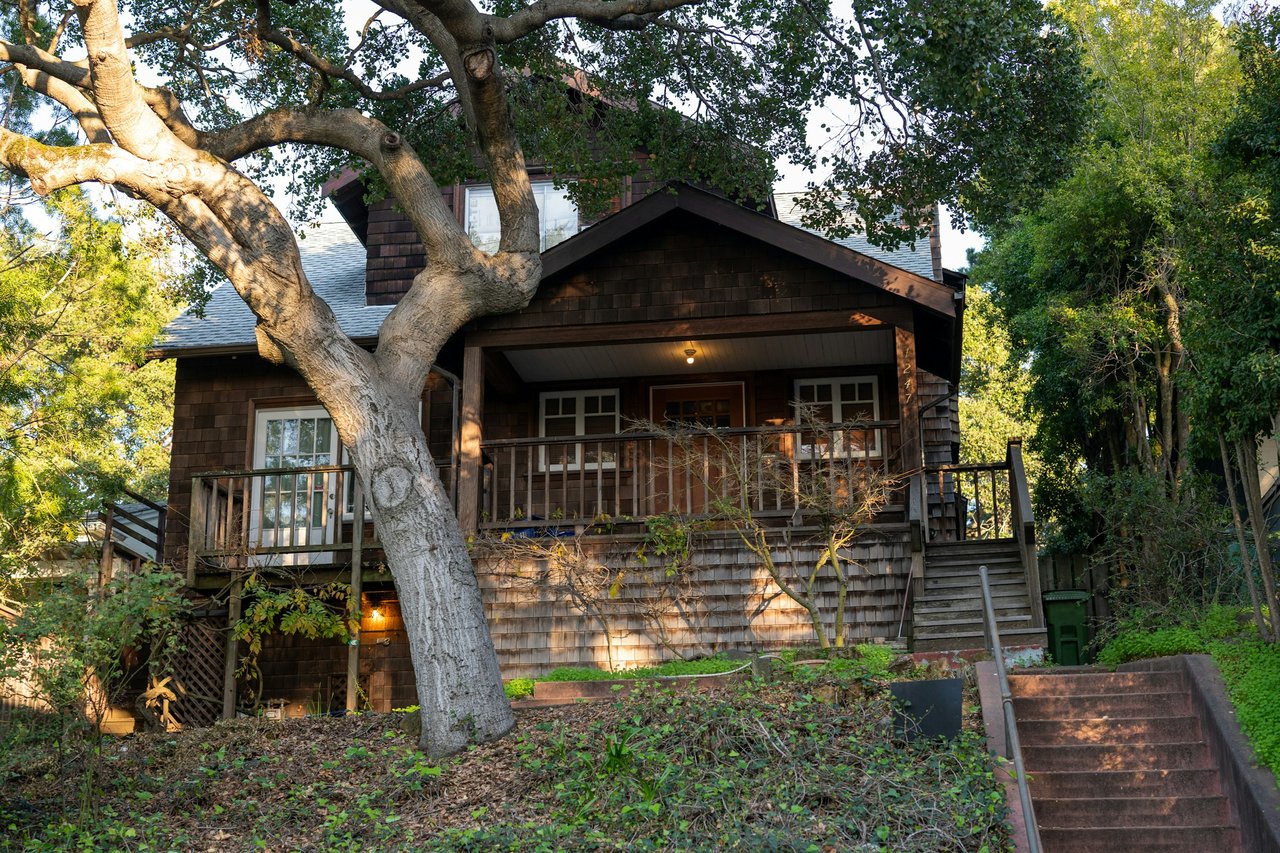
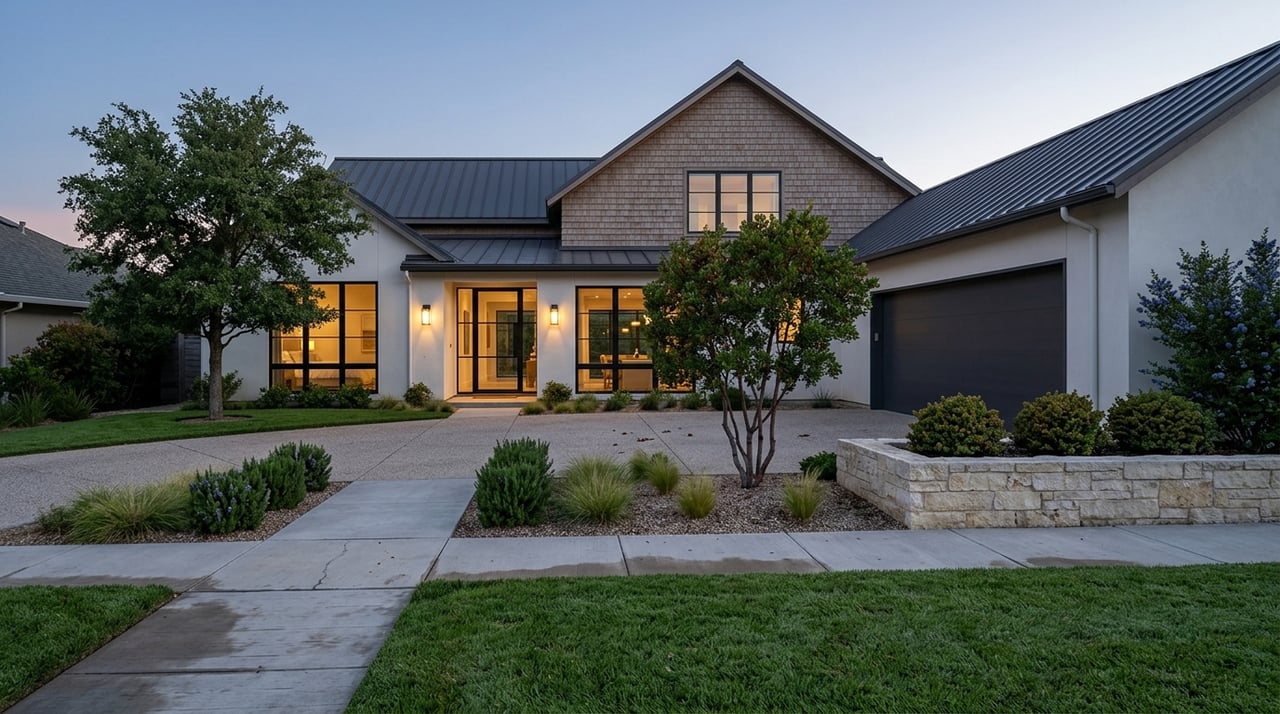
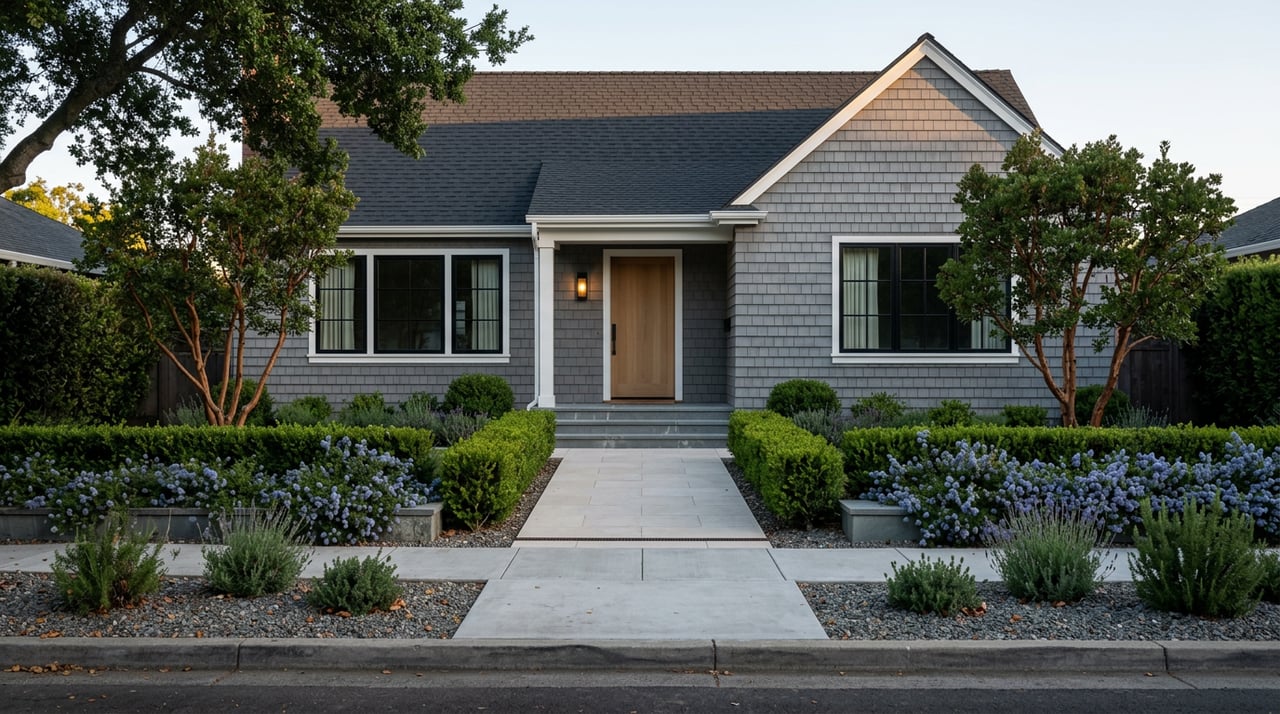
A house often appeals to buyers who want privacy, independence, and direct decision-making. In many cases, a house gives you more control over exterior changes, yard use, and repair choices.
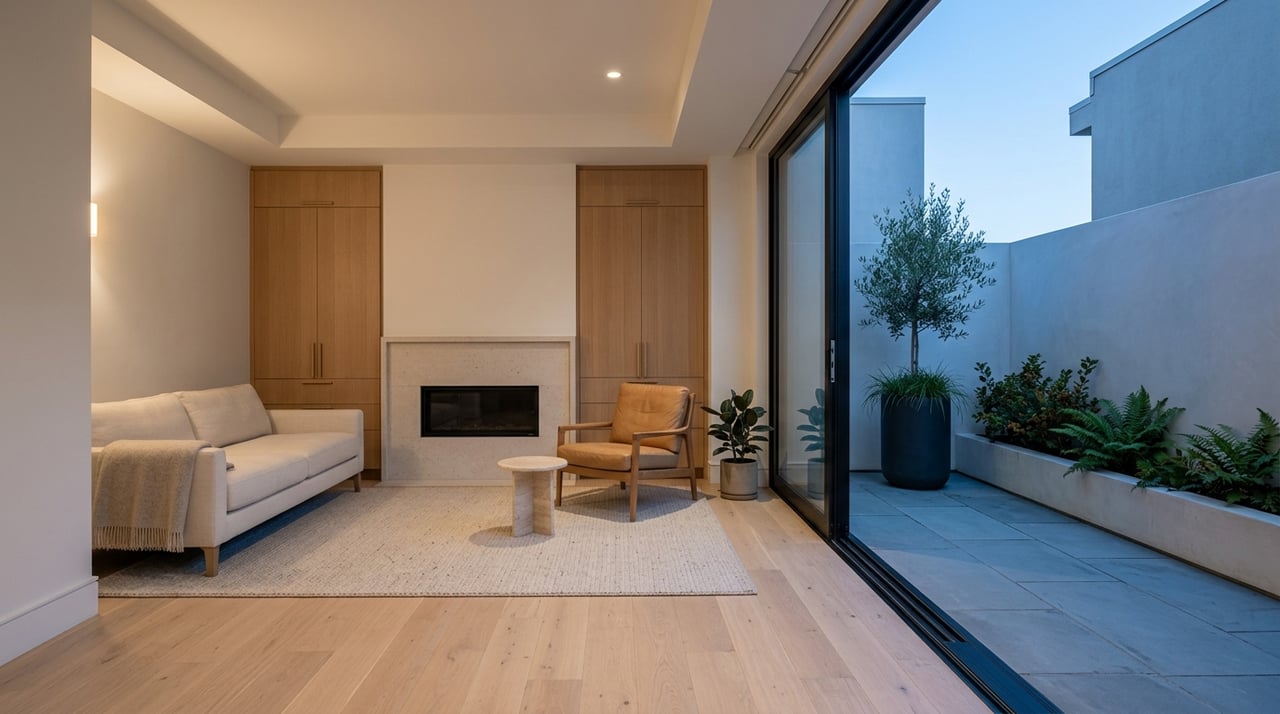
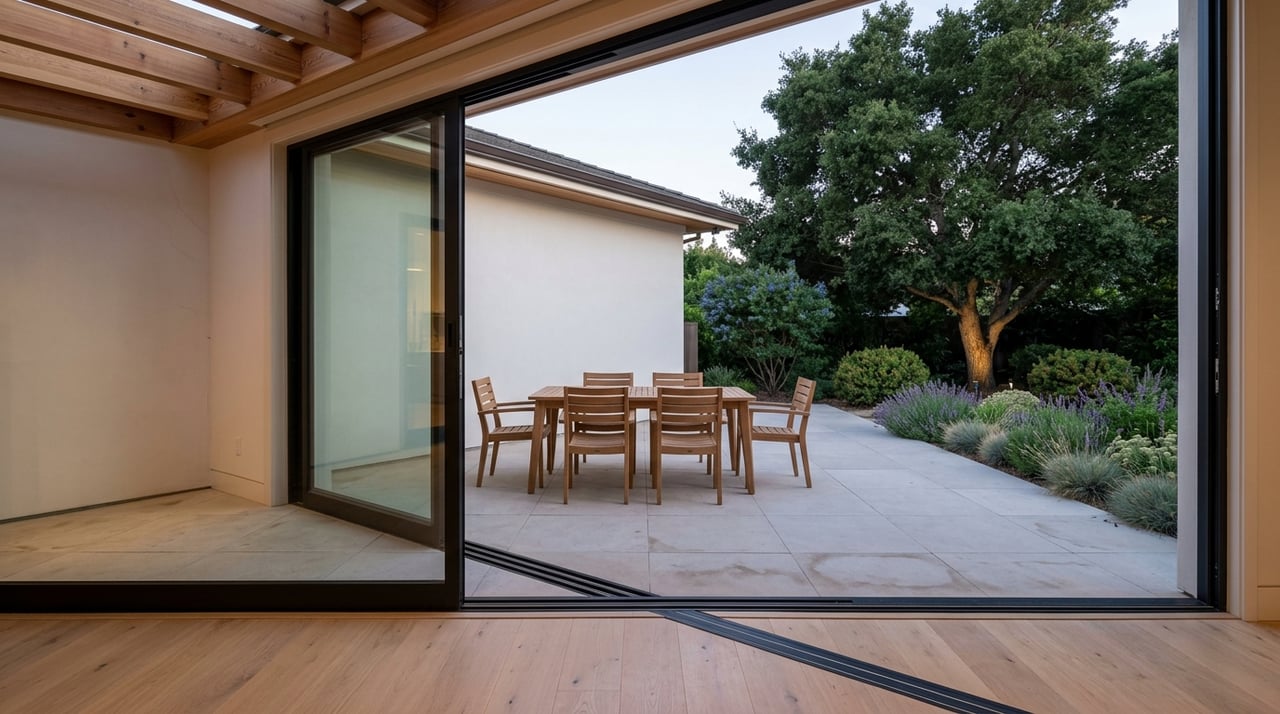
That can be especially important if outdoor space is high on your list. In San Francisco, condo listings often feature roof decks, balconies, shared yards, or exclusive-use outdoor areas rather than full private parcels. Houses are generally more likely to offer private outdoor space, though lot size and layout still vary by neighborhood.
More control also means more responsibility. With a house, there is usually no HOA handling shared systems or common-area repairs. You are the one planning, budgeting, and coordinating those items yourself.
Condo diligence matters more than many buyers think
If you are leaning toward a condo, building health should be one of your top priorities. A lower purchase price can look appealing, but the financial condition of the HOA can have a major effect on your long-term costs and resale potential.
California Civil Code Section 5300 requires an HOA annual budget report to include a pro forma operating budget, a reserve summary, a reserve funding plan, statements about deferred repairs and possible special assessments, loan information, and an insurance summary. For condo projects, the report also includes FHA and VA status statements.
That means condo buyers should pay close attention to several key issues:
- Reserve strength
- Deferred maintenance
- Special-assessment history
- Pending or recent loans
- Insurance deductibles and coverage summaries
- Litigation, if disclosed in the documents provided during diligence
California’s reserve-study guidance also explains that reserve planning helps estimate the long-term cost of major common-area items like roofs or pavement. Strong reserve planning can help protect property values by reducing the risk of deferred maintenance building up over time.
Neighborhood patterns can shape your options
In San Francisco, the condo-versus-house decision is often also a neighborhood decision. Some areas are heavily condo-oriented, while others are much more house-focused.
San Francisco Planning’s 2025 inventory shows Mission Bay is almost entirely made up of 20+ unit buildings, with 10,880 such units and no single-family stock. South of Market is similarly condo-heavy, with 17,491 units in 20+ unit buildings versus just 57 single-family units.
By contrast, Sunset/Parkside is strongly house-oriented, with 19,522 single-family units and only 724 units in 20+ unit buildings. West of Twin Peaks is also house-heavy, with 12,101 single-family units compared with 603 units in 20+ unit buildings.
Some search areas give you more of a side-by-side choice. Noe Valley and Bernal Heights are more mixed, which can be helpful if you want to compare condos and houses within a similar part of the city.
Current condo inventory also clusters in places like the Sunset District, Outer Sunset, Pacific Heights, Marina District, Bernal Heights, Mission Bay, Nob Hill, Noe Valley, Potrero Hill, and Russian Hill. So if you are open to condo living, your neighborhood options may look different from a house-only search.
Think about competition and timing
San Francisco’s housing supply remained tight at 3.3 months in April 2026, according to Homes.com. The same report noted that sales were strongest for well-located single-family homes and higher-quality condos.
That is an important detail. It suggests both property types can be competitive, but not always in the same way. Houses and condos often compete in different price bands, with different buyer pools, building conditions, and location priorities shaping demand.
A move-in-ready condo in a well-managed building may attract strong interest. A house in a desirable location may also move quickly, especially when buyers value privacy and space. In either case, preparation and clarity around your budget matter.
Resale value depends on more than property type
Many buyers ask whether a condo or a house is the better long-term investment. In San Francisco, the answer depends on more than the label.
For houses, location, condition, layout, and outdoor space often play a major role in resale appeal. For condos, the same factors matter, but building health becomes an added layer.
A well-managed condo building with strong reserves and a clean assessment history may be easier to resell than a property that looks attractive at first glance but is tied to deferred maintenance or an underfunded HOA. In other words, for condo buyers, your resale outlook is tied not just to the unit, but to the building behind it.
A simple way to decide
If you are feeling torn, it helps to focus on how you want your ownership experience to look over the next several years.
A condo may be a better fit if you want:
- A lower entry price than a typical single-family home
- Less hands-on exterior maintenance
- Shared amenities or managed common areas
- A location where condo inventory is more common
- A lifestyle that works well with HOA governance and monthly dues
A house may be a better fit if you want:
- More privacy
- More direct control over maintenance and exterior decisions
- Better odds of private outdoor space
- Flexibility around yard use or future changes
- An ownership structure without HOA oversight in many cases
In San Francisco, the smarter question is often not simply condo or house. It is which combination of neighborhood, budget, building quality, and day-to-day lifestyle fits you best.
If you are weighing these tradeoffs in San Francisco or comparing them to options across the Bay Area, working with an advisor who can look at both the lifestyle side and the financial side can help you make a more confident move. For a tailored home strategy, connect with Katie & Mark Lederer.
FAQs
What is the main price difference between condos and houses in San Francisco?
- Current market snapshots show condos are generally the lower-entry-price option, with Redfin showing a median condo listing price around $999,000, while Homes.com reported a median single-family price of $2.1 million in April 2026.
What should condo buyers review in San Francisco before making an offer?
- Condo buyers should closely review HOA documents, including the annual budget report, reserve summary, reserve funding plan, deferred repair disclosures, possible special assessments, loan information, and the insurance summary required under California Civil Code Section 5300.
How do HOA fees affect condo affordability in San Francisco?
- HOA fees add to your monthly carrying cost, and recent reporting showed the San Francisco metro median monthly HOA fee was $502 in 2025, which can narrow the cost difference between a condo and a house.
Which San Francisco neighborhoods have more condos versus houses?
- Mission Bay and South of Market are heavily condo-oriented, while Sunset/Parkside and West of Twin Peaks are much more house-focused. Areas like Noe Valley and Bernal Heights offer a more mixed housing stock.
Is a house always a better long-term investment than a condo in San Francisco?
- Not necessarily. A house may offer more control and privacy, but a well-managed condo in a strong location with healthy reserves and no major assessment issues can also support solid resale potential.
What kind of outdoor space can you expect with a San Francisco condo?
- Condo outdoor space often comes in the form of balconies, roof decks, shared yards, or exclusive-use areas rather than a full private parcel, which is common in a dense city housing market like San Francisco.