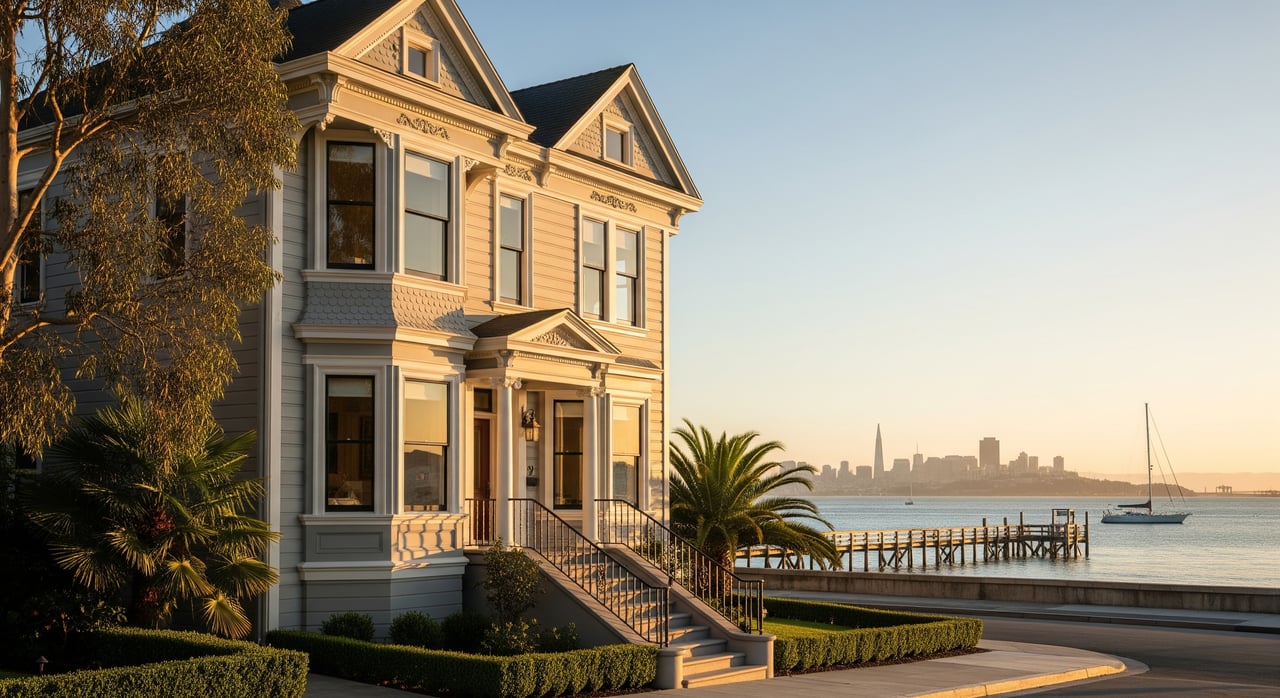
If you have ever stopped mid-block in San Francisco to admire a row of ornate bay windows, painted trim, and steep rooflines, you already know the pull of a classic Victorian. These homes have a distinct presence, but living in one is about more than curb appeal. If you are thinking about buying, owning, or renovating a Victorian in San Francisco, it helps to understand how these homes actually function day to day, what they may require over time, and what makes them so enduring. Let’s dive in.
What Defines a San Francisco Victorian
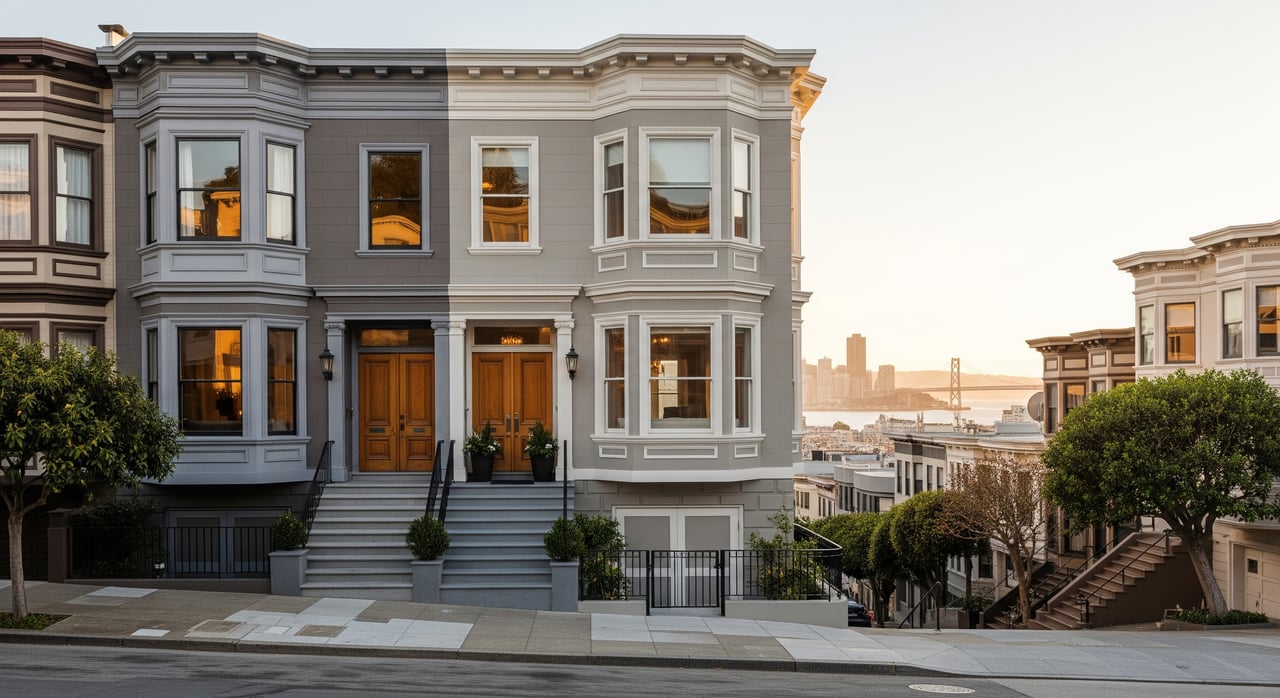
In San Francisco, classic Victorian homes generally refer to buildings from about 1860 to 1900. Local preservation materials describe them as multi-textured, asymmetrical, and ornamented, which helps explain why they feel so visually rich compared with many newer homes.
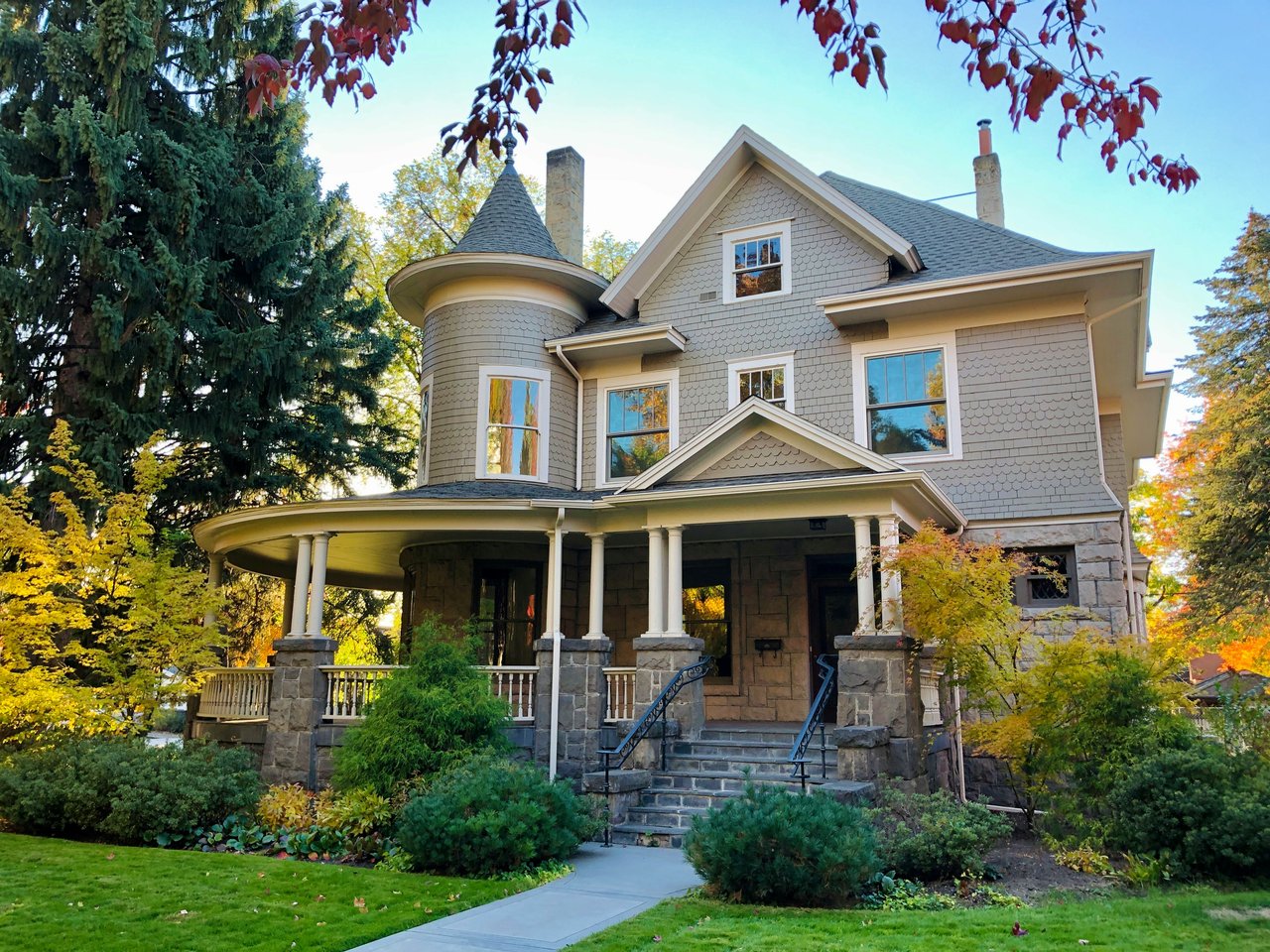
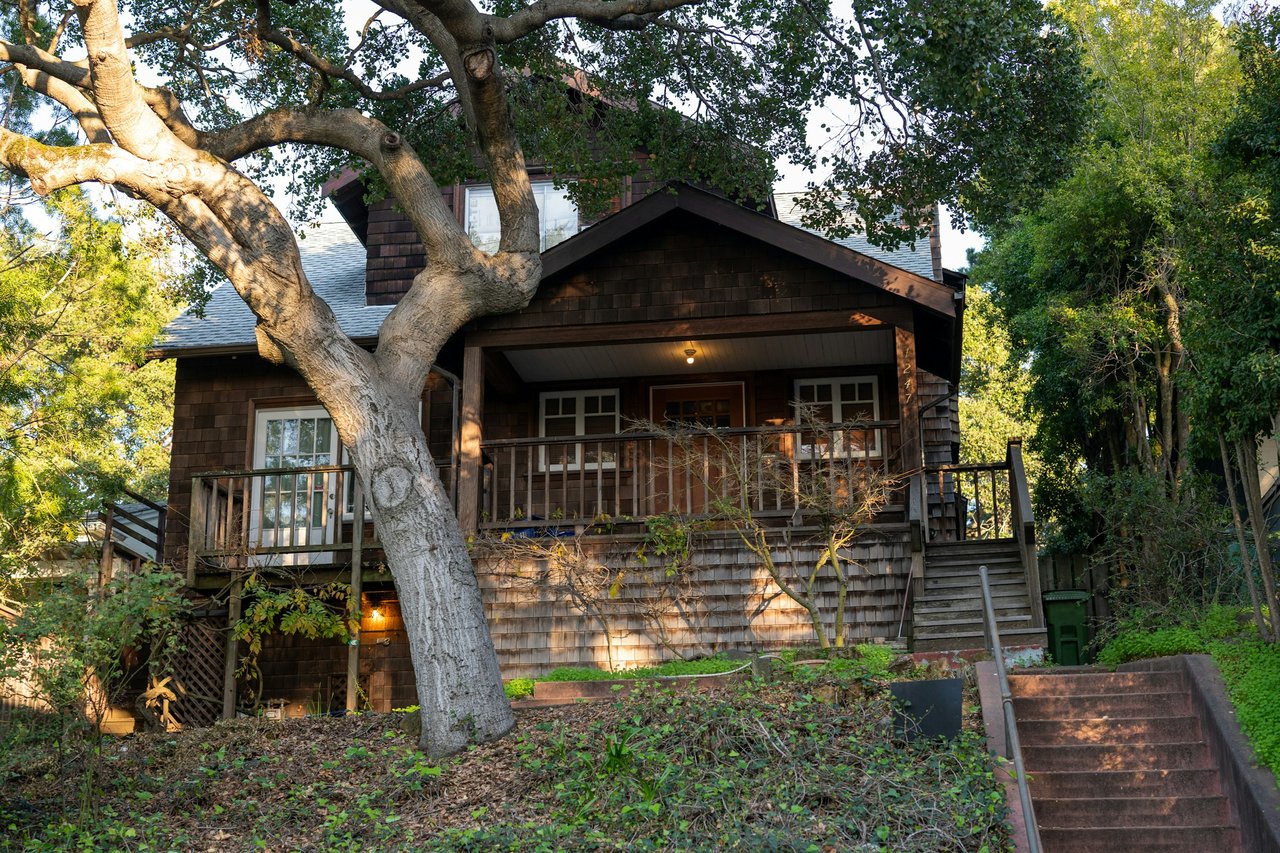
Queen Anne is one of the best-known Victorian expressions in the city. These homes often feature asymmetrical massing, steeply pitched roofs, turrets, spindlework, and varied siding and window treatments. You can often spot them right away because the exterior feels layered and expressive rather than simple or uniform.
You may also hear Edwardian homes mentioned in the same breath. In San Francisco, Edwardian buildings usually date from about 1901 to 1910 and tend to look more restrained and classical. They are also commonly associated with multi-unit flats or apartment buildings, which matters if you are home shopping and trying to understand what type of property you are actually seeing.
Daily Life Inside a Victorian
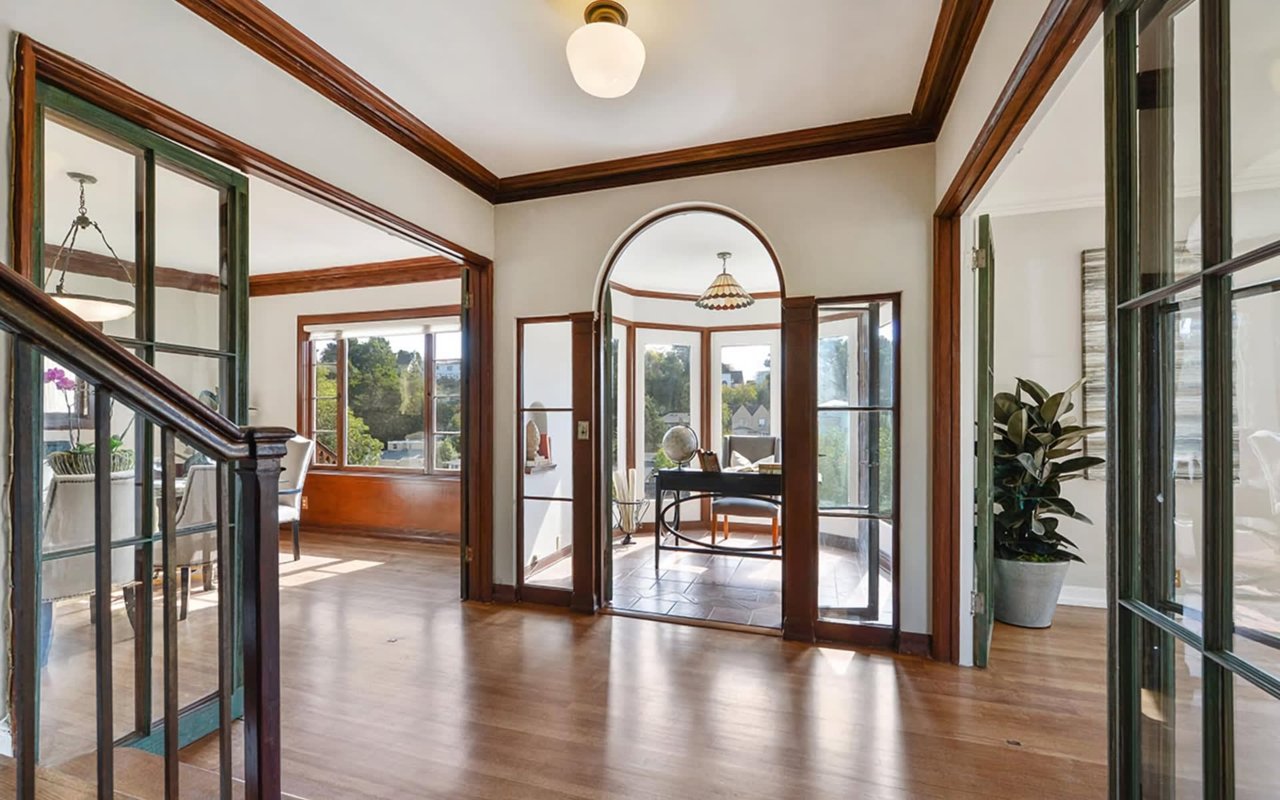
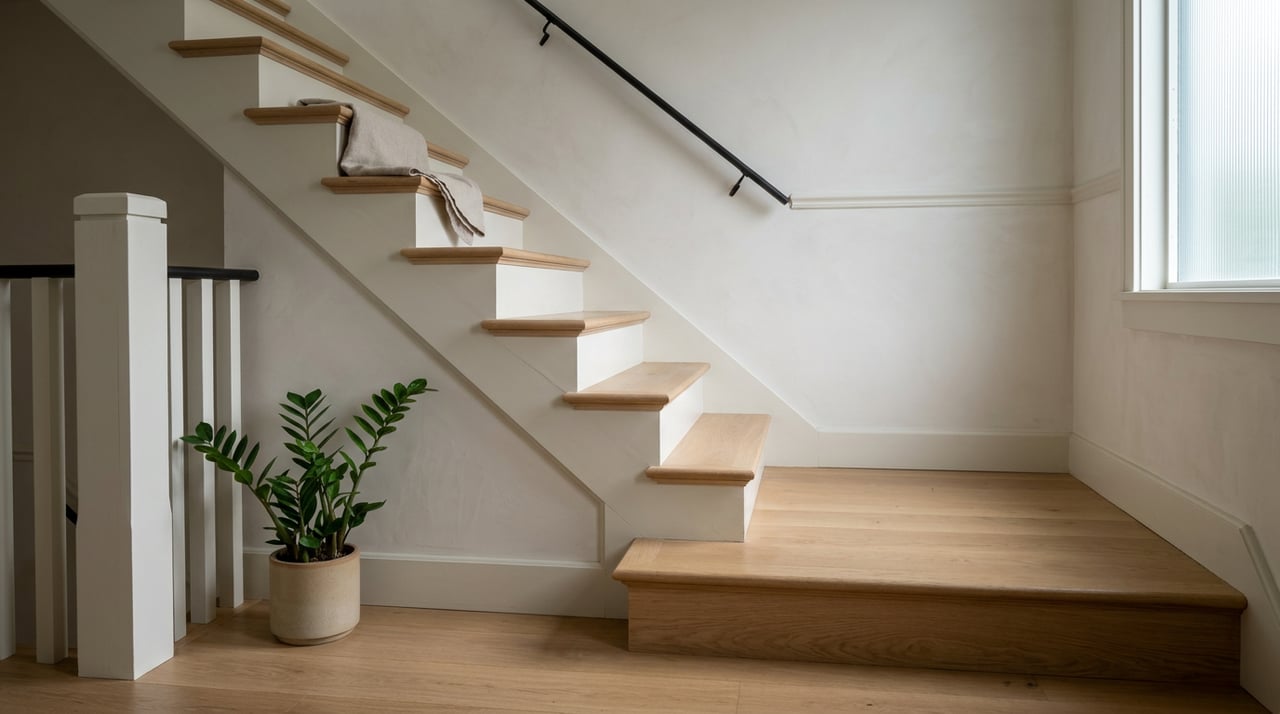
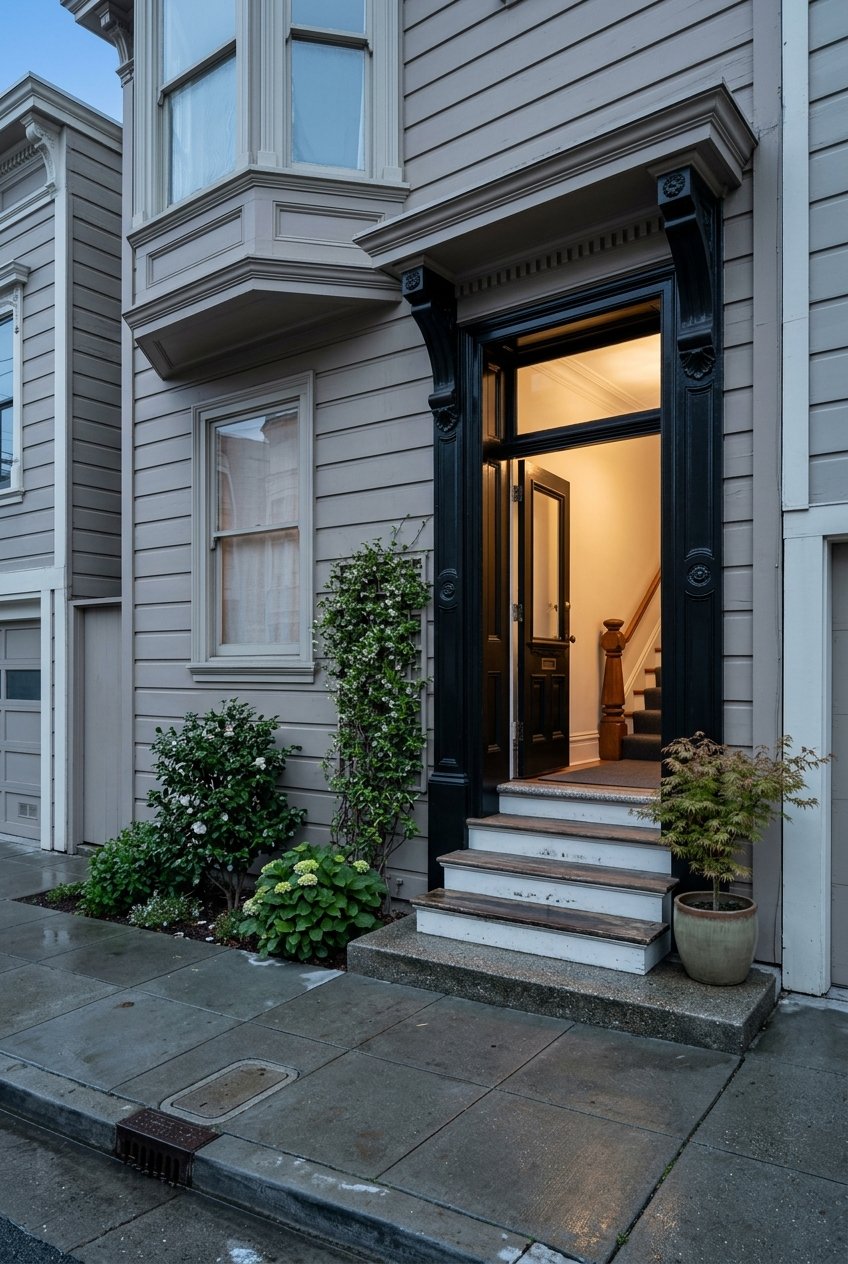
One of the biggest differences between a Victorian and a newer home is how the space is organized. Many Queen Anne floor plans are built around a central family staircase, so daily life often unfolds vertically rather than across one open main level.
That means you may move between floors more often than you would in a contemporary layout. Bedrooms, living spaces, and utility areas can feel more separated, which some owners love for privacy and character, while others find it takes adjustment.
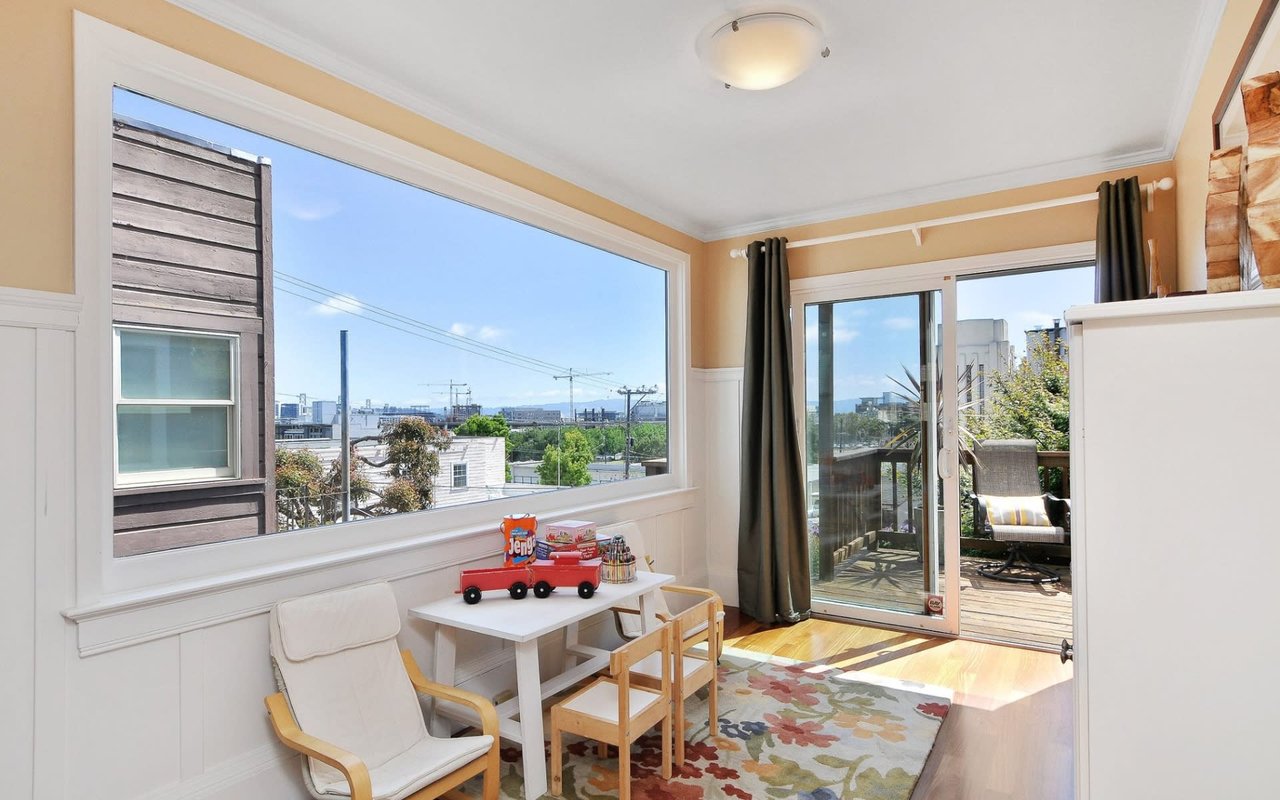
Bay windows are another big part of the experience. Because they project past the wall line, they bring in more light than a flat window, and they often make front rooms feel brighter and more connected to the street.
At the same time, many San Francisco lots are narrow and closely built. That can mean the front rooms feel open and light-filled while interior rooms farther back may feel dimmer. The layout often rewards buyers who pay attention to how light moves through the home at different times of day.
Not Every Victorian Is a House
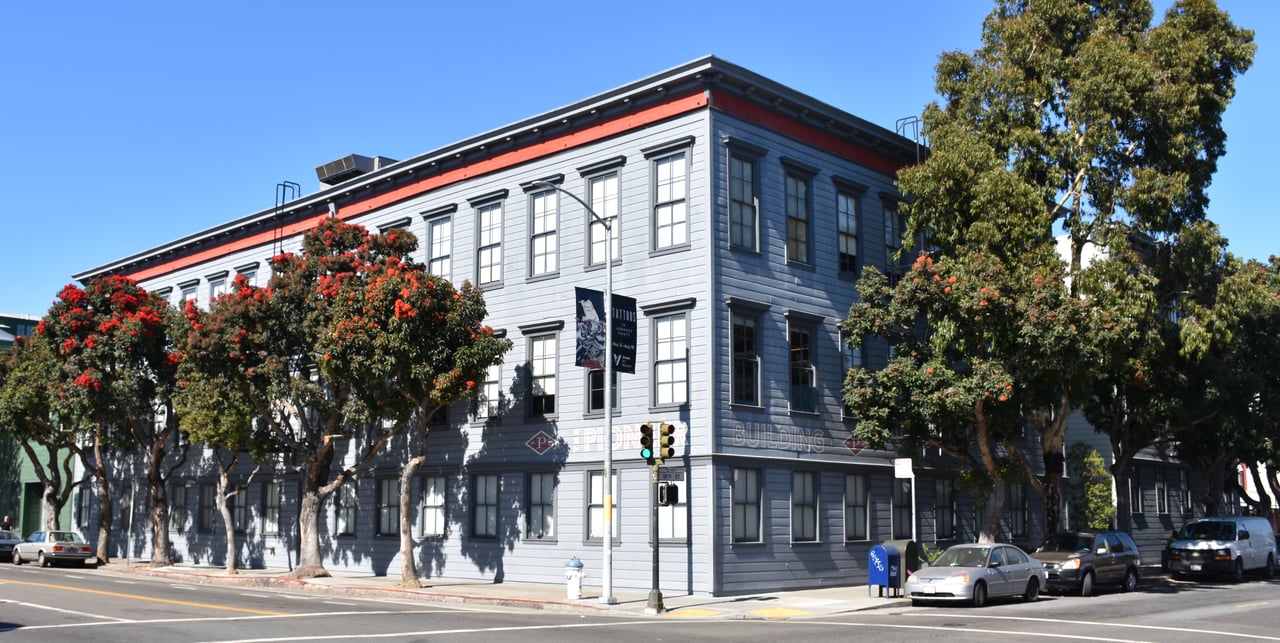
A common misconception is that every San Francisco Victorian is a detached single-family home. In reality, many are flats, condos, apartments, or converted multi-unit buildings.
That is especially important if you are searching in neighborhoods known for classic architecture. Planning materials describe Duboce Triangle as largely made up of two- or three-story flats, while Hayes Valley includes a mix of Victorian and Edwardian houses and flats.
Haight-Ashbury tells a similar story. Much of its residential architecture was built between 1890 and 1910 in the Queen Anne Victorian style, but the housing forms vary. In practical terms, that means the look you love may come in several ownership structures and floor plan types.
Outdoor Space Is Often Limited
Victorian living in San Francisco usually comes with tradeoffs, and outdoor space is one of them. The city’s classic street pattern relies on narrow lots and relatively tight building massing, so private yards are often smaller than buyers expect.
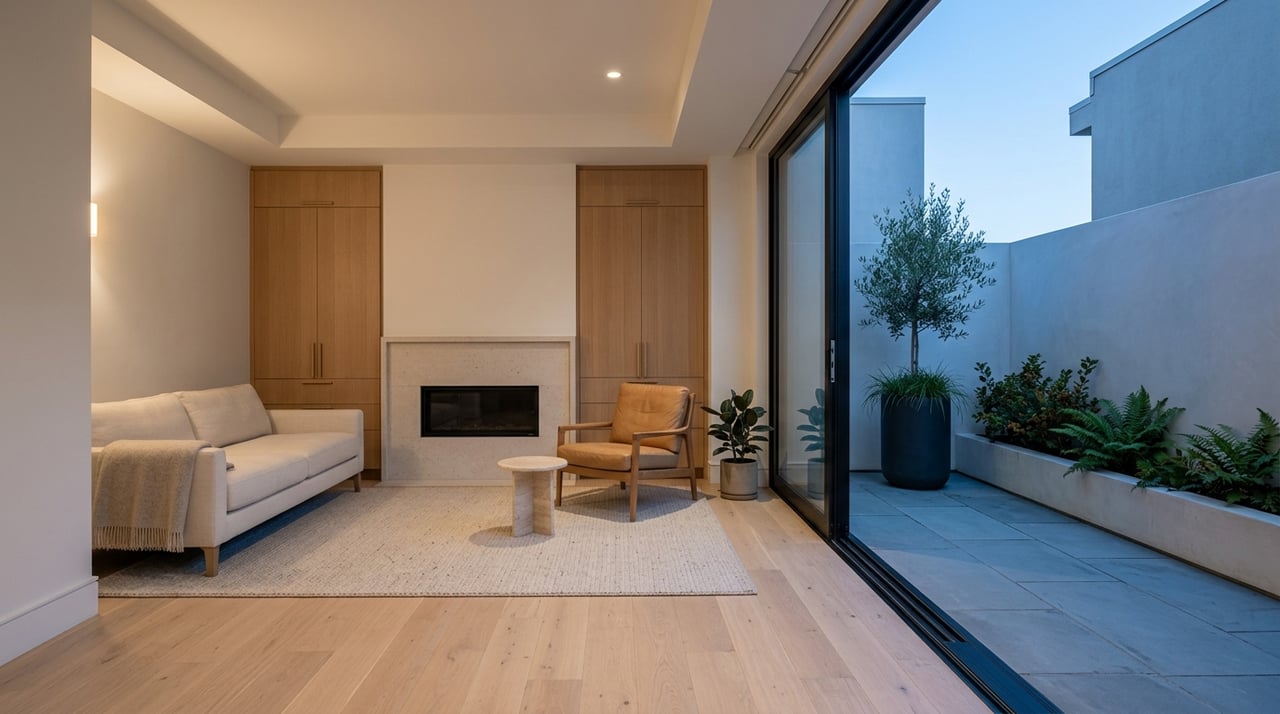
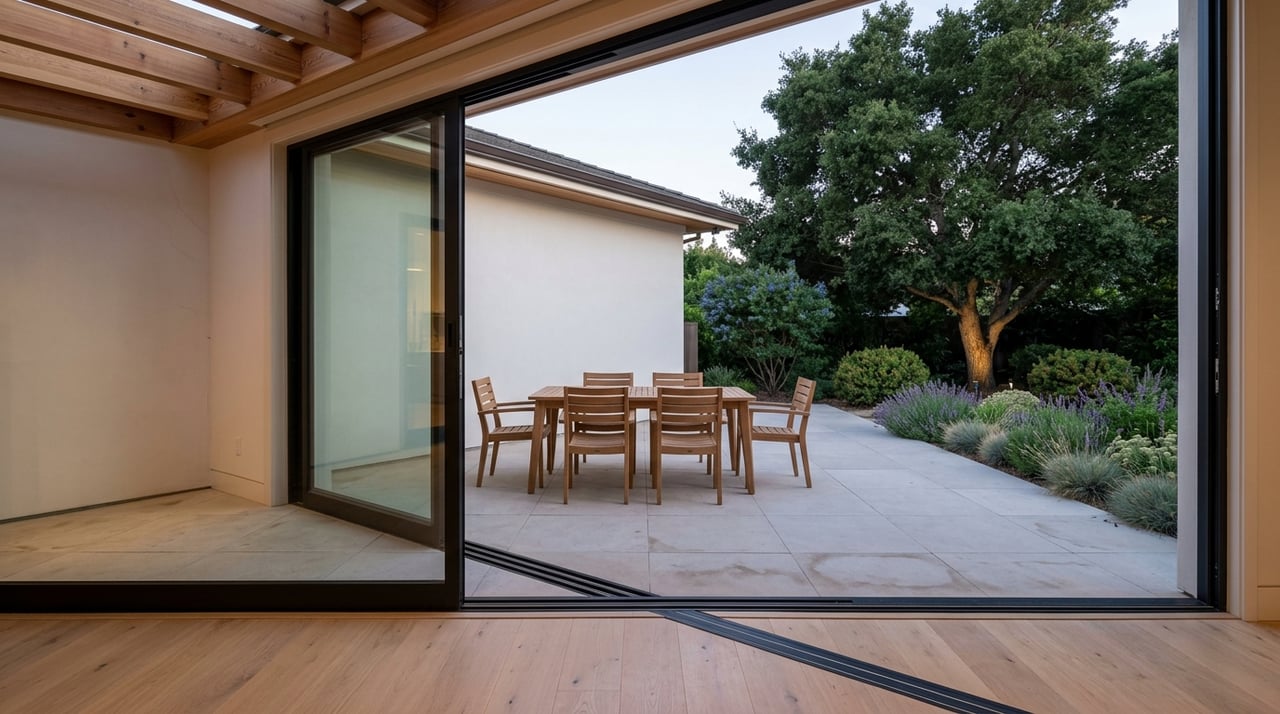
When a home includes a deck, a usable backyard, or even a thoughtfully shared outdoor area, it can feel especially valuable. If outdoor living matters to you, it is worth looking closely at how the space is configured and whether it fits your day-to-day routine.
For some buyers, that may mean prioritizing a modest outdoor area in exchange for location and architectural character. For others, it may mean expanding the search to properties where outdoor space is a stronger part of the offering.
Neighborhoods Where Victorian Character Stands Out
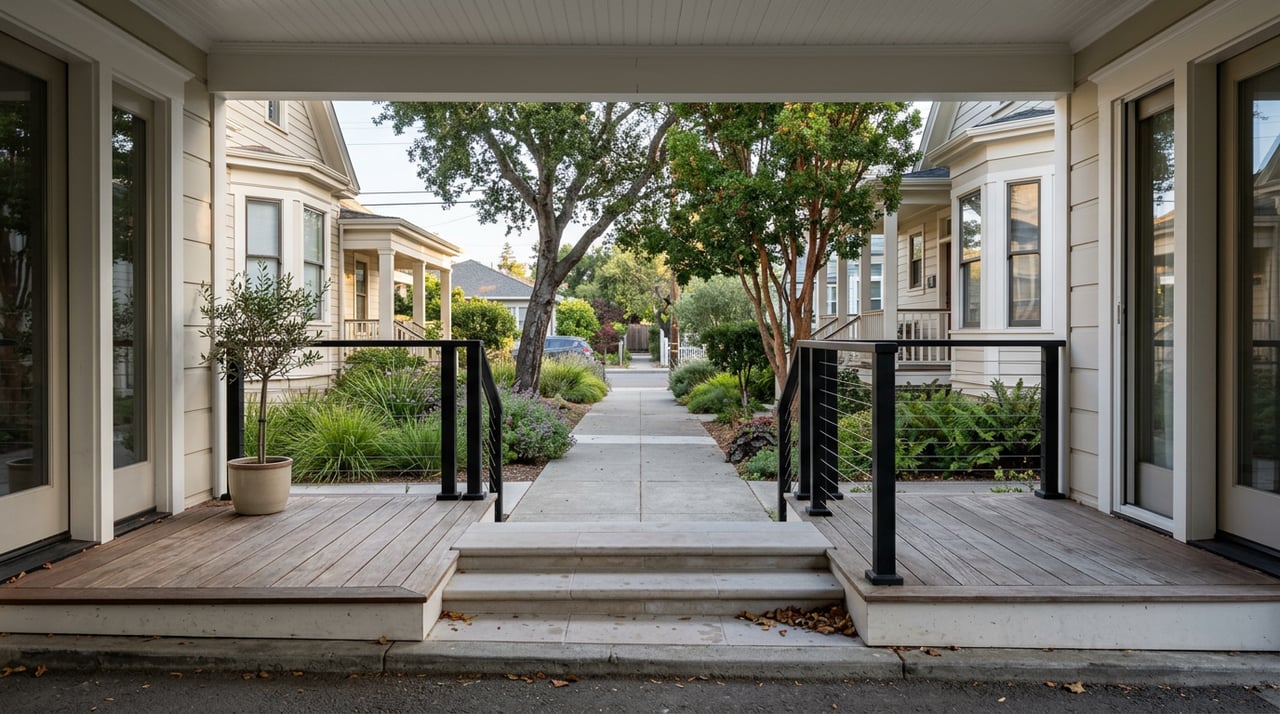
San Francisco’s Victorian appeal is not just about individual homes. In many cases, the magic comes from the streetscape, where rows of period homes create a strong visual rhythm and a sense of architectural continuity.
Alamo Square
Alamo Square is one of the city’s best-known examples of intact historic architecture. SF Planning describes it as one of San Francisco’s main tourist attractions because of its visual quality and preserved building stock.
Hayes Valley
Hayes Valley offers a mix of Victorian and Edwardian houses and flats. If you are drawn to older architecture but want to compare different building types, this neighborhood shows how these eras often overlap in San Francisco.
Duboce Triangle and Duboce Park
Duboce Triangle is known for two- and three-story flats, and Duboce Park shows how these homes often work as an ensemble. SF Planning notes that the Duboce Landmark District includes nearly 90 residential buildings, with most contributing buildings dating from 1899 to about 1905.
That kind of consistency gives the area a strong historic streetscape. For buyers, it is a reminder that the broader block and district setting can shape the living experience just as much as the home itself.
Haight-Ashbury
Haight-Ashbury reflects another chapter in San Francisco’s Victorian story. Much of the neighborhood’s residential architecture was built between 1890 and 1910 in Queen Anne Victorian form, with additional development after the 1906 earthquake and fire.
Maintenance Matters More Than Style Alone
It is easy to focus on trim details, period charm, and curb appeal. But if you are considering a Victorian home, ownership should also be viewed through a practical lens.
Older homes can come with a different maintenance profile than newer construction. That does not make them less desirable, but it does mean buyers benefit from asking more detailed questions about condition, upgrades, and renovation history.
Lead Paint Risks
Lead is a real consideration in older San Francisco housing. According to the EPA, homes built before 1978 are more likely to contain lead-based paint, and 87% of homes built before 1940 have some lead-based paint.
The risk becomes more serious when paint is deteriorating or when renovation work disturbs old painted surfaces. If you are planning to sand, cut, scrape, or repaint in a pre-1978 home, lead-safe practices matter.
Sellers of most pre-1978 housing are generally required to disclose known lead information, provide the lead pamphlet, and give buyers a 10-day window to conduct a paint inspection or risk assessment before signing. For buyers, that makes due diligence especially important.
Seismic Questions
Seismic safety is another major part of owning older property in San Francisco. The city notes that some wood-frame multi-family buildings require upgrades under the mandatory Soft Story program, and there are also permit pathways for voluntary or project-triggered seismic work.
If you are evaluating a Victorian flat, condo, or multi-unit building, a smart question is whether seismic retrofits have already been completed or whether work may still be pending. A beautiful facade does not tell you the full structural story.
Historic Review for Exterior Work
Historic status can shape what you can and cannot do with a property. San Francisco Planning says there are more than 300 designated Article 10 landmarks and more than 1,110 lots within Article 10 Historic Districts.
If a home is an Article 10 Landmark or located within an Article 10 Historic District, exterior alterations generally require a Certificate of Appropriateness. Some landmark properties may also qualify for Mills Act property tax relief, which is worth understanding if you are comparing ownership costs and obligations.
What Buyers Should Look For
When you tour a classic Victorian, it helps to balance emotion with structure. These homes often create an immediate connection, but the smartest purchase decisions come from looking beyond the first impression.
Here are a few practical points to keep in mind:
- Confirm whether the property is a single-family home, condo, TIC, flat, or part of a multi-unit building.
- Ask about any completed or pending seismic retrofit work.
- Review disclosures carefully for known lead-based paint information in pre-1978 homes.
- Check whether the property is a landmark or located within an Article 10 Historic District.
- Pay attention to natural light, stair layout, and how the floor plan works for your routine.
- Look closely at outdoor space, including decks, yards, and shared-use areas.
Why Victorian Homes Still Hold Such Appeal
For many buyers, a San Francisco Victorian offers something hard to replicate. You get architectural detail, a strong sense of place, and a connection to the city’s historic fabric that newer construction often cannot match.
At the same time, the best ownership experiences usually come from going in with clear eyes. When you understand the layout, maintenance needs, historic review rules, and building type, you can decide whether the charm also fits your lifestyle and long-term plans.
If you are weighing a period property in San Francisco or comparing it with East Bay alternatives, working with an advisor who understands architecture, renovation considerations, and long-term property value can make the decision much clearer. For a tailored home strategy, connect with Katie & Mark Lederer.
FAQs
Are all San Francisco Victorian homes single-family houses?
- No. Many San Francisco Victorian properties are flats, condos, apartments, or converted multi-unit buildings.
What is the difference between a San Francisco Victorian and an Edwardian home?
- In San Francisco, Victorian homes generally date from 1860 to 1900 and tend to be more ornate, while Edwardian homes usually date from 1901 to 1910 and often have a more restrained look.
Do San Francisco Victorian homes have lead paint concerns?
- Yes. Homes built before 1978 are more likely to contain lead-based paint, and the risk increases when paint is peeling or renovation work disturbs older surfaces.
Do San Francisco Victorian buildings need seismic upgrades?
- Some wood-frame multi-family buildings do. San Francisco has a mandatory Soft Story program for certain buildings, and buyers should ask whether retrofit work has been completed or is still pending.
Can you remodel a historic Victorian home freely in San Francisco?
- Not always. Exterior changes to Article 10 landmark properties and buildings in Article 10 Historic Districts generally require preservation review and a Certificate of Appropriateness.
Which San Francisco neighborhoods are known for Victorian and Edwardian architecture?
- Alamo Square, Hayes Valley, Duboce Triangle, Duboce Park, and Haight-Ashbury are widely recognized for strong examples of Victorian and Edwardian-era architecture and streetscapes.