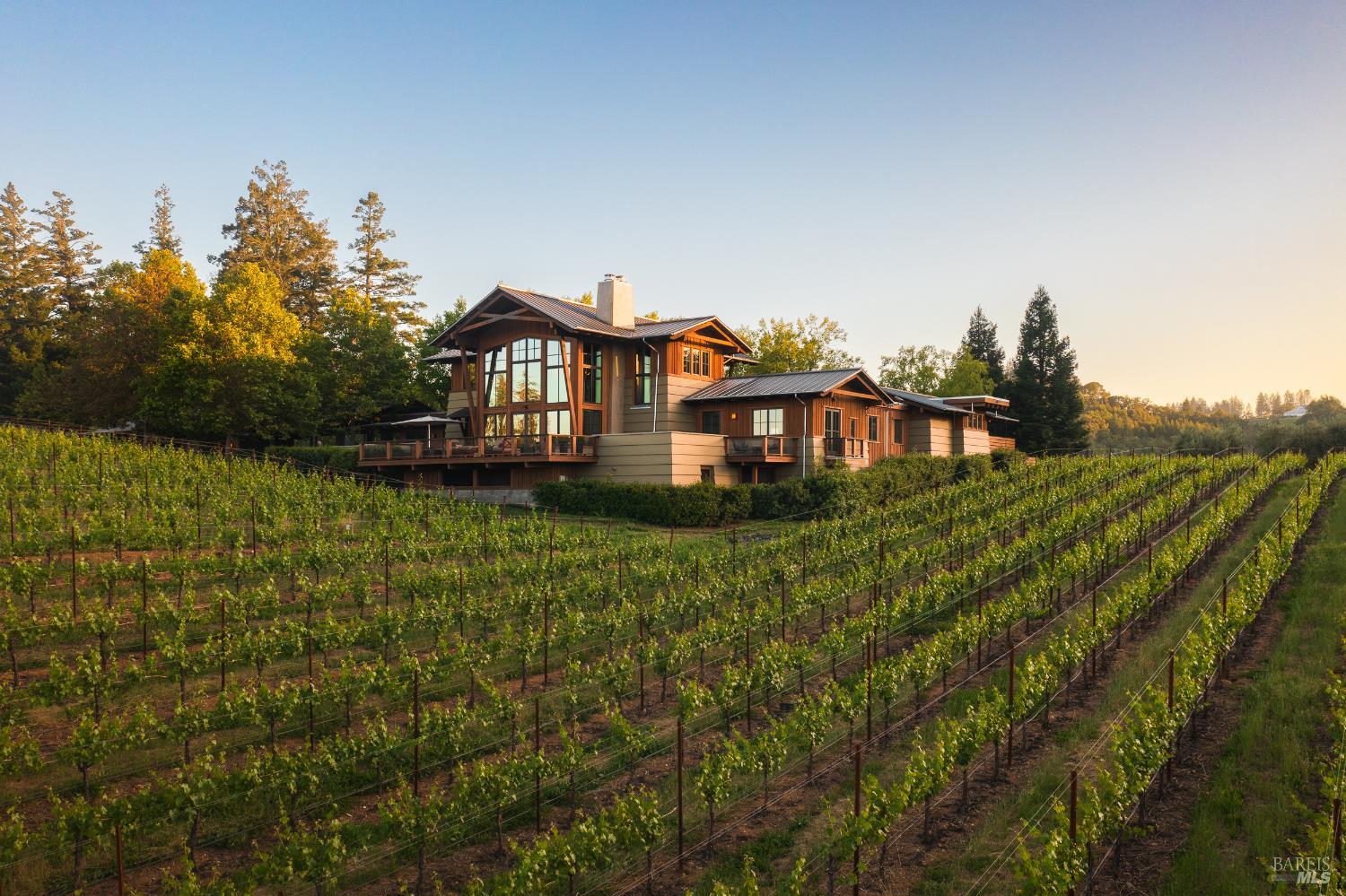
SingleThread
★★★Healdsburg
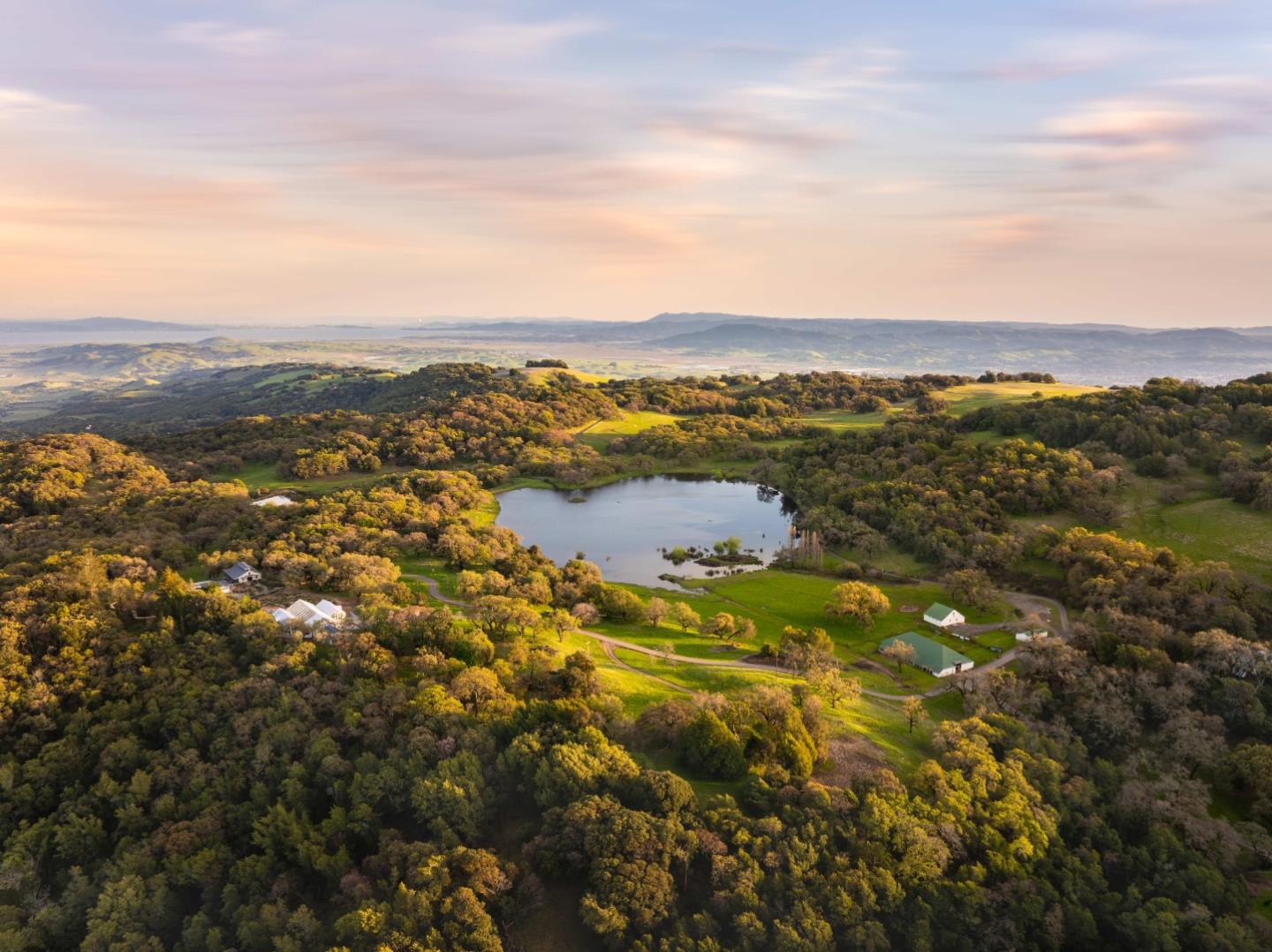
A seasonal menu grown almost entirely on its own farm a few miles away.
Nineteen appellations, nine cities, and fifty miles of Pacific coastline — the largest and most varied county in the Bay Area.
19
Wine Appellations
9
Cities & Towns
4
Michelin-Starred
50+ mi
Coastline
What's an appellation? Officially an AVA — American Viticultural Area — a federally defined growing region with its own soil, elevation, and climate. Sonoma County holds nineteen, running from fog-cooled ridges above the Pacific to the warm inland floor of Alexander Valley.
Sonoma County occupies the northwestern corner of the San Francisco Bay Area and covers more ground — and more kinds of ground — than any of its neighbors. Inland valleys of vineyard and pasture give way to redwood canyons along the Russian River, and then to open Pacific coastline.
You can watch all three meet at Jenner, where the river finally reaches the ocean. Nine cities anchor the county, each with a genuinely different character.
Where people actually live
≈ 179,400
County seat and by far the largest city. Full urban services, hospitals, a SMART station, and the broadest housing stock in the county — starter condos through Fountaingrove estates.
≈ 59,700
Historic riverfront downtown with Victorian and post-war neighborhoods. The strongest Marin and San Francisco commute position in the county, and priced accordingly.
≈ 44,800
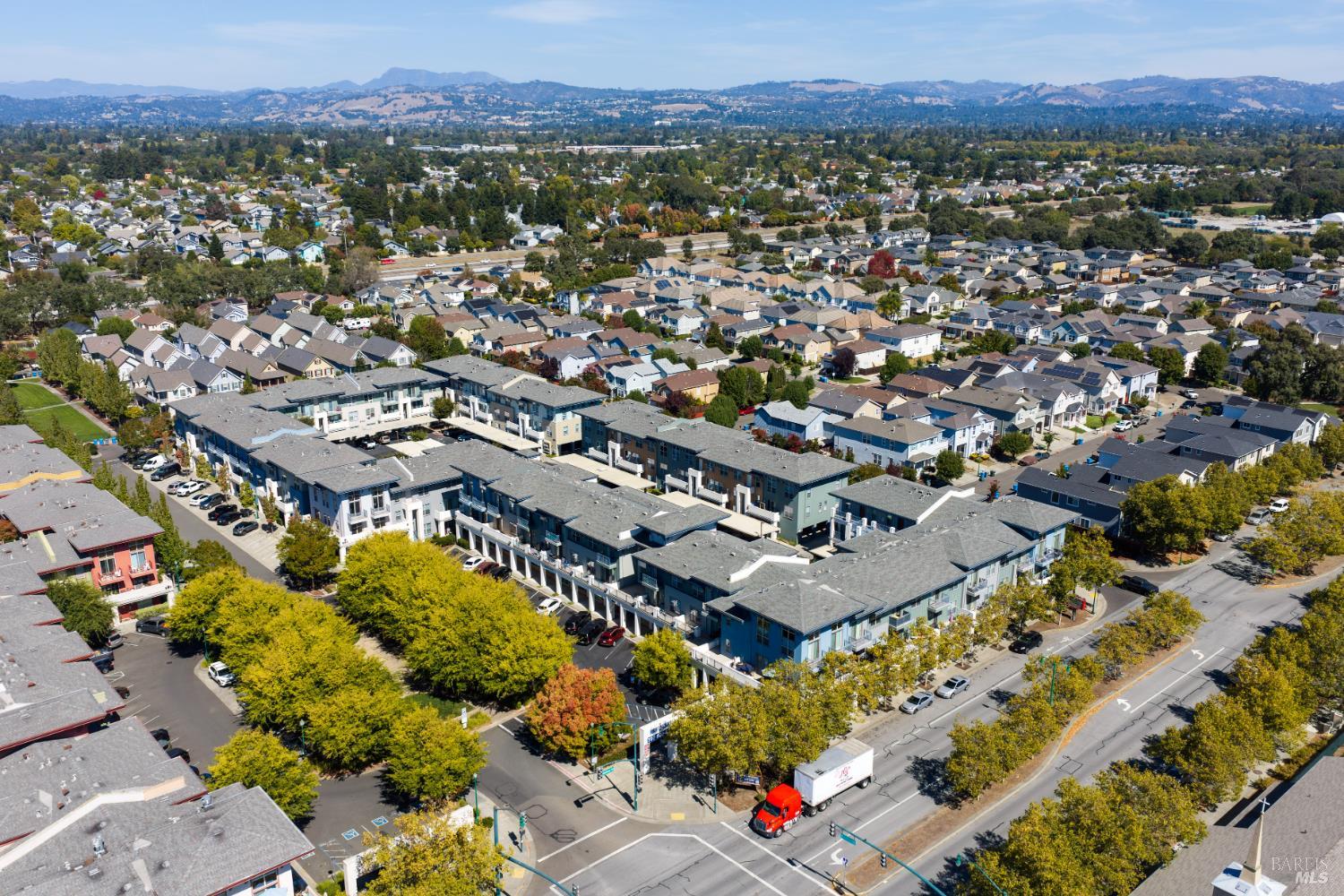
Planned mid-century tracts laid out in lettered sections. Sonoma State University, a SMART station, and the best square-footage-per-dollar in the county.
≈ 25,900
Family-oriented, built around a purpose-made Town Green. Newer subdivisions, well-regarded schools, and the current northern end of SMART service.
≈ 11,200
Luxury wine-tourism town on a plaza, with three AVAs at its edges, resort hotels, and Michelin dining. Among the highest prices in the county and a large second-home share.
≈ 10,500
The historic mission and plaza town anchoring Sonoma Valley. Walkable, tourism-driven, an older demographic, and limited inventory.
≈ 8,700
Northernmost and generally the most affordable city in the county. Small-town and rural in feel, hot summers, and a real commute to Santa Rosa.
≈ 7,500
The west-county hub — apple orchards turned vineyard, a strong arts scene, larger lots, older housing stock, and the shortest drive to the coast.
≈ 7,300
Very small and walkable, built around an unusual hexagonal plaza. College-adjacent, with a SMART station and modest prices.
Coast & river
Guerneville, Occidental, Bodega Bay, Jenner, Glen Ellen, Geyserville. Where the redwoods, the river towns, and the coastline actually are.
Population figures are U.S. Census Bureau estimates for July 2025.
Sonoma grows more than wine. Dairies in the Petaluma hills, apple orchards around Sebastopol, sheep on the coastal grasslands, and crab boats working out of Bodega Bay.
That is a large part of why the restaurants are as good as they are. Most of what reaches the plate was grown, raised, or landed inside the county line.
Six defining rooms
Healdsburg
A seasonal menu grown almost entirely on its own farm a few miles away.
Sonoma
Contemporary tasting menu just off the plaza — three stars and a green star.
Geyserville
A multi-room dining journey with a wine pairing at every stop.
Sonoma Plaza
French country cooking and a Rhône-focused list — the county's most reliable table.
Petaluma
Scandinavian and Middle Eastern street food, at a level the price doesn't suggest.
Bodega Bay
Crab sandwiches and chowder off the working docks. A picnic table and a paper tray.
Life here runs on the growing season rather than the work week. Pruning in January, mustard through February, bud break in March, harvest from September into October, and a long quiet once the last fruit is in.
Here is what a year actually looks like — on the coast, on the river, and in the vineyards.
Sonoma County — coast, river, and vineyard
January
Pruning · bare rows
February
Canyons at their greenest
March
Bud break begins
April
Canopy forming
May
Bloom
June
Fruit set
July
Veraison begins
August
Harvest opens
September
Peak harvest
October
Crush
November
Leaf fall
December
Dormancy
Drag the slider below to move through the year
The wineries are why most people visit. The coastline is why they stay — fifty-plus miles of it, plus redwood canyons, the Russian River, and a working fishing harbor at Bodega Bay.
Almost all of it is public land, and almost all of it is a short drive from a tasting room.
800-year-old coast redwoods near Guerneville, a short drive from the vineyards.
Miles of bluffs and beaches, with Bodega Bay still a working fishing harbor.
The Peanuts creator lived and worked in Santa Rosa for three decades.
A 400-acre wildlife preserve in the hills, with open-vehicle tours and tent cabins.
Twelve acres of makers, distillers, and restaurants on a former apple cannery site.
World-class performers in Weill Hall, and outdoors on the lawn all summer.
Private
Districting matters here. Public schools are assigned by city and often by individual neighborhood. Tell us which district you need and we'll identify properties inside its boundaries before you tour anything.
485,642 people live in Sonoma, where the median age is 42.7 and the average individual income is $54,941. Data provided by the U.S. Census Bureau.
Total Population
Median Age
Population Density Population Density This is the number of people per square mile in a neighborhood.
Average individual Income
Sonoma has 190,498 households, with an average household size of 2.5. Data provided by the U.S. Census Bureau. Here’s what the people living in Sonoma do for work — and how long it takes them to get there. Data provided by the U.S. Census Bureau. 485,642 people call Sonoma home. The population density is 308 and the largest age group is Data provided by the U.S. Census Bureau.
Total Population
Population Density Population Density This is the number of people per square mile in a neighborhood.
Median Age
Men vs Women
Population by Age Group
0-9 Years
10-17 Years
18-24 Years
25-64 Years
65-74 Years
75+ Years
Education Level
Total Households
Average Household Size
Average individual Income
Households with Children
With Children:
Without Children:
Marital Status
Blue vs White Collar Workers
Blue Collar:
White Collar: