Yountville
Three Michelin stars and a green star, and still one of the hardest reservations in the country.
One of the world's most important wine regions — thirty miles of valley floor, sixteen appellations, five small towns.
16
Wine Appellations
5
Towns & Cities
5
Michelin-Starred
30 mi
Valley Floor
What's an appellation? Officially an AVA — American Viticultural Area — a federally defined growing region with its own soil, elevation, and climate. Napa Valley holds sixteen of them, which is why a Cabernet grown in Rutherford tastes unlike one grown four miles away in Oakville.
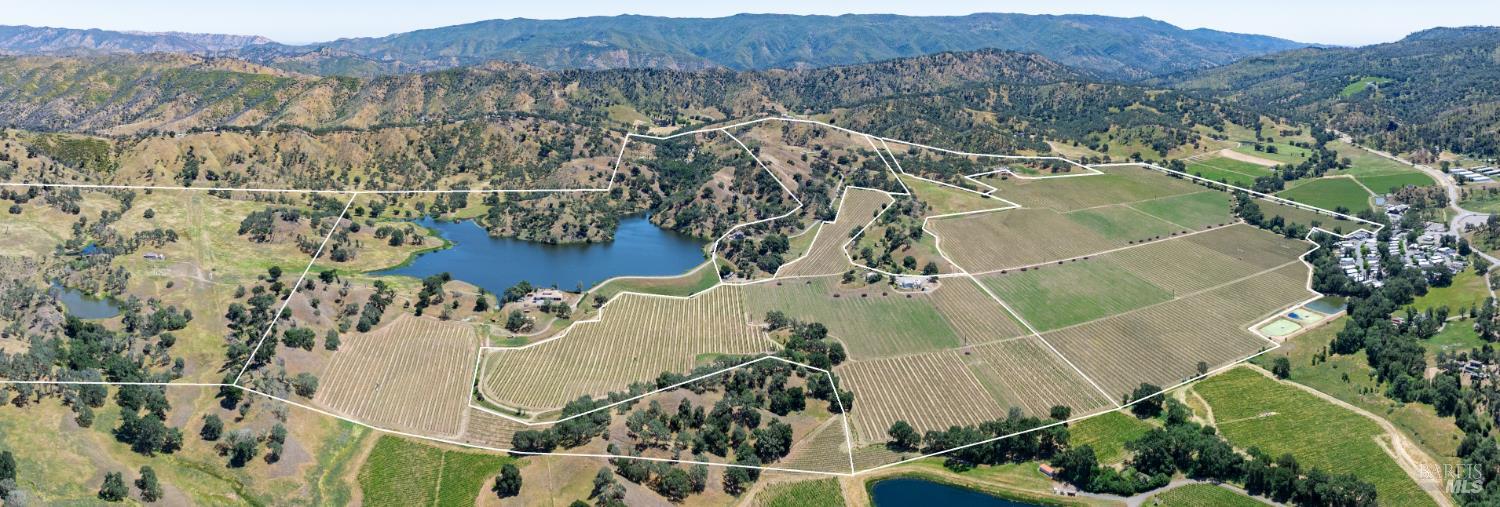
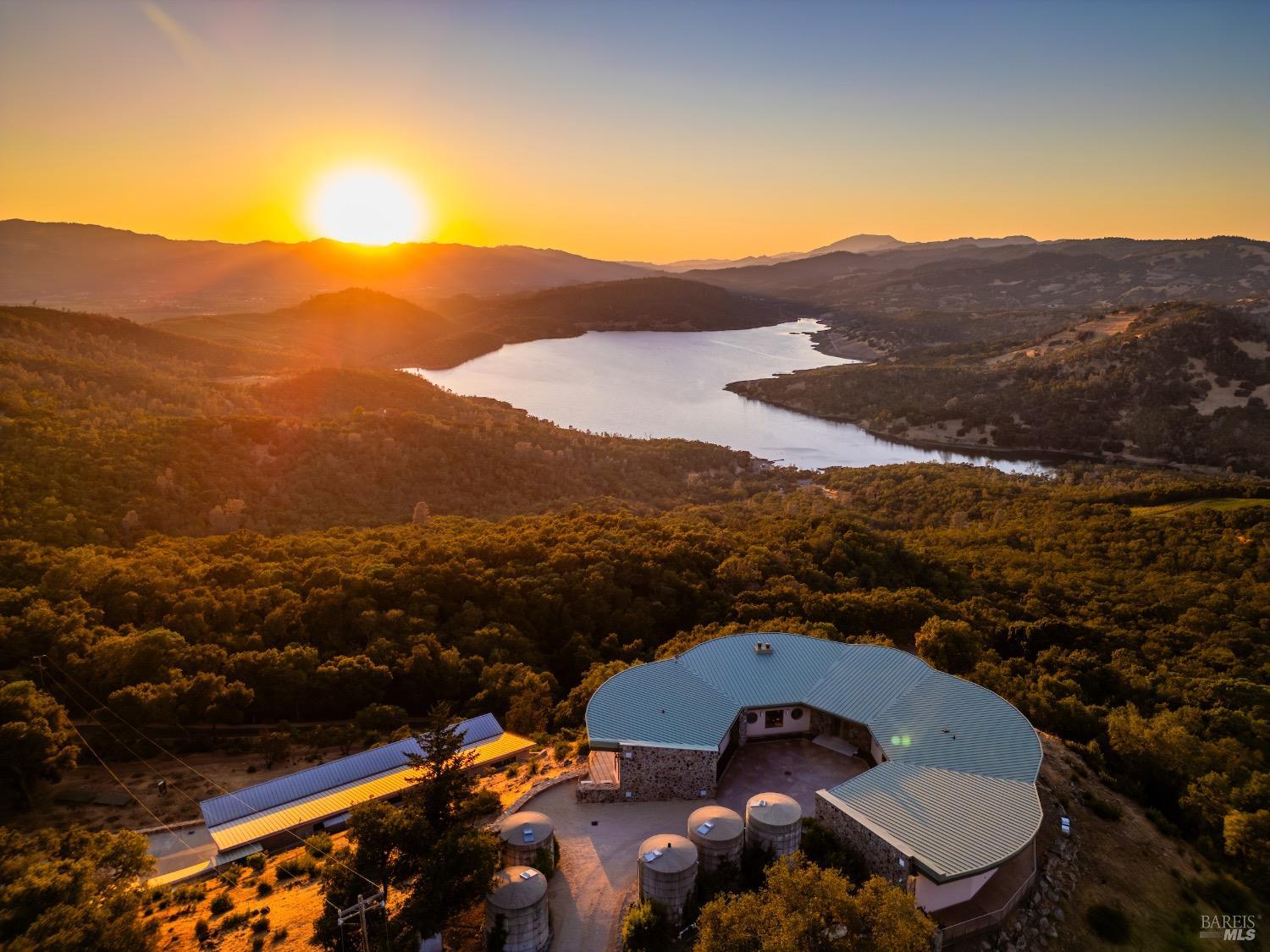
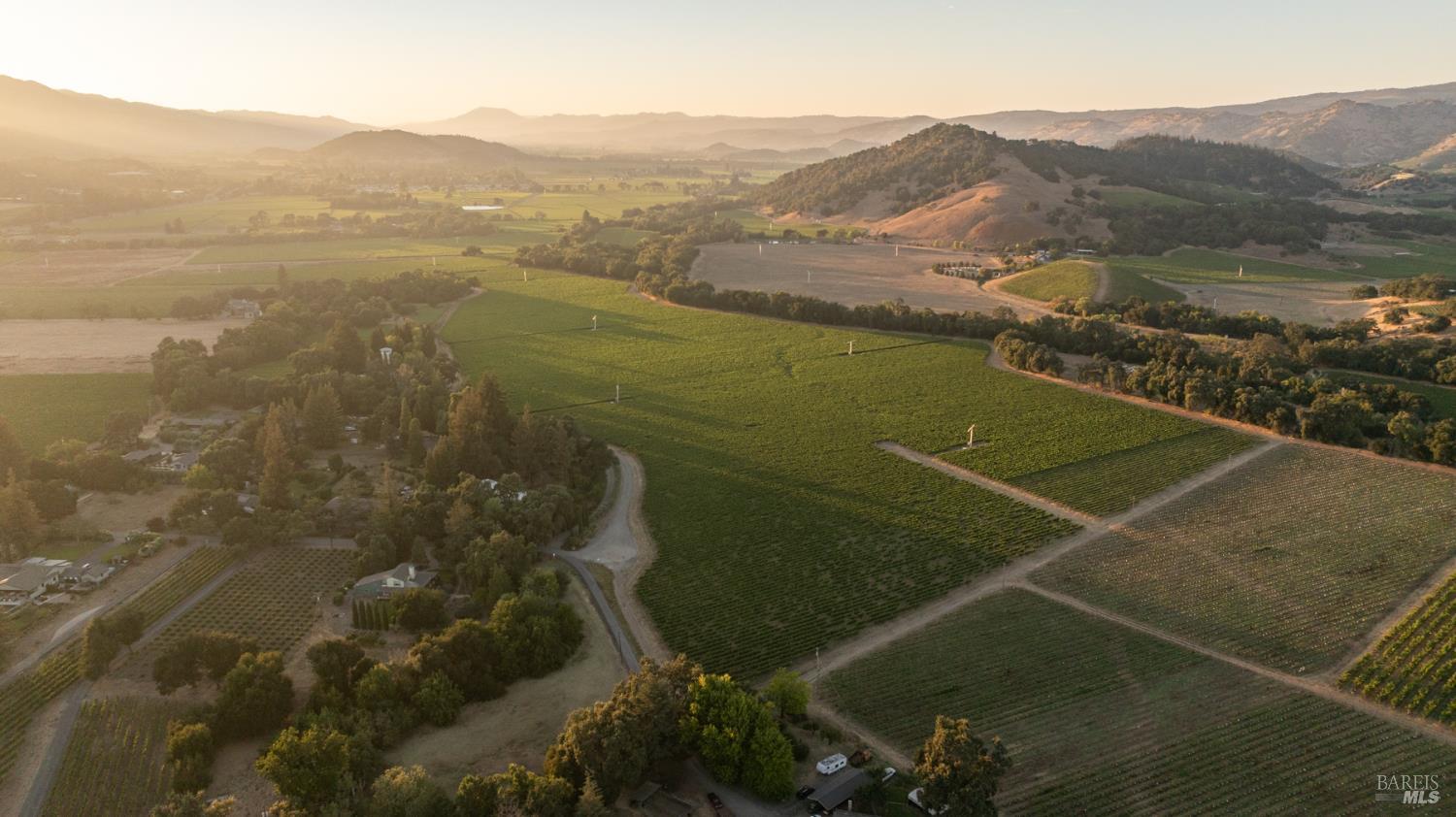
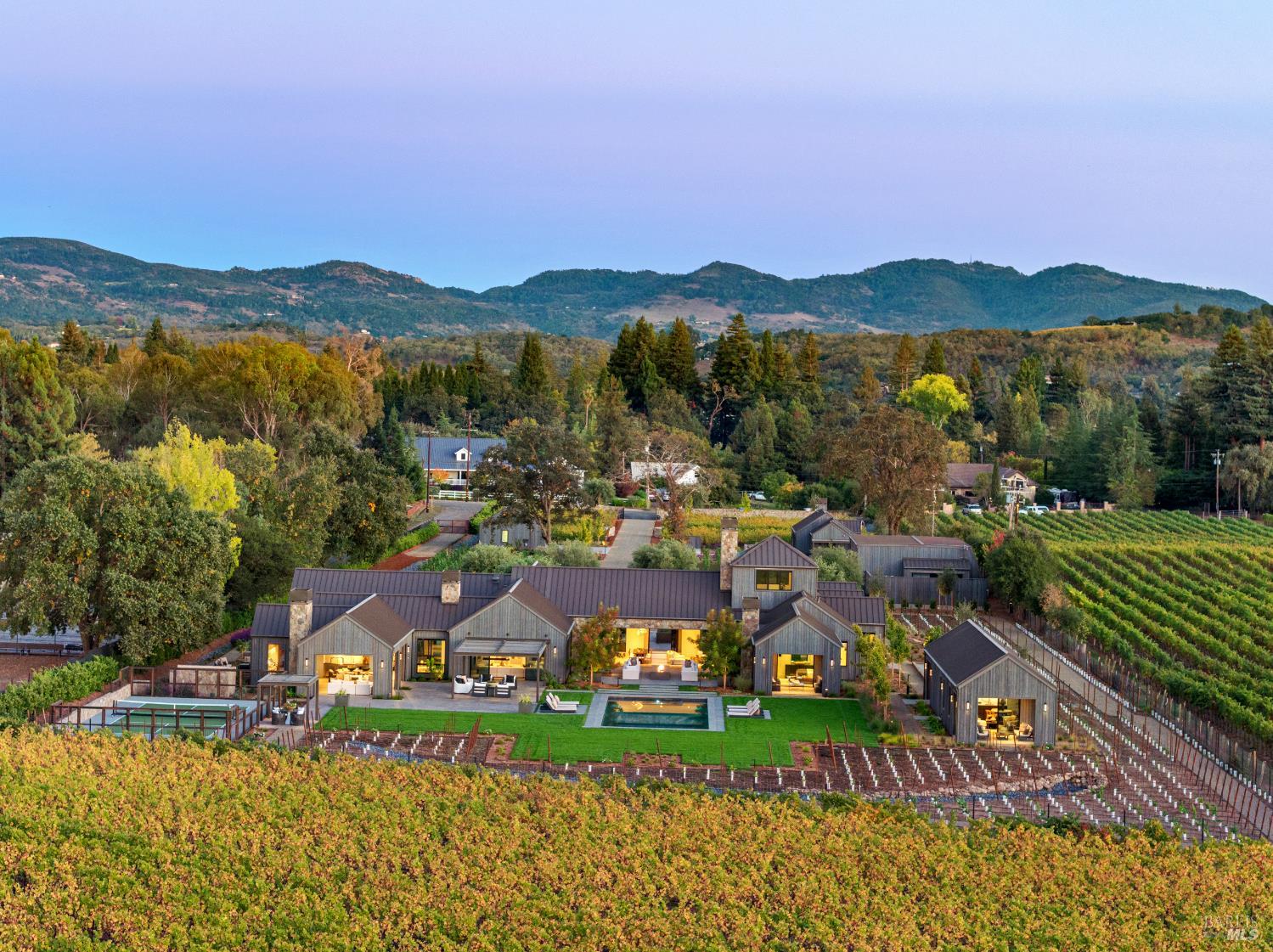
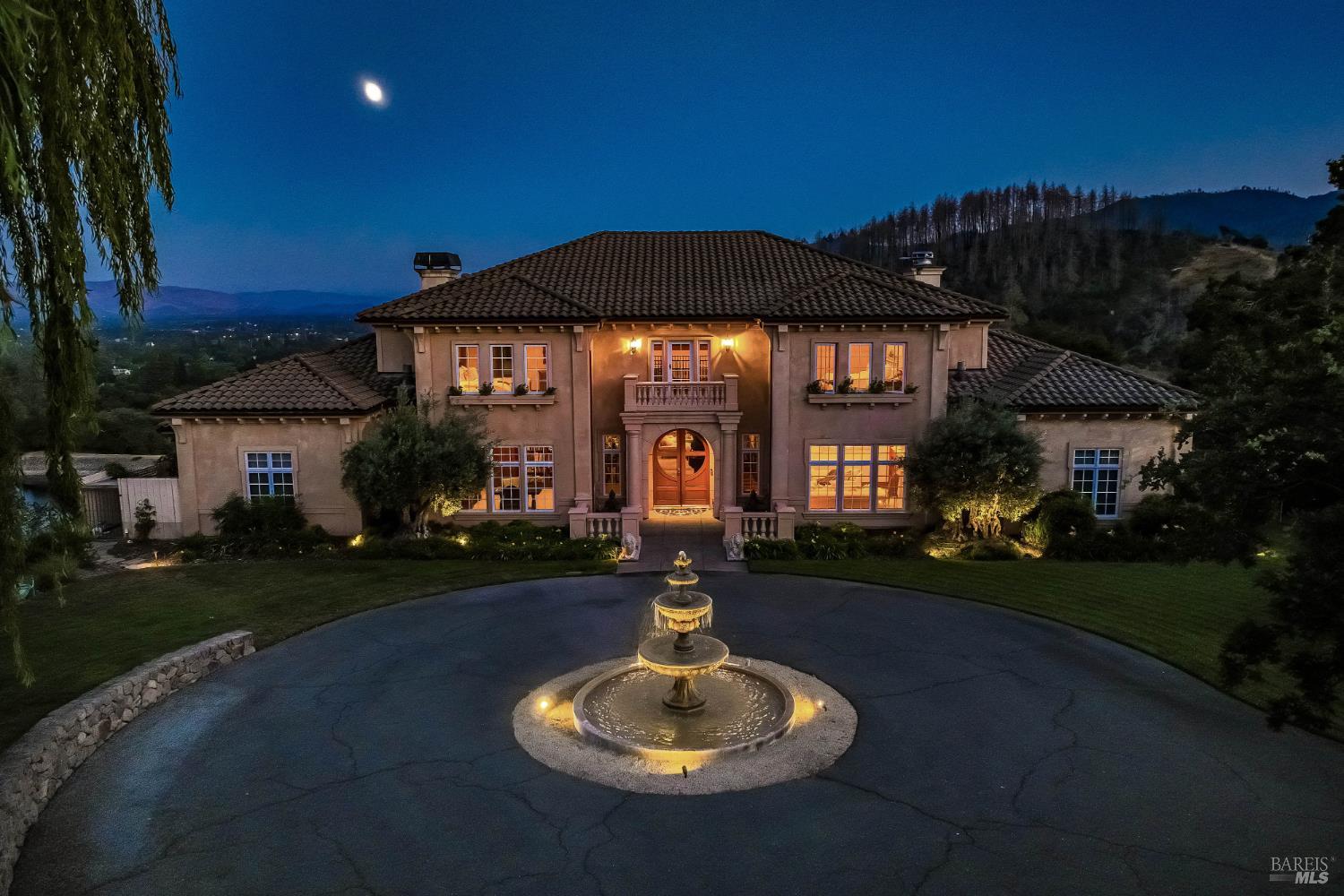
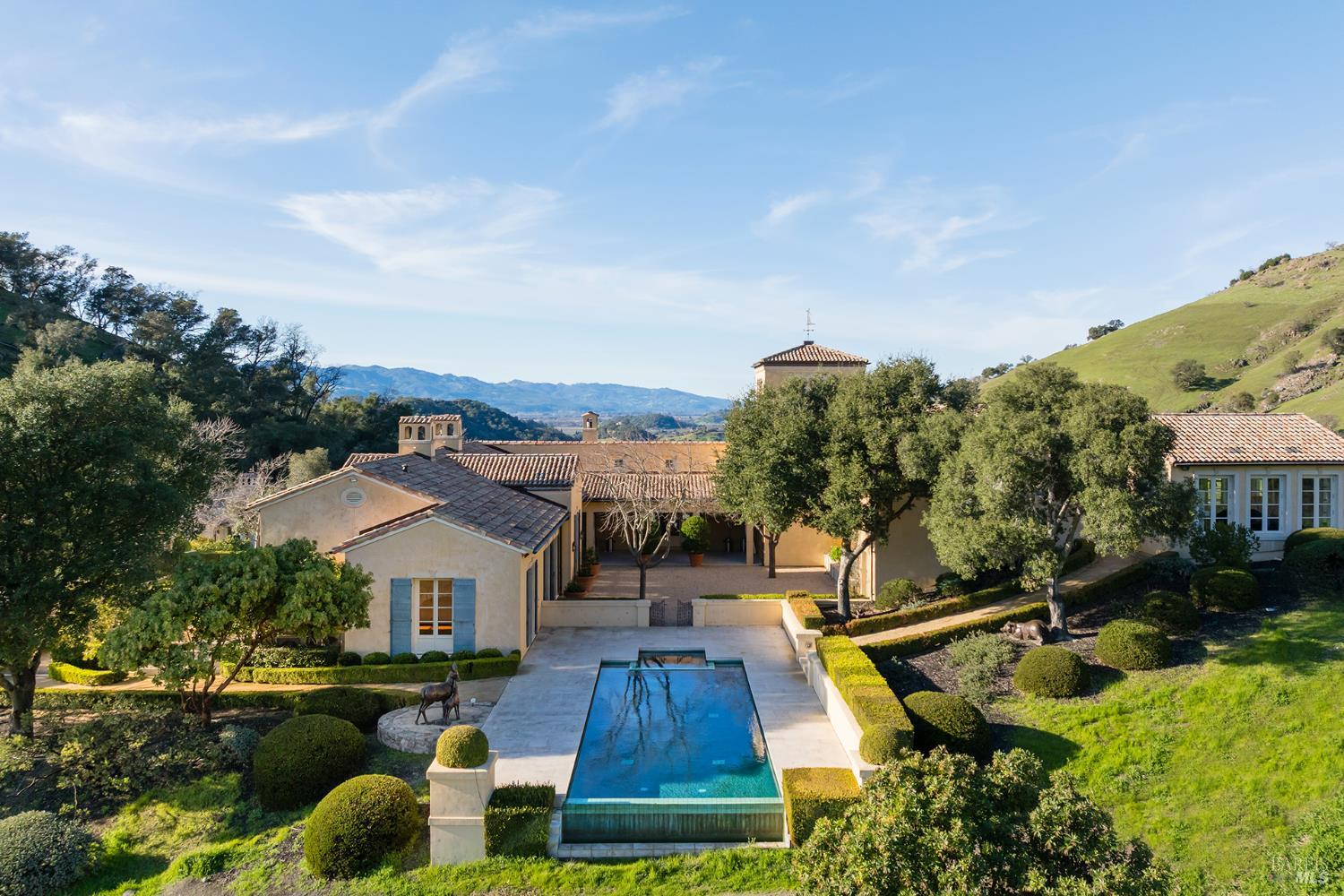
Napa County sits at the northern edge of the San Francisco Bay Area, where a narrow valley floor rises into oak-covered hills on both sides. Vineyards run from American Canyon in the south to Calistoga at the northern tip, divided into sixteen appellations that each produce a distinctly different wine.
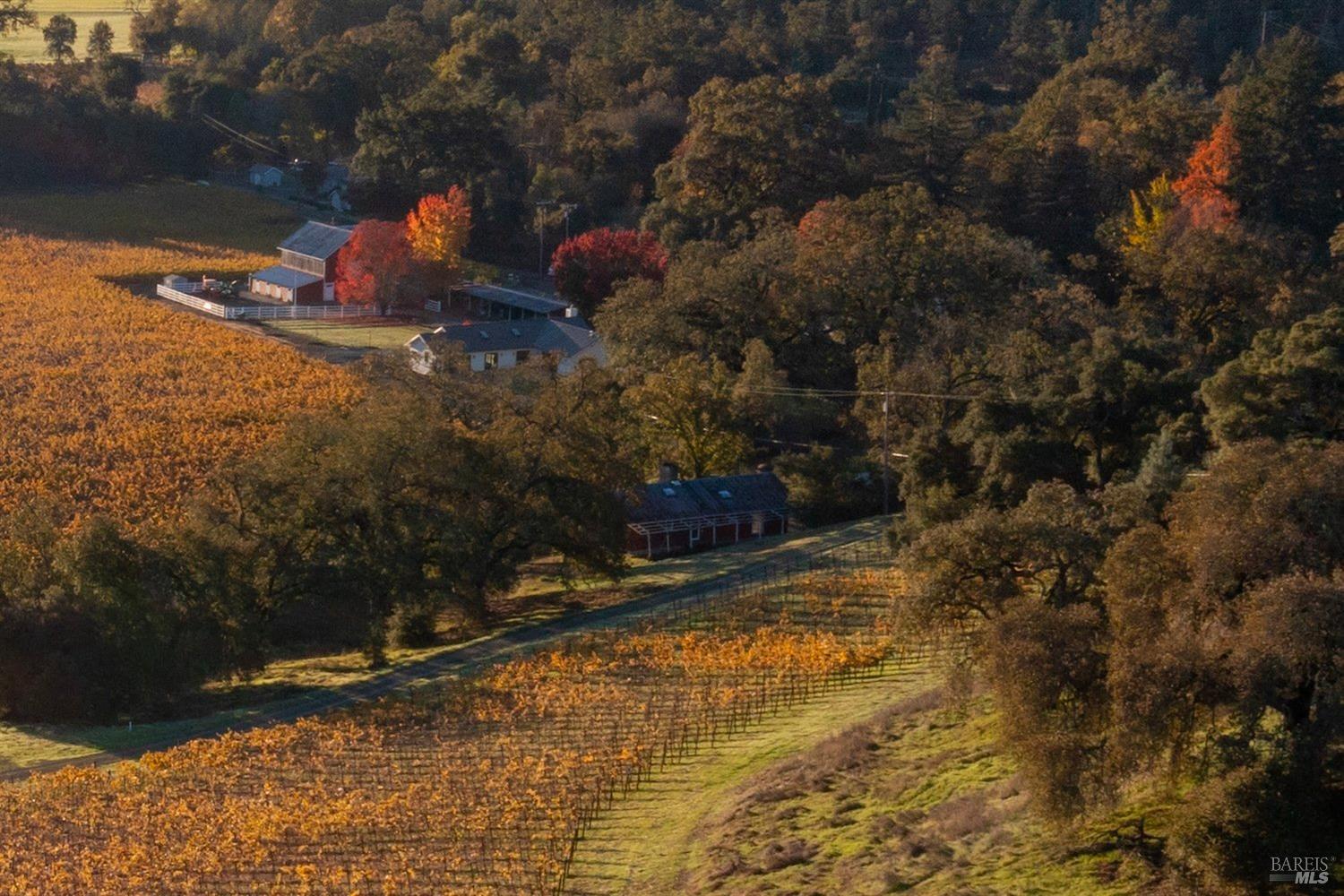
Growth has been deliberately limited for decades, which is why the valley still reads as farmland rather than suburb. A world-class restaurant sits across the road from a working vineyard, and the architecture ranges from stone cellars built in the 1880s to glass-and-steel tasting rooms by name architects.
Where people actually live
≈ 77,800
The county's only real city and its job center. A walkable riverfront downtown, full retail and services, and the widest price range in the valley — effectively the only meaningful supply of entry- and mid-market homes.
≈ 22,600
The affordable, suburban south end. Newer subdivisions, easy I-80 and Vallejo access, and a commuter orientation rather than a wine-country one. The value play in the county.
≈ 5,300
The valley's prestige small town. Historic Main Street retail, top-rated schools, strict growth limits, and consistently the highest home prices in Napa County.
≈ 5,300
The geothermal spa town at the northern tip. More casual and more attainable than St. Helena, with small-town services and a genuine year-round community.
≈ 2,600
Tiny, dense, and very high-end. The French Laundry and Bouchon are here. Heavily hotel- and tourism-oriented, with a large retiree share and famously thin for-sale inventory.
Unincorporated
Not towns so much as two of the most valuable appellations on earth. A general store, a post office, and estate vineyard property — almost no conventional housing stock.
Population figures are California Department of Finance estimates for January 2026. Rutherford and Oakville are unincorporated and too small for annual estimates.
Thirty-eight thousand people live on the valley floor, and they support five Michelin-starred restaurants, a culinary institute, two weekly farmers markets, and a bakery counter in nearly every town.
It is the densest concentration of serious cooking in the country outside a major city — and most of it sources from growers within a few miles of the table.
Nine that define the valley
Yountville
Three Michelin stars and a green star, and still one of the hardest reservations in the country.
Rutherford
Wagyu, local lamb, and Maine lobster from a hillside terrace. Starred eighteen years running.
Downtown Napa
A kaiseki tasting menu and Edomae sushi on Pearl Street, poured alongside Kenzo Estate wines. Starred every year since 2017.
St. Helena
Christopher Kostow cooking over open flame — family-style plates from the restaurant's own 3.5-acre farm.
St. Helena
American farmhouse cooking in a converted barn, using grass-fed beef, produce, and olive oil from Long Meadow Ranch itself.
Yountville
Keller's zinc-bar bistro since 1998 — steak frites, roast chicken, and a raw bar. The bakery next door is worth the line.
Highway 29
The valley's unofficial clubhouse. Serious food, no ceremony, a list built for people in the trade.
Oxbow, Napa
Shucking oysters the company farms itself in Tomales Bay, on the river waterfront.
St. Helena & Napa
The definitive wine-country burger and shake, at a picnic table on Highway 29.
Life here runs on the growing season rather than the work week. Pruning in January, mustard in February, bud break in March, harvest from August through October, and a long quiet after the last fruit comes in.
Here is what a year actually looks like — what is happening in the vineyards, and what is happening in town.
Napa County, month by month
January
Pruning · bare rows
February
Dormant · cover crop in
March
Bud break begins
April
Canopy forming
May
Bloom
June
Fruit set
July
Veraison begins
August
Harvest opens
September
Peak harvest
October
Crush
November
Leaf fall
December
Dormancy
Drag the slider below to move through the year
The wineries are the reason most people come, but they are not what makes the valley livable. A culinary campus on the river, a public market, free summer concerts in four towns, and a restored Pullman train that runs the length of the valley floor.
Most of it is here year-round, and most of it is used by the people who live here.
The Culinary Institute's food-and-wine campus on the river — classes, tastings, marketplace.
Cheesemongers, butchers, bakers, and counters under one roof near downtown.
Restored Pullman cars up the valley floor, for anyone who'd rather not drive.
Saturdays year-round on West Street; Tuesdays spring through December.
Outdoor jazz, soul, and R&B at the Meritage, May into October.
Visit Napa Valley keeps the running list of everything above, with current dates.
Private
Districting matters here. Public schools are assigned by city and often by individual neighborhood. Tell us which district you need and we'll identify properties inside its boundaries before you tour anything.
136,070 people live in Napa, where the median age is 42.8 and the average individual income is $57,795. Data provided by the U.S. Census Bureau.
Total Population
Median Age
Population Density Population Density This is the number of people per square mile in a neighborhood.
Average individual Income
Napa has 49,663 households, with an average household size of 2.66. Data provided by the U.S. Census Bureau. Here’s what the people living in Napa do for work — and how long it takes them to get there. Data provided by the U.S. Census Bureau. 136,070 people call Napa home. The population density is 182 and the largest age group is Data provided by the U.S. Census Bureau.
Total Population
Population Density Population Density This is the number of people per square mile in a neighborhood.
Median Age
Men vs Women
Population by Age Group
0-9 Years
10-17 Years
18-24 Years
25-64 Years
65-74 Years
75+ Years
Education Level
Total Households
Average Household Size
Average individual Income
Households with Children
With Children:
Without Children:
Marital Status
Blue vs White Collar Workers
Blue Collar:
White Collar: