Port Costa
Farm-fresh American cooking and pre-Prohibition cocktails in a brick roadhouse on the Carquinez Strait. Worth the drive on its own.
Nineteen cities across three distinct regions — the East Bay's widest range of housing, and the shortest commute to San Francisco of any county in the North or East Bay.
19
Cities
1.17M
Residents
12
BART Stations
3,849 ft
Mount Diablo
Three counties in one. Contra Costa reads very differently depending on which side of the hills you are on. Lamorinda and the central valley sit at the top of the market. West county, along the bay, offers the shortest trip to San Francisco and the widest spread in price. East county, out toward the Delta, delivers the most square footage per dollar in the Bay Area.
Contra Costa runs from the San Francisco Bay shoreline east to the edge of the Delta, split down the middle by Mount Diablo and the ridge that separates the bayside cities from the inland valleys. That ridge does most of the work: it is why Orinda sits fifteen minutes from Berkeley and still feels like open country, and why Brentwood reads as a different region entirely.
It is the ninth most populous county in California and, unusually, it has no single dominant city. Concord is the largest, Walnut Creek functions as the commercial center, Martinez is the county seat, and Richmond anchors the west. Buyers here choose a region before they choose a house.
All nineteen
≈ 70,000
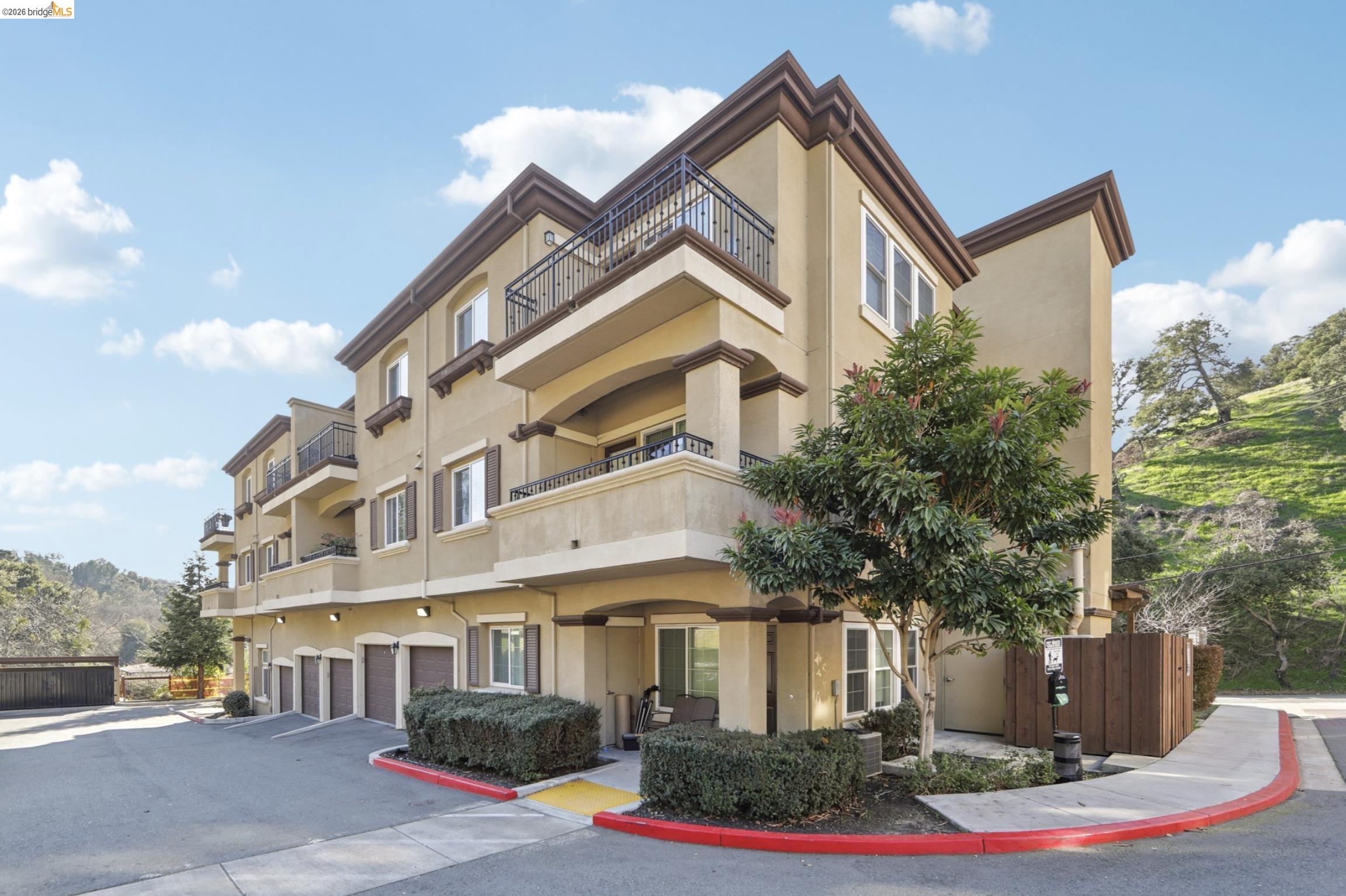
Central. The county's de facto downtown — regional retail, condos and townhomes beside single-family neighborhoods, BART and the 680/24 junction. The widest product range in the county.
≈ 123,300
Central. The largest city in the county and its main value play — 1950s tracts through newer condos, two BART stations, and a decommissioned naval station awaiting long-horizon redevelopment.
≈ 19,500
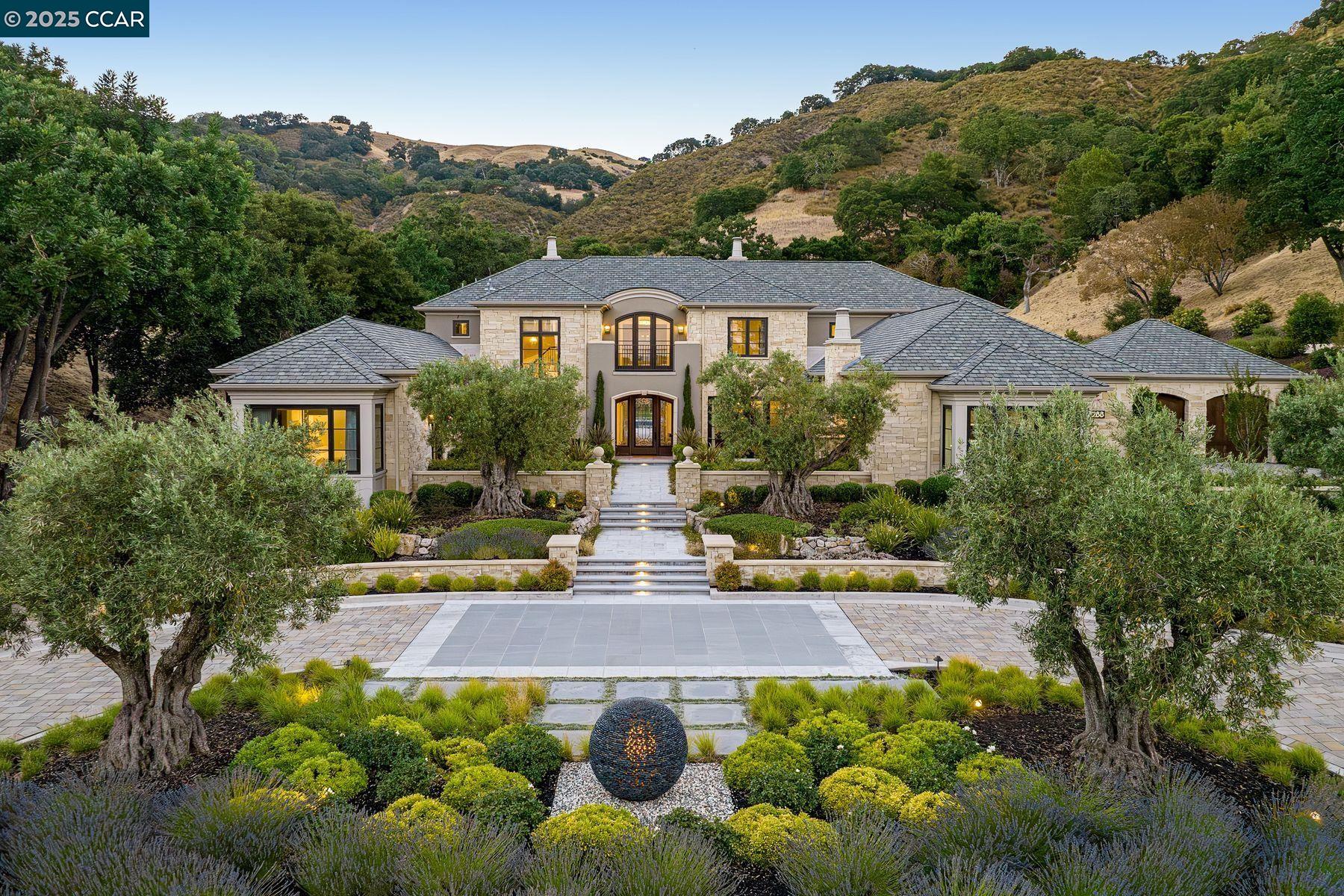
Lamorinda. Wooded hillside lots, mid-century and custom homes, almost no multifamily. Its own BART stop puts San Francisco about twenty minutes away. Among the county's highest price points.
≈ 25,300
Lamorinda. A more walkable downtown than its neighbors, ranch and traditional homes on large lots, BART plus Highway 24. Premium tier.
≈ 16,300
Lamorinda. The quietest of the three and usually the value entry among them. Sixties and seventies subdivisions, St. Mary's College, and a drive to the nearest BART.
≈ 43,300
San Ramon Valley. Larger and newer homes, strong schools, a genuine downtown. I-680 commute with no BART of its own. Premium tier.
≈ 86,200
San Ramon Valley. Master-planned, with the newest housing stock in the central county and the Bishop Ranch employment base next door. Schools drive demand here.
≈ 34,000
Central. Ranch-heavy mid-century stock plus transit-oriented development at Contra Costa Centre. The common step down from Walnut Creek.
≈ 10,800
Central. Small and supply-constrained, sitting at the foot of Mount Diablo. Almost entirely detached homes, with Concord next door for services and BART.
≈ 36,800
Central. The county seat, with a historic downtown, hillside subdivisions, Amtrak service, and a working refinery. Generally priced below Pleasant Hill.
≈ 114,900
West. The widest intra-city spread in the county — Point Richmond and the Marina Bay and hills areas price far above the flats. Two BART stations plus a ferry to San Francisco.
≈ 26,100
West. Bungalows and mid-century hillside homes, two BART stations, and Berkeley immediately south. The strongest west-county pricing outside Richmond's pockets.
≈ 26,300
West. Newer planned subdivisions and townhomes on the waterfront, I-80 access, and a long-planned regional transit and ferry node. Newer stock than its neighbors.
≈ 18,500
West. A small historic downtown with sixties-through-eighties hillside tracts behind it. I-80 commute, no BART of its own.
≈ 31,700
West. Small, dense, and modest — older housing stock and the county's lowest price tier. No BART inside the city limits.
≈ 119,000
East. Large and varied, with an older core and newer tracts on the south side. The eBART terminus, and among the highest square-footage-per-dollar in the Bay Area.
≈ 77,500
East. A waterfront downtown and two BART stations — the best transit access in the east county, which matters more here than anywhere.
≈ 66,600
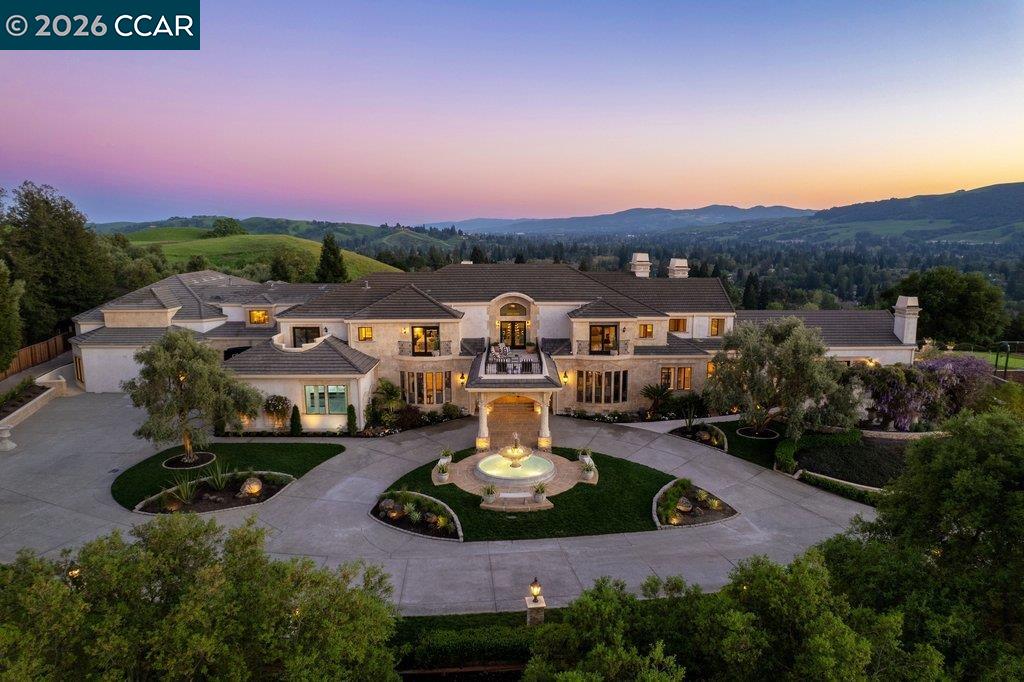
East. The newest large-lot suburban stock in the county, with working orchards at the edge of town. No rail, so the Highway 4 commute is the trade. The east-county premium.
≈ 47,600
East. Newer tract homes close to the Delta. A similar buyer to Brentwood at a discount, with the same commute math.
County-governed
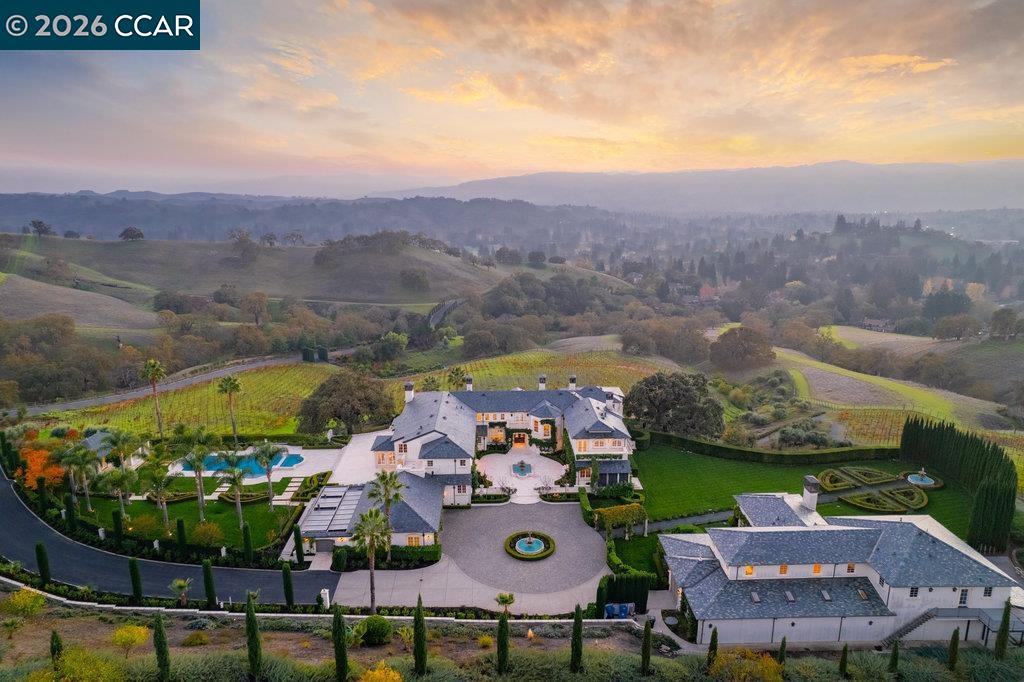
Alamo and Blackhawk at the top of the market, Kensington next to Berkeley, Discovery Bay with private docks on the Delta, plus El Sobrante, Bay Point, Rodeo, Crockett, and Port Costa.
Population figures are U.S. Census Bureau estimates for July 2025.
Twelve BART stations sit inside the county line — more than anywhere outside Alameda. They run from Richmond and El Cerrito on the bay, through the Caldecott Tunnel to Orinda, Lafayette, Walnut Creek and Concord, and out east to Pittsburg and Antioch.
Add the Richmond ferry, Amtrak at Martinez and Richmond, and the 24, 680 and 80 corridors, and Contra Costa offers more ways into San Francisco and Oakland than any county in the East Bay. From the hills above El Cerrito on a clear evening, you can see exactly how close it is.
Nine across the county
Port Costa
Farm-fresh American cooking and pre-Prohibition cocktails in a brick roadhouse on the Carquinez Strait. Worth the drive on its own.
El Cerrito
Northern Chinese dumplings and hand-pulled noodles at a counter. The only Michelin distinction in the county.
Orinda
A Western-Italian steakhouse that has been serving the same fried chicken since before the tunnel opened.
Lafayette
Classic bistro cooking — pâtés, gougères, game — built on California produce. In the Michelin Guide.
Walnut Creek
Eclectic international small plates and a serious wine-flight program, on a patio under an old oak.
Danville
Italian with Asian-fusion touches, in the dining room where Mrs. Doubtfire was filmed.
Antioch
Wild-caught seafood and steaks on the Antioch marina, with the Delta out the window.
Brentwood
An upscale seasonal American grill anchoring downtown Brentwood — the east county's special-occasion room.
Pleasant Hill
Stuffed Chicago-style deep dish, employee-owned, and a Bay Area institution since 1983. Expect a wait.
The hills turn green in November and stay that way until May. Then they go gold and hold it until the rains come back. Everything outdoors here follows that switch — wildflowers in March, the Delta in July, crab feeds in January.
Here is what a year actually looks like, from the bay to the Delta.
Month by month, from the bay to the Delta
January
Hills turning green
February
Peak green
March
Wildflowers
April
Orchards in bloom
May
Peak cherry season
June
Hills go gold
July
Delta season
August
Golden hills
September
Warmest, clearest weeks
October
Harvest
November
First rains
December
Dormant
Drag the slider below to move through the year
Contra Costa has more protected open space per resident than almost any county in the Bay Area, and most of it sits minutes from a downtown. A ten-mile loop trail a mile from Lafayette BART. Eight thousand acres of former coal country outside Antioch. A national park on the Richmond waterfront.
None of it requires a weekend trip. That is the part people underestimate before they move here.
A 3,849-foot summit with one of the widest viewsheds in the country, plus hiking, biking, and camping.
Muir's seventeen-room home and fruit ranch in Martinez, where he wrote much of what became the conservation movement.
A national park on the Richmond waterfront, with the SS Red Oak Victory still in the water.
Eight thousand acres of former coal country near Antioch, with underground mine tours on weekends.
Ten miles of loop trail a mile from Lafayette BART. The county's most-used piece of open space.
A three-and-a-half-acre living museum of succulents and dry-climate plants in Walnut Creek.
Private
Districting matters here more than anywhere. Contra Costa spans more than a dozen school districts, and boundaries often split neighborhoods within a single city. Tell us which district you need and we'll identify properties inside its lines before you tour anything.
1,161,460 people live in Contra Costa, where the median age is 40.3 and the average individual income is $61,727. Data provided by the U.S. Census Bureau.
Total Population
Median Age
Population Density Population Density This is the number of people per square mile in a neighborhood.
Average individual Income
Contra Costa has 411,662 households, with an average household size of 2.79. Data provided by the U.S. Census Bureau. Here’s what the people living in Contra Costa do for work — and how long it takes them to get there. Data provided by the U.S. Census Bureau. 1,161,460 people call Contra Costa home. The population density is 1,620 and the largest age group is Data provided by the U.S. Census Bureau.
Total Population
Population Density Population Density This is the number of people per square mile in a neighborhood.
Median Age
Men vs Women
Population by Age Group
0-9 Years
10-17 Years
18-24 Years
25-64 Years
65-74 Years
75+ Years
Education Level
Total Households
Average Household Size
Average individual Income
Households with Children
With Children:
Without Children:
Marital Status
Blue vs White Collar Workers
Blue Collar:
White Collar: